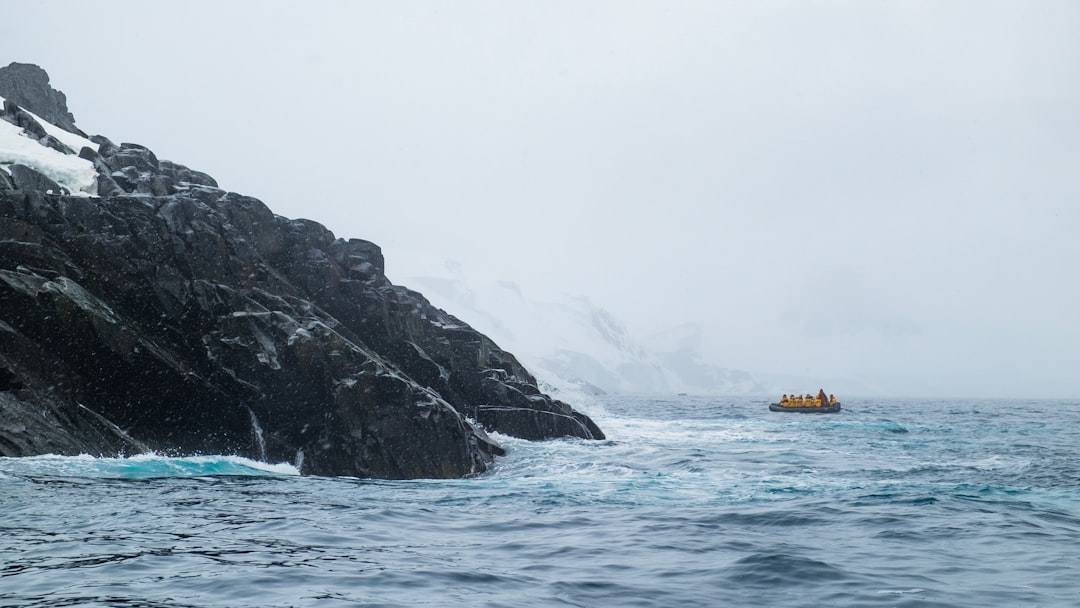
Antarctica, often referred to as the last great wilderness on Earth, presents a landscape that is both awe-inspiring and enigmatic. Its vast expanses of ice, towering glaciers, and rugged mountain ranges create a stark beauty that captivates the imagination. The continent is largely covered by an ice sheet that holds about 60% of the world’s fresh water, making it a critical component of the Earth’s climate system.
The sheer scale of this icy realm, with its remote and inhospitable conditions, has long intrigued scientists and explorers alike. The harsh environment, characterized by frigid temperatures and relentless winds, has fostered a unique ecosystem that thrives in extreme conditions. Beneath the surface, Antarctica’s landscape is not merely a frozen desert; it is a dynamic environment shaped by geological processes over millions of years.
The interplay between ice, rock, and water has created a complex topography that includes deep valleys, towering peaks, and expansive ice shelves. This intricate landscape is not only visually stunning but also serves as a vital record of Earth’s climatic history. As researchers delve deeper into the mysteries of Antarctica, they uncover clues about past climates and the evolution of life on our planet, making it a focal point for scientific inquiry.
Key Takeaways
- Antarctica’s landscape is shrouded in mystery, with vast expanses of ice and snow covering the continent.
- Beneath the ice, a hidden world exists, with subglacial lakes and rivers waiting to be explored.
- Scientists are on a quest to uncover ancient life in Antarctica, which could provide valuable insights into the continent’s history.
- Research in Antarctica is crucial for understanding the geological history of the continent and its role in shaping the Earth’s past.
- Antarctica plays a significant role in climate change, and studying its subglacial environment is essential for predicting future impacts.
The Hidden World Beneath the Ice
Beneath the thick layers of ice that blanket Antarctica lies a hidden world that remains largely unexplored. This subglacial environment is home to a variety of ecosystems that have adapted to extreme conditions, including complete darkness and crushing pressures. Scientists have discovered that these hidden habitats are teeming with life, from microorganisms to larger organisms that thrive in the nutrient-rich waters beneath the ice.
The existence of such life forms challenges previous assumptions about the limits of life on Earth and raises intriguing questions about the potential for life in similar environments elsewhere in the universe. The subglacial lakes and rivers of Antarctica are particularly fascinating. These bodies of water are insulated from the harsh surface conditions, creating a stable environment where unique biological communities can flourish.
Researchers have identified several subglacial lakes, such as Lake Vostok and Lake Whillans, which are believed to have been isolated from the outside world for thousands of years. The study of these lakes not only provides insights into the resilience of life but also offers a glimpse into the geological processes that shape the continent. As scientists continue to explore this hidden world, they are uncovering new species and ecosystems that expand our understanding of biodiversity in extreme environments.
The Search for Ancient Life
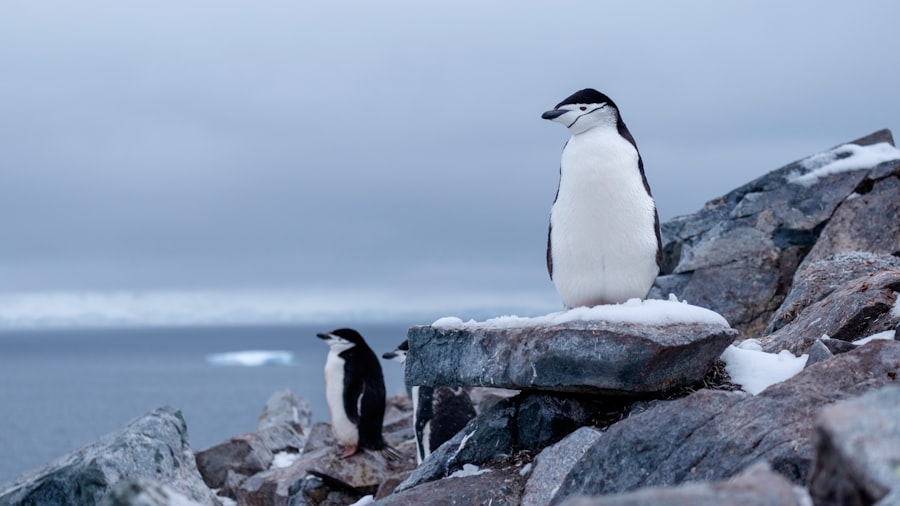
The quest to uncover ancient life forms in Antarctica is a thrilling endeavor that has captured the attention of scientists worldwide. The continent’s ice sheets serve as time capsules, preserving evidence of past climates and ecosystems. By drilling into the ice core samples, researchers can extract valuable information about ancient atmospheric conditions and biological activity.
These samples provide a window into Earth’s history, revealing how life has adapted to changing climates over millennia. One of the most exciting aspects of this research is the potential discovery of ancient microorganisms that may have thrived in conditions vastly different from those today. The search for these relics of the past not only enhances our understanding of life’s resilience but also informs current models of climate change and its impact on biodiversity.
As scientists analyze ice cores and sediment samples, they are piecing together a narrative that spans millions of years, shedding light on how life on Earth has evolved in response to environmental shifts.
Uncovering the Geological History of Antarctica
| Geological Period | Time Frame | Key Events |
|---|---|---|
| Precambrian | Over 541 million years ago | Formation of ancient rocks and minerals |
| Paleozoic | 541-252 million years ago | Glaciation and the formation of the Transantarctic Mountains |
| Mesozoic | 252-66 million years ago | Continued mountain building and the separation of Antarctica from other landmasses |
| Cenozoic | 66 million years ago to present | Formation of the Antarctic ice sheet and the current ice age |
Antarctica’s geological history is a complex tapestry woven from tectonic movements, volcanic activity, and climatic changes over eons. Understanding this history is crucial for comprehending not only the continent itself but also its role in global geological processes. Researchers employ various methods to study rock formations, sediment layers, and fossil records, revealing insights into how Antarctica was once part of a larger supercontinent known as Gondwana.
The geological features found in Antarctica tell a story of dramatic transformations. From ancient mountain ranges formed by tectonic collisions to vast plains shaped by glacial erosion, each layer of rock holds clues about the continent’s past. By examining these geological formations, scientists can reconstruct ancient environments and understand how they have influenced current ecosystems.
This knowledge is essential for predicting how Antarctica may respond to future climate changes and for understanding its impact on global sea levels.
The Role of Antarctica in Climate Change
Antarctica plays a pivotal role in the Earth’s climate system, acting as a barometer for global climate change. The continent’s vast ice sheets store immense amounts of freshwater, and their melting has significant implications for rising sea levels worldwide. As temperatures continue to rise due to climate change, scientists are closely monitoring the stability of these ice sheets to assess their potential contribution to global sea level rise.
Moreover, Antarctica’s unique climate patterns influence weather systems far beyond its borders. The interactions between the polar regions and the rest of the planet are complex and multifaceted. Changes in Antarctic ice cover can affect ocean currents and atmospheric circulation patterns, leading to shifts in weather patterns across continents.
Understanding these dynamics is crucial for predicting future climate scenarios and developing strategies to mitigate the impacts of climate change on vulnerable communities around the globe.
Exploring Subglacial Lakes and Rivers
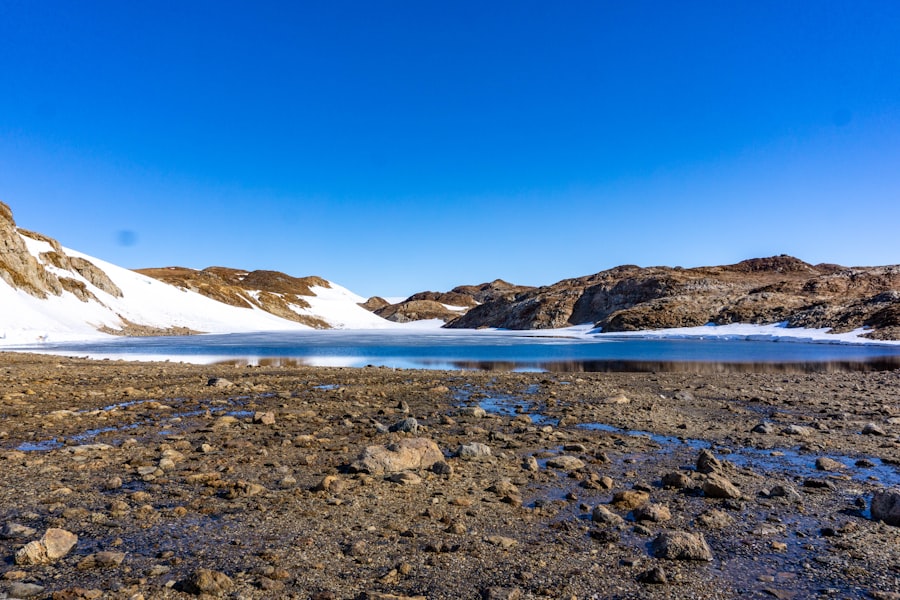
The exploration of subglacial lakes and rivers in Antarctica represents one of the most exciting frontiers in scientific research today. These hidden bodies of water are not only fascinating in their own right but also serve as indicators of broader environmental changes occurring within the continent. Researchers utilize advanced technologies to access these subglacial environments, employing techniques such as hot-water drilling and remote sensing to study their characteristics.
The discovery of subglacial lakes like Lake Vostok has sparked interest due to their potential to harbor unique microbial life forms that have evolved in isolation for millennia. These ecosystems provide valuable insights into how life can adapt to extreme conditions and may even offer clues about extraterrestrial life on icy moons or planets. As scientists continue to investigate these hidden waterways, they are uncovering new species and ecological interactions that challenge conventional notions of biodiversity.
The Potential for New Discoveries
The potential for new discoveries in Antarctica is vast and largely untapped. As researchers venture deeper into this remote continent, they are likely to encounter novel species, geological formations, and environmental phenomena that could reshape our understanding of life on Earth. The unique conditions found in Antarctica create opportunities for groundbreaking research across various scientific disciplines, from biology to geology to climate science.
Moreover, as technology advances, so too does the ability to explore previously inaccessible areas of Antarctica.
This technological progress opens up new avenues for exploration and discovery, allowing researchers to push the boundaries of what is known about this enigmatic continent.
Challenges of Researching Under the Ice
Despite the exciting prospects for research in Antarctica, studying this frozen landscape comes with significant challenges. The extreme weather conditions pose risks to researchers working in remote locations, where temperatures can plummet and storms can arise unexpectedly. Additionally, logistical hurdles such as transportation and communication can complicate fieldwork efforts.
Accessing subglacial environments presents its own set of difficulties.
Researchers must navigate not only technical challenges but also ethical considerations regarding the preservation of these fragile ecosystems.
Balancing scientific inquiry with environmental stewardship is essential as scientists strive to unlock the secrets hidden beneath Antarctica’s icy surface.
Technologies Used in Antarctic Exploration
The exploration of Antarctica has been revolutionized by advancements in technology that enable researchers to study this remote environment more effectively than ever before. Satellite imagery provides valuable data on ice cover changes and helps track glacial movements over time. Drones equipped with sensors can survey vast areas quickly, capturing high-resolution images and collecting environmental data without disturbing delicate ecosystems.
In addition to remote sensing technologies, researchers utilize sophisticated drilling techniques to access subglacial lakes and rivers. Hot-water drilling systems allow scientists to penetrate thick ice sheets while minimizing contamination risks. Furthermore, autonomous underwater vehicles (AUVs) are employed to explore subglacial environments without direct human intervention, providing insights into underwater ecosystems that would otherwise remain hidden.
The Importance of Studying Antarctica’s Subglacial Environment
Studying Antarctica’s subglacial environment is crucial for understanding not only the continent itself but also its broader implications for global systems. The unique ecosystems found beneath the ice offer insights into how life can thrive under extreme conditions, informing our understanding of biodiversity on Earth and potentially beyond. Additionally, these subglacial habitats serve as indicators of environmental change, providing valuable data on how climate change impacts polar regions.
Furthermore, research conducted in Antarctica contributes to our knowledge of Earth’s geological history and climate dynamics. By examining sediment cores from subglacial lakes and analyzing ice core samples, scientists can reconstruct past climates and assess how they relate to current trends. This information is vital for predicting future climate scenarios and developing strategies for mitigating the impacts of climate change on vulnerable populations worldwide.
Implications for the Future of Antarctic Research
The future of Antarctic research holds immense promise as scientists continue to unravel the mysteries hidden beneath its icy surface. As technology advances and interdisciplinary collaboration increases, researchers are poised to make significant strides in understanding this unique environment. The implications extend beyond scientific curiosity; findings from Antarctic research have far-reaching consequences for global climate policy, biodiversity conservation efforts, and our understanding of life’s resilience in extreme conditions.
Moreover, as awareness grows regarding the importance of preserving Antarctica’s fragile ecosystems, there is an increasing emphasis on sustainable research practices. Balancing scientific exploration with environmental stewardship will be essential as researchers navigate the challenges posed by climate change and human activity. Ultimately, continued investment in Antarctic research will not only enhance scientific knowledge but also contribute to informed decision-making regarding global environmental issues in an era marked by rapid change.
The mysteries of the Antarctic ice sheet have long intrigued scientists and explorers alike, as they seek to uncover what lies beneath its vast, frozen expanse. A related article that delves into the fascinating world of hidden landscapes and ancient secrets beneath the ice can be found on Real Lore and Order. This article provides insights into the latest research and discoveries that are reshaping our understanding of this remote and enigmatic region. For more information, you can read the full article by visiting Real Lore and Order.
WATCH THIS 🧊The US Military Confirmed It: What’s REALLY Under the Antarctic Ice?
FAQs
What is under the Antarctic ice sheet?
Under the Antarctic ice sheet, there are numerous subglacial lakes, mountain ranges, and valleys. The landscape also includes active and extinct volcanoes, as well as a network of rivers and streams.
Are there any living organisms under the Antarctic ice sheet?
Yes, scientists have discovered microbial life in the subglacial lakes beneath the Antarctic ice sheet. These organisms have adapted to extreme conditions and are of great interest to researchers studying the potential for life on other planets.
How thick is the Antarctic ice sheet?
The Antarctic ice sheet is, on average, about 1.9 kilometers (1.2 miles) thick. In some areas, the ice can be as much as 4.8 kilometers (3 miles) thick.
What is the significance of studying what is under the Antarctic ice sheet?
Studying what lies beneath the Antarctic ice sheet can provide valuable insights into the history of the continent, as well as the potential effects of climate change. It can also help scientists understand the potential for life in extreme environments and the dynamics of ice sheet movement.