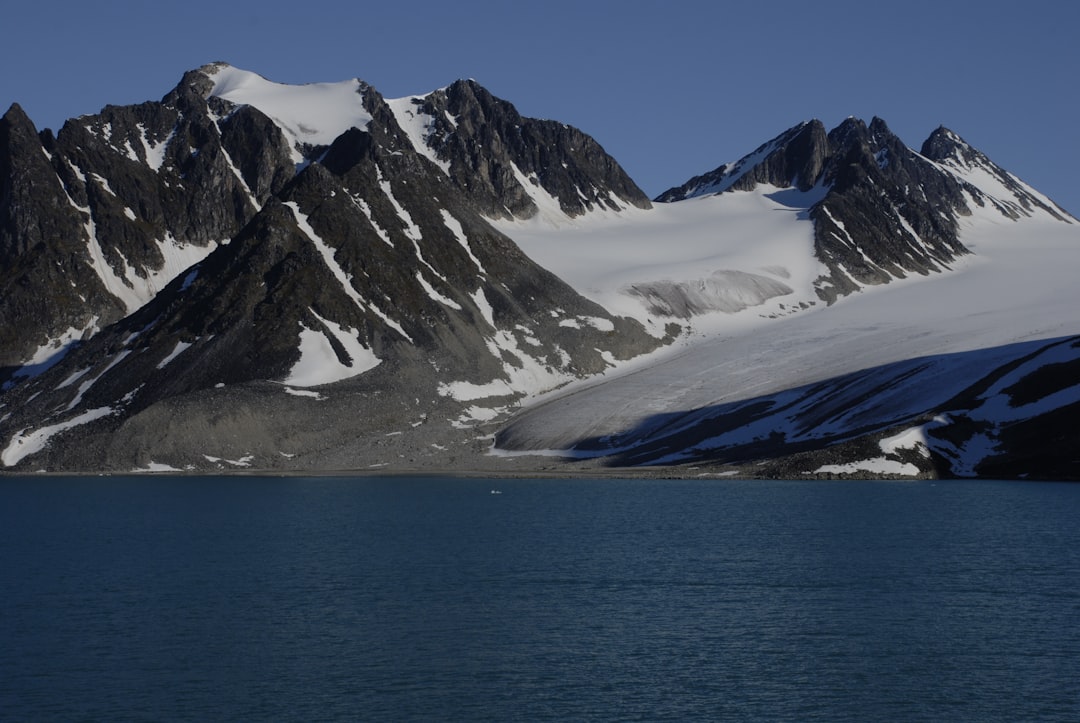
Beneath the vast, icy expanse of Antarctica lies a hidden world that has captivated scientists and explorers alike: subglacial lakes. These bodies of water, concealed beneath thick layers of ice, remain largely unexplored and shrouded in mystery. The existence of these lakes challenges conventional understandings of life and ecosystems, as they thrive in extreme conditions, isolated from the outside world for millennia.
The allure of subglacial lakes lies not only in their enigmatic nature but also in the potential they hold for revealing secrets about Earth’s past and the processes that govern our planet’s climate. Subglacial lakes are formed by a combination of geothermal heat from the Earth’s interior and the immense pressure exerted by the overlying ice. This unique environment creates a delicate balance, allowing liquid water to exist despite frigid surface temperatures.
The largest of these lakes, such as Lake Vostok, can be larger than some of the Great Lakes in North America. The study of these hidden aquatic systems offers a glimpse into a world that has remained untouched for thousands of years, raising questions about the resilience of life and the adaptability of organisms in extreme environments.
Key Takeaways
- Subglacial lakes are mysterious bodies of water hidden beneath the Antarctic ice sheet, and their study has revealed unique ecosystems and microorganisms.
- The discovery and exploration of subglacial lakes in Antarctica have provided valuable insights into Earth’s history and climate change research.
- Studying subglacial lakes is important for understanding Antarctica’s ice dynamics and the potential for finding extraterrestrial life in similar environments.
- Accessing and studying subglacial lakes present significant challenges, but innovative techniques such as hot-water drilling have been developed for exploration.
- Subglacial lake research has implications for extracting resources and raises ethical and environmental considerations for exploration in Antarctica’s fragile ecosystem.
The Discovery and Exploration of Subglacial Lakes in Antarctica
The journey to uncover the secrets of subglacial lakes began in earnest during the late 20th century when scientists first hypothesized their existence. The discovery of Lake Vostok in the 1970s marked a significant milestone in Antarctic research. This massive lake, located beneath Russia’s Vostok Station, is one of the largest subglacial lakes in the world and has been a focal point for scientific inquiry.
Subsequent research revealed that Lake Vostok is just one of over 400 subglacial lakes scattered across Antarctica, each with its own unique characteristics and potential for discovery. Exploration efforts have evolved significantly over the years, transitioning from initial satellite imaging and radar studies to more sophisticated techniques such as hot-water drilling and remote sensing. These advancements have allowed researchers to access these hidden lakes while minimizing contamination risks.
The exploration of subglacial lakes has not only expanded our understanding of Antarctica’s hydrology but has also opened new avenues for studying microbial life and its implications for broader ecological systems.
The Unique Ecosystems and Microorganisms Found in Subglacial Lakes
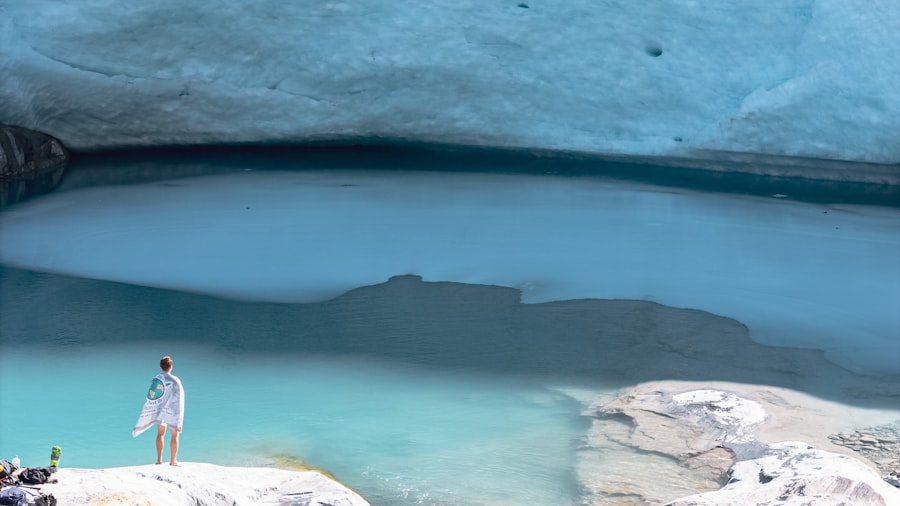
One of the most intriguing aspects of subglacial lakes is the unique ecosystems that thrive within them. Isolated from sunlight and traditional food sources, these ecosystems rely on chemosynthesis rather than photosynthesis. Microorganisms, including bacteria and archaea, have adapted to survive in these extreme conditions, utilizing chemical reactions to derive energy from minerals present in the water and sediment.
Recent studies have revealed a diverse array of microbial life within subglacial lakes, including species that have never been observed before. These microorganisms play a crucial role in nutrient cycling and may contribute to biogeochemical processes that influence global climate patterns.
Understanding these unique ecosystems not only sheds light on life’s resilience but also provides insights into how life might exist in other extreme environments, such as those found on icy moons like Europa or Enceladus.
The Importance of Studying Subglacial Lakes for Climate Change Research
| Subglacial Lake | Importance for Climate Change Research |
|---|---|
| Vostok Lake | Provides insights into past climate conditions through analysis of ice cores |
| Lake Whillans | Study of microbial life and its impact on carbon cycling and greenhouse gas emissions |
| Lake Mercer | Understanding of ice sheet dynamics and potential contribution to sea level rise |
The significance of subglacial lakes extends beyond their biological inhabitants; they also serve as critical indicators of climate change. As global temperatures rise, the dynamics of ice sheets are altered, leading to changes in water flow and sediment transport beneath the ice. Subglacial lakes act as reservoirs that can influence ice stability and contribute to sea-level rise.
By studying these lakes, scientists can gain valuable insights into how climate change impacts polar regions and, by extension, the entire planet. Moreover, subglacial lakes can provide historical records of climate conditions over thousands of years. Sediment cores extracted from these lakes can reveal past temperature fluctuations, ice sheet dynamics, and even atmospheric composition.
This information is invaluable for understanding how Earth’s climate has changed over time and can help predict future trends. As such, subglacial lake research is not only essential for understanding current climate dynamics but also for informing strategies to mitigate the impacts of climate change.
The Challenges and Techniques of Accessing and Studying Subglacial Lakes
Accessing subglacial lakes presents a myriad of challenges due to their remote locations and the harsh Antarctic environment. The thick ice cover poses significant logistical hurdles, requiring advanced drilling techniques that minimize contamination risks. Hot-water drilling has emerged as a preferred method, allowing researchers to create access holes while maintaining the integrity of the lake’s ecosystem.
However, this technique demands careful planning and execution to ensure that no foreign materials are introduced into these pristine environments. In addition to drilling challenges, researchers must also contend with the extreme weather conditions prevalent in Antarctica. Harsh winds, freezing temperatures, and unpredictable weather patterns can hinder fieldwork and complicate data collection efforts.
Despite these obstacles, scientists remain committed to exploring subglacial lakes, employing innovative technologies such as autonomous underwater vehicles (AUVs) and remote sensing tools to gather data without direct human intervention. These advancements are crucial for advancing our understanding of these hidden ecosystems while preserving their delicate balance.
The Potential for Finding Extraterrestrial Life in Subglacial Lakes
The study of subglacial lakes not only enhances our understanding of life on Earth but also fuels speculation about the potential for extraterrestrial life. The extreme conditions found in these lakes mirror those believed to exist on icy moons within our solar system, such as Europa and Enceladus. These celestial bodies are thought to harbor subsurface oceans beneath their icy crusts, creating environments where life could potentially thrive.
By examining how microorganisms adapt to the harsh conditions within subglacial lakes, scientists can develop models for what life might look like beyond Earth. The resilience demonstrated by these organisms provides hope that similar life forms could exist elsewhere in the universe. As space exploration continues to advance, findings from subglacial lake research may inform future missions aimed at searching for signs of life on other planets or moons.
The Role of Subglacial Lakes in Antarctica’s Ice Dynamics
Subglacial lakes play a pivotal role in Antarctica’s ice dynamics, influencing both ice flow and stability. These lakes act as lubricants between the ice sheet and the underlying bedrock, facilitating movement and potentially accelerating ice flow toward the ocean. As climate change alters the hydrology beneath the ice sheets, understanding how subglacial lakes interact with ice dynamics becomes increasingly important.
The presence or absence of water beneath an ice sheet can significantly impact its stability. When subglacial lakes drain or fill, they can trigger changes in ice flow patterns that may lead to increased calving events or accelerated melting at the ice sheet’s edges. By studying these interactions, researchers can better predict how Antarctica’s ice sheets will respond to ongoing climate change and assess their contributions to global sea-level rise.
The Implications of Subglacial Lake Research for Understanding Earth’s History
Research into subglacial lakes offers profound implications for understanding Earth’s geological history. Sediments collected from these lakes can provide insights into past climatic conditions, glacial movements, and even ancient ecosystems that existed long before human influence. By analyzing these sediment cores, scientists can reconstruct historical climate patterns and gain a clearer picture of how Earth’s environment has evolved over millennia.
Furthermore, subglacial lake research contributes to our understanding of glaciology and tectonics. The interactions between ice sheets and underlying geology can reveal information about Earth’s crustal movements and tectonic activity over time. This knowledge is essential for piecing together Earth’s complex history and understanding how various factors have shaped its current state.
The Potential for Extracting Resources from Subglacial Lakes
As interest in subglacial lakes grows, so too does curiosity about their potential resources. Some researchers speculate that these hidden bodies of water may contain valuable minerals or even unique biological compounds with applications in medicine or biotechnology. However, extracting resources from such pristine environments raises significant ethical questions regarding environmental preservation and potential contamination.
The prospect of resource extraction must be approached with caution, balancing scientific inquiry with environmental stewardship. Any exploration or extraction efforts should prioritize minimizing ecological disruption while ensuring that research continues to advance our understanding of these unique ecosystems. As discussions around resource utilization evolve, it is crucial to consider long-term implications for both local ecosystems and global environmental health.
The Ethical and Environmental Considerations of Subglacial Lake Exploration
The exploration of subglacial lakes is fraught with ethical considerations that demand careful attention from researchers and policymakers alike. The pristine nature of these environments necessitates a commitment to minimizing human impact during exploration efforts. Contamination risks must be meticulously managed to preserve the delicate balance within these ecosystems.
Moreover, ethical considerations extend beyond immediate environmental concerns; they encompass broader questions about humanity’s responsibility toward preserving natural wonders for future generations. As scientific exploration continues to unveil the mysteries of subglacial lakes, it is imperative that researchers engage with indigenous communities and stakeholders to ensure that their voices are heard in discussions surrounding exploration practices.
The Future of Subglacial Lake Research and Exploration in Antarctica
Looking ahead, the future of subglacial lake research promises exciting possibilities as technology continues to advance and our understanding deepens. Ongoing international collaborations among scientists from various disciplines will be crucial for addressing complex questions surrounding these hidden ecosystems. As new discoveries emerge, they will undoubtedly reshape our understanding of life on Earth and its potential beyond our planet.
In conclusion, subglacial lakes represent a fascinating frontier in scientific exploration—one that holds keys to understanding not only Earth’s past but also its future amidst changing climates. As researchers continue to unlock their secrets, they will contribute invaluable knowledge that transcends disciplinary boundaries and enriches humanity’s collective understanding of life itself.
In recent years, the exploration of subglacial lakes in Antarctica has unveiled a plethora of secrets about our planet’s hidden ecosystems and climate history. These isolated bodies of water, trapped beneath kilometers of ice, are believed to harbor unique microbial life forms that have adapted to extreme conditions, offering insights into life’s resilience and the Earth’s past climate. For those interested in delving deeper into the mysteries of Antarctica and its subglacial wonders, a related article can be found on Real Lore and Order, which explores the fascinating interplay between these hidden lakes and the broader implications for our understanding of Earth’s climate systems.
WATCH THIS 🧊The US Military Confirmed It: What’s REALLY Under the Antarctic Ice?
FAQs
What are subglacial lakes in Antarctica?
Subglacial lakes in Antarctica are bodies of water that exist beneath the Antarctic ice sheet. These lakes are formed by the melting of ice due to geothermal heat from the Earth’s interior.
How many subglacial lakes are there in Antarctica?
There are over 400 known subglacial lakes in Antarctica, with new ones being discovered as technology and research methods improve.
What secrets do subglacial lakes in Antarctica hold?
Subglacial lakes in Antarctica hold valuable information about the history of the continent, its climate, and the potential for life in extreme environments. They also provide insights into the dynamics of the ice sheet and its potential impact on sea level rise.
How are subglacial lakes in Antarctica studied?
Subglacial lakes in Antarctica are studied using a variety of methods, including remote sensing, ice-penetrating radar, and direct sampling through boreholes drilled into the ice sheet.
What are the potential implications of studying subglacial lakes in Antarctica?
Studying subglacial lakes in Antarctica can provide valuable information for understanding the past, present, and future of the Antarctic ice sheet, as well as the potential for life in extreme environments. This knowledge can also help in predicting the impact of climate change on the region and global sea levels.