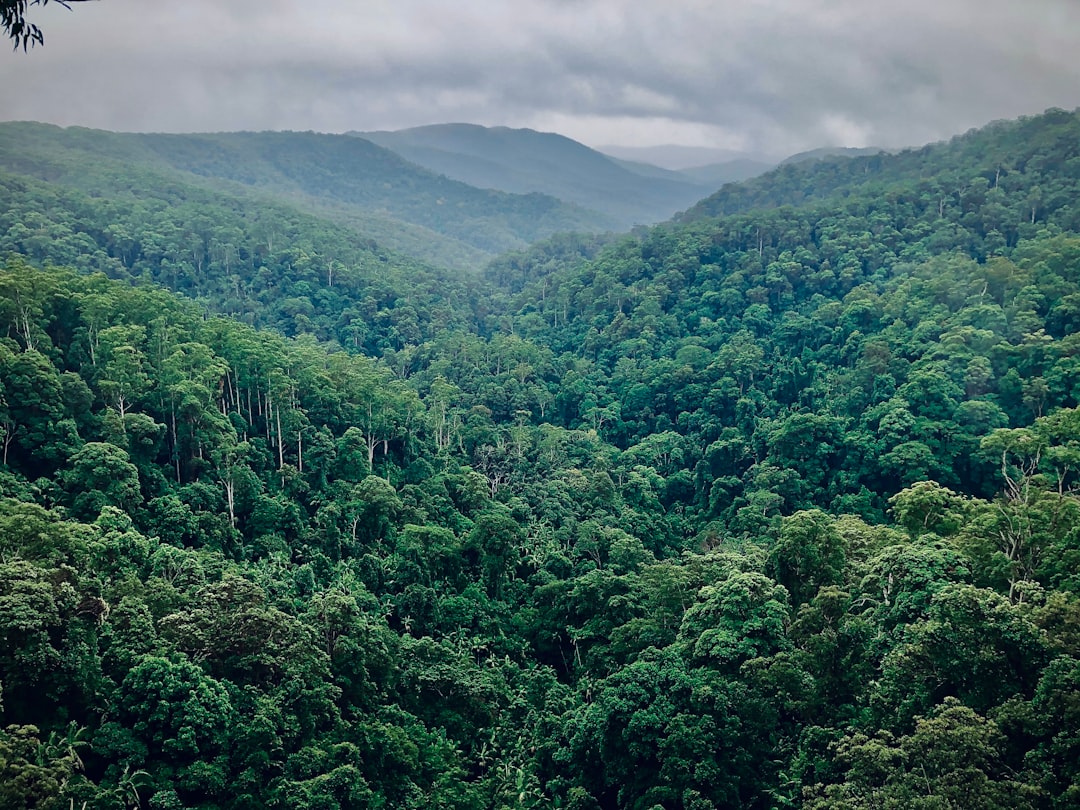
The Amazon rainforest canopy, a vast, living cathedral of green, holds within its towering heights an intricate and largely unmapped world. This uppermost layer of the forest, a complex ecosystem distinct from the forest floor, teems with life and presents unique challenges for scientific exploration. For decades, the dense foliage and immense scale of the Amazon have acted as a formidable barrier, shrouding its arboreal secrets from direct observation. However, advancements in technology and innovative research methodologies are now beginning to peel back the layers, revealing a biodiversity and ecological complexity that rivals, and in some ways surpasses, what is known of the terrestrial realm. This article delves into the ongoing quest to understand the Amazon’s canopy, exploring the methods, discoveries, and profound implications of this vital scientific endeavor.
The Amazon rainforest canopy is not a monolithic entity but a multi-layered structure, each stratum hosting a distinct set of environmental conditions and biological communities. Imagine it as a grand hotel, with each floor offering a different lifestyle and set of residents.
The Emergent Layer: Reaching for the Sun
Above the main canopy, a few giants pierce the sky, their massive crowns exposed to the full force of the sun and wind. These emergent trees, such as the Brazil nut tree (Bertholletia excelsa) and the Kapok tree (Ceiba pentandra), can reach heights of over 60 meters. Their isolation means they are frequented by specialized birds of prey like harpy eagles (Harpia harpyja) and by arboreal mammals adept at long-distance travel between crowns, such as monkeys and sloths. The emergent layer serves as a critical observation post for these apex predators and a migratory highway for their prey.
Adaptation to Extreme Conditions
Life in the emergent layer is a constant negotiation with the elements. Intense solar radiation necessitates adaptations for water conservation and heat dissipation. Plants here often possess thick, waxy leaves, while animals may exhibit behavioral strategies to avoid the midday sun, such as seeking shade in the denser foliage below or becoming primarily nocturnal.
The Main Canopy: A City of Branches
This is the true heart of the canopy, a dense, interconnected network of branches, leaves, and epiphytes that forms a continuous roof over the forest. It is here that the majority of the Amazon’s arboreal biodiversity resides. The sheer biomass of leaves in the main canopy plays a critical role in the global carbon cycle.
The Role of Epiphytes: Life on Air
Epiphytes, plants that grow on other plants without harming them, are central to the canopy ecosystem. Orchids, bromeliads, ferns, and cacti create miniature habitats, accumulating organic matter and moisture. These phytotelmata, the small water reservoirs held by bromeliads, become miniature ponds, supporting their own unique communities of insects, amphibians, and even small fish. They are, in essence, floating islands of life within the larger ocean of green.
Insect Havens and Amphibian Nurseries
The intricate structures of epiphytes provide shelter, nesting sites, and food sources for countless invertebrate species. Small frogs and tree frogs utilize the water-filled cups of bromeliads as nurseries for their tadpoles, creating safe havens away from predators on the forest floor.
The Understory and Sub-Canopy: Shifting Light and Life
Beneath the dense main canopy, light levels drop significantly, creating a more shaded and humid environment. This layer is home to younger trees, shrubs, and a different array of animal life adapted to lower light conditions and less abundant food resources.
Navigating the Dimness
Animals in the understory often possess enhanced senses of hearing and smell to compensate for reduced vision. Many species become crepuscular or nocturnal, more active during the twilight hours when light is still sufficient for navigation but predators may be less vigilant.
Recent discoveries in the hidden canopy of the Amazon rainforest have unveiled a wealth of biodiversity that was previously unknown to scientists. These findings highlight the importance of preserving this vital ecosystem, as researchers continue to explore the intricate relationships between various species that thrive high above the forest floor. For more insights into the fascinating world of the Amazon and its hidden wonders, you can read a related article at Real Lore and Order.
Pioneering the Ascent: Methods of Canopy Exploration
Reaching the canopy has historically been a significant hurdle for researchers. The sheer height and density of the forest demanded ingenuity and persistence. The development of various technologies has revolutionized our ability to access and study this remote frontier.
The Dawn of Canopy Research: Early Attempts
Early explorations relied on primitive methods, such as climbing tall individual trees or positioning oneself on natural clearings. These were often dangerous and offered only a limited perspective. The focus was on individual organisms or very localized observations.
The Liana Method: A Treacherous Pathway
One of the earliest systematic approaches involved scaling the forest itself using ropes and harnesses, often attached to the thick, woody vines (lianas) that crisscross the canopy. While effective for reaching some areas, this method was fraught with peril due to the instability of vines and the risk of falling.
Modern Technologies: A New Perspective
The advent of modern technology has transformed canopy research, allowing for broader and safer access.
Canopy Walkways and Observation Towers: Stationary Vantage Points
Constructed walkways suspended between trees, and tall observation towers, provide stable platforms for researchers. These structures allow for prolonged observation and data collection without the constant physical strain of climbing. They effectively create permanent observation posts within the canopy city.
Studying Insect Populations and Bird Behavior
From these elevated vantage points, scientists can monitor insect activity, observe the feeding and nesting behaviors of birds, and track the movements of arboreal mammals. Detailed behavioral studies become more feasible, offering insights into complex social structures and ecological interactions.
Rope Access and Tree Climbing Techniques: The Arborist Approach
Professional arborists and specialized research teams utilize advanced tree climbing techniques, employing ropes, harnesses, and specialized equipment to navigate the canopy safely and efficiently. This allows for direct access to specific branches and tree crowns for detailed sampling and experimentation.
Genetic Sampling and Physiological Studies
This method enables researchers to collect genetic material from elusive species, obtain physiological data from plants and animals in situ, and conduct experiments directly within their natural microhabitats. It is the equivalent of having a laboratory suspended amidst the branches.
Drone and Remote Sensing Technologies: Eyes in the Sky
Unmanned aerial vehicles (UAVs) equipped with cameras and sensors are increasingly being used to map canopy structure, monitor forest health, and even detect animal presence. Remote sensing satellites provide broader, landscape-level data on canopy cover and species distribution. These technologies offer a bird’s-eye view, allowing researchers to see the forest for the trees on a grand scale.
Assessing Deforestation and Biodiversity Hotspots
Drones can survey vast areas for signs of illegal logging and other destructive activities, while satellite imagery helps identify areas of high biodiversity that warrant conservation efforts.
A Symphony of Life: Biodiversity in the Canopy
The Amazon canopy is a crucible of life, harboring an astonishing array of species, many of which are found nowhere else on Earth. The unique environmental conditions of this elevated realm have driven the evolution of specialized adaptations.
Insect Metropolis: The Unseen Majority
Insects constitute the most abundant and diverse group of organisms in the canopy. From minuscule mites to large beetles, they play crucial roles as pollinators, decomposers, and a primary food source for other canopy dwellers.
Pollinators of the Heights
Many canopy flowers rely on specific insect pollinators, such as bees, butterflies, and moths, for reproduction. The intricate co-evolutionary relationships between plants and their pollinators are a testament to the interconnectedness of the ecosystem.
The Fragile Dance of Pollination
Without these diligent pollinators, many of the canopy’s fruiting trees and flowering plants would be unable to reproduce, impacting entire food webs that depend on their yields.
Avian Architects and Aerialists
The canopy is a vibrant avian habitat, home to a dazzling diversity of birds. From toucans and macaws to hummingbirds and diverse insectivorous species, birds are integral to seed dispersal and insect control.
Specialized Feeding Niches
Different bird species have evolved specialized beaks and foraging strategies to exploit the diverse food resources available in the canopy, from nectar and fruits to insects hidden within the foliage.
The Role of Birds in Seed Dispersal
As they feed on fruits, birds digest the fleshy pulp and excrete the seeds, often over great distances, aiding in the regeneration and distribution of tree species throughout the forest.
Mammals of the Branches: Arboreal Acrobats
Many mammal species have adapted to a life in the trees, exhibiting remarkable agility and specialized features for navigating the canopy.
Primates: The Architects of Social Structures
Monkeys, from howler monkeys to capuchins, are prominent canopy dwellers, forming complex social groups. Their arboreal lifestyle influences their foraging strategies, social dynamics, and communication patterns.
The Social Fabric of Primate Communities
Studying primate behavior in the canopy provides insights into social learning, dominance hierarchies, and the complex communication networks that define their societies.
Other Arboreal Mammals: Sloths, Bats, and Beyond
Sloths, with their incredibly slow metabolism and specialized claws, are the epitome of energy conservation in the canopy. Bats, often overlooked, are crucial nocturnal pollinators and insectivores, playing vital roles in the ecosystem after dark.
The Nocturnal World of the Canopy
Bats are key players in the nocturnal canopy ecosystem, controlling insect populations and pollinating night-blooming flowers, a role that highlights the 24-hour activity of this environment.
The Canopy’s Delicate Balance: Ecological Functions and Threats
The Amazon rainforest canopy is not merely a collection of organisms; it is a dynamic and interconnected system with profound implications for the regional and global environment. Its health directly influences climate regulation, water cycles, and the very air we breathe.
Climate Regulation: A Green Lung for the Planet
The immense leaf surface area of the canopy plays a critical role in photosynthesis, absorbing vast quantities of carbon dioxide and releasing oxygen into the atmosphere. This process is fundamental to regulating Earth’s climate.
The Thermoregulation Effect
The canopy also acts as a natural air conditioner, intercepting solar radiation and releasing water vapor through transpiration, which cools the surrounding environment.
Transpiration: The Forest’s Cooling System
The continuous release of water vapor from the leaves of canopy trees contributes significantly to local and regional rainfall patterns, acting as a vital part of the hydrological cycle.
Water Cycles: The Forest’s Internal Plumbing
The canopy is a critical component of the Amazon’s hydrological cycle. It intercepts rainfall, allowing for controlled release to the forest floor and influencing the rate of evaporation and transpiration.
Rainfall Interception and Soil Moisture
Leaves and branches of canopy trees capture a significant portion of rainfall, preventing rapid runoff and ensuring a more sustained supply of moisture to the soil and root systems.
The Role of Canopy Cover in Preventing Erosion
By reducing the direct impact of rainfall on the soil, the canopy significantly mitigates soil erosion, maintaining the integrity of the terrestrial ecosystem.
The Growing Shadow: Threats to the Canopy
Despite its immense scale and resilience, the Amazon canopy is facing unprecedented threats from human activities.
Deforestation and Habitat Fragmentation
The clearing of forests for agriculture, cattle ranching, logging, and mining directly destroys canopy habitat and fragments the remaining areas, isolating populations and reducing genetic diversity.
The Domino Effect of Habitat Loss
When sections of the canopy are removed, the interconnectedness of the ecosystem is broken, leading to a cascade of negative impacts on species that rely on a continuous canopy for survival.
Climate Change and Extreme Weather Events
Rising global temperatures, altered rainfall patterns, and an increase in the frequency and intensity of droughts and wildfires are putting immense stress on the canopy ecosystem.
The Vulnerability of Specialized Species
Species with narrow ecological niches and limited dispersal abilities are particularly vulnerable to climate change, facing extinction as their habitats become uninhabitable.
Recent discoveries in the hidden canopy of the Amazon rainforest have unveiled a wealth of biodiversity that was previously unknown to scientists. These findings not only highlight the importance of this unique ecosystem but also emphasize the need for conservation efforts. For more insights on this fascinating topic, you can read a related article that delves deeper into the implications of these discoveries and their impact on our understanding of rainforest ecology. Check it out here.
Unlocking Future Discoveries: The Ongoing Quest
| Discovery | Description | Location | Date Discovered | Significance |
|---|---|---|---|---|
| New Frog Species | A brightly colored tree frog previously unknown to science | Upper canopy, Central Amazon | 2022 | Highlights biodiversity in canopy ecosystems |
| Hidden Orchid Varieties | Several new orchid species found growing exclusively in the canopy | Eastern Amazon Basin | 2021 | Expands understanding of plant diversity and adaptation |
| Canopy Ant Colonies | Discovery of complex ant colonies with unique social structures | Western Amazon | 2023 | Provides insight into insect ecology and forest health |
| Hidden Bird Nesting Sites | Identification of previously unknown nesting sites of rare bird species | Southern Amazon | 2020 | Important for conservation and species protection efforts |
| New Canopy Mammal | Discovery of a small nocturnal mammal living exclusively in the canopy | Northwestern Amazon | 2023 | Reveals unknown mammalian diversity in rainforest canopies |
The exploration of the Amazon rainforest canopy is far from complete. As technology advances and our understanding deepens, new questions emerge, driving further research and revealing the astonishing complexity of this vital ecosystem.
The Potential for New Discoveries: A Living Library
The sheer diversity of the canopy suggests that countless species, interactions, and ecological processes remain undiscovered. Researchers believe that new medicines, biomaterials, and ecological insights are waiting to be found.
Unveiling Novel Compounds for Medicine
Many canopy organisms have evolved unique chemical defenses and adaptations. These compounds hold immense potential for the development of new pharmaceuticals and treatments for human diseases.
The Unexplored Pharmacopeia of the Canopy
The study of plants, fungi, and insects in the canopy could yield novel antibiotics, anticancer agents, and other bioactive compounds with the potential to revolutionize modern medicine.
The Importance of Conservation: Protecting a Global Treasure
Given the ecological significance and the unique biodiversity of the Amazon canopy, its conservation is a global imperative. Protecting this vital ecosystem ensures the continued functioning of planetary systems and safeguards a treasure trove of natural wonders.
Indigenous Knowledge: Guardians of the Forest
Indigenous communities residing within the Amazon rainforest possess generations of invaluable knowledge about its ecology, species, and sustainable management. Their wisdom is an essential resource for conservation efforts.
Traditional Ecological Wisdom for Sustainable Practices
The deep understanding of ecological relationships held by indigenous peoples offers practical models for sustainable resource use that can inform modern conservation strategies.
The Future of Canopy Research: Integration and Innovation
Future research will likely involve greater integration of various technological approaches, coupled with interdisciplinary collaborations. This will enable a more holistic understanding of the canopy, from its micro-level biological processes to its macro-level impact on global climate.
Citizen Science and Global Collaboration
Engaging the public through citizen science initiatives and fostering international collaboration will be crucial for accelerating research and raising awareness about the importance of the Amazon canopy.
Building a Global Network of Canopy Researchers
Establishing robust international partnerships will allow for the sharing of data, expertise, and resources, leading to more comprehensive and impactful research outcomes.
In conclusion, the Amazon rainforest canopy stands as one of Earth’s last great frontiers. Its towering heights conceal a universe of life, a testament to the power of evolution and the intricate interconnectedness of all living things. The ongoing quest to uncover its secrets is not just a scientific endeavor; it is a critical mission to understand and protect a vital component of our planet’s life support system. The mysteries held within this green cathedral are gradually being revealed, offering profound insights into the natural world and underscoring the urgent need for its preservation for generations to come.
FAQs
What is the hidden canopy in the Amazon rainforest?
The hidden canopy refers to the upper layers of the Amazon rainforest that are less accessible and less studied compared to the lower forest levels. It includes the tops of tall trees and the complex network of branches and foliage that form a unique habitat for many species.
Why are discoveries in the hidden canopy important?
Discoveries in the hidden canopy are important because they reveal new species, ecological interactions, and biodiversity that were previously unknown. This knowledge helps scientists understand the complexity of rainforest ecosystems and informs conservation efforts.
How do researchers explore the hidden canopy of the Amazon rainforest?
Researchers use specialized techniques such as canopy towers, rope climbing, drones, and canopy walkways to access and study the hidden canopy. These methods allow scientists to observe and collect data from the upper forest layers safely and effectively.
What types of new species have been found in the Amazon hidden canopy?
Scientists have discovered various new species in the hidden canopy, including insects, birds, amphibians, and plants. Many of these species are uniquely adapted to the canopy environment and contribute to the overall biodiversity of the rainforest.
How do hidden canopy discoveries impact conservation strategies in the Amazon?
Discoveries in the hidden canopy highlight the rich biodiversity and ecological significance of the upper forest layers, emphasizing the need to protect the entire vertical structure of the rainforest. This information helps shape more comprehensive conservation strategies that consider all forest strata.