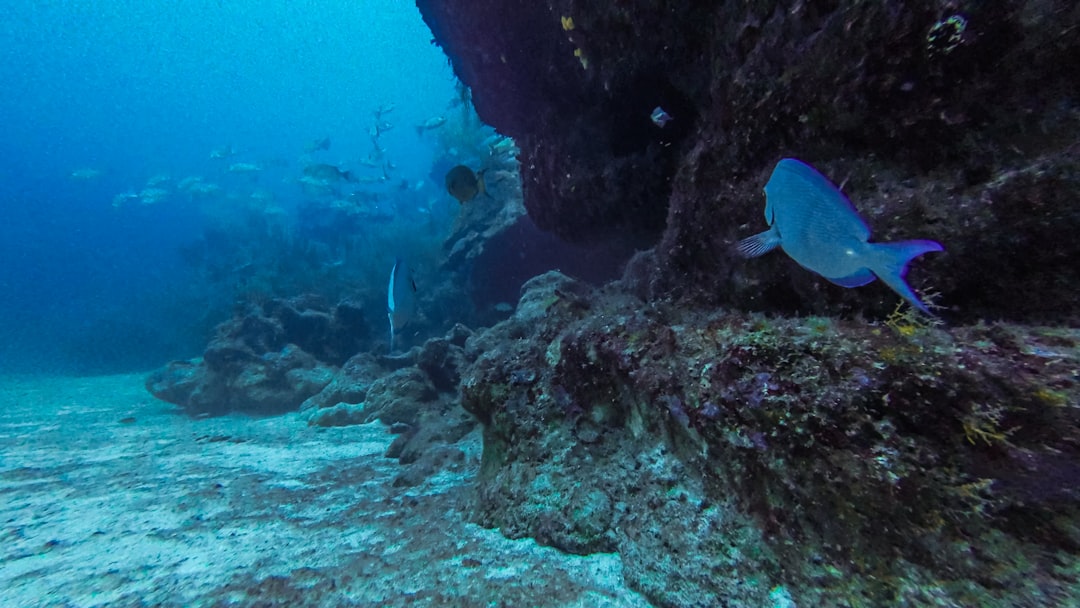
In the spring of 1900, sponge divers discovered a significant shipwreck near the Greek island of Antikythera. While conducting their regular diving operations, they encountered the remains of a vessel dating to approximately 60 BCE. This discovery would prove to be of exceptional archaeological importance.
The wreck contained numerous artifacts that demonstrated the advanced nature of ancient Mediterranean maritime commerce. Initially, the divers did not recognize the historical significance of what they had found as they began recovering objects from the seafloor. The Antikythera shipwreck served as a preserved historical record from antiquity.
As information about the find circulated in academic circles, it attracted substantial scholarly attention. Excavation of the site yielded diverse artifacts including marble statues, ceramic vessels, and currency, providing valuable evidence about economic and cultural exchange during this period. The shipwreck became an important research subject for scholars investigating ancient trade networks and technological development.
Key Takeaways
- The Antikythera shipwreck was discovered thanks to sponge divers, revealing significant ancient artifacts.
- The Antikythera Mechanism is an advanced ancient Greek technological device found in the wreck.
- Sponge divers played a crucial role in both uncovering and preserving underwater cultural heritage.
- The shipwreck provides valuable insights into ancient trade routes and Greek civilization.
- Ongoing collaboration between sponge divers and archaeologists continues to advance underwater archaeology.
The Role of Sponge Divers in Uncovering the Secrets
Sponge divers played a crucial role in the initial discovery and subsequent exploration of the Antikythera shipwreck. These skilled individuals, who had been diving for sponges in the region for generations, possessed an intimate knowledge of the underwater landscape. Their expertise allowed them to navigate the challenging depths where the wreck lay hidden.
It was their keen eyes and relentless pursuit of valuable sponges that ultimately led to the unearthing of this extraordinary archaeological site. As the divers began to recover artifacts from the wreck, they inadvertently became pioneers in underwater archaeology. Their efforts not only brought to light numerous treasures but also highlighted the importance of preserving underwater cultural heritage.
The sponge divers’ contributions were instrumental in laying the groundwork for future archaeological endeavors, as they demonstrated that significant historical artifacts could be found beneath the waves. Their work sparked interest among scholars and researchers, leading to more organized explorations of underwater sites.
The Antikythera Mechanism: A Marvel of Ancient Technology
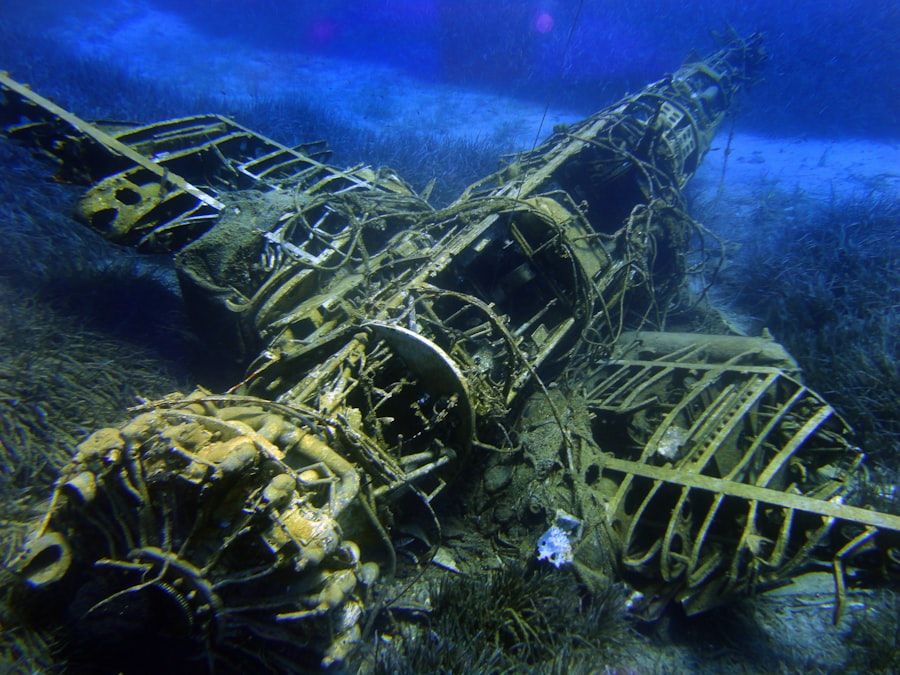
Among the many artifacts recovered from the Antikythera shipwreck, none has captured the imagination quite like the Antikythera Mechanism. This ancient device, often referred to as the world’s first analog computer, was designed to predict astronomical positions and eclipses for calendrical and astrological purposes. Its intricate gears and sophisticated design reveal a level of technological advancement that was previously thought to be unattainable in ancient times.
The mechanism’s complexity has fascinated scientists and historians alike, prompting extensive research into its construction and purpose. The device consists of a series of bronze gears that work together to calculate celestial events with remarkable accuracy. Its existence challenges long-held beliefs about the capabilities of ancient civilizations, suggesting that they possessed knowledge and skills that were far more advanced than previously recognized.
The Antikythera Mechanism stands as a testament to human ingenuity and serves as a reminder of the rich intellectual heritage of ancient Greece.
The Importance of the Antikythera Shipwreck in Understanding Ancient Trade Routes
The Antikythera shipwreck is not merely an isolated find; it is a vital piece in the puzzle of ancient trade routes across the Mediterranean. The artifacts recovered from the wreck provide invaluable insights into the economic interactions between different cultures during antiquity. By analyzing the items found at the site, researchers have been able to trace trade networks that connected distant regions, revealing how goods, ideas, and technologies were exchanged.
This suggests that ancient societies were more interconnected than previously thought, with trade playing a crucial role in cultural exchange and economic development. The Antikythera shipwreck serves as a reminder that maritime trade was not only essential for commerce but also for fostering relationships between diverse civilizations.
The Challenges of Underwater Archaeology at the Antikythera Shipwreck
| Metric | Details |
|---|---|
| Location | Antikythera, Greece |
| Discovery Year | 1900 |
| Depth of Wreck | Approximately 50 meters (164 feet) |
| Type of Ship | Ancient Roman merchant ship |
| Artifacts Found | Antikythera mechanism, statues, glassware, pottery |
| Number of Sponge Divers Involved | Approximately 10 divers |
| Duration of Initial Salvage | Several weeks in 1900 |
| Significance | Oldest known analog computer (Antikythera mechanism) |
Conducting underwater archaeology at the Antikythera shipwreck presents numerous challenges that require specialized skills and equipment. The depths at which the wreck lies can be treacherous, with strong currents and limited visibility complicating excavation efforts. Divers must navigate these difficult conditions while ensuring that delicate artifacts are not damaged during recovery.
Moreover, preserving artifacts recovered from underwater environments poses its own set of challenges. Many items are susceptible to deterioration when exposed to air after being submerged for centuries. Archaeologists must employ careful conservation techniques to ensure that these treasures can be studied and displayed without losing their historical integrity.
The complexities of underwater archaeology at Antikythera highlight the need for ongoing research and innovation in techniques used to explore and preserve submerged sites.
The Significance of the Artifacts Recovered by Sponge Divers
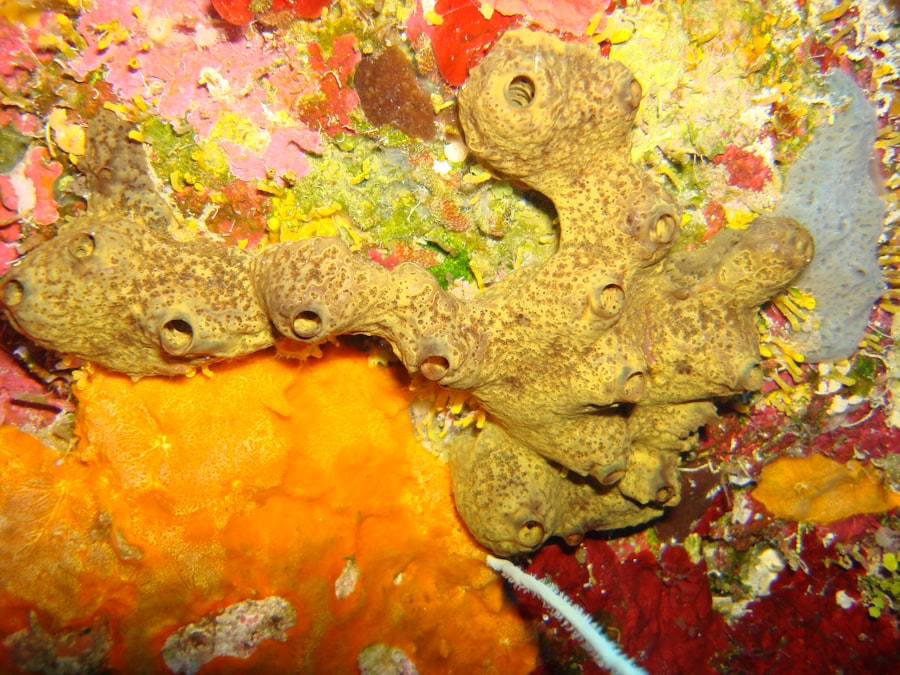
The artifacts recovered from the Antikythera shipwreck are significant not only for their historical value but also for what they reveal about ancient Greek society. Among these treasures are statues that reflect the artistic styles of the time, as well as everyday items that provide insight into daily life in antiquity. Each artifact tells a story, contributing to a broader understanding of cultural practices, trade relationships, and technological advancements.
The diversity of items found at the site underscores the complexity of ancient economies and social structures. For instance, coins discovered among the wreckage offer clues about trade practices and economic systems in place during that era. By studying these artifacts, researchers can piece together a more comprehensive picture of how ancient Greeks lived, worked, and interacted with one another and with other cultures across the Mediterranean.
The Contribution of Sponge Divers to the Preservation of Underwater Cultural Heritage
Sponge divers have played an essential role in preserving underwater cultural heritage through their discoveries and subsequent advocacy for conservation efforts. Their initial findings at sites like Antikythera have sparked interest in underwater archaeology, leading to increased awareness about the importance of protecting submerged historical sites. As custodians of these underwater treasures, sponge divers have become key figures in promoting sustainable practices that ensure these sites are preserved for future generations.
In addition to their contributions to archaeological discoveries, sponge divers have also been instrumental in raising awareness about threats facing underwater cultural heritage. Issues such as climate change, pollution, and illegal salvage operations pose significant risks to submerged sites worldwide. By sharing their experiences and knowledge, sponge divers have helped foster a greater appreciation for underwater archaeology and its significance in understanding human history.
The Ongoing Research and Exploration at the Antikythera Shipwreck
Research and exploration at the Antikythera shipwreck continue to this day, driven by advances in technology and a growing interest in underwater archaeology. Modern techniques such as 3D scanning and imaging have allowed researchers to create detailed models of artifacts without risking damage during handling. These innovations have opened new avenues for study, enabling scholars to analyze items in ways that were previously impossible.
Ongoing excavations at the site aim to uncover additional artifacts that may provide further insights into ancient maritime practices and technologies. Each new discovery adds depth to our understanding of this remarkable shipwreck and its historical context. As researchers delve deeper into the mysteries surrounding Antikythera, they continue to uncover stories that enrich our knowledge of ancient civilizations.
The Impact of the Antikythera Shipwreck on Our Understanding of Ancient Greek Civilization
The Antikythera shipwreck has had a profound impact on our understanding of ancient Greek civilization, challenging preconceived notions about its technological capabilities and cultural exchanges. The discovery of sophisticated artifacts like the Antikythera Mechanism has prompted scholars to reevaluate what they know about ancient science and engineering. This reevaluation has led to a broader appreciation for Greek contributions to knowledge and technology.
Furthermore, the shipwreck has illuminated aspects of daily life in ancient Greece that were previously overlooked. By examining everyday items alongside luxury goods, researchers can gain insights into social hierarchies, trade practices, and cultural values. The Antikythera shipwreck serves as a reminder that history is often more complex than it appears, with interconnected narratives that span time and geography.
The Collaboration Between Sponge Divers and Archaeologists in Uncovering the Secrets of the Antikythera Shipwreck
The collaboration between sponge divers and archaeologists has been instrumental in uncovering the secrets of the Antikythera shipwreck. This partnership combines traditional knowledge from experienced divers with scientific methodologies employed by archaeologists, resulting in a more comprehensive approach to exploration and preservation. Together, they have worked tirelessly to document findings and ensure that artifacts are recovered responsibly.
This collaboration has also fostered a sense of community among those involved in underwater archaeology. By sharing expertise and resources, sponge divers and archaeologists have created an environment conducive to learning and discovery. Their joint efforts have not only advanced research at Antikythera but have also set a precedent for future collaborations in underwater archaeology around the world.
The Future of Underwater Archaeology and the Role of Sponge Divers in Discovering Lost Treasures
As technology continues to evolve, so too does the field of underwater archaeology. The future holds great promise for further discoveries at sites like Antikythera, with advancements in remote sensing and robotics enabling researchers to explore previously inaccessible areas. Sponge divers will remain integral to this field, providing invaluable insights gained from years spent navigating underwater environments.
The role of sponge divers will likely expand as awareness grows about the importance of preserving underwater cultural heritage. Their unique skills will be essential in training new generations of archaeologists who seek to explore submerged sites responsibly. As they continue to uncover lost treasures from antiquity, sponge divers will play a vital role in shaping our understanding of history while advocating for sustainable practices that protect these invaluable resources for future generations.
The Antikythera shipwreck, famous for its ancient artifacts and the remarkable Antikythera mechanism, has captivated historians and archaeologists alike. For those interested in the broader context of underwater archaeology and its discoveries, a related article can be found at this link. This article delves into the techniques used by sponge divers and the significance of their findings in understanding ancient maritime trade and technology.
WATCH THIS! 🚨 Divers Found THIS at the Bottom of the Sea—Scientists Still Can’t Explain It
FAQs
What is the Antikythera shipwreck?
The Antikythera shipwreck is an ancient Greek shipwreck discovered off the coast of the island of Antikythera in the Aegean Sea. It dates back to around the 1st century BCE and is famous for the discovery of the Antikythera Mechanism, an ancient analog computer.
Who were the sponge divers associated with the Antikythera shipwreck?
The sponge divers were Greek fishermen who specialized in harvesting natural sea sponges. They are credited with discovering the Antikythera shipwreck in 1900 while diving for sponges near the island of Antikythera.
Why were sponge divers important in the discovery of the Antikythera shipwreck?
Sponge divers were crucial because their underwater diving activities led to the accidental discovery of the shipwreck. Their expertise in free diving allowed them to explore underwater sites that were otherwise inaccessible at the time.
What significant artifacts were recovered from the Antikythera shipwreck?
Among the artifacts recovered were statues, pottery, jewelry, and the Antikythera Mechanism, an ancient device believed to be used for astronomical calculations. These finds provide valuable insights into ancient Greek technology and culture.
How did sponge diving techniques contribute to the exploration of the shipwreck?
Sponge divers used breath-hold diving techniques to reach depths of up to 30 meters or more. Their skills and knowledge of the underwater environment enabled them to locate and retrieve artifacts from the shipwreck before modern diving equipment was available.
What is the historical significance of the Antikythera Mechanism found in the shipwreck?
The Antikythera Mechanism is considered the world’s oldest known analog computer. It demonstrates advanced ancient Greek knowledge of astronomy and mechanical engineering, significantly predating similar technology by over a thousand years.
Are there ongoing explorations or studies related to the Antikythera shipwreck?
Yes, archaeological teams continue to study the site and artifacts using modern technology such as underwater robotics and 3D imaging to uncover more information about the shipwreck and its cargo.
Where can I see artifacts from the Antikythera shipwreck?
Many artifacts from the Antikythera shipwreck, including the Antikythera Mechanism, are displayed at the National Archaeological Museum in Athens, Greece.