
In an age where information is readily available at the click of a button, the stories that often remain hidden are those that shape the very fabric of society. Uncovering untold histories is not merely an academic pursuit; it is a vital endeavor that seeks to illuminate the shadows of the past. These narratives, often overlooked or forgotten, hold the power to reshape perceptions, challenge dominant narratives, and foster a deeper understanding of cultural identities.
By delving into these lesser-known accounts, individuals can gain insight into the complexities of human experience, revealing the rich tapestry of history that has been woven by diverse voices. The importance of uncovering these stories cannot be overstated. They serve as a reminder that history is not a monolithic entity but rather a mosaic of experiences that reflect the multifaceted nature of humanity.
By bringing these narratives to light, historians and filmmakers alike can challenge prevailing myths and offer a more inclusive perspective on the past. This journey into the depths of history not only enriches our understanding but also encourages empathy and connection among people from different backgrounds. As society grapples with issues of representation and inclusivity, the act of uncovering untold histories becomes increasingly relevant and necessary.
Key Takeaways
- Uncovering untold histories is a vital part of understanding the full scope of human experience and shaping a more inclusive narrative of the past.
- The making of a documentary involves extensive research, behind-the-scenes work, and collaboration with historians and experts to bring forgotten stories to light.
- Unearthing forgotten stories requires a rigorous research process that involves delving into archives, conducting interviews, and piecing together fragments of history.
- The impact of untold histories on society is profound, as it challenges dominant narratives, promotes empathy, and fosters a deeper understanding of diverse experiences.
- Interviews with historians and experts provide valuable insights into the significance of uncovering untold histories and the challenges of bringing these stories to the screen.
The Making of the Documentary: Behind the Scenes
The process of creating a documentary focused on untold histories is both exhilarating and challenging. Behind the scenes, a dedicated team works tirelessly to bring these stories to life. From researchers and writers to cinematographers and editors, each member plays a crucial role in ensuring that the narrative is not only compelling but also accurate.
The initial stages often involve brainstorming sessions where ideas are exchanged, and potential stories are evaluated for their significance and impact. This collaborative effort sets the foundation for a project that aspires to resonate with audiences on multiple levels. As the documentary begins to take shape, logistical challenges arise.
Securing funding, obtaining permissions for archival materials, and coordinating interviews with historians and subjects can be daunting tasks. However, the passion for uncovering these narratives drives the team forward. They understand that each story has the potential to inspire change and provoke thought.
The behind-the-scenes work is not just about technical execution; it is about fostering a sense of responsibility to honor the voices of those whose stories have been marginalized or silenced. This commitment to authenticity and respect is what ultimately elevates the documentary from mere entertainment to a powerful tool for education and awareness.
Unearthing Forgotten Stories: The Research Process
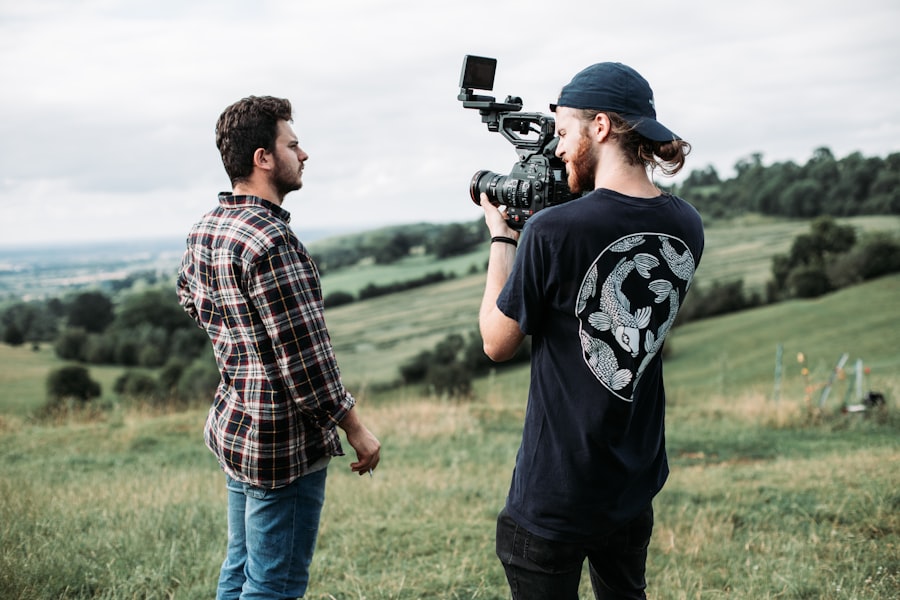
The research process is a critical component in unearthing forgotten stories. It requires meticulous attention to detail and an unwavering commitment to accuracy. Researchers often begin by scouring archives, libraries, and online databases for primary sources that can provide insight into the lives of individuals or communities that have been overlooked in mainstream narratives.
This phase can be both rewarding and frustrating; while some stories emerge easily from dusty files, others may require digging through layers of misinformation or bias. In addition to traditional research methods, oral histories play a vital role in this process. Engaging with community members who possess firsthand knowledge can yield invaluable insights that are often absent from written records.
These conversations not only enrich the narrative but also help to humanize historical figures who might otherwise remain distant or abstract. By weaving together various strands of evidence—documents, photographs, and personal testimonies—researchers can construct a more nuanced understanding of the past. This comprehensive approach ensures that the documentary reflects a diverse array of perspectives, ultimately leading to a richer storytelling experience.
The Impact of Untold Histories on Society
| Impact of Untold Histories on Society |
|---|
| 1. Misunderstanding of current social issues |
| 2. Lack of empathy and understanding towards marginalized communities |
| 3. Inaccurate perceptions of cultural and societal norms |
| 4. Hindrance to reconciliation and healing from historical traumas |
| 5. Limitation of comprehensive education and awareness |
The impact of uncovering untold histories extends far beyond the realm of academia or film. These narratives have the power to influence societal attitudes, challenge stereotypes, and foster dialogue among different communities. When audiences are exposed to stories that deviate from conventional historical accounts, they are prompted to reconsider their own beliefs and assumptions.
This process can lead to greater empathy and understanding, as individuals recognize the shared humanity that transcends cultural boundaries. Moreover, untold histories often serve as catalysts for social change. By highlighting injustices or overlooked contributions, these narratives can inspire activism and advocacy.
For instance, documentaries that shed light on marginalized communities may galvanize viewers to support movements aimed at rectifying historical wrongs or promoting equity. In this way, uncovering untold histories becomes not just an exploration of the past but also a call to action for a more just future.
Interviews with Historians and Experts
Interviews with historians and experts provide invaluable context and depth to the documentary’s narrative. These conversations allow viewers to engage with knowledgeable individuals who have dedicated their careers to studying specific aspects of history. Through their insights, audiences gain a deeper appreciation for the complexities surrounding untold stories and the significance of preserving them.
Historians often share their own journeys of discovery, recounting how they stumbled upon hidden narratives that reshaped their understanding of historical events. Furthermore, these interviews serve as a bridge between academic scholarship and public discourse. Experts articulate the importance of recognizing diverse perspectives in history, emphasizing that every story contributes to a more comprehensive understanding of our collective past.
Their voices lend credibility to the documentary while also inviting viewers to reflect critically on their own interpretations of history. By incorporating expert opinions, filmmakers can elevate the conversation surrounding untold histories, encouraging audiences to engage with these narratives on a deeper level.
Uncovering Untold Histories: A Journey of Discovery
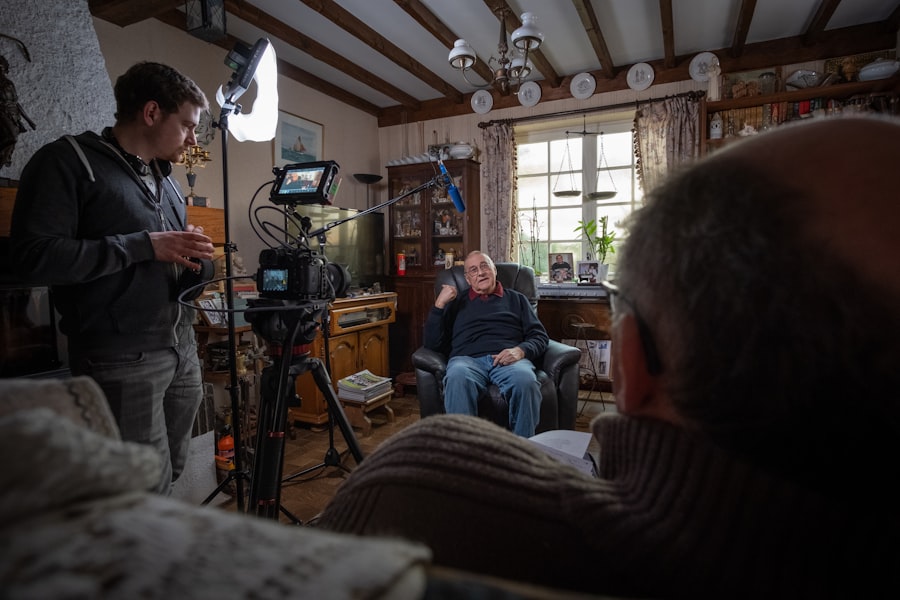
The journey of uncovering untold histories is often marked by moments of serendipity and revelation. As researchers delve into archives or conduct interviews, they may encounter unexpected connections or discover artifacts that illuminate previously obscured narratives. Each new piece of information adds layers to the story being told, transforming it into a rich tapestry woven from diverse threads of experience.
This process is not merely about gathering facts; it is about piecing together a narrative that resonates with authenticity and emotional depth. Moreover, this journey is inherently personal for those involved in the project. Filmmakers and researchers often find themselves emotionally invested in the stories they uncover, forging connections with individuals whose lives have been shaped by historical events.
This emotional engagement enhances the storytelling process, allowing filmmakers to convey not just facts but also feelings—joy, sorrow, resilience—through their work. As they navigate this journey of discovery, they become conduits for voices that have long been silenced, ensuring that these narratives are not lost to time.
Bringing Untold Histories to the Screen: The Filmmaking Process
The transition from research to production marks a pivotal moment in bringing untold histories to life on screen. Filmmakers must carefully consider how best to visually represent these narratives while remaining true to their essence. This involves selecting appropriate locations for filming, crafting compelling visuals, and determining how best to weave together interviews, archival footage, and reenactments if necessary.
Each decision made during this phase has implications for how audiences will perceive and connect with the stories being told. Editing plays a crucial role in shaping the final product as well. It is during this stage that filmmakers refine their narrative structure, ensuring that each segment flows seamlessly into the next while maintaining viewer engagement.
Ultimately, bringing untold histories to the screen requires not only technical skill but also an artistic vision that honors the integrity of the stories being shared.
The Importance of Preserving Untold Histories
Preserving untold histories is essential for fostering a more inclusive understanding of our collective past. As societies evolve and demographics shift, it becomes increasingly important to document diverse experiences that may otherwise be forgotten or marginalized. By actively seeking out these narratives, historians and filmmakers contribute to a broader cultural memory that acknowledges all voices—especially those that have been silenced or overlooked throughout history.
Moreover, preserving these stories serves as a safeguard against historical amnesia. In an era where misinformation can spread rapidly through digital platforms, having access to well-researched accounts rooted in lived experiences becomes paramount. Untold histories provide counter-narratives that challenge dominant discourses and encourage critical thinking among audiences.
By ensuring that these stories are recorded and shared widely, society can cultivate a more informed citizenry capable of engaging thoughtfully with contemporary issues.
Uncovering Untold Histories: Shedding Light on Overlooked Narratives
The act of shedding light on overlooked narratives is transformative—not only for those whose stories are being told but also for society at large. When filmmakers choose to focus on untold histories, they invite audiences into worlds that may be unfamiliar or uncomfortable yet profoundly important for understanding human experience. These narratives often reveal systemic injustices or cultural contributions that have been erased from mainstream discourse, prompting viewers to confront uncomfortable truths about their own histories.
By bringing these stories into public consciousness, filmmakers play a crucial role in reshaping societal narratives around identity, race, gender, and class. They challenge viewers to question established norms and consider alternative perspectives that enrich their understanding of history’s complexities. In doing so, they foster an environment where dialogue can flourish—one where individuals feel empowered to share their own experiences while learning from others’.
This exchange ultimately strengthens community bonds and promotes greater empathy across diverse populations.
The Reception of Untold Histories: Audience Reactions and Reviews
The reception of documentaries focused on untold histories often varies widely among audiences but generally elicits strong emotional responses. Viewers may find themselves moved by personal stories that resonate with their own experiences or challenged by narratives that confront long-held beliefs about history. Reviews frequently highlight how these films provoke thought and discussion among viewers—encouraging them not only to reflect on what they have learned but also to engage with others in meaningful conversations about history’s implications for contemporary society.
Critics often praise documentaries that successfully balance emotional storytelling with rigorous research; such films are seen as valuable contributions to public discourse around history and identity. Audience reactions can also lead to increased interest in related topics or inspire individuals to seek out further information about marginalized communities or events previously unknown to them. In this way, documentaries serve as catalysts for broader societal engagement with history—encouraging viewers not just to consume content passively but actively participate in ongoing conversations about our shared past.
The Legacy of Uncovering Untold Histories
The legacy of uncovering untold histories extends far beyond individual documentaries; it represents a collective commitment to honoring diverse experiences within our shared narrative tapestry. By amplifying voices that have long been silenced or overlooked, historians and filmmakers contribute significantly toward creating an inclusive cultural memory—one where all stories matter equally regardless of their origins or contexts. As society continues grappling with issues related to representation and equity today—whether through education systems or media portrayals—the importance of preserving these narratives becomes increasingly clear.
Uncovering untold histories not only enriches our understanding but also fosters empathy among individuals from different backgrounds—ultimately paving pathways toward greater social cohesion. In conclusion, uncovering untold histories is not merely an academic exercise; it is an essential endeavor that shapes how societies understand themselves and one another over time. Through diligent research efforts combined with creative storytelling techniques employed by filmmakers today—these narratives will continue resonating across generations—ensuring they remain alive within public consciousness long after their initial telling has faded away into memory itself.
In the fascinating documentary about hidden history, viewers are taken on a journey through time, uncovering stories that have long been buried beneath the sands of time. For those interested in delving deeper into these intriguing tales, a related article can be found on Real Lore and Order’s website. This article provides additional insights and context, enriching the viewer’s understanding of the documentary’s themes. To explore this further, you can visit the article by clicking on this link: Real Lore and Order.
WATCH THIS! The Lost Tech They Buried to Control Us
FAQs
What is a documentary about hidden history?
A documentary about hidden history is a film that explores historical events, people, or phenomena that have been overlooked, suppressed, or misrepresented in mainstream historical narratives.
What are some examples of hidden history documentaries?
Examples of hidden history documentaries include “The Untold History of the United States” by Oliver Stone, “The Act of Killing” by Joshua Oppenheimer, and “13th” by Ava DuVernay.
How are hidden history documentaries different from traditional historical documentaries?
Hidden history documentaries often challenge conventional historical narratives and seek to uncover marginalized or suppressed perspectives. They may also focus on controversial or taboo subjects that are not widely discussed in mainstream historical documentaries.
Why are hidden history documentaries important?
Hidden history documentaries are important because they shed light on overlooked or misrepresented aspects of history, providing a more comprehensive and nuanced understanding of the past. They also encourage critical thinking and challenge the dominant historical narratives.
Where can I watch hidden history documentaries?
Hidden history documentaries can be found on streaming platforms such as Netflix, Amazon Prime, and Hulu, as well as on dedicated documentary channels and websites. They may also be available for purchase or rental on DVD or Blu-ray.