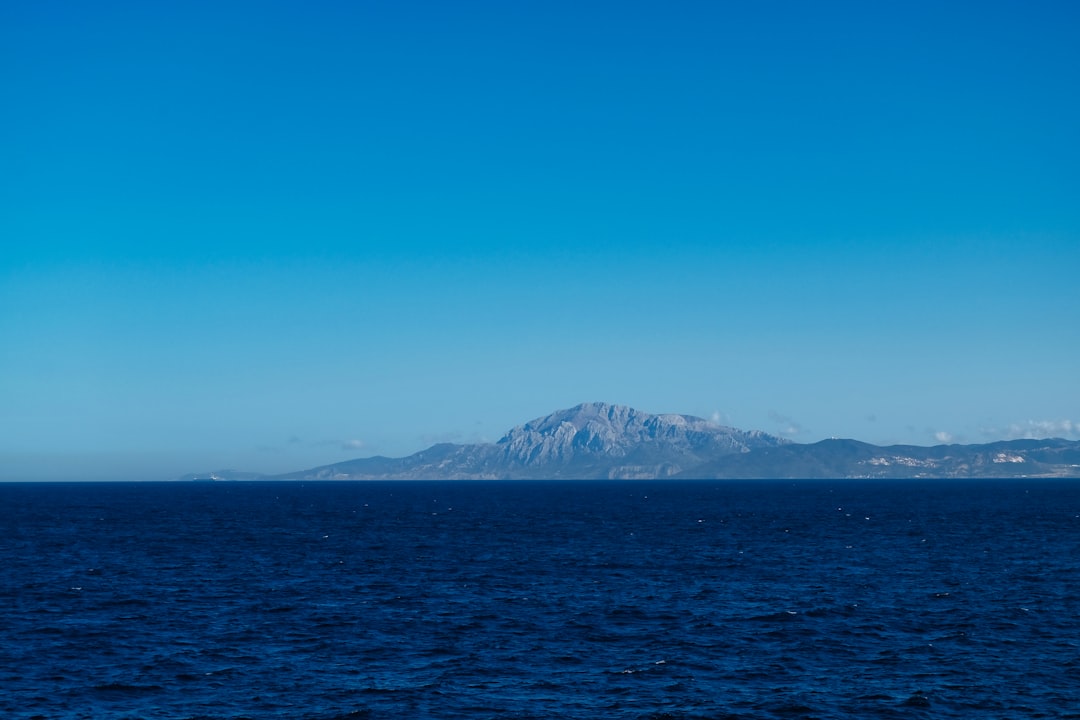
Geopolitics is a field of study that examines how geography influences international politics and relations. It analyzes the impact of geographical factors—including location, natural resources, and physical terrain—on political power dynamics between nations. Geopolitics explores the relationship between geography and political behavior, offering insights into how states interact globally.
Beyond examining maps and borders, this discipline addresses the strategic considerations that shape national foreign policies and diplomatic relations. Geopolitics fundamentally focuses on how power and resources are distributed worldwide. It investigates how geographical features create competitive advantages or disadvantages for countries, thereby influencing their foreign policies and international strategies.
For example, nations with abundant natural resources often exercise considerable influence in global markets, while resource-scarce nations may face strategic disadvantages. Through this analysis, geopolitics provides a framework for understanding why states pursue particular actions and how these decisions affect global stability and security.
Key Takeaways
- Geopolitics studies the influence of geography on political power and international relations.
- Historical geopolitical theories shape how nations pursue power and security.
- Geography plays a crucial role in determining strategic advantages and vulnerabilities.
- Geopolitical conflicts and alliances significantly impact global stability and economic interests.
- The future of geopolitics will be shaped by evolving power dynamics, technology, and environmental challenges.
The History of Geopolitics
The roots of geopolitics can be traced back to the late 19th and early 20th centuries, when scholars began to systematically analyze the relationship between geography and politics. One of the earliest proponents of geopolitical thought was Friedrich Ratzel, a German geographer whose work emphasized the importance of territory in state power. Ratzel’s ideas laid the groundwork for later theorists who would further develop the field, including Halford Mackinder, who introduced the concept of the “Heartland” as a pivotal area for global dominance.
Throughout the 20th century, geopolitics evolved in response to significant historical events, including two World Wars and the Cold War. The geopolitical landscape was dramatically reshaped by these conflicts, as nations sought to expand their influence and secure strategic advantages. The Cold War era, in particular, saw a heightened focus on ideological divides and military alliances, with geopolitics serving as a lens through which to understand the tensions between superpowers.
As globalization progressed in the late 20th century, the field of geopolitics adapted to incorporate new dimensions, such as economic interdependence and transnational issues. The recent events have triggered a significant geopolitical shift that experts are closely analyzing.
Key Concepts in Geopolitics
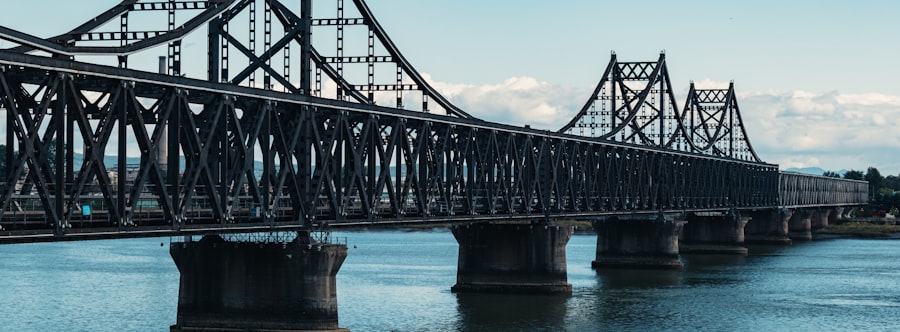
Several key concepts underpin the study of geopolitics, each contributing to a deeper understanding of international relations. One fundamental concept is “territoriality,” which refers to the ways in which states assert control over geographic areas. Territorial disputes often lead to conflicts, as nations vie for control over land that holds strategic or economic value.
This concept highlights the significance of borders and sovereignty in shaping political interactions. Another important concept is “geostrategy,” which involves the strategic use of geographical advantages to achieve political objectives. States often formulate their foreign policies based on their geographic positioning, considering factors such as proximity to allies or adversaries, access to trade routes, and control over vital resources.
Geostrategy plays a crucial role in military planning and diplomatic negotiations, as nations seek to leverage their geographical strengths while mitigating vulnerabilities.
Geopolitical Theories and Approaches
Geopolitical theories provide frameworks for analyzing international relations through a geographical lens. One prominent theory is “Mackinder’s Heartland Theory,” which posits that control over Eastern Europe and Central Asia—the so-called “Heartland”—is essential for global dominance. Mackinder argued that whoever controls this region would have the resources and strategic advantage to influence global affairs significantly.
In contrast, Nicholas Spykman’s “Rimland Theory” emphasized the importance of coastal regions surrounding Eurasia rather than its interior. Spykman contended that these areas were critical for containing potential threats from land-based powers. These theories illustrate how different geopolitical perspectives can shape national strategies and alliances, influencing how states position themselves in relation to one another.
The Role of Geography in Geopolitics
| Term | Definition | Example | Importance |
|---|---|---|---|
| Geopolitics | The study of how geography, economics, and politics influence global power and relations. | How control of oil-rich regions affects international relations. | Helps understand global conflicts and alliances. |
| Territorial Disputes | Conflicts over land or maritime boundaries between countries. | South China Sea disputes among multiple countries. | Can lead to diplomatic tensions or military conflicts. |
| Superpower | A country with dominant influence economically, militarily, and politically worldwide. | United States during the Cold War. | Shapes global policies and security. |
| Alliance | A formal agreement between countries for mutual benefit and protection. | NATO (North Atlantic Treaty Organization). | Enhances security and political influence. |
| Soft Power | The ability to influence others through culture, values, and diplomacy rather than force. | Spreading cultural products like movies and music. | Builds positive international relationships. |
| Hard Power | Using military and economic means to influence other countries. | Military interventions or economic sanctions. | Directly enforces a country’s interests. |
| Globalization | The increasing interconnectedness of countries through trade, communication, and culture. | International trade agreements and internet connectivity. | Impacts economic growth and political cooperation. |
Geography plays a pivotal role in shaping geopolitical dynamics, influencing everything from resource distribution to military strategy. Natural features such as mountains, rivers, and oceans can serve as barriers or conduits for movement and communication, affecting how states interact with one another. For example, countries separated by vast oceans may have less frequent interactions than those sharing land borders, leading to different geopolitical considerations.
Additionally, geographical factors can dictate resource availability, which in turn influences economic power. Nations rich in oil or minerals often find themselves at the center of geopolitical competition, as other states seek access to these valuable resources. The strategic importance of certain regions—such as the Middle East for its oil reserves—highlights how geography can dictate not only economic interests but also military engagements and alliances.
Geopolitical Power and Influence
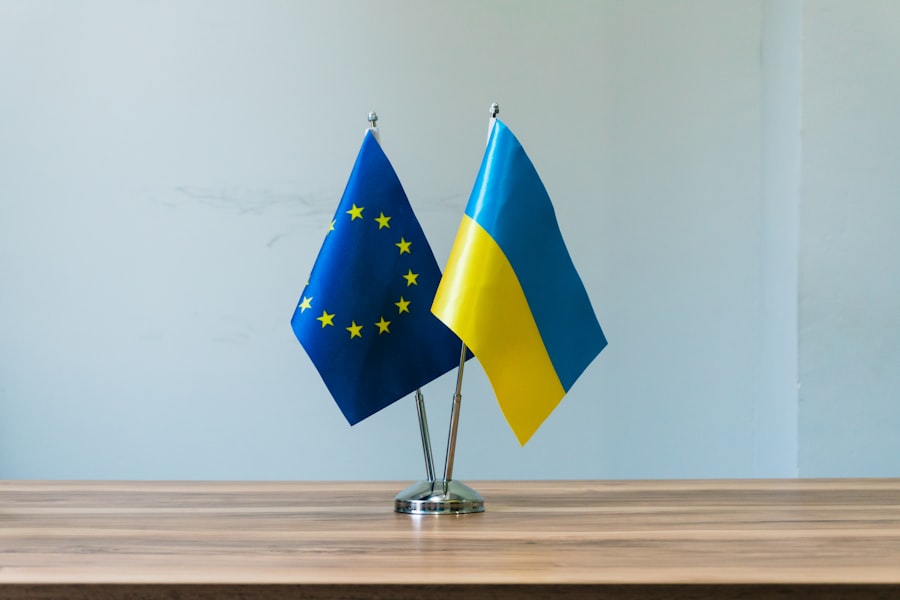
Geopolitical power is often measured by a nation’s ability to project influence beyond its borders. This influence can manifest in various forms, including military might, economic strength, and diplomatic relationships. Countries with significant military capabilities can deter potential adversaries and assert their interests globally.
Conversely, economic power allows nations to leverage trade relationships and investment opportunities to enhance their geopolitical standing. Soft power is another dimension of geopolitical influence that has gained prominence in recent years. This concept refers to a nation’s ability to shape preferences and attract others through cultural appeal, values, and diplomacy rather than coercion or force.
Countries like the United States have historically utilized soft power through cultural exports such as music, film, and education to enhance their global image and foster alliances.
Geopolitical Conflicts and Alliances
Geopolitical conflicts often arise from competition over resources, territorial disputes, or ideological differences. Historical examples abound, from World War I’s complex web of alliances to contemporary tensions in regions like the South China Sea. These conflicts can escalate quickly due to underlying geopolitical rivalries, leading to military confrontations or prolonged standoffs.
Alliances play a crucial role in shaping geopolitical landscapes by providing states with security guarantees and collective defense mechanisms. Organizations such as NATO exemplify how countries band together to counter perceived threats. However, alliances can also create friction when member states have divergent interests or when external pressures challenge their unity.
The dynamics of alliances are constantly evolving as nations reassess their geopolitical priorities in response to changing global circumstances.
The Impact of Geopolitics on Global Affairs
Geopolitics significantly influences global affairs by shaping international policies and responses to crises. For instance, geopolitical considerations often drive decisions related to trade agreements, military interventions, and humanitarian aid efforts. Nations may prioritize their strategic interests over humanitarian concerns when responding to conflicts or crises in other regions.
Moreover, geopolitical shifts can lead to realignments in global power structures. The rise of emerging economies such as China has prompted established powers like the United States to reevaluate their strategies and alliances. As new players enter the geopolitical arena, traditional power dynamics are challenged, leading to a more multipolar world where multiple nations exert influence on global affairs.
Geopolitics and International Relations
The study of geopolitics is intrinsically linked to international relations, as it provides a framework for understanding how states interact on the global stage. International relations theories—such as realism and liberalism—often incorporate geopolitical considerations into their analyses. Realists emphasize the role of power dynamics and national interests in shaping state behavior, while liberals focus on cooperation and institutions.
Geopolitical analysis enriches these theoretical frameworks by highlighting how geographical factors influence state actions. For example, a realist perspective may emphasize a state’s need for security in a hostile environment shaped by geographical vulnerabilities. In contrast, a liberal approach may focus on how geographic proximity facilitates cooperation among neighboring states through trade agreements or regional organizations.
Geopolitics and Economic Interests
Economic interests are deeply intertwined with geopolitics, as nations seek to secure resources and markets that enhance their prosperity and security. Access to energy resources like oil and natural gas often drives geopolitical strategies, leading countries to forge alliances or engage in conflicts over resource-rich regions. The competition for control over trade routes also underscores the economic dimensions of geopolitics.
Furthermore, globalization has intensified economic interdependence among nations, complicating geopolitical calculations. While economic ties can foster cooperation and stability, they can also create vulnerabilities if countries become overly reliant on specific partners for critical resources or markets. As nations navigate this complex landscape, they must balance their economic interests with broader geopolitical considerations.
The Future of Geopolitics
The future of geopolitics is likely to be shaped by several emerging trends that reflect changes in global power dynamics and technological advancements. The rise of non-state actors—such as multinational corporations and terrorist organizations—challenges traditional notions of state sovereignty and complicates geopolitical calculations.
Additionally, climate change is poised to become a significant factor in geopolitics as its impacts exacerbate resource scarcity and drive migration patterns. Nations will need to navigate these challenges while addressing their own vulnerabilities related to environmental changes. As geopolitical landscapes continue to evolve in response to these trends, states will need to adapt their strategies to maintain relevance in an increasingly interconnected world.
In conclusion, geopolitics remains a vital field of study that offers insights into the complex interplay between geography and international relations. By examining historical developments, key concepts, theories, and contemporary challenges, one can better understand how geographical factors shape global affairs today and will continue to do so in the future.
For those looking to understand the complexities of geopolitics in a straightforward manner, a great resource is the article available at