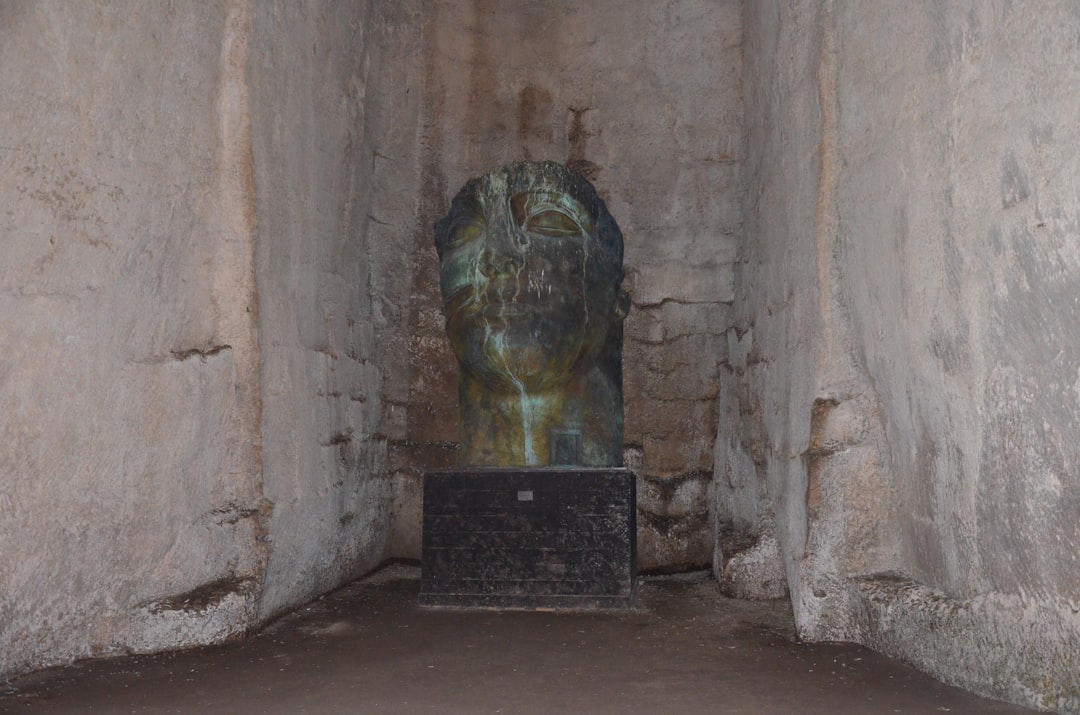
As you delve into the annals of history, you may find yourself captivated by the notion of suppressed ancient civilizations. These societies, often overshadowed by more dominant cultures, have left behind remnants that suggest they possessed knowledge and technologies far beyond what is commonly acknowledged. The idea that advanced civilizations existed and were subsequently marginalized or erased from mainstream historical narratives invites you to question the accepted timeline of human development.
What if the stories of these civilizations hold the key to understanding our own technological evolution? The allure of suppressed ancient civilizations lies not only in their potential achievements but also in the mysteries that surround them. You might wonder what secrets lie buried beneath the sands of time, waiting to be uncovered.
From the enigmatic structures of the Indus Valley to the sophisticated urban planning of the Mesoamerican cultures, these remnants challenge your perception of what ancient societies were capable of. As you explore this topic, you will encounter evidence that suggests a rich tapestry of human ingenuity, one that has been largely overlooked or deliberately obscured.
Key Takeaways
- Ancient civilizations possessed advanced technologies that challenge conventional historical narratives.
- Evidence suggests deliberate suppression of ancient technological knowledge throughout history.
- Ancient engineering marvels reveal sophisticated scientific and astronomical understanding.
- The influence of ancient technology continues to shape modern society and scientific advancements.
- Ongoing research aims to uncover lost knowledge, offering new insights into humanity’s technological past.
Evidence of Advanced Technology in Ancient Civilizations
When you examine the artifacts and structures left behind by ancient civilizations, you may be struck by the sophistication of their technology. For instance, consider the precision with which the pyramids of Giza were constructed. The alignment of these monumental structures with celestial bodies demonstrates a level of astronomical knowledge that seems almost unfathomable for their time.
You might find it fascinating that such engineering feats were achieved without the modern tools and machinery we take for granted today. Moreover, ancient texts and inscriptions often hint at advanced technologies that have yet to be fully understood. The ancient Greeks, for example, developed complex machines like the Antikythera mechanism, which is considered an early analog computer used for astronomical calculations.
As you explore these examples, you may begin to appreciate how these civilizations harnessed their understanding of mathematics and physics to create tools and structures that served both practical and ceremonial purposes. The evidence suggests that these societies were not merely primitive; they were innovators in their own right.
The Suppression of Advanced Technology in History
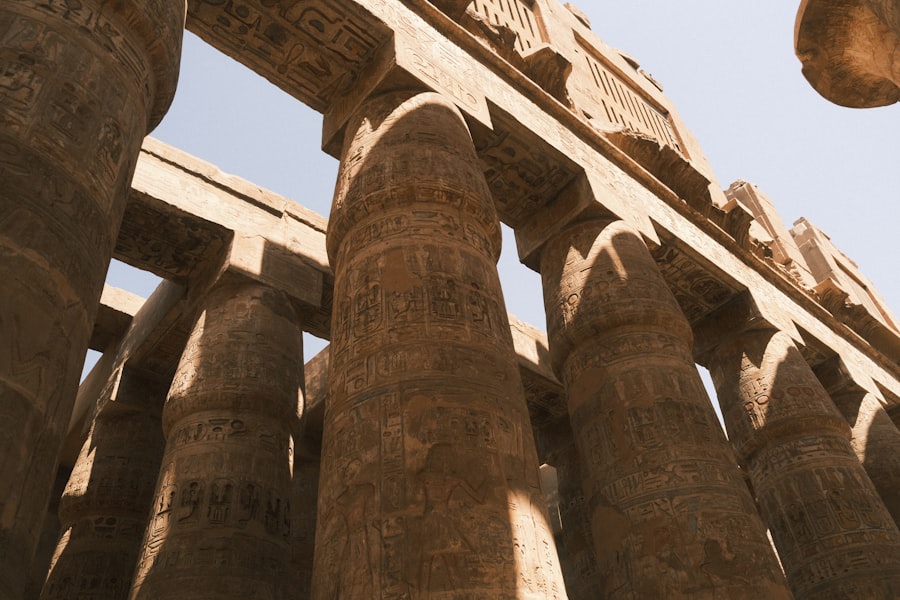
The narrative of history is often shaped by those in power, and as you investigate the suppression of advanced technology, you may uncover instances where knowledge was deliberately hidden or lost. Throughout history, dominant cultures have frequently sought to erase or diminish the contributions of others, leading to a skewed understanding of technological progress. You might consider how the rise of empires often coincided with the suppression of local knowledge systems, as conquerors imposed their own beliefs and practices.
This suppression can take many forms, from the destruction of libraries and texts to the vilification of certain scientific ideas. For example, during the Renaissance, many ancient texts were rediscovered, but not all knowledge was welcomed; some ideas were deemed heretical and were actively suppressed. As you reflect on these historical patterns, you may begin to see how the loss of knowledge has shaped our understanding of civilization’s trajectory.
The implications are profound: what advancements have we lost due to this selective amnesia?
Uncovering Ancient Engineering Marvels
As you embark on a journey to uncover ancient engineering marvels, you will encounter sites that defy conventional explanations. The construction techniques used in places like Machu Picchu or Stonehenge raise questions about the capabilities of their builders. You might find it intriguing that these structures were not only functional but also deeply symbolic, reflecting a sophisticated understanding of their environment and cosmology.
The precision with which stones were cut and placed suggests a level of craftsmanship that challenges your assumptions about ancient peoples. Archaeological discoveries continue to reveal new insights into these engineering feats. For instance, recent excavations at Göbekli Tepe have uncovered monumental stone structures that predate known civilizations by thousands of years.
As you learn about these findings, you may feel a sense of wonder at the ingenuity displayed by our ancestors. Each discovery adds another layer to the narrative of human achievement, prompting you to reconsider what it means to be “advanced” in terms of technology and societal organization.
The Role of Ancient Civilizations in Scientific Advancements
| Ancient Civilization | Suppressed Historical Evidence | Advanced Technology | Type of Technology | Possible Reason for Suppression |
|---|---|---|---|---|
| Ancient Egypt | Hidden chambers and advanced construction techniques | Precision stone cutting | Architecture and engineering | Control of historical narrative and religious influence |
| Sumerians | Knowledge of advanced metallurgy and astronomy | Early writing system (cuneiform) and irrigation | Communication and agriculture | Loss of records and cultural assimilation |
| Indus Valley Civilization | Urban planning and sanitation systems | Advanced drainage and water management | Urban engineering | Undeciphered script and limited archaeological focus |
| Ancient Greece | Suppressed inventions and philosophical knowledge | Early robotics and mechanical devices | Mechanical engineering | Political shifts and loss of texts |
| Pre-Columbian Americas | Advanced metallurgy and architectural techniques | Stone masonry and astronomical observatories | Architecture and astronomy | Colonial destruction and cultural erasure |
Ancient civilizations played a crucial role in laying the groundwork for modern scientific advancements. As you explore this theme, you may find it enlightening to consider how early astronomers, mathematicians, and philosophers contributed to our understanding of the natural world. The Babylonians’ meticulous observations of celestial bodies and their development of a calendar system exemplify how ancient peoples sought to make sense of their surroundings through systematic study.
Furthermore, the contributions of ancient Greeks like Archimedes and Pythagoras laid foundational principles in mathematics and physics that continue to influence contemporary science.
As you reflect on this legacy, it becomes clear that ancient civilizations were not merely passive observers; they were active participants in the quest for knowledge, shaping the intellectual landscape for generations to come.
The Influence of Ancient Technology on Modern Society
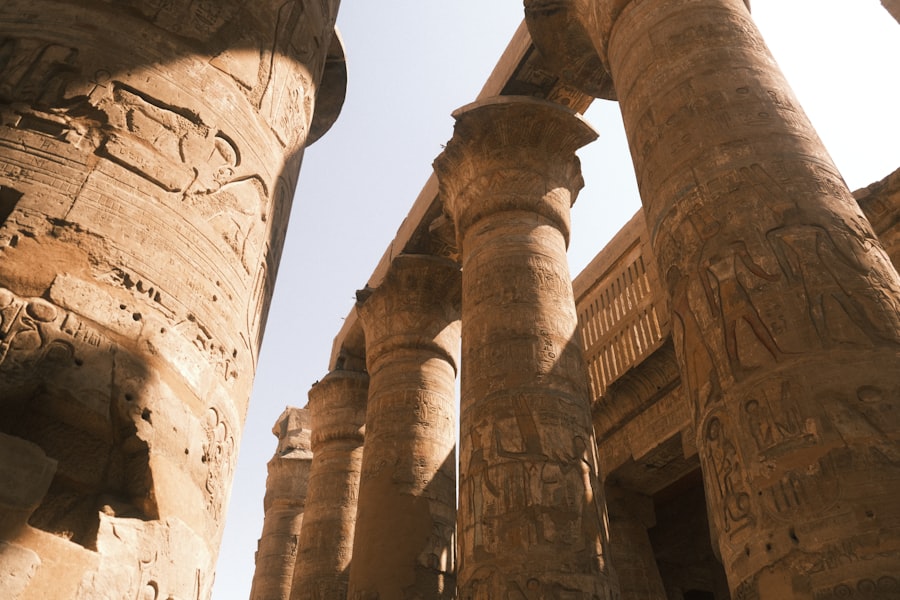
The influence of ancient technology on modern society is profound yet often overlooked. As you navigate through history, you may recognize that many contemporary innovations are built upon principles established by ancient cultures.
You might find it fascinating how these early innovations in water management allowed societies to flourish and sustain larger populations. Moreover, architectural styles and engineering principles from ancient Rome continue to inform modern construction practices. The use of arches and aqueducts exemplifies how ancient engineers solved complex problems related to infrastructure and urban planning.
As you consider these connections, it becomes evident that our modern world is intricately linked to the achievements of those who came before us. This realization may inspire you to appreciate the depth of human creativity and resilience throughout history.
The Mysteries of Ancient Astronomical Knowledge
The astronomical knowledge possessed by ancient civilizations is a captivating subject that invites you to ponder how they perceived the cosmos. Cultures such as the Maya and Egyptians developed intricate calendars based on celestial events, demonstrating a sophisticated understanding of astronomy that was essential for agricultural planning and religious ceremonies. You might be intrigued by how these societies aligned their monuments with celestial bodies, suggesting a deep connection between their spiritual beliefs and their observations of the night sky.
As you explore this topic further, consider how ancient astronomers utilized their knowledge to navigate vast distances and predict seasonal changes. The Polynesians, for example, relied on stellar navigation to traverse the Pacific Ocean long before modern navigational tools were invented. This mastery over celestial navigation not only showcases their ingenuity but also highlights a profound relationship between humanity and the cosmos.
As you reflect on these mysteries, you may find yourself drawn into a world where science and spirituality intertwined seamlessly.
The Connection Between Ancient Civilizations and Energy Sources
The connection between ancient civilizations and energy sources is another fascinating area worth exploring. You may discover that many ancient cultures harnessed natural resources in innovative ways that allowed them to thrive in diverse environments. For instance, the use of wind power in ancient Persia for irrigation systems illustrates an early understanding of renewable energy sources long before they became a modern concern.
Additionally, ancient societies often utilized geothermal energy for heating and cooking purposes. The Romans famously built baths powered by hot springs, showcasing their ability to harness natural phenomena for practical use. As you delve into these examples, it becomes clear that ancient peoples had a remarkable understanding of their environment and its resources.
This awareness not only enabled them to survive but also laid the groundwork for future generations to explore sustainable energy solutions.
The Impact of Advanced Technology on Ancient Societies
The impact of advanced technology on ancient societies cannot be overstated; it shaped their social structures, economies, and cultural practices in profound ways. As you examine this relationship, consider how innovations such as metallurgy transformed communities by enabling more efficient tools and weapons production. This technological advancement often led to shifts in power dynamics as societies adapted to new methods of warfare and agriculture.
Moreover, communication technologies like writing systems facilitated record-keeping and administration, allowing for more complex governance structures to emerge. You might find it interesting how these advancements contributed to the rise of empires and trade networks that connected distant cultures. As you reflect on this interplay between technology and society, it becomes evident that advancements were not merely tools; they were catalysts for change that shaped human history in significant ways.
The Quest for Unearthing Lost Knowledge and Technology
The quest for unearthing lost knowledge and technology is an ongoing endeavor that captivates archaeologists, historians, and enthusiasts alike. As you engage with this pursuit, you may feel a sense of excitement at the prospect of discovering artifacts or texts that could reshape our understanding of ancient civilizations. Each excavation or research project holds the potential for groundbreaking revelations that challenge established narratives.
You might also consider how modern technology aids in this quest; advancements in imaging techniques and data analysis allow researchers to uncover hidden layers within archaeological sites or decipher long-lost languages. As you follow this journey into the past, it becomes clear that our desire to understand lost knowledge is not merely academic; it is a reflection of our innate curiosity about who we are as a species and where we come from.
The Future of Research and Exploration in Suppressed Ancient Civilizations
Looking ahead, the future of research and exploration in suppressed ancient civilizations promises exciting possibilities. As new technologies emerge and interdisciplinary approaches gain traction, you may find yourself optimistic about uncovering truths long buried beneath layers of history. Collaborative efforts among archaeologists, historians, scientists, and indigenous communities can lead to a more nuanced understanding of our shared past.
Moreover, as global interest in sustainability grows, there is an opportunity to learn from ancient practices that prioritized harmony with nature. By studying how past societies adapted to their environments using innovative technologies, we can glean valuable insights applicable to contemporary challenges such as climate change and resource management. As you contemplate this future landscape of research and exploration, it becomes evident that our quest for knowledge is not just about uncovering what was lost; it is about forging connections between past wisdom and present challenges as we strive for a more informed future.
In exploring the intriguing concept of suppressed history within ancient civilizations, one can delve into the fascinating article that discusses advanced technologies that may have existed long before our current understanding. This article sheds light on the potential innovations and knowledge that ancient societies might have possessed, challenging the conventional narratives of history. For more insights, you can read the full article [here](https://www.realloreandorder.com/sample-page/).
WATCH THIS! 🔍 Archaeologists REFUSE to Explain This Ancient Machine
FAQs
What is meant by “suppressed history” in the context of ancient civilizations?
Suppressed history refers to the idea that certain historical facts or narratives about ancient civilizations have been deliberately hidden, ignored, or minimized by mainstream historians or authorities. This concept suggests that some knowledge about advanced technologies or achievements of ancient cultures has not been fully acknowledged or has been obscured over time.
Did ancient civilizations possess advanced technology?
Many ancient civilizations demonstrated impressive technological achievements for their time, such as the construction of the pyramids in Egypt, advanced metallurgy in the Indus Valley, and sophisticated irrigation systems in Mesopotamia. While these technologies were advanced relative to their era, they were developed using the knowledge and resources available at the time, without modern machinery or electronics.
Are there credible archaeological findings supporting the existence of advanced ancient technology?
Archaeological evidence confirms that ancient civilizations developed complex tools, architectural techniques, and engineering methods. However, claims of technologies equivalent to or surpassing modern technology are not supported by mainstream archaeology. Most findings are consistent with the technological capabilities of their respective historical periods.
Why do some people believe that history has been suppressed?
Some individuals believe history has been suppressed due to perceived inconsistencies in historical records, unexplained archaeological discoveries, or the absence of certain information in mainstream education. These beliefs are often fueled by alternative theories, speculative interpretations, or mistrust of established academic institutions.
How do historians and archaeologists approach claims of suppressed history?
Historians and archaeologists rely on evidence-based research, peer-reviewed studies, and scientific methods to evaluate historical claims. They critically assess new findings and theories, requiring verifiable data before revising established historical narratives. Extraordinary claims require extraordinary evidence.
Can ancient texts or artifacts provide insights into lost technologies?
Ancient texts and artifacts can offer valuable information about the knowledge and technologies of past civilizations. For example, ancient manuscripts describe medical practices, astronomy, and engineering techniques. However, interpretations must be cautious and contextual, avoiding projecting modern concepts onto ancient materials.
Is there a consensus among scholars about the technological capabilities of ancient civilizations?
The scholarly consensus acknowledges that ancient civilizations achieved remarkable technological feats within their historical context. While they did not possess modern technology, their innovations laid the groundwork for future developments. Claims of highly advanced or extraterrestrial technologies lack credible evidence and are not accepted by mainstream academia.
Where can I learn more about the verified history of ancient civilizations and their technologies?
Reliable information can be found in academic books, peer-reviewed journals, museum exhibits, and educational websites dedicated to archaeology and history. Institutions such as universities, national museums, and professional archaeological organizations provide well-researched resources on ancient civilizations and their technological achievements.