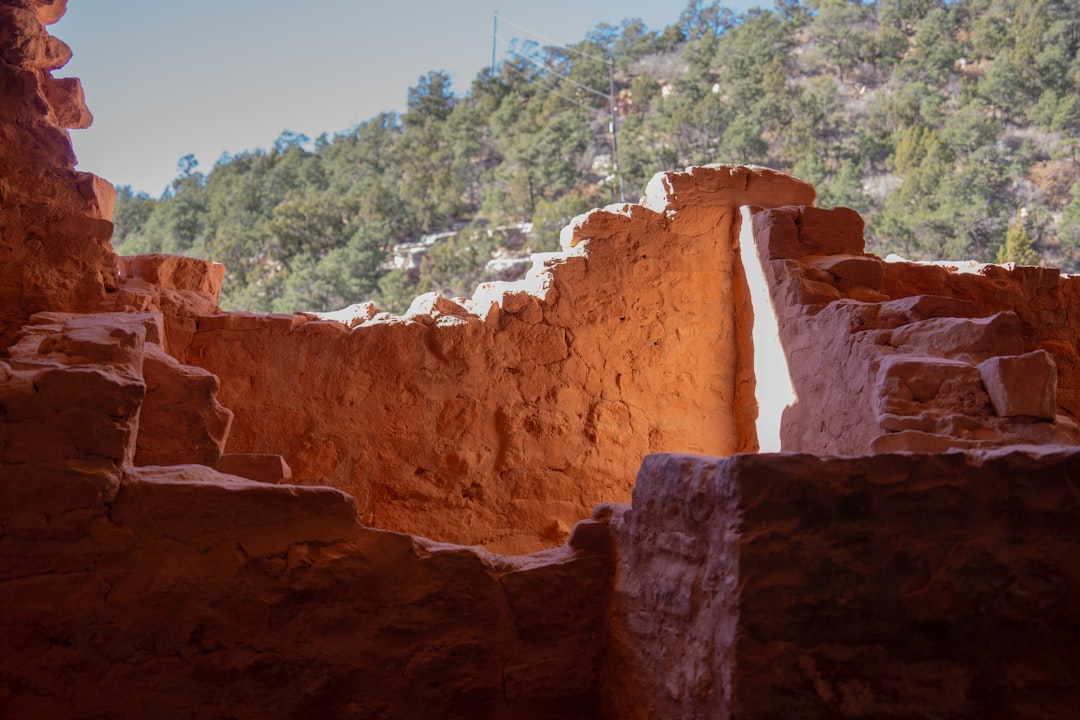
The Earth, a silent arbiter of time, meticulously guards its secrets. For millennia, civilizations have risen and fallen, their narratives etched onto the landscape, waiting for patient hands to unearth them. Archaeology, the study of human history and prehistory through the excavation of sites and the analysis of artifacts and other physical remains, serves as the key to unlocking these narratives. It is a discipline that marries scientific rigor with a profound appreciation for the past, offering a tangible connection to those who came before us. This article delves into the process of unearthing ancient archaeological discoveries, from initial identification to the intricate methods of preservation and interpretation, effectively peeling back the layers of time to reveal the foundations of human experience.
Archaeological discovery rarely begins with a serendipitous strike of a shovel. Instead, it is often a process rooted in meticulous research and systematic investigation. Researchers employ a variety of techniques to identify locations that hold the promise of ancient remains, transforming speculative notions into concrete targets for excavation.
Literary and Historical Sources
For centuries, ancient texts, historical accounts, and folklore have provided invaluable clues to the whereabouts of lost cities and forgotten civilizations. Chroniclers like Herodotus and Strabo, for example, documented the existence of numerous settlements, their descriptions occasionally precise enough to guide later archaeologists.
- Ancient Maps and Topographies: Early cartography, though sometimes inaccurate by modern standards, can depict features that indicate ancient human activity. Roman road networks, for instance, often trace routes still in use today, suggesting the potential for archaeological remnants along their paths.
- Oral Traditions and Local Knowledge: The stories passed down through generations within communities can sometimes preserve echoes of their ancestral past. Local residents’ knowledge of unusual landscape features, old ruins, or places associated with myths can act as powerful indicators for archaeological investigation. The unearthing of Troy, for instance, was heavily influenced by Heinrich Schliemann’s belief in the Homeric epic poems.
Remote Sensing Technologies
In the modern era, the scope of archaeological site identification has expanded dramatically with the advent of remote sensing technologies. These non-invasive methods allow archaeologists to survey vast areas without disturbing the ground, akin to having an X-ray vision of the subterranean world.
- Aerial Photography and Satellite Imagery: By analyzing images captured from above, archaeologists can identify anomalies in vegetation growth, subtle changes in soil color, crop marks, and geological formations that suggest buried structures or human modifications to the landscape. Drought conditions, for example, can reveal ancient irrigation systems or building foundations through differential moisture retention in the soil.
- Geophysical Surveys: These techniques involve sending energy waves into the ground and measuring their return, thereby creating a subsurface image.
- Ground-Penetrating Radar (GPR): GPR uses radio waves to detect buried objects and stratigraphic layers. It is particularly effective at identifying foundations, walls, and even individual artifacts.
- Magnetometry: This method measures variations in the Earth’s magnetic field caused by the presence of buried archaeological features such as kilns, hearths, or ditches, which tend to have different magnetic properties than the surrounding soil.
- Electrical Resistivity Tomography (ERT): ERT measures the electrical resistance of the ground, which varies depending on the composition and moisture content of the soil. Buried structures, especially those made of stone, often exhibit higher resistivity than undisturbed soil.
Recent discoveries in ancient archaeology have shed light on previously unknown civilizations and their cultures, prompting a reevaluation of historical timelines. One particularly fascinating article discusses the implications of these breakthroughs, highlighting how advanced technologies are being used to uncover artifacts that were once thought lost to time. For more insights on this topic, you can read the full article here: Ancient Archaeological Breakthroughs Revealed.
The Excavation Process: Peeling Back the Layers of Time
Once a promising site has been identified, the meticulous work of excavation begins. This is not merely digging; it is a controlled and systematic process, akin to dissecting a complex organism, where each removed layer represents a passage of time.
Systematic Grid Systems and Stratigraphy
Archaeologists employ rigorous methodologies to ensure that the context of every discovery is meticulously recorded. The law of superposition, a fundamental principle of stratigraphy, dictates that in an undisturbed sequence of sedimentary layers, the oldest layers are at the bottom and the youngest at the top.
- Establishment of a Grid: Before any soil is removed, the site is divided into a precisely measured grid system, often using a datum point as a fixed reference. This allows for accurate mapping of all findings in three dimensions – horizontally (x and y axes) and vertically (z axis).
- Excavation in Contexts (Arbitrary and Natural): Excavation proceeds layer by layer, with each layer, or “context,” carefully recorded.
- Natural Layers: Ideally, excavation follows natural stratigraphic layers, which represent distinct periods of deposition or human activity. These layers tell a story through their composition, color, and inclusions.
- Arbitrary Layers: When natural layers are not discernable or are too thick, archaeologists excavate in arbitrary, pre-defined levels (e.g., 10 cm deep). While less ideal, this ensures vertical control over discoveries.
Documentation and Recovery
Every step of the excavation is meticulously documented, creating a comprehensive record that will be analyzed long after the field season concludes. This documentation is the archaeologist’s primary tool for reconstructing the past.
- Field Notes and Drawings: Detailed written descriptions, scaled drawings, and photographic records are maintained for each context, artifact, and feature encountered. These notes record the soil type, color, inclusions, relative position of objects, and any observed relationships between features.
- Photography and Photogrammetry: High-resolution photographs capture the site before, during, and after excavation of specific layers. Photogrammetry, the science of making measurements from photographs, allows for the creation of 3D models of the site and individual features, providing an invaluable visual record.
- Artifact Recovery and Bagging: Every artifact, no matter how seemingly insignificant, is carefully recovered, cleaned (if appropriate), and placed in labeled bags. These labels record the context, date, and sometimes even the specific coordinates of the find, preserving its invaluable archaeological context.
Analytical Techniques: Unlocking the Artifacts’ Stories
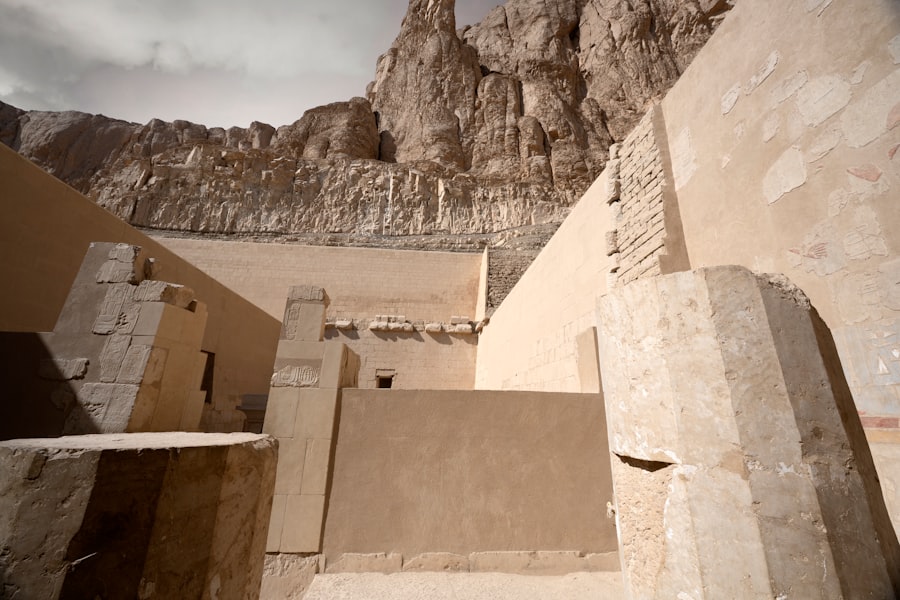
Once artifacts are removed from their earthly slumber, they embark on a new journey within the laboratory. Here, various scientific techniques are employed to analyze their composition, age, and function, transforming mute objects into eloquent storytellers.
Dating Methods
Determining the age of artifacts and archaeological sites is paramount for understanding chronological sequences and periods of human occupation. A range of scientific dating methods is employed, each with its own advantages and limitations.
- Radiocarbon Dating (Carbon-14): This widely used method measures the decay of the radioactive isotope Carbon-14 found in organic materials (wood, bone, charcoal). It is effective for dating samples from approximately 50,000 years ago to the present, providing a crucial timestamp for many archaeological contexts.
- Dendrochronology (Tree-Ring Dating): By comparing the unique patterns of tree rings in archaeological wood samples with established chronologies, precise dates can be obtained, sometimes to the exact year. This method is exceptionally accurate but requires well-preserved wood and suitable regional tree-ring sequences.
- Potassium-Argon Dating: Used for dating volcanic rocks, this method measures the decay of Potassium-40 into Argon-40. It is suitable for much older geological and archaeological contexts, often extending back millions of years.
- Thermoluminescence (TL) and Optically Stimulated Luminescence (OSL): These methods date materials like pottery, burnt flint, and sediments by measuring the accumulated radiation damage since the last time they were heated or exposed to sunlight. They are particularly useful for dating materials that cannot be dated by radiocarbon.
Material Analysis
Beyond age, understanding the composition and fabrication of artifacts provides insights into ancient technologies, resource utilization, and trade networks.
- X-Ray Fluorescence (XRF) and Neutron Activation Analysis (NAA): These non-destructive techniques identify the elemental composition of artifacts, revealing the sources of raw materials like obsidian, metals, or ceramic clays. This helps reconstruct ancient trade routes and resource procurement strategies.
- Microscopy: Optical and electron microscopes are used to examine the micro-wear patterns on tools, revealing their specific functions (e.g., cutting, scraping, drilling). They can also identify ancient residues on pottery, providing clues about diet and past food preparation.
- DNA Analysis (Ancient DNA – aDNA): The extraction and analysis of DNA from ancient human and animal remains, as well as plant materials, offer revolutionary insights into population movements, genetic relationships, diet, diseases, and domestication processes.
Conservation and Preservation: Safeguarding the Legacy
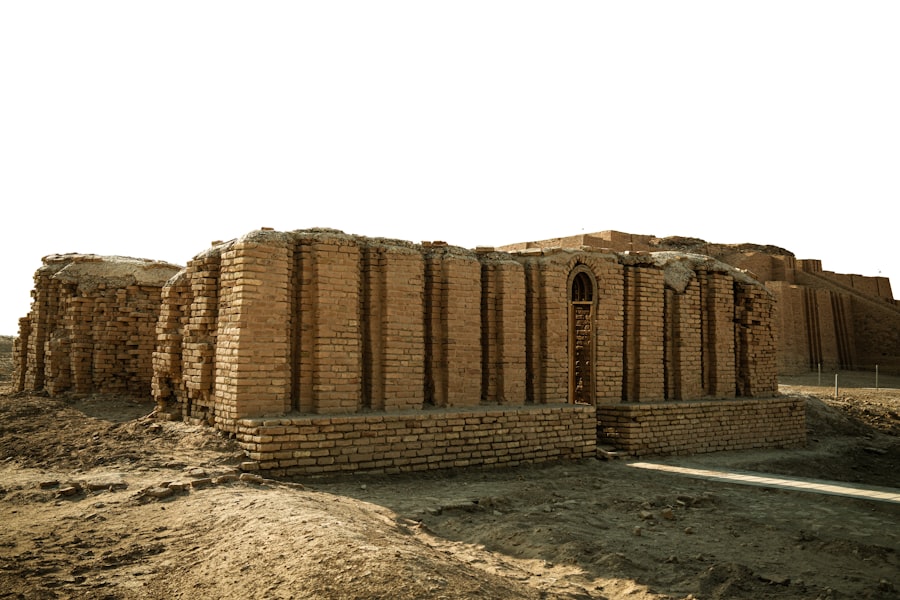
Archaeological discoveries, once unearthed, are often delicate and susceptible to deterioration. Conservation is a critical phase, ensuring that these invaluable remnants of the past are stabilized and preserved for future generations.
On-Site Stabilization
The immediate environment of an archaeological discovery can be crucial for its survival. Sudden exposure to air, light, and changes in moisture can cause rapid degradation.
- Controlled Exposure: Excavation is often a slow and deliberate process to minimize the shock to newly exposed artifacts and structures. Backfilling sometimes occurs to protect portions of a site after investigation.
- Temporary Shelters and Microclimates: Fragile remains, such as frescoes or deteriorated organic materials, may require immediate protection with temporary shelters or specialized treatments to maintain stable humidity and temperature.
- Consolidation of Structures: Deteriorating walls or architectural elements might require immediate structural consolidation using reversible materials to prevent collapse before proper conservation can occur.
Laboratory Conservation
Once removed from the site, artifacts undergo specialized conservation treatments in controlled laboratory environments.
- Cleaning and Stabilization: Dirt, corrosion, and other accretions are carefully removed using precise tools and chemical solutions. Artifacts are then stabilized to prevent further decay, often involving desiccation for waterlogged wood or desalination for marine artifacts.
- Reconstruction and Repair: Fragments of pottery, statues, or other items are meticulously pieced together and repaired, revealing their original forms and offering a more complete understanding of their function and aesthetic.
- Environmental Control and Storage: Artifacts are stored in climate-controlled environments (temperature, humidity, light) to prevent deterioration. Acid-free materials and inert display cases are used to ensure long-term preservation.
Recent discoveries in ancient archaeology have shed light on previously unknown civilizations and their practices, significantly altering our understanding of human history. One such breakthrough was highlighted in a related article that discusses the implications of these findings on our perception of early societies. For more insights into these fascinating developments, you can read the full story here. These revelations not only enhance our knowledge but also spark curiosity about the lives of those who came before us.
Interpretation and Dissemination: Weaving the Tapestry of the Past
| Breakthrough | Location | Year Discovered | Significance | Estimated Age |
|---|---|---|---|---|
| Terracotta Army | Xi’an, China | 1974 | Revealed the burial complex of Emperor Qin Shi Huang and ancient Chinese funerary art | Over 2,200 years |
| Göbekli Tepe | Turkey | 1994 | Oldest known megalithic temple complex, changing understanding of prehistoric religion | Approximately 11,600 years |
| Dead Sea Scrolls | Qumran Caves, Israel | 1947 | Ancient Jewish texts that shed light on early Judaism and biblical history | Over 2,000 years |
| King Tutankhamun’s Tomb | Valley of the Kings, Egypt | 1922 | Intact tomb revealing artifacts and insights into ancient Egyptian burial practices | Over 3,300 years |
| Laetoli Footprints | Tanzania | 1976 | Earliest direct evidence of bipedal hominid locomotion | Approximately 3.6 million years |
The ultimate goal of archaeological excavation and analysis is interpretation – to transform fragmented evidence into a coherent narrative of human history. This involves synthesizing all available data and communicating these findings to a wider audience.
Reconstruction of Past Societies
Archaeologists piece together various lines of evidence to reconstruct the daily lives, social structures, technological achievements, belief systems, and environmental interactions of past peoples.
- Spatial Analysis: The arrangement of structures, burials, and activity areas within a site provides insights into settlement patterns, social stratification, and functional organization of space.
- Contextual Analysis: Understanding an artifact’s relationship to other finds, its stratigraphic position, and its association with features is paramount for interpreting its meaning and function within its original cultural context. A single bead, for example, becomes far more informative when known to be part of a burial assemblage with specific grave goods.
- Comparative Archeology: Insights gained from one site or culture can often inform the interpretation of similar findings in other regions or periods, illustrating broader patterns in human development.
Public Engagement and Education
Archaeology is not just for academics; its findings enrich our collective human story. Dissemination of knowledge is a crucial responsibility, ensuring that the past informs the present.
- Museum Exhibitions: World-class museums serve as vital platforms for showcasing archaeological discoveries, making them accessible to millions and fostering appreciation for cultural heritage.
- Publications and Academic Journals: Detailed research findings are published in scholarly journals and books, enabling peer review and contributing to the global body of archaeological knowledge.
- Digital Platforms and Outreach Programs: Websites, documentaries, social media, and educational programs engage diverse audiences, bringing the excitement of discovery and the significance of archaeological research to a global public, bridging the chasm between ancient worlds and contemporary understanding.
The unearthing of ancient archaeological discoveries is a profound metaphor for humanity’s ongoing quest for self-understanding. It is a journey into the earth’s memory, where layers of soil become chapters in an untold saga. Each artifact, each buried wall, each faint trace of human endeavor, is a whisper from the past, inviting us to listen and learn. By diligently applying scientific methods, respecting ethical guidelines, and fostering a spirit of inquiry, archaeologists continue to illuminate the complex and vibrant tapestry of human history, reminding us that the present is but a fleeting moment atop millennia of human endeavor.
FAQs
What are some of the most significant ancient archaeological breakthroughs recently revealed?
Recent breakthroughs include the discovery of well-preserved ancient cities, new insights into early human migration patterns, and the unearthing of artifacts that shed light on ancient civilizations’ daily lives and technologies.
How do archaeologists date ancient artifacts and sites?
Archaeologists use various dating methods such as radiocarbon dating, dendrochronology (tree-ring dating), thermoluminescence, and stratigraphy to determine the age of artifacts and archaeological sites.
What technologies have advanced the field of archaeology in recent years?
Technologies like ground-penetrating radar, LiDAR scanning, 3D modeling, and DNA analysis have significantly enhanced the ability to locate, analyze, and interpret ancient remains without extensive excavation.
Why are ancient archaeological discoveries important for understanding human history?
These discoveries provide direct evidence of past human activities, cultures, and environments, helping historians and scientists reconstruct the development of societies, technologies, and interactions over time.
Can ancient archaeological breakthroughs change previously held historical theories?
Yes, new findings can challenge or refine existing historical narratives by providing fresh evidence that may confirm, contradict, or expand our understanding of ancient events and cultures.