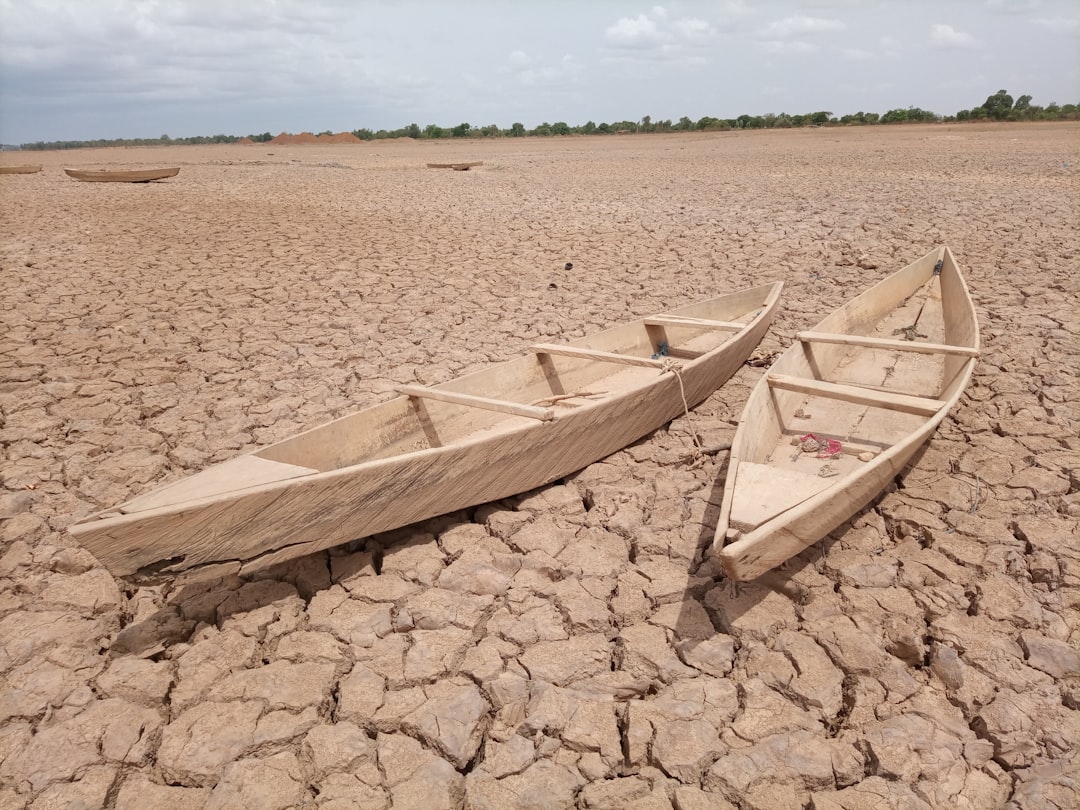
Drought has been a recurring theme throughout human history, often serving as a catalyst for significant social, economic, and environmental changes. In ancient civilizations, the absence of rain could spell disaster, leading to crop failures, famine, and societal upheaval. The impact of drought was not merely a matter of agricultural loss; it reverberated through the very fabric of society, affecting everything from trade to migration patterns.
As communities struggled to adapt to the harsh realities of a changing climate, the consequences of drought often shaped their cultural narratives and religious beliefs. In the context of ancient texts, drought is frequently depicted as a divine punishment or a test of faith. The biblical narrative, particularly in the Old Testament, provides rich insights into how ancient peoples understood and responded to drought conditions.
The Book of Amos, for instance, offers a poignant reflection on the relationship between humanity and the environment, illustrating how drought was perceived not just as a natural phenomenon but as a moral and spiritual crisis. This article will explore the multifaceted implications of drought in ancient times, with a particular focus on the biblical evidence found in Amos 4:7.
Key Takeaways
- Ancient droughts had a significant impact on societies and are reflected in historical and biblical texts.
- Amos 4:7 in the Bible provides evidence of ancient drought and its impact on society.
- The context of Amos 4:7 reveals the severity of the drought and its consequences for the people.
- Understanding the impact of drought in ancient times helps us appreciate the challenges faced by ancient societies.
- Unearthing archaeological evidence of drought provides tangible proof of its effects on ancient civilizations.
Biblical Evidence of Drought in Amos 4:7
Amos 4:7 serves as a striking example of how drought was interpreted within the biblical framework. The verse states, “I also withheld the rain from you when the harvest was still three months away.
The prophet Amos, known for his social justice themes, uses this imagery to convey a deeper message about the moral failings of the people of Israel.
The significance of this verse extends beyond its immediate context; it encapsulates a broader theological understanding of drought as a form of divine communication. In ancient Israelite thought, natural disasters were often seen as signs from God, prompting reflection and repentance. The withholding of rain was not just an agricultural concern; it was a call to examine one’s ethical conduct and relationship with the divine.
Thus, Amos 4:7 serves as both a historical account of drought and a theological commentary on the consequences of societal injustice.
The Context of Amos 4:7
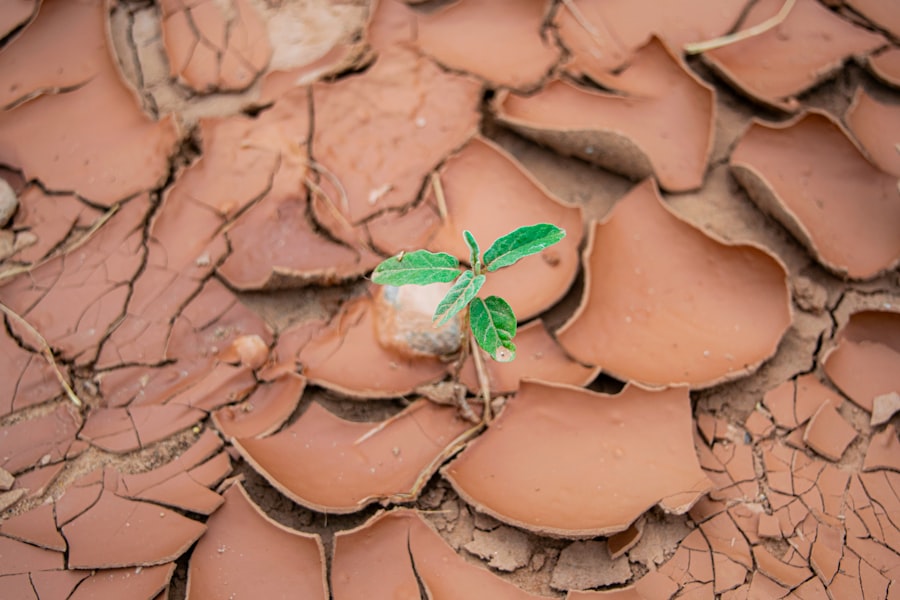
To fully appreciate the implications of Amos 4:7, it is essential to consider the historical and social context in which it was written. The Book of Amos is set during a time of relative prosperity in Israel, yet this affluence was accompanied by significant social inequality and moral decay. The wealthy elite exploited the poor, leading to widespread injustice and corruption.
In this environment, Amos emerges as a voice of dissent, challenging the status quo and calling for accountability. The context of drought in this passage is particularly poignant. It reflects not only the physical suffering caused by lack of rain but also serves as a metaphor for spiritual barrenness.
The people’s failure to uphold justice and righteousness is mirrored in their agricultural plight. By linking drought to moral failure, Amos underscores the interconnectedness of human behavior and environmental health. This relationship between ethics and ecology remains relevant today, as societies grapple with the consequences of their actions on the planet.
Understanding the Impact of Drought in Ancient Times
| Region | Time Period | Impact of Drought |
|---|---|---|
| Mesopotamia | 3000-2000 BCE | Decline in agricultural productivity, famine, and social unrest |
| Indus Valley Civilization | 2600-1900 BCE | Shift in settlement patterns, decreased trade, and eventual collapse |
| Mesoamerica | 800-1000 CE | Food shortages, migration, and conflict |
The impact of drought in ancient times was profound and far-reaching. Agricultural societies depended heavily on predictable weather patterns for their survival; thus, any deviation could lead to catastrophic consequences. Crop failures due to insufficient rainfall not only threatened food security but also destabilized entire communities.
In many cases, prolonged droughts forced populations to migrate in search of more hospitable lands, leading to conflicts over resources and altering demographic landscapes. Moreover, drought had significant economic implications. Trade routes could be disrupted as regions faced food shortages, leading to increased prices and social unrest.
The psychological toll on communities was equally severe; fear and uncertainty permeated daily life as families struggled to cope with dwindling resources. In this context, drought was not merely an environmental issue but a multifaceted crisis that affected every aspect of life in ancient societies.
Unearthing Archaeological Evidence of Drought
Archaeological findings provide valuable insights into the historical occurrences of drought and their impacts on ancient civilizations. Excavations in regions such as Mesopotamia and the Levant have revealed evidence of agricultural decline coinciding with periods of prolonged aridity. Pollen analysis and sediment studies indicate shifts in vegetation patterns that align with known drought events, corroborating historical accounts found in texts like Amos.
In addition to agricultural evidence, archaeological sites often reveal how communities adapted to or mitigated the effects of drought. For instance, ancient water management systems such as irrigation canals and reservoirs demonstrate efforts to harness available water resources effectively. These findings highlight not only the challenges posed by drought but also the resilience and ingenuity of ancient peoples in facing environmental adversity.
The Significance of Drought in Biblical History
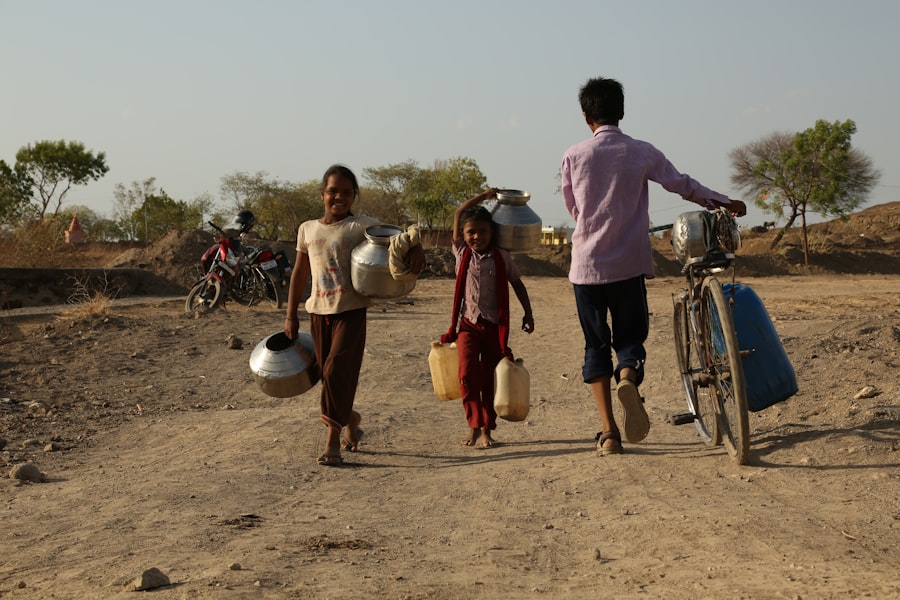
Drought holds a significant place in biblical history, serving as both a literal and metaphorical backdrop for various narratives. Throughout the Old Testament, instances of drought are often linked to themes of judgment and redemption. For example, the story of Elijah during a severe drought illustrates God’s power over nature and His ability to provide sustenance even in dire circumstances.
Such narratives reinforce the belief that divine favor could be restored through repentance and righteous living. Furthermore, drought is frequently used as a literary device to convey deeper spiritual truths. It symbolizes spiritual desolation and serves as a reminder of humanity’s dependence on divine grace.
In this way, biblical accounts of drought transcend mere historical events; they offer timeless lessons about faith, morality, and the human condition.
The Role of Drought in Ancient Societies
In ancient societies, drought played a crucial role in shaping cultural practices and belief systems. Rituals and ceremonies often emerged in response to environmental challenges, reflecting a community’s desire to appease deities believed to control weather patterns. These practices underscored the interconnectedness between spirituality and agriculture; successful harvests were seen as blessings from above, while droughts were interpreted as signs of divine disfavor.
Moreover, drought influenced social structures within communities. As resources became scarce, competition for water and arable land intensified, leading to shifts in power dynamics. Leaders who could effectively manage water resources or provide relief during times of drought often gained greater authority and respect among their people.
Thus, drought not only affected individual lives but also shaped the broader societal landscape.
Comparing Ancient Drought to Modern Climate Change
The challenges posed by ancient droughts resonate with contemporary issues related to climate change. While the specific causes may differ—natural variability versus human-induced factors—the consequences remain strikingly similar: food insecurity, displacement, and social unrest are all potential outcomes of environmental stressors. Modern societies face unprecedented challenges as they grapple with rising temperatures, altered precipitation patterns, and extreme weather events.
Just as ancient peoples developed strategies for water management and resource allocation in times of scarcity, contemporary societies must innovate solutions that promote sustainability and resilience in the face of climate challenges.
Lessons Learned from Ancient Drought
The study of ancient droughts offers valuable lessons for contemporary society. One key takeaway is the importance of adaptability; communities that thrived during periods of environmental stress often demonstrated flexibility in their agricultural practices and resource management strategies. This adaptability is crucial today as societies confront rapidly changing climatic conditions.
Additionally, ancient responses to drought highlight the significance of community solidarity and cooperation. In times of crisis, collective action often proved essential for survival. Modern societies can benefit from fostering collaboration among various stakeholders—governments, businesses, and individuals—to address environmental challenges collectively.
How Amos 4:7 Can Inform Modern Environmental Policy
Amos 4:7 serves as a poignant reminder that environmental issues are deeply intertwined with ethical considerations. The verse’s emphasis on moral accountability encourages modern policymakers to consider not only economic factors but also social justice when addressing environmental concerns. Policies that prioritize equitable resource distribution can help mitigate the impacts of climate change on vulnerable populations.
Furthermore, Amos’s call for reflection resonates with contemporary movements advocating for sustainable practices and environmental stewardship. By recognizing the moral dimensions of environmental degradation, societies can cultivate a sense of responsibility toward both people and the planet.
The Relevance of Ancient Drought in Today’s World
The exploration of ancient droughts reveals profound insights into humanity’s relationship with nature and each other. As societies navigate the complexities of modern climate change, the lessons gleaned from biblical texts like Amos 4:7 remain relevant today. Understanding how ancient peoples responded to environmental challenges can inform contemporary approaches to sustainability and resilience.
Ultimately, recognizing the interconnectedness between ethical behavior and environmental health is crucial for fostering a more just and sustainable future. As communities continue to grapple with the realities of climate change, they would do well to heed the wisdom embedded in ancient narratives—wisdom that speaks to both the fragility and resilience inherent in the human experience.
In recent studies exploring the historical impacts of climate on ancient civilizations, researchers have uncovered compelling scriptural evidence pointing to significant droughts that shaped societal developments. An article on Real Lore and Order delves into these findings, examining how ancient texts and archaeological data converge to paint a vivid picture of environmental challenges faced by early societies. This comprehensive analysis not only highlights the resilience and adaptability of these communities but also provides valuable insights into the broader implications of climate change throughout history. For a deeper understanding of this fascinating topic, you can read the full article on their website by following this link.
WATCH THIS! 😕They Buried the Truth: How Ancient Elites Hid a Climate Collapse.
FAQs
What is the scriptural evidence of ancient drought?
The scriptural evidence of ancient drought refers to references in religious texts and ancient writings that describe periods of prolonged dryness and lack of rainfall in various regions.
Which religious texts contain references to ancient drought?
The Bible, the Quran, the Vedas, and other religious texts contain references to ancient drought and the impact it had on societies and civilizations.
What evidence of ancient drought has been found through archaeological and geological research?
Archaeological and geological research has uncovered evidence of ancient drought through the study of sediment cores, tree rings, and ancient agricultural practices. These studies have provided insights into the impact of drought on ancient civilizations.
How did ancient societies cope with drought?
Ancient societies coped with drought through various means, including water conservation, changes in agricultural practices, and seeking assistance from deities through religious rituals and prayers.
What can we learn from the scriptural evidence of ancient drought?
The scriptural evidence of ancient drought provides valuable insights into the ways in which ancient societies understood and coped with environmental challenges. It also offers lessons for modern societies facing similar issues related to climate change and water scarcity.