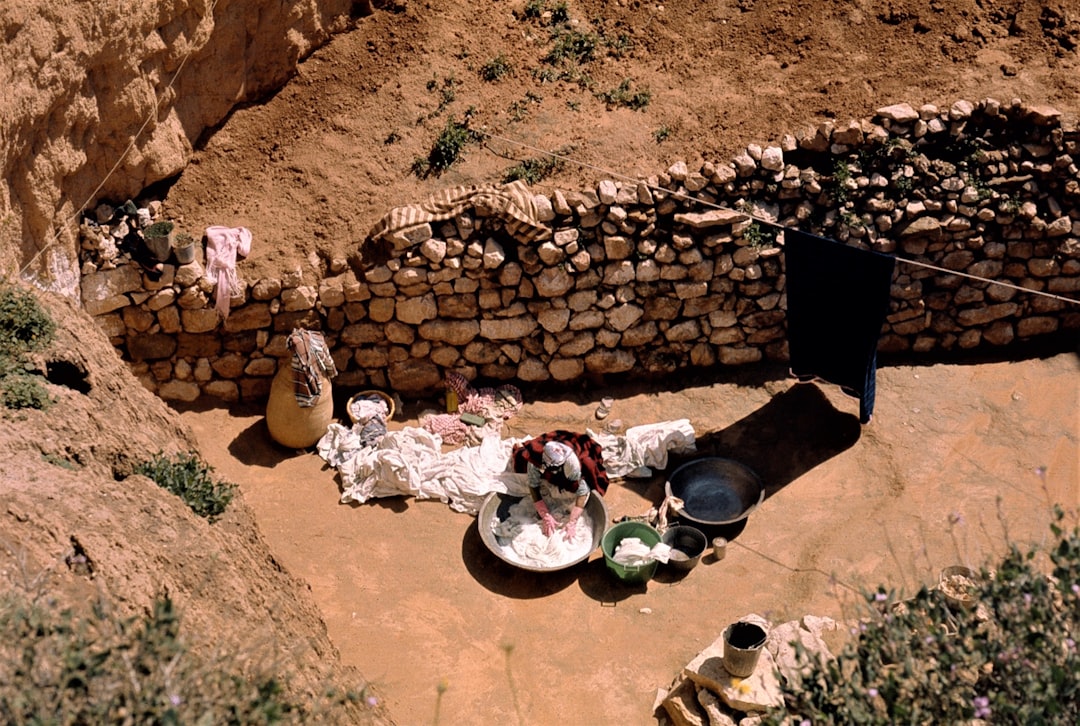
The archaeological record serves as humanity’s primary archive, a tangible testament to the long and often complex tapestry of its existence. From the subtle traces of ancient fires to the monumental structures of long-lost empires, each discovery has the potential to reshape established narratives. This article explores several instances where archaeological finds have not merely added details to an existing picture but have fundamentally challenged prevailing understandings of human history, prompting significant revisions to scholarly consensus.
For decades, the dominant academic paradigm concerning the peopling of the Americas centered on the Clovis culture, suggesting a relatively late arrival of humans via a Bering land bridge around 13,000 years ago. This “Clovis First” hypothesis posited that the continent was largely uninhabited prior to this migration. Recent archaeological discoveries, however, have significantly complicated this straightforward narrative, revealing a far more ancient and widespread human presence.
Monte Verde: The Southern Gateway
One of the most consequential challenge to the Clovis First model emerged from Monte Verde, a site in southern Chile. Excavations led by Tom Dillehay in the late 1970s and early 1980s unearthed compelling evidence of human habitation dating back approximately 14,500 years, predating the oldest undisputed Clovis sites by over a millennium.
- Preservation Conditions: The remarkable preservation at Monte Verde, attributed to its unique bog environment, allowed for the recovery of organic materials such as wooden tools, animal hides, and edible plants, providing an unusually rich snapshot of ancient lifeways.
- Technological Sophistication: The artifacts recovered at Monte Verde demonstrated a level of technological sophistication that suggested established cultural practices rather than a nascent colonization event, further supporting an earlier arrival.
- Wider Implications: The acceptance of Monte Verde by the broader archaeological community in the late 1990s served as a critical turning point, opening the door for systematic re-evaluations of other potential pre-Clovis sites and fostering a more open-minded approach to early American archaeology.
Gault and Buttermilk Creek: North American Precursors
While Monte Verde provided undeniable proof of pre-Clovis presence in South America, subsequent discoveries in North America have added further layers to the story. Sites like Gault and Buttermilk Creek in Texas have yielded compelling evidence of human occupation dating between 15,500 and 16,000 years ago.
- Distinct Tool Technologies: The lithic assemblages at these sites demonstrate tool-making traditions distinct from Clovis, suggesting multiple migrations or cultural developments prior to the emergence of Clovis fluted points.
- Stratigraphic Integrity: Careful excavation and rigorous dating methodologies employed at these sites have instilled confidence in the chronological positioning of the artifacts, strengthening their role in challenging the prevailing model.
- Rethinking Migration Routes: These findings, combined with genetic evidence, have led to increased consideration of alternative migration routes, such as a coastal migration along the Pacific Rim, which would have allowed for earlier dispersal into the Americas.
Recent discoveries in archaeology have the potential to significantly alter our understanding of ancient civilizations, as highlighted in a fascinating article on shocking archaeological finds that rewrite history. These groundbreaking revelations challenge long-held beliefs and provide new insights into the lives of our ancestors. For more information on these incredible discoveries, you can read the full article here: Shocking Archaeological Finds That Rewrite History.
The Göbekli Tepe Enigma: Challenging the Agricultural Revolution
For generations, the agricultural revolution — the shift from nomadic hunter-gatherer societies to settled agricultural communities — has been understood as the primary catalyst for the development of complex social structures, monumental architecture, and organized religion. The discovery of Göbekli Tepe in southeastern Anatolia, modern-day Turkey, has effectively inverted this causal relationship, presenting a profound challenge to established chronological sequences.
A Sanctuary Before Agriculture
Excavated since 1995 under the direction of Klaus Schmidt, Göbekli Tepe comprises a series of massive, intricately carved stone enclosures dating back to approximately 9,600-8,200 BCE, making it thousands of years older than Stonehenge and the earliest known megalithic structures.
- Monumental Scale: The site features enormous T-shaped pillars, some weighing up to 20 tons, arranged in circular or oval enclosures. These pillars are often adorned with sophisticated carvings of animals such as foxes, boars, snakes, and birds, showcasing advanced artistic capabilities.
- Pre-Agricultural Context: Crucially, Göbekli Tepe dates to a period long before the widespread adoption of agriculture in the region. Evidence at the site points to a society of sophisticated hunter-gatherers, capable of organizing significant labor and resources for construction on a massive scale.
- Religious or Ceremonial Purpose: While its precise function remains a subject of ongoing debate, the lack of domestic features and the prevalence of symbolic imagery strongly suggest a ritualistic or ceremonial purpose. It appears to have been a communal sanctuary or gathering place.
Implications for Human Development
The existence of Göbekli Tepe forces a re-evaluation of the relationship between monumental architecture, social complexity, and the agricultural revolution.
- Religion as a Driver: The current interpretation suggests that the desire to build and maintain such a monumental site might have preceded and driven the need for a more settled lifestyle and, subsequently, the development of agriculture to support a larger workforce and continuous occupation of the area. This flips the traditional understanding of cause and effect.
- Sophistication of Hunter-Gatherers: Göbekli Tepe demonstrates that Stone Age hunter-gatherer societies possessed a level of organizational capacity, abstract thought, and technological skill previously underestimated by archaeologists. They were not merely subsisting but were capable of grand communal endeavors.
- Rethinking the “Cradle of Civilization”: The site expands our understanding of the origins of complex societies, suggesting that the “cradle of civilization” was perhaps more diverse and dynamic than previously conceived, with different pathways to social complexity emerging independently.
Atlantis Debunked: Santorini’s Role in Minoan Catastrophe
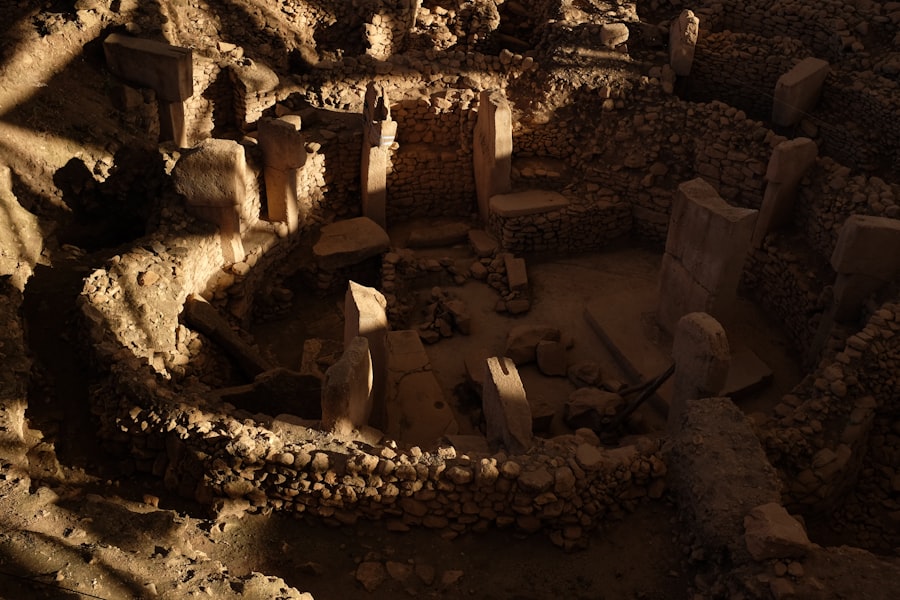
The myth of Atlantis, a technologically advanced island civilization swallowed by the sea, has captivated imaginations for centuries. While the literary origins of the myth are traced to Plato, some archaeologists and historians have sought terrestrial parallels, identifying the Minoan civilization on Crete and the volcanic eruption of Thera (modern-day Santorini) as potential real-world inspirations.
The Thera Eruption: A Natural Disaster of Epic Proportions
The eruption of the Thera volcano, meticulously studied by scientists and archaeologists, was one of the largest explosive events in human history, occurring around 1600 BCE.
- Magnitude and Scale: Geologically, the eruption was orders of magnitude greater than that of Vesuvius. It led to the collapse of the volcano’s caldera, forming the iconic crescent-shaped island of Santorini we see today, and generated vast ash plumes and tsunamis.
- Impact on the Aegean: Ash from the eruption blanketed much of the Aegean, affecting climate, agriculture, and maritime activities across the region. Tsunamis generated by the caldera collapse are believed to have impacted coastlines across the Eastern Mediterranean.
- Akrotiri: A Buried City: Excavations at Akrotiri, a Minoan-era city on Santorini, have revealed a remarkably preserved urban center, buried by volcanic ash, akin to Pompeii. The absence of human remains suggests an orderly evacuation prior to the catastrophic final stages of the eruption, perhaps due to premonitory earthquakes.
Reassessing the Minoan Collapse
For a long time, it was widely believed that the Thera eruption directly caused the collapse of the Minoan civilization on Crete, approximately 100 kilometers to the south, thus providing a plausible real-world basis for the Atlantis myth. However, recent archaeological and historical revisions offer a more nuanced understanding.
- Chronological Discrepancies: More precise dating methods have established that the main destruction of Minoan palaces on Crete occurred significantly after the Thera eruption, by at least 50 to 100 years. This temporal gap challenges a direct causal link.
- Environmental Impact vs. Political Instability: While the Thera eruption undoubtedly had severe environmental consequences (ashfall, tsunamis) that would have put immense strain on the Minoan economy and food supply, archaeological evidence increasingly points to a combination of factors leading to their decline. These include internal strife, social unrest, and external pressures, particularly from the Mycenaeans.
- Mycenaean Ascendancy: Archaeological findings demonstrate a period of increasing Mycenaean presence and influence on Crete following the eruption, culminating in the eventual takeover of Minoan sites. The eruption may have weakened the Minoans, making them more vulnerable, but it was not the sole or direct cause of their downfall. The vibrant recovery of some Minoan centers after the eruption further underscores this point.
Roman Britain: Beyond the Wall
The story of Roman Britain has often focused on the imposing presence of Hadrian’s Wall, a clear representation of the northern frontier, and a general conception of southern Britain as thoroughly Romanized. However, a wealth of archaeological evidence, particularly in recent decades, has revealed a far more complex and dynamic interaction between Romans and native Britons, suggesting a nuanced rather than absolute transformation.
Bridging Cultures: Roman Villas and Native Resistance
The extent of Roman influence varied significantly across the province, with distinct patterns emerging in different regions.
- Romano-British Villas: Once seen as epitomes of Romanization, recent interpretations of Romano-British villas consider them more as complex expressions of hybridized identities. While incorporating Roman architectural styles and luxuries, many villas also retained elements of indigenous building practices and were operated within native landholding systems. They represented an adoption of Roman material culture, but not necessarily a wholesale abandonment of British identity.
- Frontier Dynamics: Beyond Hadrian’s Wall, archaeological work has illuminated the ongoing interactions between Roman forces and indigenous tribes. Rather than a sterile military divide, the frontier was a porous zone of trade, conflict, and cultural exchange. Native settlements outside the Wall show evidence of acquiring Roman goods and adopting certain Roman practices, even while maintaining their distinct identities.
- Resistance and Accommodation: The archaeological record points to periods of both fierce resistance (e.g., Boudica’s rebellion) and significant accommodation by native Britons. Some tribes actively collaborated with the Romans, seeking political or economic advantages, while others maintained their independence through various means, including raids and strategic alliances.
Urban and Rural Transformations
The impact of Roman rule on Britain extended to both its urban centers and the vast rural landscape, reshaping socio-economic structures.
- Urbanization: Roman rule undoubtedly brought urbanization to Britain, with the establishment of coloniae (settlements for retired legionaries) and civitas capitals (administrative centers for tribal territories). These towns featured Roman amenities like basilicas, baths, and amphitheatres. However, even these urban centers often grew out of or incorporated existing native settlements, demonstrating a continuous rather than entirely new development.
- Agricultural Reforms: Roman agricultural practices, including new crop strains and farming techniques, influenced the British landscape. The introduction of the plough and other tools increased productivity, but also led to larger-scale farming and changes in land ownership.
- Material Culture and Identity: The influx of Roman goods – pottery, coins, personal adornments – is evident in the archaeological record across Britain. However, their use and integration into native society were not uniform. Britons often selectively adopted Roman items, infusing them with local meaning, or adapting them to local traditions, rather than simply replicating Roman lifestyle. This bricolage of cultures points to a complex process of cultural negotiation.
Recent discoveries in the field of archaeology have led to astonishing revelations that challenge our understanding of history. One such find, detailed in a fascinating article, highlights how ancient civilizations may have been far more advanced than previously believed. These shocking archaeological finds not only provide new insights into the past but also raise questions about the narratives we have long accepted. For more on this intriguing topic, you can read the full article here.
The Silk Road: Beyond East-West Trade
| Find | Location | Date Discovered | Significance | Impact on History |
|---|---|---|---|---|
| Göbekli Tepe | Turkey | 1994 | Oldest known megalithic temple complex, dating back to 9600 BCE | Rewrote understanding of prehistoric religion and social organization before agriculture |
| Terracotta Army | China | 1974 | Thousands of life-sized clay soldiers buried with Emperor Qin Shi Huang | Provided insight into ancient Chinese military, art, and funerary practices |
| Antikythera Mechanism | Greece | 1901 | Ancient analog computer used to predict astronomical positions | Showed advanced technological knowledge in ancient Greece previously thought impossible |
| Dead Sea Scrolls | West Bank | 1947 | Ancient Jewish texts dating from 3rd century BCE to 1st century CE | Revolutionized understanding of early Judaism and origins of Christianity |
| Lucy (Australopithecus afarensis) | Ethiopia | 1974 | Partial skeleton of a hominid dating back 3.2 million years | Provided key evidence for human evolution and bipedalism |
For centuries, the Silk Road has been primarily understood as a conduit for luxury goods, particularly silk, flowing from China to the Roman Empire and beyond, symbolizing a foundational East-West exchange. This narrative, while accurate in its essence, has been significantly enriched and diversified by recent archaeological work, revealing a far more intricate network of interactions, ideas, and populations.
A Network, Not a Road
The term “Silk Road” itself is a 19th-century coinage, and archaeological findings underscore that it was never a single, continuous route, but rather a dynamic, interconnected web of land and sea passages.
- Multiple Routes: Investigations have revealed numerous alternative and overlapping routes, particularly in Central Asia, each responding to geographical features, political landscapes, and the specific types of goods being transported. These included grassland routes, steppe nomad routes, and various branches through deserts and mountains.
- Local and Regional Trade: Far from being solely an intercontinental superhighway, the Silk Road facilitated extensive local and regional trade networks. Communities along the routes exchanged goods, resources, and technologies with their immediate neighbors, forming smaller economic systems that fed into the larger transcontinental arteries.
- Seaborne Silk Roads: The archaeological study of shipwrecks and ancient port cities has illuminated the critical role of maritime routes, particularly between Southeast Asia, India, the Middle East, and East Africa. These “Maritime Silk Roads” were instrumental in the exchange of spices, ceramics, textiles, and bulk commodities, offering a different picture of trade dynamics.
Exchange of Ideas, Technologies, and People
The influence of the Silk Road extended far beyond mere commodities; it was a vibrant conduit for cultural diffusion.
- Religious and Philosophical Transmission: Archaeology provides abundant evidence of the spread of major religions along the Silk Road. Buddhism, originating in India, traveled eastwards into China and beyond, leaving behind monumental cave temples, stupas, and manuscripts across Central Asia. Christianity and Manichaeism also found significant footholds in regions traversed by these routes.
- Technological Dissemination: Technologies such as papermaking, gunpowder, compasses, and various agricultural innovations moved both east and west, profoundly impacting developing societies. The spread of irrigation techniques, metallurgy, and architectural styles can also be traced through archaeological remains along the Silk Road.
- Genetic and Linguistic Flows: Studies of ancient DNA from burial sites along the Silk Road are beginning to reveal the extensive movement and admixture of diverse populations. These genetic patterns corroborate historical accounts of migrations, conquests, and long-distance trade, demonstrating that people, not just goods, traversed these routes, leading to significant linguistic and cultural blending.
The archaeological record, you see, is a living document, perpetually undergoing revision. Each trench dug, each artifact unearthed, and each new dating technique developed has the potential to act as a seismic event, altering the very bedrock of our understanding. The examples discussed here – from the deep past of the Americas and Proto-Neolithic Anatolia to the dynamics of Roman occupation and the globalized networks of the pre-modern world – serve as stark reminders that history is not a static chronicle, but a dynamic, evolving narrative. The past, therefore, remains an active field of discovery, forever inviting us to reconsider what we thought we knew.
STOP: Why They Erased 50 Impossible Inventions From Your Textbooks
FAQs
What are some examples of shocking archaeological finds that have rewritten history?
Some notable examples include the discovery of the Dead Sea Scrolls, which provided new insights into early Judaism and Christianity; the Terracotta Army in China, revealing the scale of Emperor Qin Shi Huang’s reign; and the Göbekli Tepe site in Turkey, which pushed back the timeline of complex human society by thousands of years.
How do these archaeological discoveries change our understanding of history?
These finds often challenge previously held beliefs by providing new evidence about ancient cultures, technologies, and timelines. They can reveal unknown civilizations, alter the chronology of historical events, and offer fresh perspectives on human development and cultural interactions.
What methods are used to verify the authenticity of shocking archaeological finds?
Researchers use a combination of techniques including radiocarbon dating, stratigraphy, material analysis, and peer-reviewed studies. Cross-referencing with historical records and using advanced technologies like DNA analysis and 3D imaging also help confirm the legitimacy of discoveries.
Can shocking archaeological finds impact modern society or culture?
Yes, these discoveries can influence modern society by reshaping cultural identities, inspiring new academic research, and affecting tourism. They also contribute to a broader understanding of human history, which can impact education and global heritage preservation efforts.
Where can one learn more about recent archaeological discoveries that have rewritten history?
Information can be found in academic journals, museum exhibitions, reputable news outlets, and publications by archaeological institutions. Online platforms such as university websites and specialized archaeology forums also provide updates and detailed analyses of recent finds.