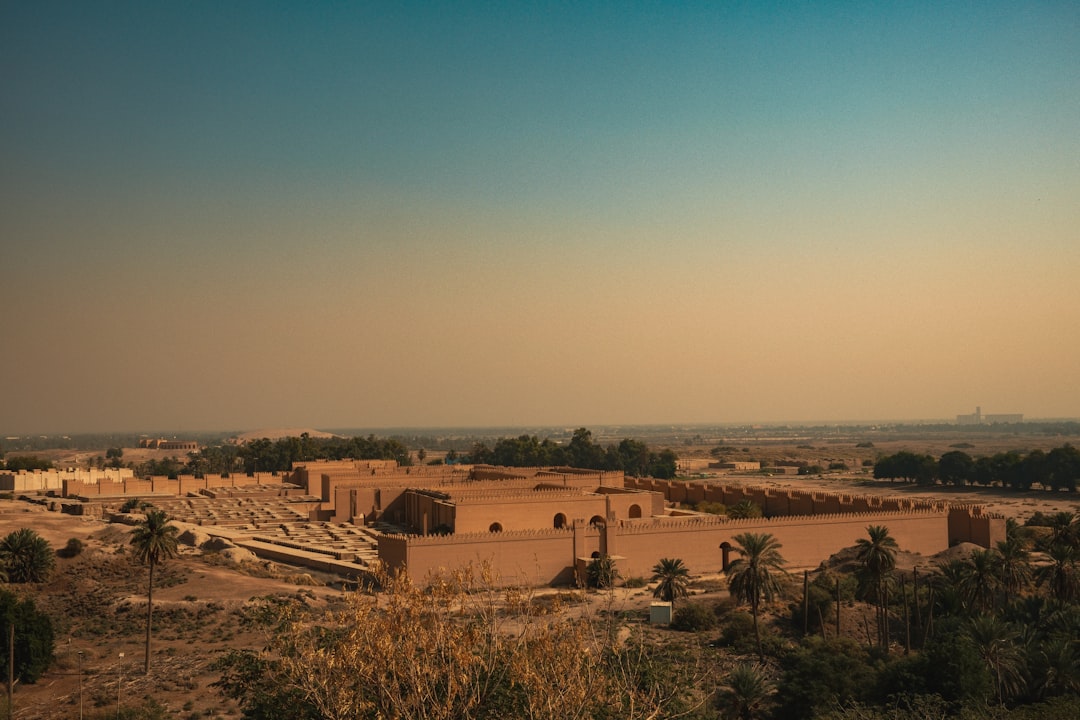
Archaeological exploration offers a window into ancient civilizations, with each excavation potentially revealing significant historical insights. Archaeologists methodically examine soil layers to recover artifacts that document human development, cultural practices, and societal structures. The discovery of tools, pottery fragments, or human remains provides tangible evidence of past human activities and can substantially enhance our understanding of historical timelines and events.
The study of ancient civilizations serves a broader purpose beyond initial discoveries, contributing essential data to our collective knowledge of human history. Archaeological findings help researchers construct comprehensive narratives about past societies, their cultural systems, and intercultural relationships. Professional archaeologists approach their work as both scientific investigation and cultural preservation, systematically documenting humanity’s historical trajectory through material evidence.
Key Takeaways
- Archaeological discoveries of lost cities provide crucial insights into human history and ancient civilizations.
- Modern technology, such as satellite imaging and ground-penetrating radar, has revolutionized the methods used to locate and study lost cities.
- Unearthed lost cities hold significant cultural, historical, and economic value, often boosting tourism and local economies.
- Archaeologists face numerous challenges, including environmental conditions and preservation issues, when excavating and conserving ancient sites.
- The future of archaeology promises continued advancements, with new techniques enhancing our ability to discover and understand lost cities.
The Importance of Archaeological Discoveries in Understanding Human History
Archaeological discoveries play a crucial role in understanding human history, offering tangible evidence of how societies have evolved over time. These findings provide context to historical narratives that are often based on written records, which can be limited or biased. By examining material culture—tools, structures, and everyday items—archaeologists can gain insights into the social, economic, and political dynamics of ancient peoples.
This multifaceted approach allows for a more nuanced understanding of history that encompasses diverse perspectives. Furthermore, archaeological discoveries challenge preconceived notions about past civilizations. They can reveal unexpected connections between cultures, demonstrating that human societies have always been interconnected through trade, migration, and shared ideas.
For instance, the discovery of trade routes and artifacts from distant lands can illustrate how ancient peoples influenced one another long before globalization became a modern phenomenon. Such revelations not only enrich historical narratives but also foster a greater appreciation for the complexity and diversity of human experiences throughout time.
Unearthing Lost Cities: Techniques and Methods Used by Archaeologists
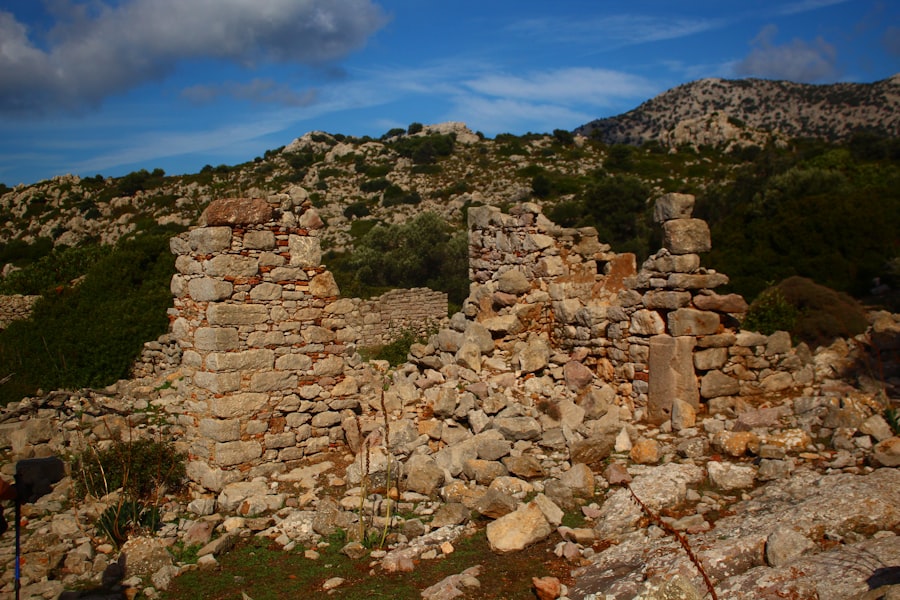
The process of unearthing lost cities involves a combination of meticulous techniques and innovative methods that have evolved over time. Traditional excavation methods include systematic digging and stratigraphic analysis, where layers of soil are carefully removed to reveal artifacts in chronological order. This approach allows archaeologists to understand the sequence of human activity in a given area, providing insights into how cities developed and changed over time.
In addition to traditional techniques, modern archaeology has embraced advanced technologies that enhance the efficiency and accuracy of excavations.
This non-invasive method can identify potential sites for excavation and help archaeologists plan their digs more effectively.
Similarly, aerial photography and satellite imagery have revolutionized the way lost cities are located and studied, enabling researchers to identify patterns in land use and settlement that may not be visible from the ground.
Notable Lost Cities Discovered in Recent Years
In recent years, several notable lost cities have been uncovered, each contributing unique insights into ancient civilizations. One such discovery is that of Mahendraparvata in Cambodia, an ancient city believed to be part of the Khmer Empire. Using LiDAR technology, researchers were able to reveal an extensive urban landscape hidden beneath dense jungle foliage.
This finding not only sheds light on the architectural sophistication of the Khmer civilization but also raises questions about its decline and the environmental factors that may have contributed to it. Another significant discovery is that of the ancient city of Teotihuacan in Mexico, which was once one of the largest urban centers in the world. Excavations have revealed intricate murals, temples, and residential areas that provide a glimpse into the lives of its inhabitants.
The city’s layout and monumental architecture suggest a highly organized society with complex social structures. As archaeologists continue to explore Teotihuacan, they uncover more about its cultural practices and its influence on subsequent Mesoamerican civilizations.
The Role of Technology in Modern Archaeological Discoveries
| Lost City | Location | Year Discovered | Key Discoveries | Significance |
|---|---|---|---|---|
| Pompeii | Italy | 1748 | Well-preserved Roman city, frescoes, artifacts | Insight into Roman daily life and volcanic eruption impact |
| Machu Picchu | Peru | 1911 | Inca architecture, terraces, temples | Understanding of Inca civilization and engineering |
| Angkor | Cambodia | 1860 | Temples, water management systems, sculptures | Largest pre-industrial city, Khmer Empire insights |
| Great Zimbabwe | Zimbabwe | 1871 | Stone ruins, trade artifacts | Evidence of advanced African civilization and trade networks |
| Hattusa | Turkey | 1906 | City walls, cuneiform tablets, temples | Capital of Hittite Empire, insights into ancient diplomacy |
Technology has transformed the field of archaeology, enabling researchers to make discoveries that were once thought impossible. Innovations such as 3D scanning and modeling allow for detailed documentation of artifacts and sites, preserving them digitally for future study. This technology not only aids in analysis but also facilitates collaboration among researchers worldwide, as they can share data and findings more easily than ever before.
Moreover, advancements in dating techniques have revolutionized how archaeologists understand timelines. Methods such as radiocarbon dating provide precise estimates of when artifacts were created or when events occurred, allowing for a clearer picture of historical sequences. These technological tools enhance the accuracy of archaeological interpretations and contribute to a more comprehensive understanding of human history.
The Impact of Lost Cities on Modern Society
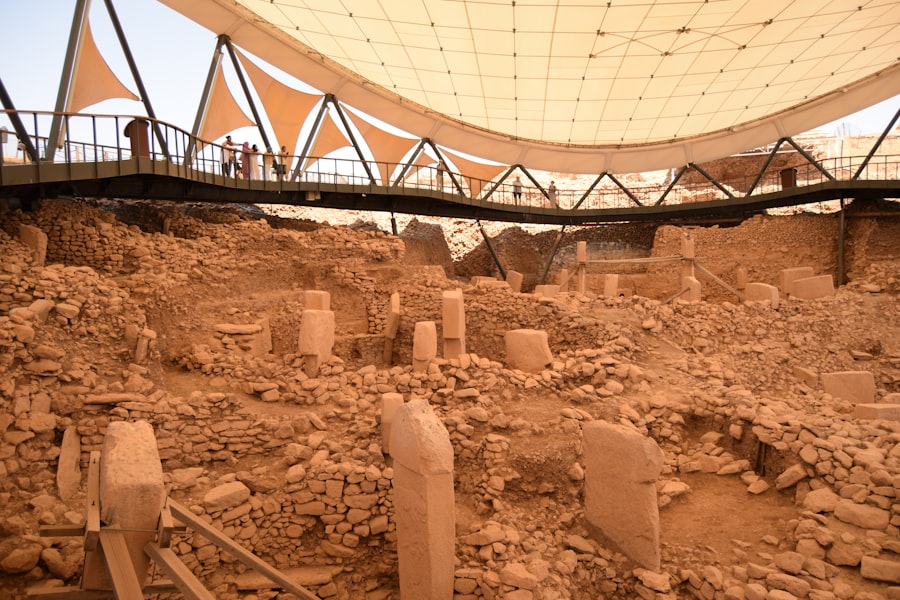
The discovery of lost cities has far-reaching implications for modern society. These findings often challenge contemporary views on history and culture, prompting discussions about identity and heritage. As societies grapple with their pasts, unearthing lost cities can serve as a reminder of shared human experiences and the interconnectedness of cultures throughout time.
Additionally, lost cities can inspire a sense of wonder and curiosity about history among the general public. Museums often showcase artifacts from these sites, sparking interest in archaeology and encouraging educational initiatives that promote historical awareness. This engagement fosters a deeper appreciation for cultural heritage and emphasizes the importance of preserving archaeological sites for future generations.
Challenges and Obstacles Faced by Archaeologists in Unearthing Lost Cities
Despite the excitement surrounding archaeological discoveries, archaeologists face numerous challenges in their quest to unearth lost cities. One significant obstacle is funding; many archaeological projects rely on grants and donations to support their work. Limited financial resources can hinder extensive excavations or prevent researchers from pursuing promising leads.
Environmental factors also pose challenges during excavations. Weather conditions can impact site accessibility, while natural disasters may threaten already vulnerable archaeological sites. Additionally, urban development often encroaches on potential excavation areas, leading to conflicts between preservation efforts and modern infrastructure needs.
Navigating these challenges requires creativity and collaboration among archaeologists, local communities, and policymakers.
The Preservation and Conservation of Unearthed Lost Cities
Once lost cities are uncovered, preserving and conserving these sites becomes paramount to ensure their longevity for future study and appreciation. Preservation efforts involve careful management of excavated materials and structures to prevent deterioration caused by environmental factors or human activity. This process often includes stabilizing ruins, controlling vegetation growth, and implementing protective measures against vandalism or theft.
Conservation also extends to educating local communities about the significance of these sites. Engaging residents in preservation efforts fosters a sense of ownership and responsibility toward their cultural heritage. By involving local stakeholders in conservation initiatives, archaeologists can create sustainable practices that protect lost cities while promoting tourism and economic development.
The Cultural and Historical Significance of Uncovered Lost Cities
The cultural and historical significance of uncovered lost cities cannot be overstated. These sites serve as tangible links to humanity’s past, offering insights into ancient societies’ beliefs, practices, and daily lives. They provide context for understanding how civilizations interacted with their environments and adapted to changing circumstances over time.
Moreover, lost cities often hold symbolic value for contemporary societies. They can represent resilience in the face of adversity or serve as reminders of cultural achievements that shaped human history. By studying these sites, archaeologists contribute to a broader understanding of cultural identity and heritage, fostering connections between past and present.
The Economic and Tourism Impact of Lost City Discoveries
The discovery of lost cities can have significant economic implications for local communities and nations alike. Archaeological sites often attract tourists eager to explore ancient ruins and learn about history firsthand. This influx of visitors can stimulate local economies by creating jobs in tourism-related sectors such as hospitality, transportation, and guided tours.
Furthermore, successful archaeological projects can lead to increased funding for further research and preservation efforts. Governments may recognize the value of cultural heritage as an economic asset and invest in infrastructure improvements to support tourism initiatives. This symbiotic relationship between archaeology and tourism underscores the importance of balancing preservation with economic development.
The Future of Archaeological Discoveries: What’s Next in Unearthing Lost Cities
As technology continues to advance, the future of archaeological discoveries holds great promise for unearthing lost cities yet to be discovered. Innovations such as artificial intelligence and machine learning may enhance data analysis capabilities, allowing researchers to identify patterns in large datasets more efficiently than ever before. These tools could lead to new insights into ancient civilizations that remain hidden beneath layers of earth.
Moreover, interdisciplinary collaboration will likely play a crucial role in future discoveries. By combining expertise from fields such as anthropology, geology, and environmental science, archaeologists can develop more comprehensive approaches to understanding lost cities within their broader contexts. As they continue to push boundaries in their research methods and technologies, archaeologists will undoubtedly uncover new chapters in humanity’s rich tapestry of history.
In conclusion, the journey into uncovering lost cities is one filled with excitement, challenges, and profound implications for understanding human history. As archaeologists continue their work with passion and dedication, they not only reveal the past but also inspire future generations to appreciate the complexities of our shared heritage.
Recent archaeological discoveries have unveiled the remnants of lost cities that provide fascinating insights into ancient civilizations. One such discovery is detailed in an article that explores the significance of these findings and their impact on our understanding of history. For more information, you can read the article here: Archaeological Discoveries of Lost Cities.
WATCH THIS! 🏛️ Empires Didn’t Collapse—They Got Erased: The Pattern Nobody Sees
FAQs
What are lost cities in archaeology?
Lost cities refer to ancient urban settlements that were once thriving but became abandoned and forgotten over time. Archaeologists discover these cities through excavation, remote sensing, and historical research.
How are lost cities discovered?
Lost cities are discovered using a combination of methods including satellite imagery, ground-penetrating radar, aerial surveys, and traditional excavation. Historical texts and local legends can also provide clues to their locations.
Why are some cities considered “lost”?
Cities are considered lost when they have been abandoned and their locations forgotten due to natural disasters, war, economic decline, or environmental changes. Over time, they may become buried under vegetation, sand, or sediment.
What are some famous examples of lost cities discovered by archaeologists?
Famous lost cities include Machu Picchu in Peru, Pompeii in Italy, the ancient city of Troy in Turkey, and Angkor Wat in Cambodia. Each was rediscovered through archaeological efforts after being lost for centuries.
What significance do archaeological discoveries of lost cities have?
Discovering lost cities provides valuable insights into ancient civilizations, their culture, technology, social organization, and interactions with the environment. These findings help historians and archaeologists better understand human history.
How do archaeologists preserve lost cities after discovery?
Preservation involves careful excavation, documentation, and conservation of artifacts and structures. Many sites are protected by laws and may be turned into museums or heritage sites to prevent damage and promote education.
Can lost cities still be found today?
Yes, many lost cities remain undiscovered, especially in dense jungles, deserts, and underwater. Advances in technology continue to aid archaeologists in locating and studying these ancient sites.
What challenges do archaeologists face when excavating lost cities?
Challenges include environmental conditions, limited funding, political instability, looting, and the delicate nature of ancient materials. Additionally, interpreting findings accurately requires multidisciplinary expertise.
Are lost cities always large urban centers?
Not necessarily. Lost cities can range from large metropolitan areas to smaller towns or ceremonial centers. The term generally refers to any significant settlement that was once inhabited and later abandoned.
How do discoveries of lost cities impact modern culture?
These discoveries often inspire interest in history and archaeology, influence art and literature, and boost tourism. They also foster a greater appreciation for cultural heritage and the need for its protection.