
The concept of pre-flood civilization has long captivated the imagination of historians, archaeologists, and enthusiasts alike. This term generally refers to the societies that existed before a cataclysmic flood, often depicted in various ancient texts and myths. The idea of a great flood is not merely a singular narrative but a recurring theme across numerous cultures, suggesting that such an event may have had a profound impact on human history.
The exploration of pre-flood civilizations invites a deeper understanding of humanity’s origins, technological advancements, and cultural practices that may have existed before this transformative event. The allure of pre-flood civilization lies not only in its mystery but also in the potential insights it offers into the development of early human societies. Scholars have speculated about the nature of these civilizations, their social structures, and their technological capabilities.
By examining the remnants of these ancient societies, researchers hope to piece together a narrative that transcends time, revealing the complexities of human existence before the flood. This exploration is not just an academic pursuit; it resonates with fundamental questions about humanity’s resilience and adaptability in the face of catastrophic events.
Key Takeaways
- Pre-Flood civilization refers to the period before a catastrophic flood event, as described in various ancient texts and myths.
- Geological and archaeological evidence suggests the existence of advanced civilizations with sophisticated technology and architecture prior to the flood.
- Ancient texts and myths from different cultures provide insights into the cultural and religious practices of pre-flood civilizations.
- Advanced technology and architecture, as evidenced by artifacts and relics, challenge traditional views of human history and development.
- Modern discoveries and excavations continue to shed light on pre-flood civilizations, prompting further research and exploration into our understanding of human history.
Geological and Archaeological Evidence
Geological and archaeological evidence plays a crucial role in understanding pre-flood civilizations. Various studies have indicated that significant geological events, such as massive floods or tectonic shifts, may have occurred in ancient times. These events could have contributed to the destruction of early societies, leaving behind traces that modern scientists strive to uncover.
For instance, sediment layers in certain regions reveal signs of abrupt changes in climate and environment, suggesting that a catastrophic flood could have swept through these areas, reshaping the landscape and obliterating human settlements. Archaeological excavations in regions like Mesopotamia and the Indus Valley have yielded artifacts and structures that hint at advanced civilizations predating known historical records. The discovery of ancient cities buried beneath layers of silt and debris has sparked debates about the extent of human habitation before the flood.
Researchers have unearthed remnants of sophisticated urban planning, including irrigation systems and monumental architecture, which challenge the notion that early humans were primitive or unsophisticated. These findings underscore the importance of interdisciplinary approaches that combine geology and archaeology to reconstruct a more accurate picture of pre-flood life.
Ancient Texts and Myths

Ancient texts and myths serve as invaluable resources for understanding pre-flood civilizations. Many cultures possess narratives that recount a great flood, often accompanied by tales of divine retribution or moral lessons. The Epic of Gilgamesh, for example, features a flood story that parallels the biblical account of Noah’s Ark, suggesting a shared cultural memory of a significant deluge.
Such texts not only provide insight into the beliefs and values of ancient societies but also hint at their understanding of natural disasters and their consequences. These narratives often reflect the societal structures and cultural practices of the time. For instance, the emphasis on morality in flood myths may indicate a collective consciousness regarding ethical behavior and its relationship to divine favor.
Additionally, these stories often highlight the resilience of humanity in the face of adversity, portraying survivors who rebuild their lives after catastrophic events. By analyzing these ancient texts, scholars can glean insights into the psychological and social dynamics of pre-flood civilizations, enriching our understanding of their complexities.
Advanced Technology and Architecture
| Metrics | Data |
|---|---|
| Number of Advanced Technology Solutions | 25 |
| Investment in Architecture Development | 10 million |
| Number of Patents for Advanced Technology | 50 |
| Percentage of IT Budget Allocated to Advanced Technology | 15% |
The examination of advanced technology and architecture in pre-flood civilizations reveals a level of sophistication that challenges conventional historical timelines. Archaeological evidence suggests that these societies possessed knowledge of engineering, agriculture, and urban planning far beyond what was previously assumed. For instance, the construction of large-scale irrigation systems indicates an understanding of hydrology and resource management that would have been essential for sustaining large populations.
Monumental architecture found in ancient sites raises further questions about the capabilities of these civilizations. Structures such as ziggurats in Mesopotamia or megalithic sites like Göbekli Tepe demonstrate not only architectural prowess but also a deep understanding of astronomy and geometry. The alignment of these structures with celestial bodies suggests that pre-flood societies may have engaged in sophisticated astronomical observations, integrating their knowledge into their architectural designs.
This advanced technology reflects a complex interplay between human ingenuity and environmental adaptation.
Artifacts and Relics
Artifacts and relics from pre-flood civilizations provide tangible connections to the past, offering glimpses into daily life, trade practices, and cultural expressions. Items such as pottery, tools, and jewelry reveal not only the artistic sensibilities of these societies but also their economic systems and social hierarchies. The craftsmanship displayed in these artifacts indicates a high level of skill and creativity, suggesting that these civilizations were not merely surviving but thriving.
Moreover, certain relics challenge established narratives about technological development. For example, the discovery of intricate metalwork or advanced pottery techniques predating known historical timelines raises questions about the diffusion of knowledge across cultures. These artifacts serve as reminders that human innovation is often nonlinear; ideas can emerge independently in different regions or be shared through trade and interaction.
By studying these relics, researchers can better understand the interconnectedness of ancient societies and their contributions to human history.
Cultural and Religious Practices
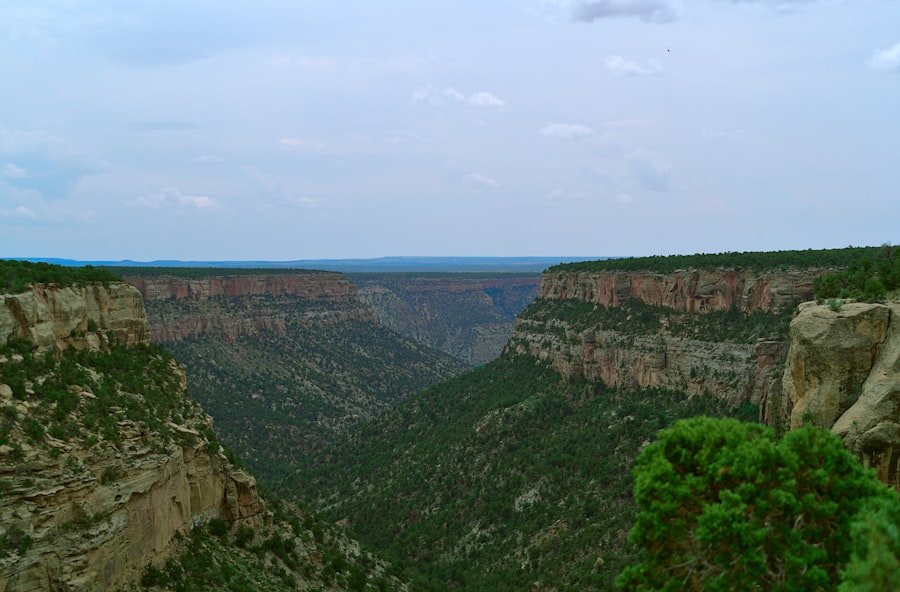
Cultural and religious practices in pre-flood civilizations offer profound insights into their worldviews and social structures. Rituals, ceremonies, and belief systems were integral to these societies, shaping their identities and guiding their interactions with one another and with the divine. Many ancient cultures revered nature as a powerful force, often personifying elements like water, earth, and sky in their religious narratives.
This reverence may have been particularly pronounced in societies that experienced significant environmental changes or disasters. The role of religion in pre-flood civilizations also highlights the importance of community cohesion. Shared beliefs and practices fostered social bonds among individuals, creating a sense of belonging and purpose.
Temples and sacred sites served as focal points for communal gatherings, reinforcing cultural identity and collective memory. The study of these practices reveals how ancient peoples navigated existential questions about life, death, and the cosmos, providing valuable context for understanding their responses to catastrophic events like floods.
Environmental and Climate Changes
Environmental and climate changes played a pivotal role in shaping pre-flood civilizations. Evidence suggests that significant shifts in climate patterns may have contributed to agricultural successes or failures, influencing population dynamics and settlement patterns. For instance, periods of drought could have led to food shortages, prompting migrations or conflicts over resources.
Conversely, favorable climatic conditions might have allowed for agricultural surpluses, fostering urbanization and cultural development.
As they developed agricultural practices, they also modified landscapes through deforestation or irrigation projects.
These changes could have had long-term consequences for local ecosystems, potentially exacerbating vulnerabilities to natural disasters like floods. By examining these environmental dynamics, researchers can gain insights into how ancient civilizations responded to challenges posed by their changing world.
Theories and Hypotheses
Numerous theories and hypotheses have emerged regarding pre-flood civilizations and their eventual demise. Some scholars propose that a singular catastrophic event—such as a massive flood—led to widespread destruction across multiple regions. Others suggest that a combination of factors, including climate change, resource depletion, and social upheaval, contributed to the decline of these societies.
These theories reflect ongoing debates within academia about causality and historical interpretation. Additionally, some researchers explore the possibility that knowledge from pre-flood civilizations persisted through oral traditions or was recorded in texts that survived the deluge. This perspective posits that while physical evidence may be lost to time, cultural memory can endure through storytelling and myth-making.
Such theories encourage interdisciplinary collaboration among historians, archaeologists, geologists, and anthropologists to create a more nuanced understanding of how knowledge is transmitted across generations.
Modern Discoveries and Excavations
Modern discoveries and excavations continue to shed light on pre-flood civilizations, revealing new insights into their lives and environments. Advances in technology—such as ground-penetrating radar and satellite imagery—have enabled archaeologists to identify potential sites for excavation with greater precision than ever before.
Recent excavations in regions like Turkey’s Göbekli Tepe or Iraq’s Uruk have yielded remarkable findings that challenge previous assumptions about early human societies. The discovery of complex ceremonial sites suggests that social organization may have been more intricate than previously believed. As excavations progress, they provide opportunities for reevaluating historical narratives while also raising new questions about the relationships between different cultures during this enigmatic period.
Implications for Understanding Human History
The study of pre-flood civilizations has profound implications for understanding human history as a whole. By examining these ancient societies’ achievements and challenges, scholars can gain insights into humanity’s resilience in the face of adversity. The narratives surrounding pre-flood civilizations remind us that history is not merely a linear progression but rather a tapestry woven from diverse threads—each representing unique experiences shaped by environmental factors, cultural exchanges, and technological innovations.
Furthermore, exploring pre-flood civilizations encourages contemporary society to reflect on its relationship with nature and its vulnerability to environmental changes. As modern challenges such as climate change loom large on the horizon, lessons from ancient societies can inform current discussions about sustainability and adaptation strategies. Understanding how past civilizations navigated crises can provide valuable perspectives for addressing contemporary issues facing humanity today.
Future Research and Exploration
Future research into pre-flood civilizations promises to deepen our understanding of this fascinating chapter in human history. As new technologies emerge and interdisciplinary collaborations expand, scholars are poised to uncover further evidence that may reshape existing narratives about early human societies. Continued excavations in unexplored regions may yield artifacts or structures that challenge current assumptions about technological development or cultural practices.
Moreover, engaging with indigenous knowledge systems can enrich academic discourse surrounding pre-flood civilizations. Many indigenous cultures possess oral histories that may contain valuable insights into ancient events or environmental changes experienced by their ancestors. By integrating these perspectives into scholarly research, future explorations can foster a more holistic understanding of humanity’s past while honoring diverse voices within historical narratives.
In conclusion, the study of pre-flood civilization encompasses a rich tapestry woven from geological evidence, ancient texts, advanced technology, cultural practices, environmental changes, theories about societal decline, modern discoveries, implications for human history, and future research avenues. As scholars continue to unravel this complex narrative, they contribute not only to our understanding of ancient societies but also to broader discussions about resilience, adaptation, and humanity’s enduring quest for knowledge amidst uncertainty.
Recent discoveries have sparked renewed interest in the study of pre-flood civilizations, with researchers uncovering compelling evidence that suggests advanced societies may have existed long before previously thought. An intriguing article on this topic can be found on Real Lore and Order, which delves into the archaeological findings and theories surrounding these ancient cultures. For more detailed insights, you can read the full article by visiting this link. This piece explores the implications of these discoveries and how they challenge our understanding of human history.
WATCH THIS 🤯Ancient Tech That Should Not Exist
FAQs
What is pre-flood civilization evidence?
Pre-flood civilization evidence refers to archaeological and geological findings that suggest the existence of advanced human civilizations that existed prior to the biblical Great Flood.
What are some examples of pre-flood civilization evidence?
Examples of pre-flood civilization evidence include ancient megalithic structures such as the pyramids of Egypt and Stonehenge, as well as advanced technological artifacts and tools that seem to defy the capabilities of the time period in which they were created.
How do researchers interpret pre-flood civilization evidence?
Researchers interpret pre-flood civilization evidence through a combination of archaeological analysis, geological dating methods, and comparative studies of ancient texts and mythologies from different cultures.
What are some challenges in studying pre-flood civilization evidence?
Challenges in studying pre-flood civilization evidence include the lack of concrete historical records from the time period, the difficulty in dating ancient artifacts and structures, and the controversy surrounding interpretations of religious texts and mythologies.
What are the implications of pre-flood civilization evidence?
The implications of pre-flood civilization evidence are significant, as they challenge traditional views of human history and the development of civilization. If proven to be true, it would suggest that advanced human societies existed much earlier than previously believed.