As you delve into the world of archaeology, you may find yourself captivated by the stories that lie buried beneath layers of earth and time. However, not all discoveries are celebrated or shared with the public. Throughout history, there have been numerous instances where significant archaeological findings have been suppressed, either intentionally or inadvertently.
These suppressed revelations can alter our understanding of human history, culture, and civilization. The reasons behind such suppression are complex and multifaceted, often involving a mix of political, social, and ethical considerations. The allure of archaeology lies in its potential to uncover truths about our past, yet the shadows of suppression loom large over many discoveries.
As you explore this topic, you will come to appreciate the delicate balance between revealing historical truths and the forces that seek to keep them hidden. Understanding the implications of these suppressed findings is crucial for anyone interested in the broader narrative of human history and the lessons it holds for the present and future.
Key Takeaways
- Suppressed archaeological discoveries significantly alter our understanding of history.
- Political and ethical factors often drive the concealment of important findings.
- Efforts are underway globally to uncover and share hidden archaeological truths.
- Suppression of discoveries can lead to loss of cultural heritage and misinformation.
- Embracing transparency in archaeology is crucial for preserving history and advancing knowledge.
The Impact of Suppressed Discoveries on History
When you consider the impact of suppressed archaeological discoveries, it becomes clear that these findings can reshape our understanding of historical timelines and cultural narratives. For instance, if a significant artifact is hidden from public view, it can lead to a skewed perception of a civilization’s achievements or interactions with others. This distortion can perpetuate myths and misconceptions that influence education, policy-making, and even national identity.
Moreover, the suppression of discoveries can hinder academic progress. Scholars rely on a comprehensive understanding of history to build upon existing knowledge. When vital pieces of evidence are withheld, it stifles intellectual discourse and limits the scope of research.
You may find it fascinating how the academic community often grapples with these gaps in knowledge, striving to piece together a more accurate picture of our past despite the obstacles posed by suppressed findings.
Examples of Suppressed Archaeological Revelations
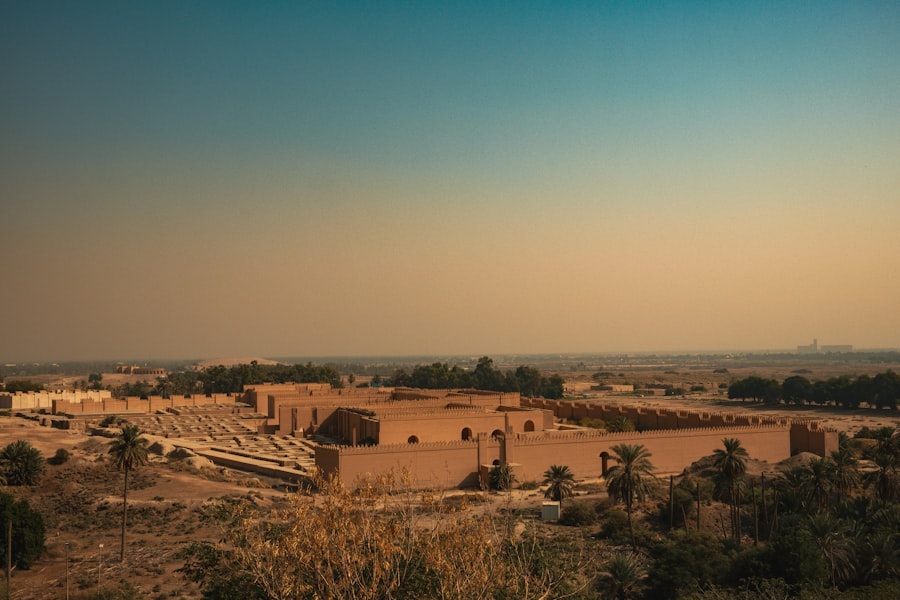
Throughout history, there have been numerous examples of archaeological revelations that were either suppressed or downplayed. One notable case is the discovery of ancient structures in the Americas that challenge the long-held belief that pre-Columbian societies were primitive. Sites like Cahokia in present-day Illinois reveal complex urban planning and societal organization that contradicts traditional narratives.
Yet, for years, these findings received little attention in mainstream historical discourse. Another striking example is the discovery of ancient texts in the Middle East that suggest alternative interpretations of biblical events. These texts, often labeled as heretical or controversial, have been kept from public scrutiny due to their potential to disrupt established religious narratives.
As you explore these examples, you may begin to see how the suppression of archaeological findings can lead to a narrow understanding of human history and cultural evolution.
The Reasons Behind Suppression of Archaeological Findings
The reasons behind the suppression of archaeological findings are as varied as the discoveries themselves. One primary factor is political power dynamics. Governments may suppress findings that threaten national pride or contradict official historical narratives.
For instance, if an archaeological discovery undermines a nation’s claim to historical significance, it may be downplayed or concealed to maintain a sense of unity and identity among its citizens. Additionally, financial interests can play a significant role in the suppression of discoveries. You might consider how tourism and economic development often hinge on specific historical narratives.
If a finding contradicts these narratives, it could jeopardize lucrative tourism industries or investments in heritage sites. This intersection of economics and archaeology creates a complex web where financial motivations can overshadow the pursuit of truth.
Uncovering the Truth: Efforts to Reveal Suppressed Discoveries
| Year | Location | Discovery | Reason for Suppression | Year Revealed | Impact on Archaeology |
|---|---|---|---|---|---|
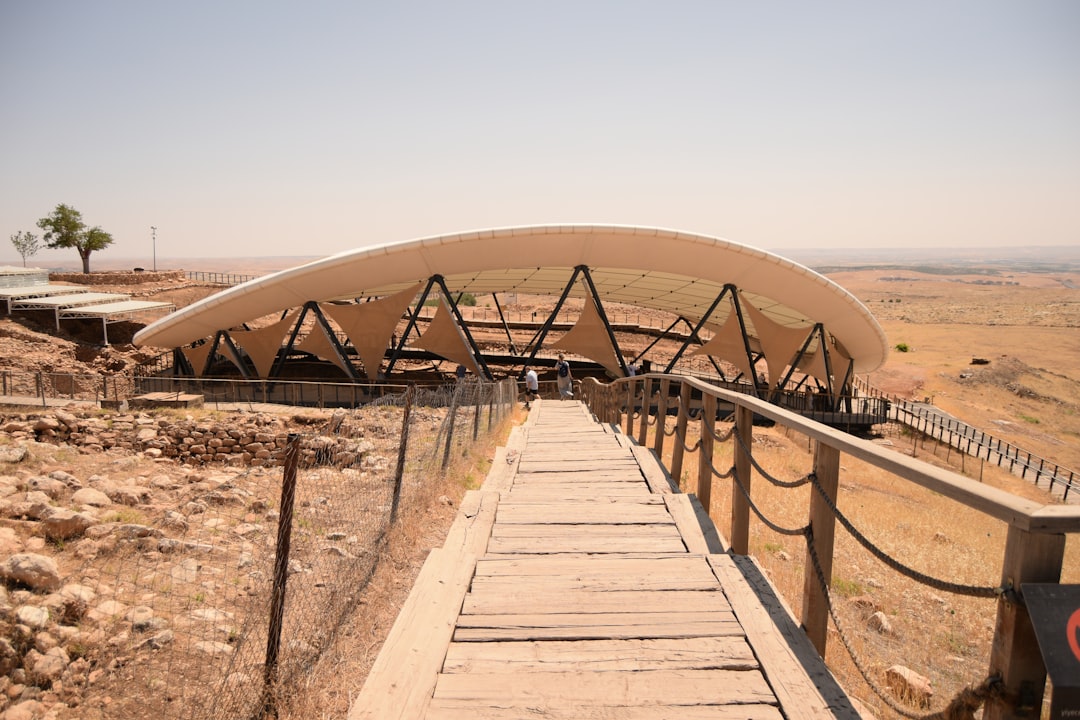
| 1930 | Turkey | Gobekli Tepe | Political instability and lack of interest | 1994 | Rewrote understanding of prehistoric religion and society |
| 1950 | China | Sanxingdui Ruins | Government censorship during Cultural Revolution | 1986 | Revealed advanced Bronze Age civilization |
| 1970 | Peru | Caral-Supe Civilization | Political neglect and overshadowed by other sites | 2001 | Oldest known urban center in the Americas |
| 1980 | Egypt | Amarna Letters | Suppressed due to political sensitivity | 1999 | Provided insight into diplomatic relations of ancient Egypt |
| 1990 | India | Indus Valley Seals | Academic disputes and lack of funding | 2005 | Enhanced understanding of Indus script and trade |
Despite the challenges posed by suppression, there are ongoing efforts to uncover and reveal suppressed archaeological discoveries. Activists, independent researchers, and even some archaeologists are dedicated to bringing these hidden truths to light. You may find it inspiring how grassroots movements have emerged to advocate for transparency in archaeological research and promote public access to findings that have been kept under wraps.
Moreover, advancements in technology have played a crucial role in uncovering suppressed discoveries. Techniques such as ground-penetrating radar and satellite imagery allow researchers to identify potential sites without disturbing the earth. As you explore these technological innovations, you will see how they empower archaeologists to challenge established narratives and bring attention to overlooked or suppressed findings.
The Role of Politics in Suppressing Archaeological Revelations
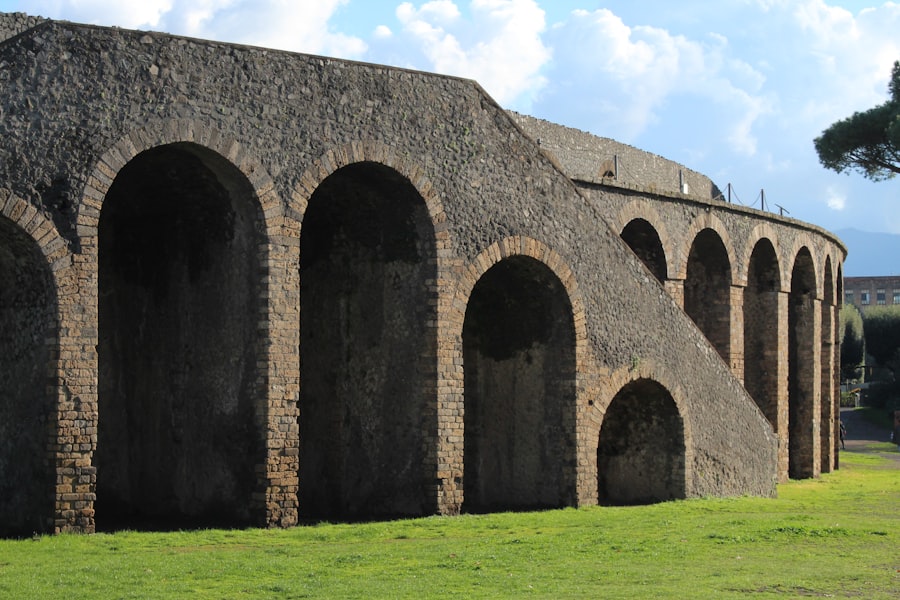
Politics often plays a pivotal role in the suppression of archaeological revelations. Governments may fear that certain discoveries could incite social unrest or challenge their authority. For example, if an archaeological finding suggests that a marginalized group had a more significant role in history than previously acknowledged, it could threaten existing power structures.
In such cases, you might observe how political leaders choose to suppress these findings to maintain control over historical narratives. Additionally, international politics can complicate matters further. Archaeological discoveries can become pawns in geopolitical disputes, with nations vying for ownership or recognition of significant sites and artifacts.
This competition can lead to the suppression of findings that do not align with national interests or agendas. As you consider these dynamics, you will gain insight into how deeply intertwined archaeology is with political power plays.
The Ethical Dilemma of Suppressing Archaeological Findings
The ethical implications surrounding the suppression of archaeological findings are profound and complex. On one hand, there is a compelling argument for protecting certain discoveries from public scrutiny if they could incite violence or unrest. However, on the other hand, withholding information from the public raises questions about transparency and accountability in academia and government.
As you reflect on this ethical dilemma, consider how it impacts not only historians and archaeologists but also society at large. The right to know our history is fundamental to understanding our identity and culture. When findings are suppressed, it denies individuals the opportunity to engage with their heritage fully.
This tension between ethical responsibility and societal stability is a critical aspect of the ongoing conversation about archaeological revelations.
The Consequences of Suppressing Archaeological Revelations
The consequences of suppressing archaeological revelations extend far beyond academic circles; they ripple through society as a whole. When significant discoveries are hidden from view, it can lead to a collective amnesia regarding our shared history. You may find it alarming how this amnesia can foster ignorance and prejudice, as people cling to outdated narratives that do not reflect the complexities of human experience.
Furthermore, suppressing archaeological findings can hinder cultural understanding and appreciation. When societies are unaware of their diverse histories, it can lead to divisions and conflicts rooted in misunderstanding. As you contemplate these consequences, you will recognize the importance of fostering an inclusive dialogue about our past—one that embraces all voices and perspectives rather than silencing them.
The Importance of Preserving and Sharing Archaeological Discoveries
Preserving and sharing archaeological discoveries is essential for fostering a deeper understanding of our collective history. When you consider the wealth of knowledge contained within these findings, it becomes clear that they hold valuable lessons for contemporary society. By sharing discoveries with the public, archaeologists can promote cultural awareness and appreciation for diverse histories.
Moreover, public engagement with archaeology can inspire future generations to value their heritage and contribute to ongoing research efforts. You might find it encouraging how educational programs and community initiatives are increasingly focused on making archaeology accessible to all.
The Future of Unearthing Suppressed Archaeological Revelations
As we look toward the future, there is hope for unearthing suppressed archaeological revelations and fostering a more inclusive understanding of history. Advances in technology will continue to play a crucial role in this endeavor, allowing researchers to explore previously inaccessible sites and challenge established narratives. You may be excited by the potential for new discoveries that could reshape our understanding of human civilization.
Additionally, growing awareness about the importance of transparency in archaeology is encouraging a shift toward more open practices within the field. As scholars advocate for greater collaboration with local communities and stakeholders, there is potential for a more holistic approach to archaeology—one that values diverse perspectives and encourages dialogue about our shared past.
Embracing the Truth in Archaeology
In conclusion, embracing the truth in archaeology is essential for understanding our shared human experience. The suppression of archaeological revelations poses significant challenges but also presents opportunities for growth and learning. As you reflect on this topic, consider how important it is for individuals and societies alike to advocate for transparency and inclusivity in historical discourse.
By acknowledging suppressed discoveries and striving to reveal hidden truths, we can foster a richer understanding of our past—one that honors all voices and perspectives. Ultimately, embracing the truth in archaeology not only enriches our knowledge but also strengthens our connections to one another as we navigate an increasingly complex world together.
Recent discussions surrounding suppressed archaeological discoveries have shed light on the intriguing findings that challenge our understanding of history. For a deeper dive into this topic, you can explore the article on Real Lore and Order, which delves into various archaeological sites that have been overlooked or intentionally hidden from the public eye. To read more, visit this article.
WATCH THIS! 🔍 Archaeologists REFUSE to Explain This Ancient Machine
FAQs
What are suppressed archaeological discoveries?
Suppressed archaeological discoveries refer to findings in archaeology that have been intentionally hidden, ignored, or not widely publicized due to political, religious, cultural, or social reasons.
Why are some archaeological discoveries suppressed?
Discoveries may be suppressed to avoid controversy, protect national or cultural narratives, prevent public unrest, or due to conflicts with established historical or religious beliefs.
How are suppressed archaeological discoveries revealed?
They can be revealed through whistleblowers, independent researchers, declassification of documents, new excavations, or advances in technology such as remote sensing and DNA analysis.
What impact do suppressed discoveries have on our understanding of history?
Revealing suppressed discoveries can challenge existing historical narratives, provide new insights into ancient civilizations, and broaden our understanding of human history and cultural development.
Are suppressed archaeological discoveries common?
While not extremely common, there have been notable instances throughout history where significant findings were withheld or downplayed for various reasons.
Can suppressed discoveries affect modern politics or society?
Yes, they can influence national identity, cultural pride, or political agendas, and sometimes lead to debates or conflicts over heritage and historical interpretation.
How can the public access information about suppressed archaeological discoveries?
Information can be accessed through academic publications, documentaries, news reports, museum exhibits, and sometimes through freedom of information requests or investigative journalism.
What role do archaeologists play in preventing suppression?
Ethical archaeologists advocate for transparency, proper documentation, and sharing of findings with the public and scholarly community to prevent suppression of important discoveries.