The year 2025 proved to be a remarkable period for archaeological discovery, with several groundbreaking finds illuminating previously obscure facets of human history. Researchers across the globe meticulously excavated sites, applied advanced analytical techniques, and meticulously pieced together fragmented narratives from antiquity. This article delves into the most compelling archaeological revelations of the past year, offering a glimpse into the minds and lives of those who came before us.
One of the most significant discoveries of 2025 was the identification and preliminary excavation of K’umix, a previously unrecorded ancient Maya city in the Petén Basin of Guatemala. Initial lidar surveys, conducted in late 2024, revealed an intricate network of causeways, plazas, and monumental architecture hidden beneath a dense canopy of rainforest. Subsequent ground-truthing in early 2025 by a multinational team spearheaded by the University of San Carlos of Guatemala confirmed the lidar data’s remarkable accuracy.
Scale and Significance
K’umix, meaning “Jaguar’s Gaze” in a reconstructed Ch’olan dialect, sprawls across an estimated area of 25 square kilometers, rivaling the size of major Maya centers like Tikal or Calakmul. Its strategic location suggests a pivotal role in regional trade networks and political dynamics during the Late Classic period (c. 600–900 CE). The city’s sheer scale necessitates a re-evaluation of population estimations for the ancient Maya lowlands.
Architectural Marvels
Among the most striking features of K’umix are its monumental twin-pyramid complexes, a hallmark of powerful Maya polities. One such complex, designated as Structure 7C-5, rises over 60 meters from its base, making it one of the tallest known Maya structures. Preliminary excavations within its base have unearthed intact dedicatory caches containing obsidian blades, jade offerings, and exquisitely crafted polychrome pottery depicting mythological scenes. The scale and artistic sophistication of these artifacts suggest a highly stratified society with a state-sponsored artistic tradition.
Epigraphic Insights
Perhaps the most potent discoveries within K’umix are the numerous stelae and carved lintels recovered from its central plazas and palace compounds. These monuments bear extensive hieroglyphic inscriptions, largely intact due to centuries of natural preservation beneath the rainforest. Initial decipherments have begun to shed light on the city’s dynastic history, revealing the names of at least five previously unknown rulers and their intertwined relationships with neighboring polities. These texts also chronicle significant historical events, including military campaigns, alliances, and astronomical observations, offering a richer tapestry of Maya political history.
One of the most intriguing aspects of archaeology is the constant discovery of mysterious artifacts that challenge our understanding of history. In 2025, a fascinating article titled “Unearthing the Unknown: The Most Mysterious Archaeological Finds of 2025” explores some of the most enigmatic discoveries made this year, shedding light on ancient civilizations and their practices. For those interested in delving deeper into these captivating finds, you can read the full article here: Unearthing the Unknown.
The Beringian Land Bridge: New Evidence of Early Migrations
Further north, a collaborative effort between geologists and archaeologists in Alaska and the Russian Far East yielded compelling new evidence concerning the peopling of the Americas. A deep-sea drilling project, targeting sediment cores off the coast of the Bering Strait, unexpectedly retrieved genetic material and paleoenvironmental indicators that challenge prevailing theories about the timing and nature of migration across the Beringian land bridge.
Unforeseen Genetic Signatures
Analysis of mitochondrial DNA (mtDNA) and Y-chromosomal DNA fragments extracted from ancient permafrost samples, some dating back as far as 30,000 to 25,000 years ago, revealed distinct genetic lineages not previously identified in indigenous American populations. These findings suggest a more complex and potentially multi-wave migratory pattern than previously assumed. The presence of these unique genetic markers, subsequently correlated with linguistic data from isolated indigenous groups, opens a new avenue of research into the genetic ancestry of the First Americans.
Paleoenvironmental Reconstruction
Complementing the genetic data, the sediment cores provided an unparalleled stratigraphic record of environmental fluctuations across the ancient Beringian landscape. Microfossil analysis of pollen, diatoms, and insect remains has allowed for a detailed reconstruction of vegetation zones, climate patterns, and water availability during the proposed migration periods. This evidence suggests that pockets of relatively habitable refugia existed on the land bridge for longer durations than previously modeled, potentially sustaining early human populations for extended periods. This challenges the notion of a rapid, unidirectional “express train” migration.
Material Culture in Unexpected Locales
The drilling project also yielded microscopic traces of early human activity, including charred bone fragments and lithic debitage, embedded within the sediment layers. Spectroscopic analysis confirmed these to be consistent with early Upper Paleolithic tool technologies found in Siberia. While no intact sites were discovered, the presence of these minute anthropogenic indicators at depths corresponding to these early periods provides a tantalizing glimpse into human presence on the land bridge itself, not merely its margins.
The Sunken City of Heracleion: New Temples Emerge
Off the coast of Egypt, the ongoing excavation of the ancient port city of Heracleion (also known as Thonis-Heracleion) continued to yield spectacular results, with archaeologists uncovering two previously unexplored temple complexes beneath the shifting sands and waters of Aboukir Bay. The city, which sank around the 8th century CE, has been a treasure trove of Hellenistic and Pharaonic artifacts since its rediscovery in 2000.
Dedicated to Amun-Gereb and Isis
The larger of the two newly identified structures, designated as Temple of Amun-Gereb II, stands as a monumental testament to the syncretic religious practices of Heracleion. Its architectural style blends traditional Egyptian temple design with clear Hellenistic influences, featuring elaborate friezes depicting both Egyptian deities and Greek mythological figures. Inside, researchers discovered a perfectly preserved gold statuette of Amun-Gereb, adorned with lapis lazuli and carnelian, along with a collection of bronze offering plates intricately engraved with dedications in both hieroglyphic and demotic scripts.
The second temple, smaller in scale but equally significant, was dedicated to Isis. Its interior walls are adorned with vibrant fresco paintings depicting scenes from the goddess’s mythology, a rare find given the susceptibility of such artworks to marine degradation. The discovery of numerous ankh symbols and offerings to Isis suggests a strong cult dedicated to the goddess, likely reflecting her enduring popularity during the Ptolemaic period.
Evidence of Economic Activity
Beyond the religious structures, the excavation of Heracleion in 2025 also unearthed significant new evidence of the city’s prodigious economic activity. A previously unknown portion of the city’s harbor was mapped, revealing additional docks, warehouses, and shipwrecks. Among the shipwrecks, one particularly well-preserved vessel, estimated to date from the 2nd century BCE, contained a cargo of olive oil amphorae, grain, and remarkably, rolls of papyrus. The papyri, currently undergoing conservation and decipherment, promise to reveal invaluable insights into the daily life, trade routes, and administrative practices of this vital ancient port.
Technological Advancements in Underwater Archaeology
The success of the 2025 Heracleion expedition can be partly attributed to significant advancements in underwater archaeological technology. New generation autonomous underwater vehicles (AUVs) equipped with multi-beam sonar and sub-bottom profilers provided unprecedented detail of the submerged topography, allowing archaeologists to precisely locate and map buried structures with minimal disturbance. Furthermore, remotely operated vehicles (ROVs) fitted with specialized robotic arms facilitated the delicate retrieval of fragile artifacts from the seabed, minimizing human risk and ensuring the integrity of the archaeological context.
The Göbekli Tepe Enigma: New Interpretations of a Neolithic Revolution
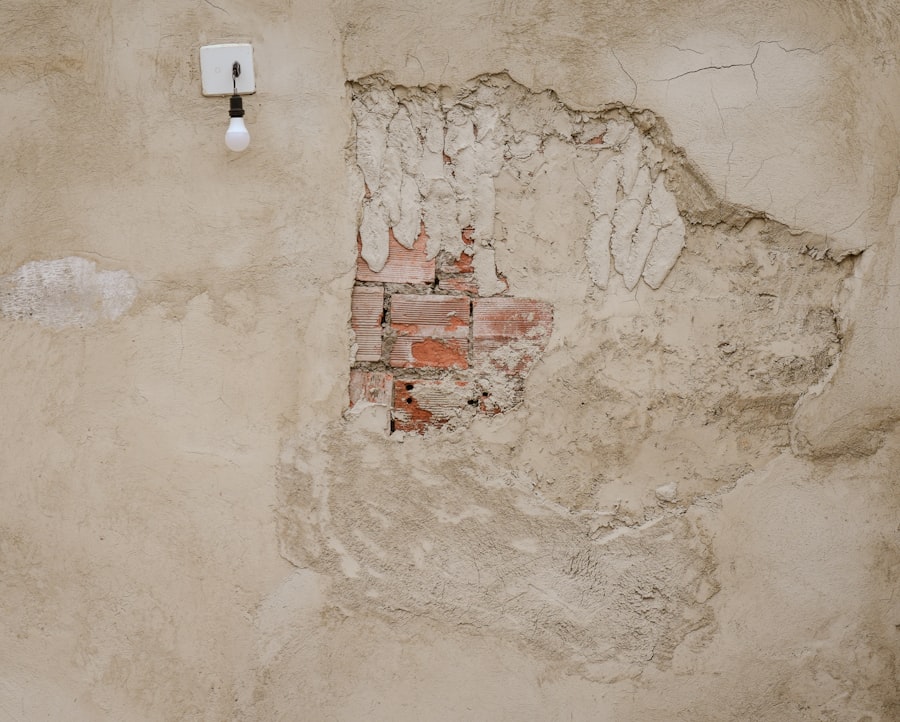
At the enduringly enigmatic site of Göbekli Tepe in southeastern Turkey, a site that has fundamentally reshaped our understanding of the Neolithic Revolution, ongoing excavations in 2025 provided further grist for the interpretive mill. The perennial question posed by this monumental complex of T-shaped megaliths – was it a center of religion that spurred agriculture, or vice-versa? – remains unanswered, but new data has refined the debate.
Delineating Early Ritual Spaces
The 2025 excavation uncovered an entirely new circular enclosure, designated “Enclosure H,” situated to the west of the previously known structures. Unlike the larger, more ornate enclosures, Enclosure H features smaller, relatively uncarved megaliths, hinting at a potentially earlier phase of construction. The discovery of numerous broken bone fragments, some bearing cut marks, within associated refuse pits suggests intensive feasting activities, reinforcing the ceremonial nature of the site. The simpler design of Enclosure H may represent an architectural precursor to the more elaborate structures, offering a chronological depth to the site’s development and a potential evolutionary pathway for its complex ritual architecture.
Connecting Diet and Construction
Crucially, new archaeobotanical and faunal analyses from Göbekli Tepe have provided a more nuanced picture of the diet of its builders. While previous research confirmed a reliance on wild cereals and game, the 2025 findings show a slight but detectable increase in the consumption of early domesticated plant species, particularly emmer wheat, in the later phases of the site’s occupation. This suggests a gradual integration of early agricultural practices alongside traditional hunter-gatherer subsistence strategies. The temporal overlap between the increasingly complex structures and the subtle shift in dietary patterns offers a compelling, albeit indirect, connection between the two phenomena. It posits that monumental construction may have been supported, in part, by emerging food production surplus, even if it wasn’t the primary driver.
The Role of Megalithic Labor
For the first time, researchers were also able to identify distinct tool marks on several of the T-shaped pillars in Enclosure H, indicating the use of specific flint and obsidian tools for carving. Replicating these techniques experimentally, archaeologists estimated the immense labor investment required for quarrying, transporting, and carving these massive stones. The sheer organizational effort implied by these labor estimations underscores the presence of a highly complex social structure, capable of coordinating hundreds, if not thousands, of individuals for collective endeavors. This complexity, in turn, points to a sophisticated understanding of resource management and social hierarchy that predates conventional notions of sedentism and agriculture.
As we delve into the fascinating world of archaeology, the year 2025 promises to unveil some of the most mysterious finds yet. Recent discoveries have sparked intrigue among historians and enthusiasts alike, with artifacts that challenge our understanding of ancient civilizations. For those eager to explore this captivating topic further, a related article discusses these enigmatic archaeological finds in detail. You can read more about it here. These revelations not only shed light on the past but also raise new questions about our history and the cultures that shaped it.
The Roman Frontier: Unveiling a Buried Fortification
| Find Name | Location | Year Discovered | Description | Significance | Current Status |
|---|---|---|---|---|---|
| The Enigmatic Orb | Gobekli Tepe, Turkey | 2025 | A perfectly spherical stone orb with unknown markings, dating back 12,000 years. | Challenges understanding of prehistoric craftsmanship and symbolism. | Under analysis by international team of archaeologists. |
| Submerged City Ruins | Coast of Japan | 2025 | Remains of a large city structure found 30 meters underwater, with advanced architecture. | Potentially rewrites history of ancient maritime civilizations. | Excavation ongoing with underwater robotics. |
| The Crystal Tablets | Andes Mountains, Peru | 2025 | Set of translucent crystal tablets inscribed with unknown script. | May provide insights into lost ancient languages or civilizations. | Decipherment attempts underway. |
| Giant Stone Wheels | Central Africa | 2025 | Massive stone wheels, over 3 meters in diameter, purpose unknown. | Could indicate unknown ancient technology or ritual use. | Research and dating in progress. |
| Ancient Mechanical Device | Black Sea Region | 2025 | Complex gear system made of bronze, predating known mechanical inventions. | Suggests advanced engineering knowledge in prehistoric times. | Preserved and displayed in local museum. |
In the rugged hills of northern Britain, near Hadrian’s Wall, a geophysical survey and subsequent excavation led to the remarkable discovery of a previously unknown Roman fortification, dating to the late 1st century CE. This find significantly alters the understanding of early Roman military strategy in the region, predating the construction of Hadrian’s Wall by several decades.
A Precursor to Hadrian’s Wall
The newly designated fort, provisionally named “Castra Aventicum,” after a nearby stream, covers an area of approximately 3 hectares, a size indicative of a cohort-strength garrison (around 500-600 men). Its construction, characterized by earthen ramparts reinforced with timber palisades and a double ditch system, aligns with Roman military engineering practices of the Flavian dynasty. The dating evidence, primarily ceramic fragments (terra sigillata and coarse ware) and coins bearing the likeness of Emperors Vespasian and Domitian, firmly places its occupation in the late 1st century CE. This predates the earliest phases of Hadrian’s Wall by nearly 40 years, suggesting a more robust and expansive initial Roman presence in the area than previously understood.
Strategic Location and Purpose
Castra Aventicum’s strategic location, perched on a spur overlooking a major river valley, indicates its role in controlling vital communication routes and potentially guarding against incursions from unconquered tribes to the north. Its discovery fills a geographical gap in the known network of early Roman forts in the region, suggesting a more comprehensive and systematic attempt at frontier control before the construction of the permanent stone barrier of Hadrian’s Wall. This discovery prompts a re-evaluation of the continuity and evolution of Roman frontier policy in Britannia.
Evidence of Garrison Life
Excavations within the fort’s interior have revealed the foundations of barrack blocks, a granary, and a commanding officer’s house (principia). Artifacts recovered from these structures provide a tangible connection to the lives of the soldiers who garrisoned Castra Aventicum. Personal effects such as bronze brooches, carved bone dice, and fragments of leather footwear offer glimpses into their daily routines and recreational activities. Furthermore, hundreds of iron nails, tools, and weapon fragments underscore the military purpose of the site. A particularly poignant find was a small lead curse tablet, inscribed in Latin, calling for ill fortune upon a fellow soldier who had stolen a specific cloak. This human dimension, even in its pettiness, brings the distant past into sharp relief, revealing the universalities of human nature.
Conclusion: The Perpetual Unveiling
The archaeological endeavors of 2025 serve as a potent reminder that the earth holds countless stories waiting to be told. From the sprawling urbanism of the Maya to the nascent agricultural experiments of Anatolia, and from the earliest migrations across Beringia to the disciplined march of Roman legions, each discovery acts as a key, unlocking new chambers in the grand edifice of human history. As we continue to refine our methodologies and embrace interdisciplinary approaches, the future promises even more profound insights into our shared past. The journey of discovery is perpetual, and the archaeological community remains steadfast, sifting through the sands of time, one layer at a time, to reveal the truths that lie beneath. What mysteries, one might wonder, will 2026 bring forth? Only time, and dedicated excavation, will tell.
SHOCKING: 50 Artifacts That Prove History Was Erased
FAQs
What are some of the most mysterious archaeological finds expected in 2025?
In 2025, archaeologists anticipate uncovering artifacts and sites that could include ancient lost cities, unexplained structures, and enigmatic relics that challenge current historical understanding. Specific discoveries will depend on ongoing excavations and research projects worldwide.
Why are some archaeological finds considered mysterious?
Archaeological finds are considered mysterious when they cannot be easily explained by current historical knowledge, exhibit unusual craftsmanship, or contain symbols and materials that do not match known cultures or timelines. These mysteries often prompt new theories about ancient civilizations.
How do archaeologists verify the authenticity of mysterious finds?
Archaeologists use a combination of methods such as carbon dating, stratigraphy, material analysis, and peer-reviewed research to verify the authenticity of finds. They also compare discoveries with existing historical records and consult experts in related fields.
What impact do mysterious archaeological discoveries have on our understanding of history?
Mysterious discoveries can significantly alter our understanding of history by revealing unknown cultures, technologies, or interactions between ancient peoples. They often lead to new research, reinterpretation of historical timelines, and a deeper appreciation of human heritage.
Where can I find updates on the most mysterious archaeological finds in 2025?
Updates on archaeological discoveries are typically published in academic journals, news outlets specializing in science and history, and official reports from archaeological institutions. Conferences and documentaries also provide insights into the latest findings.