
Fossil water consists of ancient groundwater deposits that have remained trapped in underground aquifers for thousands to millions of years without significant replenishment. These non-renewable water sources have provided essential water supplies for human settlements in arid and semi-arid regions where annual precipitation is insufficient to meet basic needs. Desert civilizations have historically depended on fossil water aquifers to support permanent settlements, irrigation systems, and agricultural production.
Archaeological evidence demonstrates that access to these groundwater resources enabled the establishment of major population centers in regions such as the Sahara Desert, Arabian Peninsula, and southwestern United States. Communities developed sophisticated extraction methods, including qanat systems, hand-dug wells, and later mechanized pumping, to access water stored hundreds of meters below the surface. The availability of fossil water has directly influenced settlement patterns, population density, and economic activities in desert regions.
Civilizations that successfully located and managed these aquifers could maintain stable food production through irrigation agriculture, support larger populations, and establish trade networks connecting distant regions. Conversely, the depletion or loss of access to fossil water sources has contributed to the abandonment of settlements and the decline of regional populations throughout history. Modern extraction rates of fossil water often exceed natural recharge rates by significant margins, as these aquifers typically receive minimal replenishment under current climatic conditions.
This has created sustainability challenges for contemporary populations that continue to rely on these ancient water reserves for municipal, agricultural, and industrial purposes.
Key Takeaways
- Fossil water has been crucial for the survival and development of desert civilizations, both ancient and modern.
- Identifying and accessing fossil water sources requires advanced techniques and careful management.
- Using fossil water for agriculture supports food production but poses sustainability challenges.
- Over-extraction of fossil water leads to depletion, threatening the livelihoods of desert communities.
- Innovations and conservation efforts are essential to balance fossil water use with long-term sustainability.
Identifying Fossil Water Sources
Identifying sources of fossil water is a critical step in harnessing this invaluable resource. Geologists and hydrologists employ various methods to locate these ancient aquifers, often relying on geological surveys, satellite imagery, and remote sensing technologies. By analyzing the geological formations and structures beneath the Earth’s surface, scientists can pinpoint areas where fossil water is likely to be found.
This process involves studying sedimentary layers, rock types, and the history of water flow in the region, which can provide insights into the presence of ancient aquifers. In addition to geological methods, traditional knowledge and local expertise play a significant role in identifying fossil water sources. Many desert communities have developed an intimate understanding of their environment over generations, often relying on oral histories and cultural practices that highlight the locations of reliable water sources.
This combination of modern scientific techniques and indigenous knowledge can lead to more effective exploration and management of fossil water resources, ensuring that these vital supplies are utilized sustainably.
Utilizing Fossil Water for Agriculture
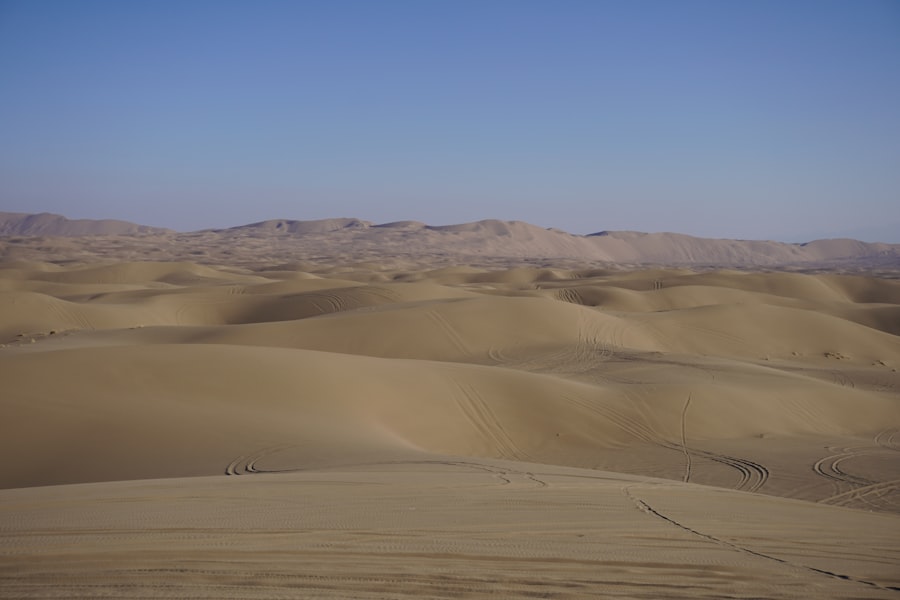
The utilization of fossil water for agriculture has been a game-changer for desert civilizations. With its ability to provide a consistent and reliable source of irrigation, fossil water has enabled farmers to cultivate crops in otherwise barren landscapes. This agricultural potential has not only supported local food production but has also facilitated trade with neighboring regions, contributing to economic growth and stability.
The introduction of irrigation systems powered by fossil water has transformed arid lands into productive fields, allowing communities to grow staple crops such as wheat, barley, and various fruits and vegetables. However, the reliance on fossil water for agriculture also raises important questions about sustainability. As farmers extract this non-renewable resource to meet immediate needs, they must also consider the long-term implications for their communities and ecosystems.
Balancing the demands of agricultural production with the preservation of fossil water reserves is essential for ensuring that future generations can continue to benefit from this vital resource. Innovative farming practices, such as drip irrigation and crop rotation, can help optimize water use while minimizing waste, allowing desert civilizations to thrive without depleting their precious fossil water supplies.
Challenges of Extracting Fossil Water
Despite its importance, extracting fossil water presents numerous challenges that must be addressed to ensure sustainable management. One significant issue is the over-extraction of these ancient aquifers, which can lead to a decline in water quality and availability. As communities increasingly rely on fossil water for agricultural and domestic purposes, the risk of depleting these reserves grows.
This over-extraction can result in land subsidence, reduced groundwater levels, and even the drying up of wells that once provided reliable access to water. Additionally, the extraction process itself can be fraught with technical difficulties. Drilling into deep aquifers requires specialized equipment and expertise, which may not always be available in remote desert regions.
Furthermore, the costs associated with extraction can be prohibitive for small-scale farmers or communities with limited financial resources. Addressing these challenges necessitates a collaborative approach that involves local stakeholders, government agencies, and scientific experts working together to develop sustainable extraction methods that prioritize both human needs and environmental health.
Impact of Fossil Water Depletion on Desert Civilizations
| Metric | Fossil Water | Desert Civilizations |
|---|---|---|
| Definition | Ancient underground water reserves trapped in aquifers for thousands to millions of years | Human societies that developed and thrived in arid desert environments |
| Primary Use | Irrigation, drinking water, and sustaining agriculture in arid regions | Agriculture, trade, cultural development, and urbanization in desert areas |
| Examples | Great Man-Made River (Libya), Nubian Sandstone Aquifer (North Africa) | Ancient Egypt, Mesopotamia, Nabateans, Indus Valley Civilization |
| Water Renewal Rate | Extremely slow; often thousands to millions of years (non-renewable on human timescales) | Dependent on seasonal rains and oases; limited and variable |
| Impact on Civilization Sustainability | Critical for long-term survival in desert regions; depletion can lead to collapse | Adaptation to scarce water resources shaped social, economic, and technological development |
| Challenges | Over-extraction leading to depletion and land subsidence | Water scarcity, extreme temperatures, and limited arable land |
| Modern Relevance | Important for current water supply in arid countries facing water stress | Archaeological and historical study informs sustainable desert living practices |
The depletion of fossil water resources poses a significant threat to desert civilizations. As aquifers are drained faster than they can naturally recharge, communities face dire consequences that extend beyond mere water scarcity. The loss of this vital resource can lead to agricultural decline, food insecurity, and economic instability.
In many cases, entire communities may be forced to abandon their homes in search of more sustainable living conditions, resulting in social upheaval and cultural disintegration. Moreover, the environmental impacts of fossil water depletion can be profound. As groundwater levels drop, ecosystems that depend on these aquifers may suffer from reduced biodiversity and habitat loss.
Wetlands may dry up, affecting wildlife populations and disrupting local food chains.
Innovations in Fossil Water Conservation
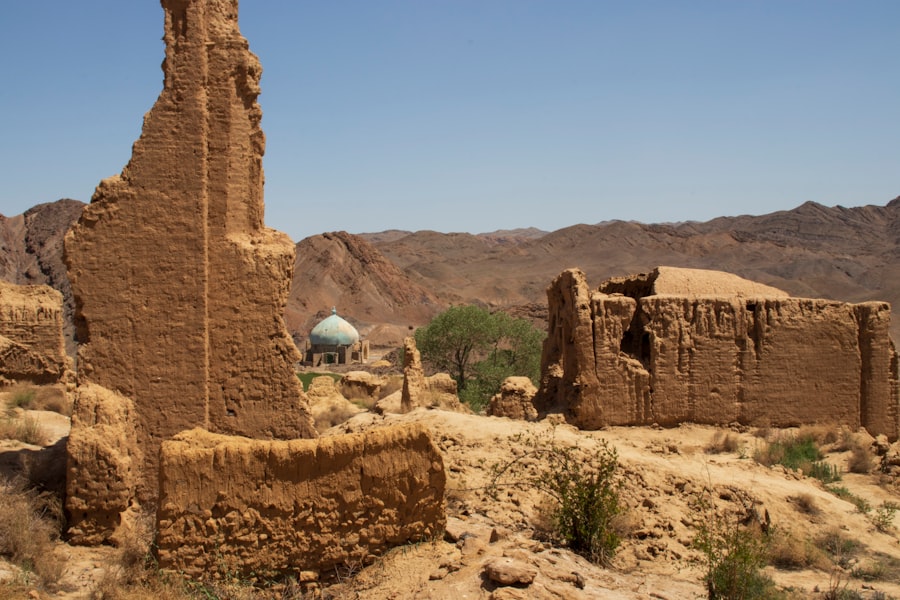
In response to the challenges posed by fossil water depletion, innovative conservation strategies are emerging that aim to protect this precious resource for future generations. One promising approach involves the use of advanced technologies such as remote sensing and data analytics to monitor groundwater levels and assess aquifer health.
Additionally, traditional conservation practices are being revitalized alongside modern techniques. Many desert communities are rediscovering age-old methods of water management that emphasize efficiency and sustainability. Techniques such as rainwater harvesting, contour farming, and the use of drought-resistant crops are gaining traction as viable solutions for conserving fossil water while maintaining agricultural productivity.
These innovations reflect a growing recognition of the need to balance human needs with environmental stewardship.
Ancient Civilizations’ Dependence on Fossil Water
The historical dependence on fossil water by ancient civilizations provides valuable insights into contemporary challenges related to water management in arid regions. Archaeological evidence reveals that societies such as the Nabataeans in present-day Jordan and the ancient Egyptians relied heavily on underground aquifers to support their agricultural practices and urban centers. These civilizations developed sophisticated irrigation systems that maximized the use of available water resources while minimizing waste.
The lessons learned from these ancient societies underscore the importance of sustainable practices in managing fossil water resources. As modern civilizations grapple with similar challenges, they can draw inspiration from historical examples that demonstrate the potential for resilience through effective water management strategies. By studying how ancient cultures adapted to their environments, contemporary societies can develop more sustainable approaches to utilizing fossil water while preserving it for future generations.
Modern-Day Utilization of Fossil Water
In today’s world, the utilization of fossil water continues to play a critical role in supporting agriculture and sustaining populations in arid regions. Countries such as Saudi Arabia and Libya have invested heavily in tapping into their fossil water reserves to meet growing demands for food production and urban development. Large-scale irrigation projects powered by fossil water have transformed vast desert landscapes into fertile farmland, enabling these nations to achieve food security despite their challenging climates.
However, this modern-day reliance on fossil water also raises important ethical considerations regarding sustainability and equity. As some regions exploit their ancient aquifers at an alarming rate, others may face severe shortages due to over-extraction or mismanagement. Addressing these disparities requires a concerted effort from governments, international organizations, and local communities to promote equitable access to water resources while prioritizing conservation efforts.
Balancing Fossil Water Extraction with Conservation
Striking a balance between fossil water extraction and conservation is essential for ensuring the long-term viability of this resource. Policymakers must implement regulations that govern extraction practices while promoting sustainable agricultural techniques that minimize waste. This may involve setting limits on groundwater withdrawal based on scientific assessments of aquifer health or incentivizing farmers to adopt more efficient irrigation methods.
Public awareness campaigns can also play a crucial role in fostering a culture of conservation within desert communities. By educating residents about the importance of preserving fossil water resources and encouraging responsible usage practices, societies can work together to safeguard this vital asset for future generations. Collaborative efforts between governments, NGOs, and local stakeholders can create a framework for sustainable management that balances human needs with environmental protection.
The Role of Fossil Water in Sustainable Development
Fossil water plays a pivotal role in sustainable development efforts within desert regions. As populations continue to grow and climate change exacerbates existing challenges related to water scarcity, harnessing this resource responsibly becomes increasingly important. Sustainable development initiatives that prioritize efficient use of fossil water can contribute significantly to food security, economic stability, and overall quality of life for communities living in arid environments.
Integrating fossil water management into broader development strategies can also enhance resilience against climate-related shocks. By investing in infrastructure that supports sustainable extraction practices while promoting conservation efforts, societies can build adaptive capacity in the face of changing environmental conditions. This holistic approach recognizes the interconnectedness between human well-being and natural resource management, paving the way for more sustainable futures.
Preserving Fossil Water for Future Generations
Preserving fossil water for future generations is not merely an environmental imperative; it is a moral obligation that transcends borders and cultures. As current generations benefit from these ancient reserves, they must also take responsibility for ensuring that future populations have access to clean and reliable sources of water. This requires a commitment to sustainable practices that prioritize conservation over short-term gains.
Efforts to preserve fossil water must involve collaboration among governments, scientists, local communities, and international organizations. By fostering dialogue around best practices for resource management while promoting innovative solutions for conservation, societies can work together toward a common goal: safeguarding this invaluable resource for generations yet unborn. The legacy left behind will not only reflect humanity’s ingenuity but also its commitment to stewardship of the planet’s finite resources.
Fossil water, a crucial resource for sustaining desert civilizations, has played a significant role in the development and survival of communities in arid regions. The importance of understanding these ancient water reserves is highlighted in the article found on Real Lore and Order, which explores the intricate relationship between water management and the rise of civilizations in desert environments. This resource not only provides insights into historical practices but also emphasizes the need for sustainable water use in contemporary times.
WATCH THIS! 🏛️ Empires Didn’t Collapse—They Got Erased: The Pattern Nobody Sees
FAQs
What is fossil water?
Fossil water refers to ancient groundwater that has been trapped in underground aquifers for thousands or even millions of years. It is typically non-renewable on a human timescale because it accumulates very slowly or not at all under current climatic conditions.
How is fossil water different from regular groundwater?
Unlike regular groundwater, which is replenished by current rainfall and surface water infiltration, fossil water is a remnant of past climatic periods when the region had a wetter climate. It is often found deep underground and is not easily recharged.
Why is fossil water important for desert civilizations?
Desert civilizations often rely on fossil water as a critical source of freshwater in arid environments where surface water is scarce or absent. Access to fossil water has historically enabled the development of agriculture, settlements, and trade in desert regions.
What are some examples of desert civilizations that used fossil water?
Ancient civilizations such as those in the Sahara Desert, the Arabian Peninsula, and parts of Central Asia utilized fossil water to sustain their populations. For example, the Nubian Sandstone Aquifer System in North Africa has been a vital source of fossil water.
What are the challenges associated with using fossil water?
Since fossil water is a finite resource, over-extraction can lead to depletion, land subsidence, and ecological damage. It is often difficult to manage sustainably because recharge rates are extremely low or nonexistent.
How do modern technologies help in accessing fossil water?
Advances in drilling technology, remote sensing, and hydrogeological mapping have improved the ability to locate and extract fossil water. However, careful management is necessary to avoid overuse.
Can fossil water be replenished?
In most cases, fossil water cannot be replenished within a human lifetime because it was deposited under climatic conditions that no longer exist. Some aquifers may receive minimal recharge, but this is generally insufficient to offset extraction.
What impact does fossil water extraction have on the environment?
Excessive extraction can lower water tables, reduce water availability for ecosystems, cause land subsidence, and degrade water quality. It can also affect the sustainability of human settlements dependent on this water.
Is fossil water used today?
Yes, fossil water is still used today, especially in arid regions where alternative water sources are limited. It supports agriculture, industry, and domestic use but requires careful management to prevent depletion.
How can desert civilizations ensure sustainable use of fossil water?
Sustainable use involves monitoring extraction rates, implementing water-saving technologies, exploring alternative water sources like desalination or rainwater harvesting, and enforcing regulations to protect aquifers from overuse.