
Energy production and consumption in the 21st century face significant sustainability challenges with traditional fossil fuel sources. Waste heat recovery, an established technology in energy engineering, captures and utilizes thermal energy that would otherwise be lost during industrial processes, power generation, and other operations. Waste heat recovery systems extract thermal energy from sources such as manufacturing processes, power plant operations, data centers, and building heating systems.
This captured heat can be converted into electricity through thermoelectric generators, used for space heating, or applied to other thermal processes. The technology operates on the principle of thermodynamic efficiency, reducing overall energy waste in industrial and commercial applications. Industrial facilities commonly implement waste heat recovery through heat exchangers, combined heat and power (CHP) systems, and organic Rankine cycle generators.
These systems can achieve energy efficiency improvements of 10-50% depending on the application and implementation. Manufacturing plants, steel mills, cement factories, and chemical processing facilities represent primary candidates for waste heat recovery due to their high-temperature operations and substantial thermal energy output.
Key Takeaways
- Smothering energy offers significant potential for sustainable and innovative power solutions in the 21st century.
- Addressing environmental impacts is crucial to maximizing the benefits of smothering energy technologies.
- Advances in technology and policy frameworks are key to overcoming challenges in harnessing smothering energy effectively.
- Integrating smothering energy into existing power grids and fostering community engagement are essential for widespread adoption.
- Collaborative efforts and partnerships drive progress and unlock economic and developmental opportunities in smothering energy.
The Environmental Impact of Smothering Energy
When considering the environmental impact of smothering energy, you will find that it offers a significant advantage over conventional fossil fuels. By utilizing heat that would otherwise be wasted, smothering energy reduces greenhouse gas emissions and minimizes your carbon footprint. This is particularly important as climate change continues to pose a threat to ecosystems and human health.
You can take comfort in knowing that embracing smothering energy can contribute to a cleaner, healthier planet for future generations. Moreover, the environmental benefits extend beyond just reduced emissions. As you explore the lifecycle of smothering energy systems, you will notice that they often require fewer resources to implement compared to traditional energy sources.
This means less land degradation, reduced water usage, and lower levels of pollution. By prioritizing smothering energy, you are not only supporting a cleaner environment but also promoting a more sustainable approach to resource management.
Innovations in Smothering Energy Technology
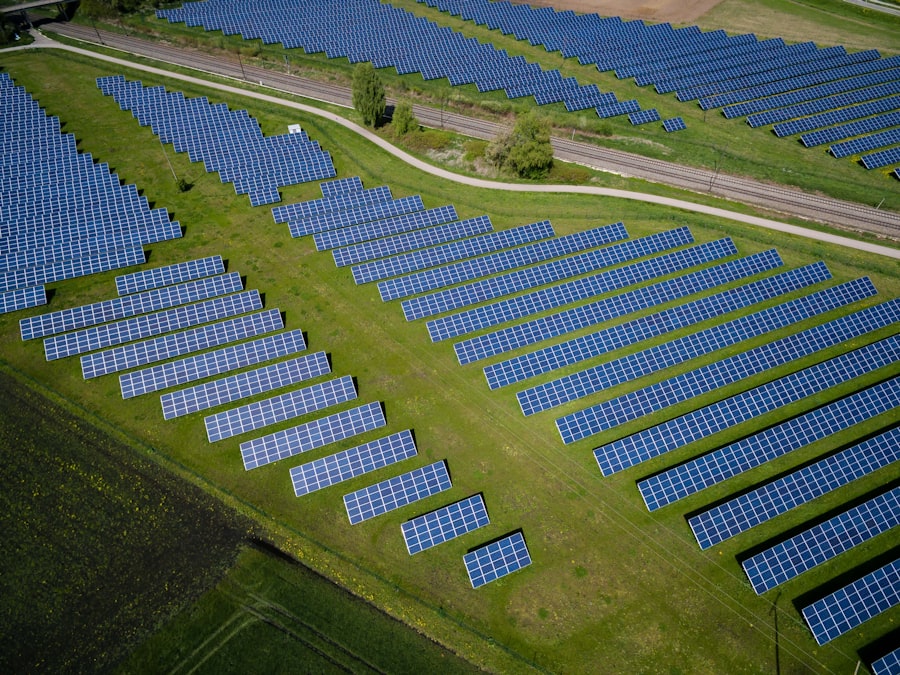
As you look into the innovations surrounding smothering energy technology, you will be amazed by the rapid advancements being made in this field. Researchers and engineers are continuously developing new methods to capture and utilize heat more efficiently. For instance, you might come across cutting-edge thermal storage systems that allow for the retention of heat generated during peak production times, making it available for use when demand is high.
These innovations are crucial for maximizing the potential of smothering energy. Additionally, you may find that smart technology plays a significant role in enhancing the efficiency of smothering energy systems. With the integration of IoT (Internet of Things) devices, real-time monitoring and data analysis can optimize energy production and consumption.
This means that as you engage with these technologies, you can contribute to a more responsive and adaptive energy landscape. The future of smothering energy is bright, driven by innovation and a commitment to sustainability.
The Role of Smothering Energy in Sustainable Development
In your quest for sustainable development solutions, smothering energy emerges as a key player in achieving global goals. The United Nations Sustainable Development Goals (SDGs) emphasize the importance of affordable and clean energy for all. By harnessing smothering energy, you can help bridge the gap between energy access and environmental responsibility.
This form of energy not only provides a reliable power source but also aligns with efforts to combat climate change and promote economic growth. Furthermore, as you consider the social implications of smothering energy, you will recognize its potential to create jobs and stimulate local economies. By investing in this technology, communities can develop new industries focused on energy production and management.
This not only enhances local resilience but also empowers individuals by providing them with skills and opportunities in a rapidly evolving job market. In this way, smothering energy contributes to a holistic approach to sustainable development.
Overcoming Challenges in Harnessing Smothering Energy
| Year | Energy Consumption (Exajoules) | CO2 Emissions (Gigatons) | Primary Energy Source | Global Temperature Anomaly (°C) |
|---|---|---|---|---|
| 1920 | 50 | 2.5 | Coal | 0.0 |
| 1950 | 100 | 5.0 | Oil | 0.1 |
| 1980 | 150 | 8.0 | Oil & Natural Gas | 0.3 |
| 2000 | 200 | 10.5 | Oil & Natural Gas | 0.5 |
| 2020 | 250 | 12.0 | Oil, Natural Gas & Renewables | 1.0 |
While the potential of smothering energy is vast, there are challenges that must be addressed to fully realize its benefits. As you explore these obstacles, you may encounter issues related to technology adoption, funding, and public awareness. For instance, many communities may lack the necessary infrastructure or financial resources to implement smothering energy systems effectively.
This highlights the importance of targeted investments and support from both public and private sectors. Additionally, you may find that there is a need for greater education and outreach regarding smothering energy technologies. Many individuals may not be familiar with the concept or its benefits, which can hinder acceptance and implementation.
By engaging in community education initiatives, you can help raise awareness and foster a culture of innovation around smothering energy solutions. Overcoming these challenges will require collaboration and commitment from all stakeholders involved.
The Economic Benefits of Embracing Smothering Energy

As you consider the economic implications of embracing smothering energy, it becomes evident that this approach can yield significant financial benefits for individuals and communities alike. By reducing reliance on imported fossil fuels, you can help stabilize local economies and promote energy independence. This shift not only lowers energy costs but also creates opportunities for local businesses to thrive in the renewable energy sector.
Moreover, investing in smothering energy technologies can lead to job creation across various industries. From manufacturing to installation and maintenance, there are numerous roles that can emerge as communities adopt these systems. As you engage with this topic, you will see how fostering a green economy through smothering energy can lead to long-term economic resilience and growth.
Policy and Regulation for Smothering Energy
To fully harness the potential of smothering energy, effective policy and regulation are essential. As you delve into this area, you will discover that governments play a crucial role in creating an enabling environment for innovation and investment. Policies that incentivize research and development in smothering energy technologies can accelerate their adoption and integration into existing systems.
You may also find that regulatory frameworks need to evolve to accommodate new technologies and practices associated with smothering energy. This includes establishing standards for safety, efficiency, and environmental impact. By advocating for progressive policies that support smothering energy initiatives, you can contribute to shaping a more sustainable future.
Integrating Smothering Energy into the Power Grid
The integration of smothering energy into existing power grids presents both opportunities and challenges. As you explore this topic, you will recognize the importance of developing smart grid technologies that can accommodate diverse energy sources. By enhancing grid flexibility and resilience, communities can better manage fluctuations in supply and demand while maximizing the benefits of smothering energy.
Additionally, collaboration between utility companies and local governments is vital for successful integration. You may find that pilot projects showcasing the effectiveness of smothering energy systems can serve as valuable case studies for broader implementation. By working together to create a cohesive strategy for integrating smothering energy into the power grid, stakeholders can pave the way for a more sustainable energy future.
The Future of Smothering Energy: Opportunities and Possibilities
As you look ahead to the future of smothering energy, it is clear that there are numerous opportunities waiting to be explored. With ongoing advancements in technology and growing awareness of environmental issues, the demand for innovative energy solutions is likely to increase. You may envision a world where smothering energy plays a central role in meeting global energy needs while minimizing environmental impact.
Moreover, as more communities embrace smothering energy solutions, there is potential for knowledge sharing and collaboration on a global scale. You might find it inspiring to think about how different regions can learn from one another’s experiences in implementing these technologies. The future holds great promise for smothering energy as it becomes an integral part of our collective efforts toward sustainability.
Community Engagement and Education for Smothering Energy
Community engagement is crucial for fostering acceptance and understanding of smothering energy technologies. As you consider ways to involve local populations in this movement, you may find that educational initiatives play a significant role in raising awareness about the benefits of smothering energy. Workshops, seminars, and informational campaigns can help demystify these technologies and encourage community members to participate actively.
Additionally, involving local stakeholders in decision-making processes can enhance buy-in and support for smothering energy projects. You might consider organizing community forums where residents can voice their concerns and ideas regarding energy solutions. By fostering an inclusive dialogue around smothering energy, you can help build a sense of ownership among community members while promoting sustainable practices.
Collaborations and Partnerships in Advancing Smothering Energy Solutions
To advance smothering energy solutions effectively, collaborations between various stakeholders are essential. As you explore this aspect further, you will recognize that partnerships between governments, private companies, research institutions, and non-profit organizations can drive innovation and implementation efforts forward. By pooling resources and expertise, these collaborations can accelerate progress toward harnessing smothering energy.
You may also find that international partnerships play a vital role in sharing knowledge and best practices across borders. As countries face similar challenges related to energy production and climate change, working together on smothering energy initiatives can lead to more effective solutions on a global scale. By fostering collaboration at all levels, you can contribute to advancing the cause of smothering energy while promoting sustainability worldwide.
Together, we can harness the power of smothering energy to create a cleaner, more sustainable world for generations to come.
In exploring the implications of a century of smothering energy, it’s essential to consider the broader context of energy consumption and its environmental impact. A related article that delves into these themes is available at this link, where you can find insights on sustainable energy practices and their potential to reshape our future.
FAQs
What is meant by “a century of smothering energy”?
“A century of smothering energy” typically refers to the past 100 years characterized by heavy reliance on energy sources that have had significant environmental and social impacts, such as fossil fuels, which have contributed to pollution, climate change, and resource depletion.
What are the main energy sources discussed in the context of a century of smothering energy?
The main energy sources often discussed include coal, oil, and natural gas. These fossil fuels have powered industrial growth but also led to environmental degradation and greenhouse gas emissions.
How has energy consumption changed over the last century?
Energy consumption has increased dramatically over the last century due to industrialization, population growth, and technological advancements, leading to higher demand for fossil fuels and electricity.
What environmental impacts are associated with a century of smothering energy?
Environmental impacts include air and water pollution, habitat destruction, increased greenhouse gas emissions contributing to global warming, and health problems related to pollution exposure.
What alternatives to smothering energy sources are being considered or used today?
Alternatives include renewable energy sources such as solar, wind, hydroelectric, and geothermal power, as well as nuclear energy, all of which aim to reduce environmental impact and promote sustainability.
Why is it important to move away from smothering energy sources?
Moving away from smothering energy sources is crucial to mitigate climate change, reduce pollution, protect ecosystems, and ensure a sustainable and healthy environment for future generations.
How has technology influenced energy production and consumption in the last century?
Technological advancements have increased energy production efficiency, enabled the extraction of previously inaccessible fossil fuels, and facilitated the development of renewable energy technologies.
What role do governments and policies play in addressing the issues related to smothering energy?
Governments and policies are vital in regulating emissions, promoting clean energy investments, setting environmental standards, and encouraging energy efficiency to transition towards sustainable energy systems.
Can the effects of a century of smothering energy be reversed?
While some environmental damage can be mitigated through restoration efforts and emission reductions, complete reversal is challenging; however, proactive measures can significantly reduce future harm and improve ecological health.
What is the future outlook for global energy use following a century of smothering energy?
The future outlook involves a gradual shift towards cleaner, renewable energy sources, increased energy efficiency, and innovations aimed at reducing carbon footprints to address climate change and sustainability goals.