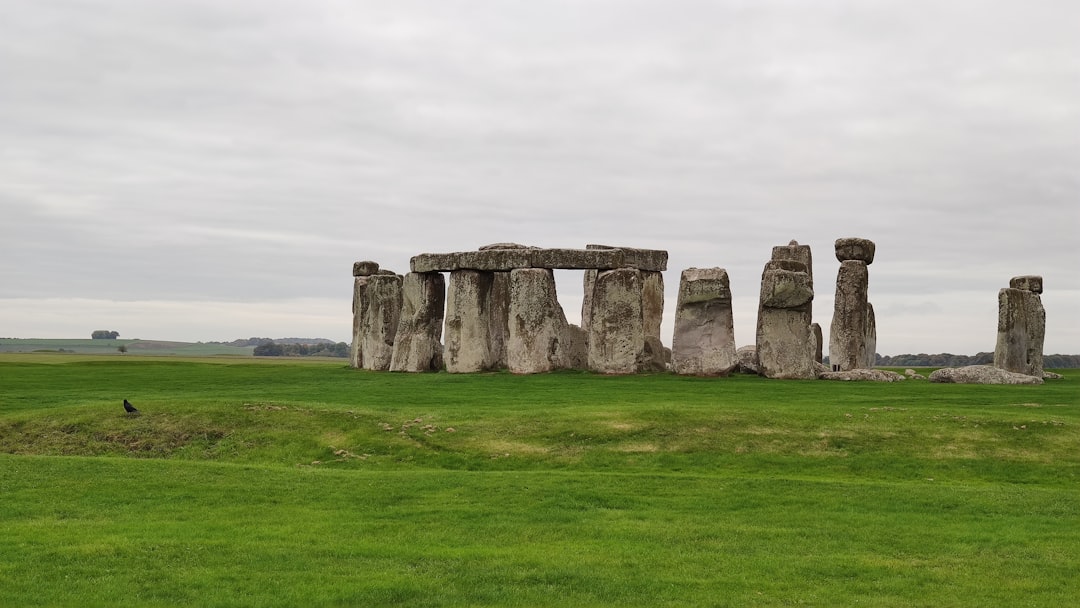
Humans have long sought to predict future events, a practice documented across ancient and modern civilizations. This pursuit reflects a fundamental psychological need to understand and exert control over uncertain circumstances. By anticipating future developments, individuals aim to prepare for potential challenges and capitalize on emerging opportunities.
Predictive methods vary widely, encompassing approaches from spiritual and religious traditions to empirical and scientific methodologies. These techniques have evolved within specific cultural and historical frameworks, reflecting the values and knowledge systems of their respective societies. The evolution of forecasting methods demonstrates a clear progression.
Ancient societies typically integrated prediction with spiritual and religious practices, while contemporary approaches increasingly emphasize data analysis and technological tools. However, the core motivation—managing life’s uncertainties—has remained constant throughout history. This examination will analyze the historical development of predictive practices, including ancient methods, astrology, divination, oracle systems, and contemporary interpretive frameworks that have adapted to modern contexts.
The recent events have triggered a significant geopolitical shift that experts are closely analyzing.
Key Takeaways
- Ancient cultures relied on astrology, oracles, and divination to foresee future events.
- Modern science and technology have transformed traditional predictive methods into more data-driven approaches.
- Ethical concerns arise regarding privacy and accuracy in the use of predictive techniques.
- Integrating ancient wisdom with contemporary tools can enhance the understanding of future possibilities.
- The future of prediction lies in balancing technological advances with respect for historical and cultural insights.
Ancient Methods of Predicting the Future
In ancient times, various cultures developed unique methods for predicting future events, often rooted in their spiritual beliefs and natural observations. The Babylonians, for instance, meticulously recorded celestial movements and weather patterns, believing that these phenomena held clues about future occurrences. Their early forms of astrology laid the groundwork for later astrological practices, emphasizing the connection between human affairs and cosmic events.
Similarly, the ancient Egyptians utilized a combination of astronomy and religious rituals to forecast agricultural cycles and significant societal events. Another prominent method of prediction in ancient cultures was through omens and signs. The Romans, for example, would interpret the behavior of birds or the entrails of sacrificed animals to gain insights into impending events.
These practices were deeply ingrained in their societal norms and often influenced critical decisions, such as military campaigns or political appointments. Such methods reflect a profound belief in the interconnectedness of the natural world and human destiny, showcasing how ancient societies sought to make sense of their environment through predictive techniques.
The Role of Astrology in Predicting the Future

Astrology has long been a significant player in the realm of future prediction, with its roots tracing back thousands of years. This practice involves studying the positions and movements of celestial bodies—such as planets and stars—to gain insights into human behavior and potential future events. Ancient civilizations like the Greeks and Romans embraced astrology as a means of understanding their lives within a cosmic framework.
They believed that celestial alignments could influence personal traits, relationships, and even major life events.
Horoscopes, which provide daily or monthly predictions based on one’s zodiac sign, have become a staple in popular culture.
Many people find solace in astrological insights, viewing them as tools for self-reflection and personal growth rather than definitive forecasts.
Divination and Prophecy in Ancient Cultures
Divination practices were prevalent across various ancient cultures, serving as a means to connect with the divine or tap into hidden knowledge. Techniques such as scrying—gazing into reflective surfaces like water or crystal—were employed by many civilizations to receive prophetic messages. The ancient Greeks revered figures known as oracles, who were believed to possess the ability to communicate with deities and provide guidance on critical matters.
The Oracle of Delphi stands out as one of the most famous examples, where priestesses would enter trance-like states to deliver cryptic messages that influenced political and military decisions. In addition to scrying and oracles, other forms of divination included tarot reading, runes, and I Ching in various cultures. Each method offered unique insights into potential futures while reflecting the values and beliefs of the societies that practiced them.
These ancient divinatory techniques not only served practical purposes but also fostered a sense of community as individuals sought guidance together. The shared experience of seeking knowledge from beyond reinforced social bonds and provided a framework for understanding life’s complexities.
The Use of Oracles and Seers in Ancient Societies
| Ancient Secret | Origin | Method of Prediction | Accuracy | Notable Example |
|---|---|---|---|---|
| Oracle of Delphi | Ancient Greece | Prophecies delivered by Pythia in trance | Varied; often cryptic and open to interpretation | Prediction of Persian invasion |
| Astrology | Babylonian and Egyptian | Interpretation of celestial bodies’ positions | Subjective; depends on astrologer’s skill | Horoscopes predicting personal traits and events |
| Runic Divination | Ancient Norse | Casting and interpreting runes | Symbolic; accuracy depends on reader | Guidance for warriors before battle |
| I Ching (Book of Changes) | Ancient China | Hexagram casting using yarrow stalks or coins | Philosophical guidance; interpretive accuracy | Decision making in governance and personal life |
| Dream Interpretation | Various ancient cultures | Analyzing symbolic meanings of dreams | Highly subjective | Joseph’s prophetic dreams in the Bible |
Oracles and seers played pivotal roles in ancient societies, acting as intermediaries between humans and the divine. These individuals were often revered for their perceived ability to access hidden truths about the future. In many cultures, they were consulted during times of crisis or uncertainty, providing counsel on matters ranging from warfare to agriculture.
The reverence for oracles was not merely based on their predictions but also on their perceived connection to higher powers. The process through which oracles delivered their messages varied widely. Some would enter altered states of consciousness through fasting or inhaling sacred vapors, while others relied on ritualistic practices to channel divine wisdom.
The ambiguity of their prophecies often left room for interpretation, allowing individuals to apply the insights to their specific circumstances. This flexibility contributed to the enduring legacy of oracles in shaping cultural narratives and guiding decision-making processes throughout history.
Modern Interpretations of Ancient Predictive Techniques
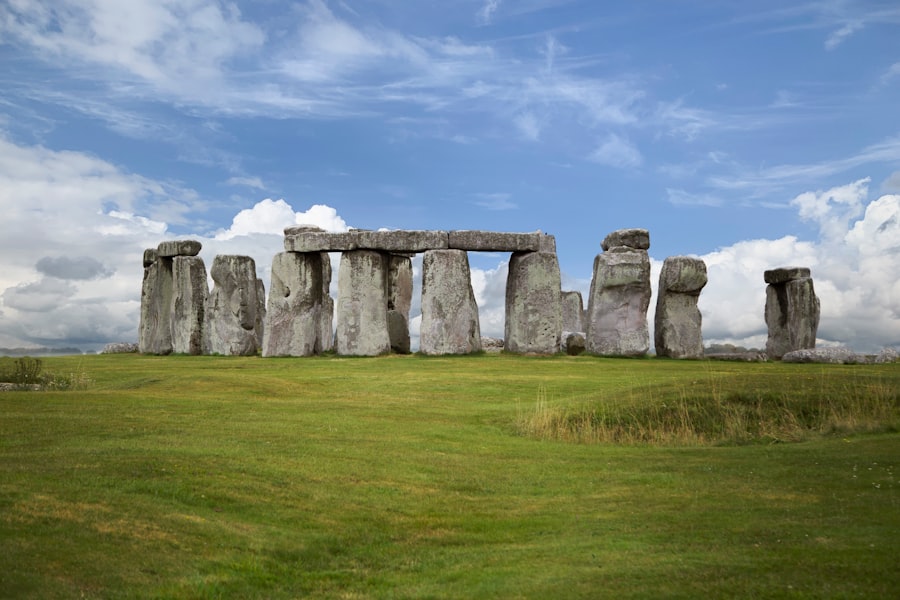
As society has progressed into the modern era, many ancient predictive techniques have undergone reinterpretation and adaptation. While some individuals still adhere strictly to traditional methods like astrology or divination, others have sought to blend these practices with contemporary understandings of psychology and sociology. For instance, modern tarot readings often incorporate elements of self-reflection and personal development, transforming what was once seen as mere fortune-telling into a tool for introspection.
Moreover, the resurgence of interest in ancient wisdom has led to a revival of practices such as rune casting and I Ching consultations among those seeking alternative approaches to decision-making. These methods are often viewed through a psychological lens, emphasizing their potential for fostering self-awareness rather than predicting fixed outcomes. This shift reflects a broader trend toward holistic approaches that prioritize personal agency and empowerment in navigating life’s uncertainties.
The Science Behind Predicting the Future
In contrast to mystical practices, scientific approaches to predicting the future rely on empirical data and statistical analysis. Fields such as meteorology utilize advanced algorithms and models to forecast weather patterns with increasing accuracy. Similarly, economics employs predictive analytics to anticipate market trends based on historical data and consumer behavior.
These scientific methods have revolutionized our understanding of prediction by providing tangible frameworks for interpreting complex systems. However, even within scientific domains, uncertainty remains an inherent aspect of prediction. The chaotic nature of certain systems—such as weather patterns or human behavior—can lead to unexpected outcomes despite rigorous analysis.
This acknowledgment of uncertainty parallels ancient practices that embraced ambiguity in prophecies and predictions. Both approaches highlight the limitations of foresight while underscoring humanity’s enduring quest for understanding amidst unpredictability.
The Influence of Technology on Predictive Methods
The advent of technology has significantly transformed predictive methods across various domains. Big data analytics has emerged as a powerful tool for forecasting trends in fields ranging from healthcare to finance. By harnessing vast amounts of information from diverse sources, analysts can identify patterns that inform decision-making processes with unprecedented precision.
Machine learning algorithms further enhance predictive capabilities by continuously refining models based on new data inputs. Moreover, technology has democratized access to predictive tools, allowing individuals to engage with methods once reserved for experts. Mobile applications now offer personalized horoscopes or tarot readings at users’ fingertips, bridging ancient practices with modern convenience.
This fusion reflects a broader cultural shift toward integrating traditional wisdom with contemporary lifestyles, enabling individuals to navigate uncertainties through both ancient insights and cutting-edge technology.
Ethical Considerations in Predicting the Future
As predictive techniques evolve, ethical considerations surrounding their use become increasingly pertinent. The potential for misuse or misinterpretation of predictions raises questions about accountability and responsibility among practitioners. For instance, reliance on astrological forecasts in critical decision-making—such as medical treatments or financial investments—can lead to detrimental outcomes if not approached with caution.
Furthermore, the rise of data-driven predictions introduces concerns about privacy and consent. As individuals share personal information for tailored predictions, issues surrounding data security and ethical usage come into play. Striking a balance between harnessing predictive insights for personal growth while respecting individual autonomy is essential in navigating these ethical dilemmas.
The Future of Predictive Techniques
Looking ahead, the future of predictive techniques is likely to be shaped by ongoing advancements in technology and evolving societal attitudes toward uncertainty. As artificial intelligence continues to develop, its integration into predictive models may yield even more sophisticated insights across various fields. However, this progress must be tempered with ethical considerations that prioritize transparency and accountability.
Moreover, there may be a resurgence in interest toward blending ancient wisdom with modern methodologies as individuals seek holistic approaches to understanding their lives. The fusion of traditional practices with contemporary insights could pave the way for innovative predictive techniques that honor both historical legacies and current realities.
Embracing Ancient Wisdom for Future Predictions
In conclusion, humanity’s enduring fascination with predicting the future reflects a deep-seated desire for understanding amidst uncertainty. From ancient methods steeped in spirituality to modern scientific approaches driven by data analysis, each technique offers unique insights into navigating life’s complexities. As society continues to evolve, embracing both ancient wisdom and contemporary advancements may provide individuals with a richer toolkit for making sense of their futures.
By recognizing the value inherent in diverse predictive practices—whether rooted in astrology, divination, or empirical science—individuals can cultivate a more nuanced understanding of their lives’ trajectories. Ultimately, this journey toward embracing both tradition and innovation may empower individuals to navigate uncertainties with confidence while honoring the wisdom passed down through generations.
In exploring the fascinating topic of ancient secrets that predict the future, one might find it intriguing to read about the various interpretations and applications of these ancient wisdoms in modern contexts. A related article that delves deeper into this subject can be found at this link. It offers insights into how ancient practices continue to influence contemporary thought and decision-making.
WATCH THIS 🛑 WARNING: The Hidden War Is Already Over (And They Lied About Who Won)
FAQs
What are ancient secrets that predict the future?
Ancient secrets that predict the future refer to knowledge, methods, or practices from historical civilizations believed to have the ability to foresee or interpret future events. These can include astrology, oracle readings, prophetic texts, and symbolic artifacts.
Which ancient civilizations are known for predicting the future?
Several ancient civilizations are known for their predictive practices, including the Babylonians, Egyptians, Greeks, Romans, Mayans, and Chinese. Each culture developed unique methods such as astrology, divination, and prophecy.
What methods did ancient cultures use to predict the future?
Common methods included astrology (studying celestial bodies), divination (interpreting signs or omens), reading sacred texts or prophecies, using oracle consultations, and analyzing symbolic artifacts or dreams.
Are these ancient prediction methods scientifically proven?
Most ancient prediction methods are not scientifically validated and are considered pseudoscientific by modern standards. However, they hold cultural, historical, and symbolic significance.
Can ancient prophecies be interpreted in modern times?
Yes, many ancient prophecies are studied and interpreted by historians, scholars, and enthusiasts. Interpretations vary widely and often depend on cultural context and translation accuracy.
What is the significance of studying ancient secrets that predict the future?
Studying these ancient secrets provides insight into historical worldviews, cultural beliefs, and the human desire to understand and influence future events. It also enriches knowledge of ancient literature, art, and religion.
Are there any famous ancient prophecies still referenced today?
Yes, some famous ancient prophecies include the Oracle of Delphi in Greece, the Mayan calendar predictions, and biblical prophecies. These continue to be subjects of interest and debate.
How reliable are ancient predictions in forecasting future events?
Ancient predictions are generally considered symbolic or allegorical rather than precise forecasts. Their reliability is often questioned, and they are best understood within their historical and cultural contexts.