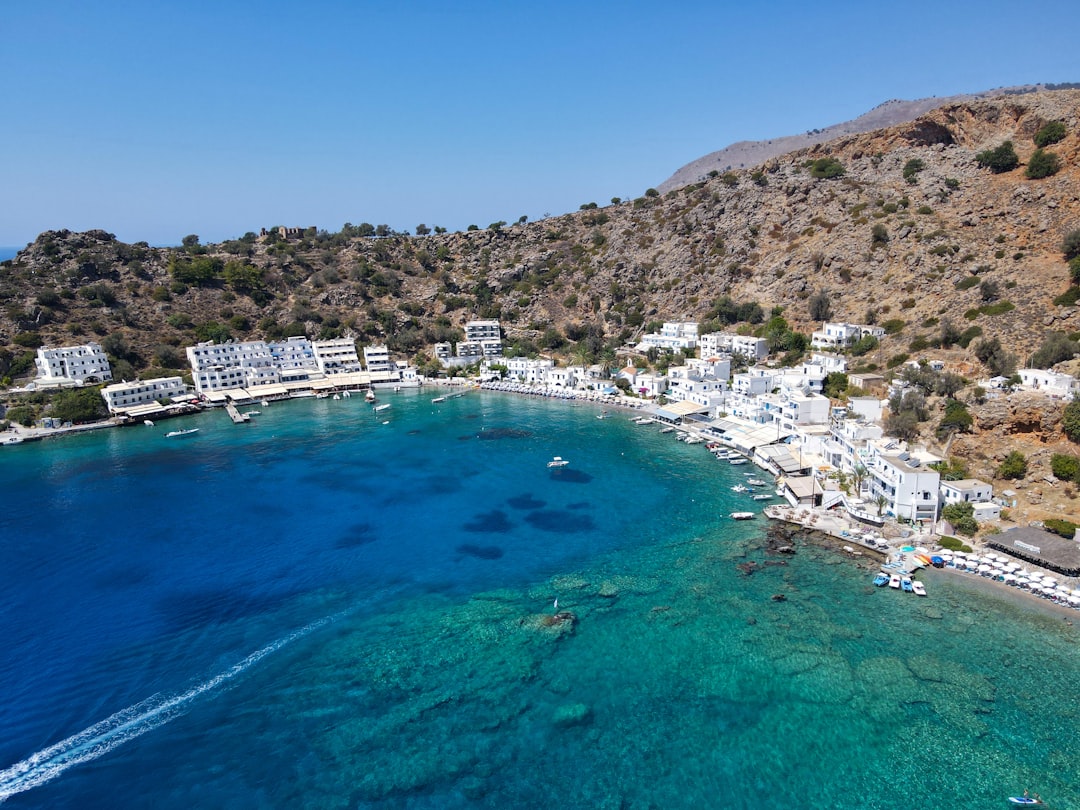
The allure of the Greek islands, a tapestry woven with ancient history, sapphire waters, and sun-drenched landscapes, has long captivated travelers. Beyond their undeniable charm, these islands represent a potent landscape for tourism investment, a realm brimming with potential but requiring a discerning eye to navigate its complexities. To successfully unlock the secrets of Greek Islands tourism investment is to understand the underlying currents of demand, infrastructure, and policy that shape this vibrant sector. This article delves into the key considerations for investors seeking to harness the economic dynamism of Greece’s island paradises.
The appeal of Greek islands to tourists is multifaceted, encompassing cultural heritage, natural beauty, and a distinct lifestyle. For investors, understanding the nuances of this appeal is the bedrock upon which successful ventures are built.
Diverse Tourist Demographics and Their Needs
The Greek islands do not cater to a monolithic tourist. Instead, they attract a spectrum of visitors, each with unique preferences and spending habits.
The Leisure Seeker
This segment prioritizes relaxation, sunbathing, swimming, and enjoying the iconic Grecian scenery. They are drawn to established resorts, boutique hotels offering tranquility, and beachside amenities. Investment opportunities lie in developing or upgrading accommodation that emphasizes comfort, access to desirable beaches, and well-appointed spaces for unwinding. Think of this as acquiring a prime vineyard – the quality of the fruit (the view, the beach) fundamentally dictates the quality of the wine (the vacation experience).
The Cultural Explorer
These tourists are driven by history and mythology, seeking to immerse themselves in ancient ruins, archaeological sites, and authentic local experiences. They may be less inclined towards mass tourism and often seek out destinations with rich historical significance. Investment in heritage sites, cultural centers, museums, and guided tours that offer in-depth historical narratives can be highly rewarding. This demographic is looking for the aged olive groves, the gnarled trunks whispering tales of centuries past.
The Adventure Enthusiast
With a growing interest in active holidays, this segment seeks opportunities for sailing, diving, hiking, cycling, and other outdoor pursuits. The diverse topography of the islands, from mountainous interiors to pristine coastlines, offers significant potential. Investments in water sports facilities, adventure tour operators, well-maintained hiking trails, and eco-lodges catering to this demographic can tap into a lucrative market. This is about cultivating the wild thyme and herbs that thrive on the rugged slopes, adding an aromatic complexity to the investment portfolio.
The Gastronomic Tourist
Food and wine are increasingly central to the travel experience. Greece’s rich culinary traditions, with their emphasis on fresh, local ingredients and distinctive flavors, are a significant draw. Investment in farm-to-table restaurants, vineyard tours and tastings, olive oil production facilities, and cooking classes that showcase regional specialties can capitalize on this trend. This is akin to nurturing a rare spice garden; the distinctiveness and authenticity of the flavors are paramount to its value.
Seasonal Variations and Year-Round Potential
The traditional Greek tourism season, heavily concentrated in the summer months, presents both opportunities and challenges.
Maximizing Peak Season Demand
During the prime summer months, demand for accommodation and services often outstrips supply, leading to premium pricing. Identifying and developing properties in popular destinations or niche segments that cater to high-end tourism during this period can yield substantial returns. This is the golden harvest, where every grape is precious.
Cultivating Off-Season Appeal
The drive towards year-round tourism is a critical objective for sustainable investment. This can be achieved by promoting shoulder seasons (spring and autumn) for their pleasant weather and fewer crowds, and by developing attractions and events that appeal during the winter months.
- Wellness Tourism: Islands with natural hot springs, serene landscapes, and opportunities for yoga and meditation can attract visitors seeking rejuvenation.
- Cultural Events and Festivals: Promoting existing or developing new cultural festivals, religious celebrations, and sporting events can draw visitors outside the traditional summer window.
- Conferences and Business Travel: Developing conference facilities and offering attractive incentives for business events can create a steady stream of off-season visitors.
The development of boutique hotels and villas with excellent amenities, such as spas and indoor pools, can also extend the usability of properties throughout the year, transforming dormant assets into active income generators. This is about diversifying the crop, planting crops that flourish in different seasons.
For those interested in uncovering the hidden gems of tourism investment in the Greek islands, a fascinating article can be found at Real Lore and Order. This resource delves into the secrets of successful investments in this picturesque region, exploring factors such as location, market trends, and the unique cultural experiences that attract visitors year-round. Whether you’re a seasoned investor or a newcomer to the tourism sector, this article provides valuable insights that can help you navigate the opportunities in the Greek islands.
Infrastructure: The Arteries of Tourism Development
Robust infrastructure is the circulatory system of any thriving tourism destination. For Greek islands, strategically investing in and improving their infrastructure is paramount to unlocking their full investment potential.
Accommodation Sector Growth and Diversification
The spectrum of accommodation available directly influences the types of tourists attracted and the overall visitor experience.
Boutique Hotels and Luxury Villas
There is a discernible shift towards more personalized and exclusive accommodation. Investors can find significant opportunities in developing or renovating properties into boutique hotels and luxury villas that offer high-quality service, unique design, and privacy. This caters to the discerning traveler seeking an escape from the ordinary. The architectural design should echo the natural beauty, rather than imposing upon it, much like a well-crafted ceramic vase that complements its contents.
Sustainable and Eco-Friendly Lodging
With growing environmental awareness, investments in eco-lodges, glamping sites, and farm stays that prioritize sustainability and minimize their ecological footprint are becoming increasingly attractive. These ventures often appeal to a segment of travelers willing to pay a premium for responsible tourism. This is not just about building; it is about building with respect for the land, like a shepherd tending his flock with care.
Serviced Apartments and Long-Term Stays
For digital nomads and extended-stay travelers, serviced apartments and properties offering long-term rental options can tap into a growing market segment. This requires a different approach to property management and amenities, focusing on connectivity and homelike comforts.
Transportation Networks: Bridging the Gaps
Efficient and accessible transportation is crucial for island tourism, both for reaching the islands and for navigating them.
Ferry Services and Maritime Connectivity
The primary mode of inter-island transport relies on ferry services. Investments in modernizing ferry fleets, improving scheduling, and potentially exploring high-speed options can significantly enhance connectivity and reduce travel times, making island hopping more appealing. Reliable ferry schedules are the steady heartbeat of island life, ensuring a consistent flow of visitors.
Air Connectivity and Regional Airports
While some islands have international airports, others rely on smaller regional airports or connections through larger hubs. Investments in expanding or upgrading regional airports, alongside advocating for increased flight routes, can open up new markets and attract more direct tourism. This is akin to opening new channels to a flowing river, allowing more water (and visitors) to reach their destination.
Local Transport Solutions
Within islands, reliable and diverse local transport options are essential. This includes improving road networks, developing public transport systems, and promoting eco-friendly options like electric bike rentals and shared mobility services. Easy access to and from attractions reduces friction for the tourist and enhances their overall experience.
Digital Infrastructure and Connectivity
In the modern travel landscape, robust digital infrastructure is no longer a luxury but a necessity.
High-Speed Internet and Wi-Fi Accessibility
Ensuring widespread availability of high-speed internet and reliable Wi-Fi in hotels, public spaces, and even remote areas is crucial for attracting and retaining tourists, particularly those who work remotely or rely heavily on online services. This is the invisible thread that binds the modern traveler to their destination.
Digital Platforms for Tourism Information and Booking
Investing in user-friendly online platforms and mobile applications that provide comprehensive information about attractions, accommodation, transport, and allow for seamless booking is vital. This streamlines the planning process for tourists and provides valuable data insights for investors.
Policy and Regulation: Navigating the Legal Landscape
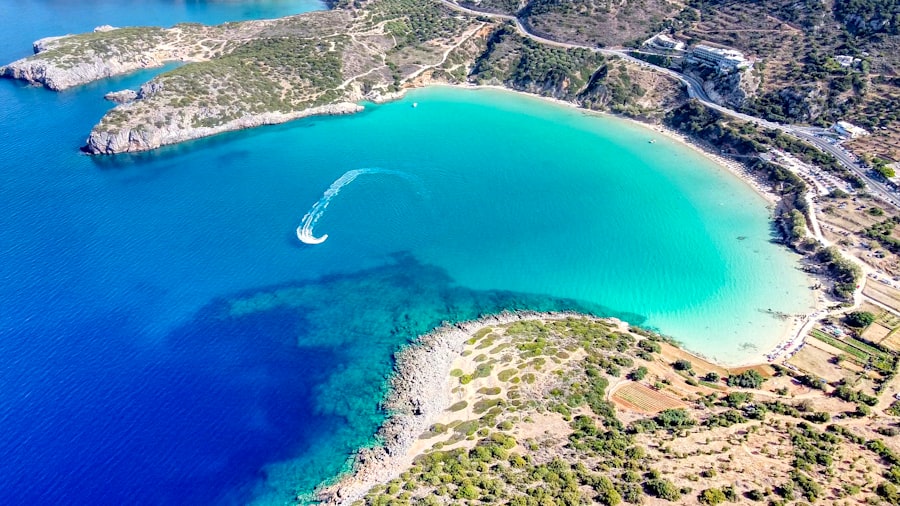
The regulatory environment can be a significant enabler or a formidable barrier to tourism investment. Understanding and engaging with Greek policy and regulations is a critical step for any investor.
Investment Incentives and Support Programs
The Greek government has implemented various initiatives to attract foreign investment, including those in the tourism sector.
Tax Benefits and Financial Support
Investors may be eligible for tax breaks, reduced VAT rates, and financial incentives for developing significant tourism projects. Understanding the specifics of these programs and their eligibility criteria is crucial for maximizing investment returns. This is like finding fertile soil with existing irrigation; the conditions are already conducive to growth.
Streamlined Permitting Processes
Bureaucratic hurdles have historically been a challenge. Efforts to streamline permitting processes for construction and business development can significantly reduce project timelines and costs. Advocating for and understanding these improved processes is key.
Land Use and Zoning Regulations
The unique ecological and cultural landscapes of the islands necessitate careful land use planning.
Preserving Natural Beauty and Cultural Heritage
Regulations are in place to protect sensitive ecosystems, archaeological sites, and traditional settlements. Investors must be acutely aware of these restrictions and seek opportunities that align with preservation efforts. This is like drawing within existing boundaries; the beauty is in the thoughtful composition.
Development Zones and Strategic Planning
Identifying designated development zones or participating in strategic planning initiatives can provide clarity and direction for development projects, ensuring they are integrated harmoniously with the existing environment and community.
Labor Laws and Workforce Development
The availability and training of a skilled workforce are vital for delivering high-quality tourism services.
Hiring Local Workforce and Training Initiatives
Prioritizing the employment of local residents and investing in relevant training programs can foster community engagement and ensure a skilled and motivated workforce. This creates a symbiotic relationship where the investment benefits both the investor and the local population.
Understanding Employment Regulations
Navigating Greek labor laws, including employment contracts, social security contributions, and working hours, is essential for compliant and ethical business operations.
The Investor’s Toolkit: Strategies for Success
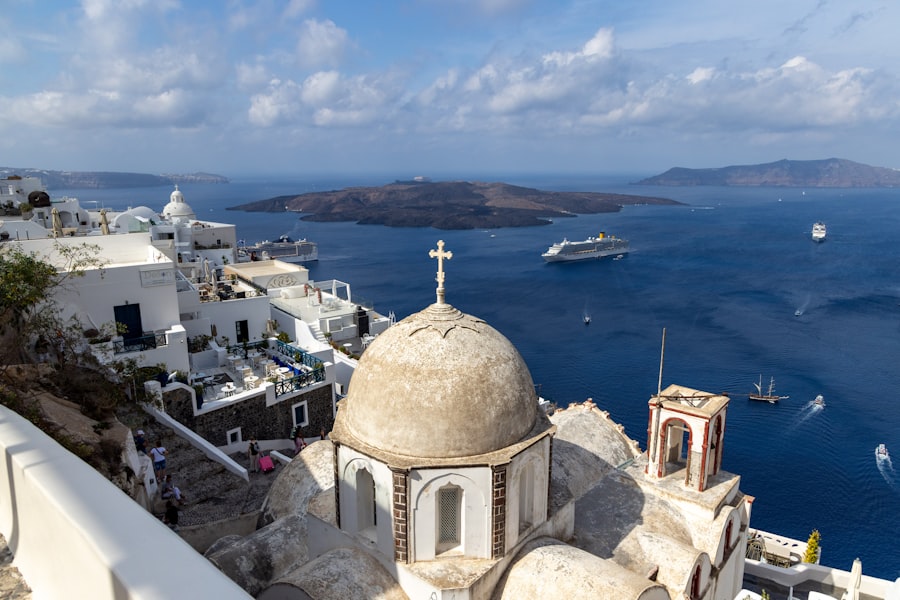
Beyond understanding the market, infrastructure, and policy, successful investors employ specific strategies to navigate the Greek islands tourism landscape.
Due Diligence and Market Research
Thorough due diligence is the compass that guides investors through potentially unfamiliar territory.
Site Selection and Feasibility Studies
Choosing the right island and the specific location on that island is paramount. Conducting comprehensive feasibility studies that assess market demand, competition, infrastructure availability, and regulatory requirements is non-negotiable. This is the foundational excavation, ensuring the ground is stable before building.
Financial Projections and Risk Assessment
Developing realistic financial projections that account for all potential costs, revenue streams, and a thorough risk assessment of market fluctuations, economic downturns, and unforeseen events is critical. This is about charting the course, anticipating storms and fair winds.
Building Strong Local Partnerships
Collaboration is often the key to unlocking opportunities on the islands.
Engaging with Local Communities and Authorities
Building positive relationships with local communities, village leaders, and municipal authorities fosters goodwill and can facilitate smoother operations and future developments. This is like weaving your investment into the existing fabric of the island, creating a stronger, more resilient tapestry.
Collaborating with Local Businesses and Suppliers
Partnering with local businesses for services, supplies, and expertise can provide invaluable insights, reduce operational costs, and strengthen local economic ties.
Innovation and Differentiation
In a competitive market, standing out is key.
Embracing Sustainable Tourism Practices
Adopting and promoting sustainable practices, from waste management to energy efficiency and supporting local producers, enhances a business’s reputation and appeals to a growing segment of conscious travelers. This is not just good business; it is good stewardship.
Creating Unique Experiences
Developing niche products and services that offer a unique selling proposition can attract specific customer segments and command premium pricing. This could be anything from exclusive culinary tours to bespoke wellness retreats. This is akin to discovering a hidden spring that offers uniquely pure water; its rarity makes it valuable.
Long-Term Vision and Adaptability
The tourism sector is dynamic. Long-term vision coupled with adaptability is crucial for sustained success.
Planning for Scalability and Future Growth
Any investment should consider the potential for future expansion and adaptation to evolving market trends. This is about planting a sapling with the foresight of a mature tree, capable of weathering changing seasons.
Monitoring Market Trends and Consumer Preferences
Continuously monitoring shifts in tourist preferences, technological advancements, and global travel trends allows investors to adapt their offerings and remain competitive. The market is a living organism, and understanding its pulse is vital.
Investing in tourism on the Greek islands can be a lucrative opportunity, especially when one understands the unique dynamics of the market. A related article that delves into the secrets of successful tourism investments in this picturesque region can provide valuable insights. For those interested in exploring these strategies further, you can read more about it in this informative piece on tourism investment secrets. Discover how to navigate the challenges and seize the opportunities that the Greek islands present by checking out the article here.
The Future of Greek Islands Tourism Investment
| Metric | Value | Insight |
|---|---|---|
| Annual Tourist Arrivals | 30 million | High influx indicates strong demand for tourism infrastructure |
| Average Tourist Stay | 5.2 days | Longer stays increase potential revenue per visitor |
| Investment Growth Rate (Last 5 Years) | 12% | Consistent growth signals a thriving investment environment |
| Popular Islands for Investment | Mykonos, Santorini, Crete | These islands offer established infrastructure and high tourist demand |
| Average ROI on Tourism Projects | 15-20% | Attractive returns compared to other Mediterranean destinations |
| Government Incentives | Tax breaks, fast-track permits | Encourages foreign and local investment in tourism sector |
| Seasonality Factor | Peak: June-September | Investment in off-season attractions can boost year-round revenue |
| Emerging Investment Areas | Eco-tourism, Luxury Villas, Wellness Resorts | Growing trends that attract niche markets and premium clients |
The Greek islands present a compelling investment proposition, an opportunity to participate in a sector with enduring appeal and significant growth potential. By approaching this market with a thorough understanding of its multifaceted nature, a commitment to robust due diligence, and a strategic vision, investors can indeed unlock the secrets of this inimitable destination. The journey is not without its challenges, but for those who approach it with informed strategy and a respect for the islands’ unique character, the rewards are as profound as the turquoise waters that surround them. The key lies in understanding that this is not merely an acquisition of property, but an investment in an experience, a culture, and a legacy. The investment is a seed, and the islands, with their fertile ground and nurturing sun, offer the potential for a bountiful harvest.
FAQs
What makes Greek islands attractive for tourism investment?
Greek islands offer stunning natural beauty, rich cultural heritage, and a well-established tourism infrastructure. Their popularity among international tourists ensures steady demand, making them attractive for investment in hotels, resorts, and related services.
Which Greek islands are considered the best for tourism investment?
Islands like Santorini, Mykonos, Crete, and Rhodes are among the top choices due to their high tourist traffic, developed amenities, and strong brand recognition. Emerging islands such as Naxos and Paros also present promising opportunities with growing visitor numbers.
What types of tourism investments are most profitable in the Greek islands?
Profitable investments typically include luxury accommodations, boutique hotels, vacation rentals, and hospitality services. Additionally, investments in eco-tourism, wellness resorts, and cultural tourism experiences are gaining traction.
Are there any government incentives for investing in Greek island tourism?
Yes, the Greek government offers various incentives such as tax benefits, grants, and streamlined permitting processes to encourage investment in tourism infrastructure, especially in less developed islands and sustainable tourism projects.
What challenges should investors be aware of when investing in Greek island tourism?
Investors should consider challenges like seasonal fluctuations in tourist arrivals, infrastructure limitations on smaller islands, regulatory complexities, and the need for sustainable development to preserve the natural environment and local culture.