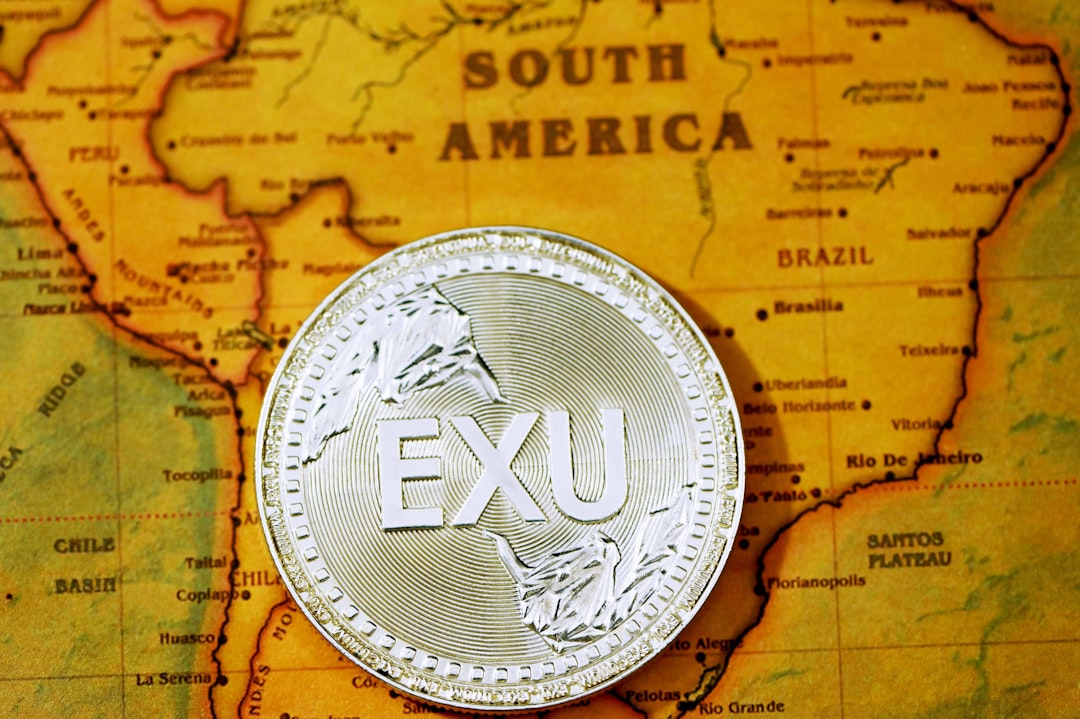
Emerging market economies constitute a distinct category within the global economic framework, defined by accelerated growth rates and substantial development capacity. These economies occupy an intermediate position between developing and developed nation status, exhibiting concurrent processes of industrialization, urbanization, and progressive integration into international markets. The classification encompasses diverse countries including Brazil, India, China, and South Africa, each possessing unique economic frameworks, cultural backgrounds, and political systems.
These nations share common characteristics of substantial economic expansion potential, driven by demographic transitions, natural resource endowments, and expanding consumer markets. Analysis of emerging market economies requires examination of both macroeconomic indicators and microeconomic conditions. These economies typically demonstrate higher growth rates than developed nations, supported by expanding middle-class populations, increased foreign direct investment flows, and technological advancement.
Simultaneously, they encounter specific challenges including political volatility, regulatory constraints, and infrastructure limitations. Comprehensive evaluation of emerging market economics necessitates assessment of both growth opportunities and associated risks that influence their development paths.
Key Takeaways
- Emerging markets experience rapid growth driven by factors like urbanization, industrialization, and increasing consumer demand.
- Government policies play a crucial role in stabilizing economies and attracting foreign investment in emerging markets.
- Technology and innovation are key drivers for competitiveness and economic diversification in emerging economies.
- Sustainable development and education are essential for long-term growth and improving human capital in emerging markets.
- Globalization presents both challenges and opportunities, influencing trade, investment, and economic integration in emerging markets.
Factors Driving Economic Growth in Emerging Markets
Several key factors contribute to the robust economic growth observed in emerging markets. One of the most significant drivers is demographic change. Many emerging economies boast youthful populations that are entering the workforce, leading to increased productivity and consumption.
This demographic dividend can create a virtuous cycle of economic expansion as more individuals gain employment and contribute to the economy. Additionally, urbanization plays a crucial role in this growth narrative; as people migrate to cities in search of better opportunities, urban centers become hubs of innovation and economic activity. Another critical factor is the rise of technology and digitalization.
Emerging markets are increasingly adopting new technologies that enhance productivity and efficiency across various sectors. For instance, mobile banking has revolutionized financial access in countries like Kenya, enabling millions to participate in the formal economy. Furthermore, advancements in infrastructure—such as transportation networks and energy production—are essential for supporting economic activities and attracting investment.
Collectively, these factors create a conducive environment for sustained economic growth in emerging markets.
Challenges and Opportunities for Emerging Market Economies

While emerging market economies present numerous opportunities for growth, they are not without their challenges. Political instability remains a significant concern in many regions, where governance issues can hinder economic progress. Corruption, lack of transparency, and inadequate legal frameworks can deter foreign investment and stifle entrepreneurial initiatives.
Additionally, emerging markets often grapple with infrastructural deficits that limit their ability to compete on a global scale. Poor transportation networks, unreliable energy supplies, and insufficient healthcare systems can impede economic development and quality of life. Despite these challenges, emerging markets also offer unique opportunities for investors and businesses.
The growing middle class presents a vast consumer base eager for goods and services, creating avenues for market entry and expansion. Moreover, the increasing focus on sustainability and green technologies opens up new sectors for investment. As these economies strive to balance growth with environmental considerations, there is potential for innovation in renewable energy, sustainable agriculture, and eco-friendly manufacturing practices.
By navigating the challenges effectively, emerging market economies can harness their opportunities to foster long-term growth.
The Role of Government Policies in Supporting Emerging Market Economies
Government policies play a pivotal role in shaping the economic landscape of emerging markets. Effective governance can create an environment conducive to investment and growth by establishing clear regulations, protecting property rights, and ensuring political stability. Policymakers must prioritize infrastructure development to support economic activities; investments in transportation, energy, and communication networks are essential for facilitating trade and attracting foreign direct investment.
Moreover, governments in emerging markets must focus on fostering innovation and entrepreneurship through supportive policies.
By investing in human capital through education and vocational training programs, governments can equip their populations with the skills needed to thrive in a rapidly changing global economy.
Ultimately, proactive government policies can serve as a catalyst for sustainable economic growth in emerging markets.
The Impact of Globalization on Emerging Market Economies
| Country | GDP Growth Rate (%) | Inflation Rate (%) | Unemployment Rate (%) | Foreign Direct Investment (Billion USD) | Current Account Balance (% of GDP) |
|---|---|---|---|---|---|
| India | 6.5 | 5.1 | 7.2 | 64.4 | -1.9 |
| Brazil | 2.0 | 4.3 | 9.8 | 50.1 | -2.3 |
| South Africa | 1.8 | 4.7 | 32.6 | 3.2 | -3.5 |
| Indonesia | 5.1 | 3.4 | 5.3 | 23.5 | -0.8 |
| Mexico | 2.3 | 4.0 | 3.7 | 29.7 | -0.5 |
Globalization has profoundly influenced emerging market economies by integrating them into the global economic system. This integration has facilitated access to international markets, allowing emerging economies to export goods and services while attracting foreign investment. As a result, many countries have experienced significant economic growth driven by increased trade and investment flows.
For instance, nations like Vietnam have leveraged globalization to become manufacturing hubs for multinational corporations seeking cost-effective production solutions. However, globalization also presents challenges for emerging markets. Increased competition from developed economies can strain local industries that may struggle to compete on price or quality.
Additionally, reliance on global supply chains can expose emerging markets to external shocks—such as economic downturns or geopolitical tensions—that can disrupt trade flows. Therefore, while globalization offers opportunities for growth and development, it also necessitates strategic planning to mitigate risks associated with global interdependence.
Strategies for Attracting Foreign Investment in Emerging Markets

Attracting foreign investment is crucial for the growth of emerging market economies. To achieve this goal, countries must implement strategies that enhance their appeal to international investors. One effective approach is improving the business environment by streamlining regulations and reducing bureaucratic hurdles.
Simplifying the process for starting and operating a business can encourage both domestic and foreign entrepreneurs to invest in these markets.
These zones often offer tax breaks, reduced tariffs, and improved infrastructure to attract businesses looking to enter new markets.
Furthermore, promoting transparency and good governance is essential for building investor confidence; countries that demonstrate commitment to anti-corruption measures and uphold the rule of law are more likely to attract long-term investment. By adopting these strategies, emerging markets can create an environment that fosters foreign investment and drives economic growth.
The Role of Technology and Innovation in Emerging Market Economies
Technology and innovation are transforming the landscape of emerging market economies by driving productivity gains and creating new business models. The rapid adoption of digital technologies has enabled businesses to operate more efficiently while reaching broader audiences through e-commerce platforms. For instance, companies in India have leveraged mobile technology to provide financial services to underserved populations, thereby expanding access to banking and credit.
Moreover, innovation is not limited to technology alone; it encompasses new approaches to traditional industries as well. In agriculture, for example, emerging markets are increasingly adopting precision farming techniques that utilize data analytics to optimize crop yields while minimizing resource use. This shift towards innovative practices not only enhances productivity but also contributes to sustainability efforts by reducing environmental impact.
As technology continues to evolve, its role in shaping the future of emerging market economies will only become more pronounced.
Sustainable Development and Environmental Considerations in Emerging Market Economies
Sustainable development is becoming an essential focus for emerging market economies as they seek to balance economic growth with environmental stewardship. Rapid industrialization often leads to environmental degradation; therefore, integrating sustainability into economic planning is crucial for long-term viability. Governments are increasingly recognizing the importance of adopting green policies that promote renewable energy sources, sustainable agriculture practices, and efficient resource management.
Investors are also placing greater emphasis on sustainability when evaluating opportunities in emerging markets. Companies that prioritize environmental responsibility are more likely to attract funding from socially conscious investors who seek to align their portfolios with sustainable practices. Furthermore, international organizations are providing support for sustainable development initiatives through funding and technical assistance programs aimed at helping emerging economies transition towards greener practices.
By embracing sustainability as a core principle of development, emerging market economies can ensure that their growth is both inclusive and environmentally responsible.
The Importance of Education and Human Capital in Emerging Market Economies
Education plays a critical role in shaping the future of emerging market economies by developing human capital essential for driving innovation and productivity. A well-educated workforce is better equipped to adapt to changing economic conditions and technological advancements. As such, investing in education systems is paramount for governments seeking to enhance their competitive edge on the global stage.
Moreover, vocational training programs that align with industry needs can bridge the skills gap prevalent in many emerging markets. By equipping individuals with practical skills relevant to local job markets, these programs can reduce unemployment rates while fostering entrepreneurship among youth populations. Additionally, partnerships between educational institutions and businesses can facilitate knowledge transfer and create pathways for students to enter the workforce successfully.
Ultimately, prioritizing education will empower individuals while contributing to the overall economic development of emerging markets.
Case Studies of Successful Emerging Market Economies
Examining successful case studies within emerging market economies provides valuable insights into effective strategies for growth and development. One notable example is China’s remarkable transformation over the past few decades; through strategic government policies focused on export-led growth and infrastructure development, China has emerged as a global economic powerhouse. The country’s emphasis on manufacturing excellence combined with investments in technology has allowed it to dominate various industries while lifting millions out of poverty.
Another compelling case is Brazil’s agricultural sector, which has become one of the world’s largest exporters of agricultural products due to innovative farming techniques and investments in research and development. Brazil’s success highlights how leveraging natural resources responsibly while embracing technological advancements can lead to significant economic benefits. These case studies illustrate that tailored approaches—considering each country’s unique context—are essential for achieving sustainable growth within emerging market economies.
Future Trends and Opportunities in Emerging Market Economies
Looking ahead, several trends are poised to shape the future of emerging market economies significantly. One prominent trend is the increasing focus on digital transformation across various sectors; as technology continues to evolve rapidly, businesses must adapt or risk obsolescence. This shift presents opportunities for entrepreneurs who can leverage digital tools to create innovative solutions tailored to local needs.
Additionally, as global attention shifts towards climate change mitigation efforts, emerging markets have an opportunity to position themselves as leaders in sustainable practices. By investing in renewable energy sources such as solar or wind power while promoting eco-friendly industries like sustainable agriculture or waste management solutions—these economies can attract investment while contributing positively towards global sustainability goals. In conclusion, understanding the complexities surrounding emerging market economics reveals both challenges and opportunities inherent within this dynamic landscape.
By prioritizing effective governance policies alongside investments in education technology infrastructure—emerging markets can harness their potential while navigating risks associated with globalization environmental sustainability trends shaping our world today.
Emerging market economics is a dynamic field that continues to evolve as global trends shift. A related article that delves into the intricacies of this subject can be found at Real Lore and Order, where various aspects of economic development in emerging markets are explored. This resource provides valuable insights into the challenges and opportunities faced by these economies in the current global landscape.
FAQs
What are emerging market economies?
Emerging market economies are nations with social or business activities in the process of rapid growth and industrialization. These countries typically have lower income levels than developed countries but are experiencing faster economic growth and increasing integration into the global economy.
Which countries are considered emerging markets?
Common examples of emerging market countries include Brazil, Russia, India, China, South Africa (often grouped as BRICS), as well as Mexico, Indonesia, Turkey, and several others. The classification can vary depending on the source and criteria used.
What factors contribute to the growth of emerging market economies?
Key factors include industrialization, urbanization, improvements in infrastructure, increasing foreign direct investment, expanding middle classes, and economic reforms that promote market liberalization and trade.
What are the risks associated with investing in emerging markets?
Risks include political instability, currency volatility, less mature financial markets, regulatory uncertainties, and potential economic imbalances. These factors can lead to higher investment risk compared to developed markets.
How do emerging markets impact the global economy?
Emerging markets contribute significantly to global economic growth by providing new markets for goods and services, supplying raw materials, and offering investment opportunities. Their growth can influence global trade patterns, commodity prices, and capital flows.
What role does technology play in emerging market economics?
Technology adoption accelerates productivity and innovation in emerging markets. Mobile technology, digital finance, and e-commerce are transforming traditional sectors and enabling greater economic participation and efficiency.
How do emerging markets differ from developing countries?
While the terms are sometimes used interchangeably, “emerging markets” generally refers to countries transitioning toward more advanced economies with growing financial markets, whereas “developing countries” is a broader term that includes all low-income nations regardless of economic progress.
What challenges do emerging market economies face?
Challenges include managing inflation, reducing poverty, improving education and healthcare, addressing infrastructure deficits, and ensuring sustainable development while coping with external shocks like commodity price fluctuations or global financial crises.
How do emerging markets affect global investment strategies?
Investors often include emerging markets in their portfolios to diversify and capture higher growth potential. However, they must balance this with the higher volatility and risk associated with these economies.
What is the future outlook for emerging market economies?
Many emerging markets are expected to continue growing faster than developed economies due to favorable demographics, urbanization, and ongoing reforms. However, their growth trajectories depend on global economic conditions, domestic policies, and the ability to address structural challenges.