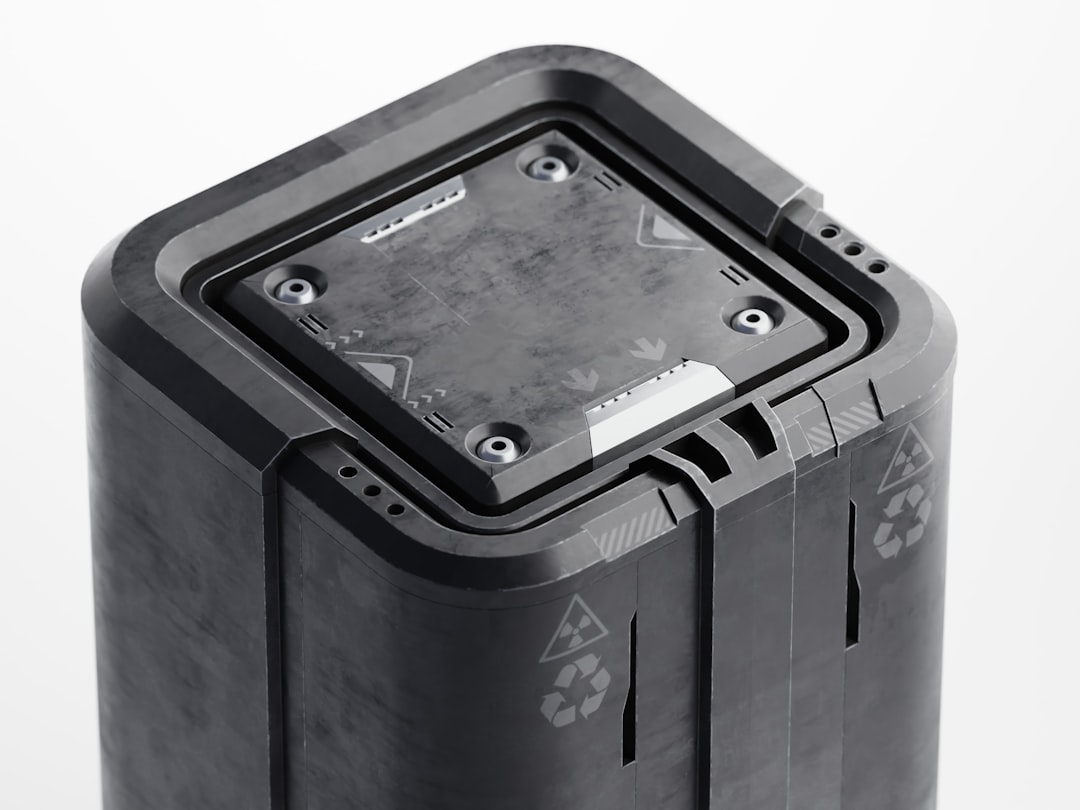
The Energy Device Classified Vault serves as a critical institution for advanced energy technologies. This highly secure facility stores innovative and potentially transformative energy devices. The vault protects cutting-edge technologies that could revolutionize energy production, storage, and consumption.
As global concerns about climate change and energy sustainability grow, this repository preserves knowledge and inventions that may contribute to a more sustainable future. The vault houses diverse energy devices with various capabilities and applications. These technologies are important for both scientific advancement and addressing global energy requirements.
Beyond preservation, the facility aims to support research, development, and responsible implementation of these technologies. As society increasingly prioritizes energy efficiency, the vault becomes more significant as a center for innovation and collaboration in the energy sector.
Key Takeaways
- The Energy Device Classified Vault is a secure facility dedicated to storing advanced energy devices.
- It has a rich history marked by evolving security measures to protect sensitive technology.
- Access to the vault is highly restricted, requiring strict protocols and clearance.
- The vault supports research and development by providing controlled access to innovative energy devices.
- Collaboration with external partners is key to advancing the vault’s mission and future developments.
History of the Energy Device Classified Vault
The origins of the Energy Device Classified Vault can be traced back to the early 21st century when the need for secure storage of advanced energy technologies became apparent.
The vault was established as a response to this growing concern, aiming to create a controlled environment where these technologies could be safely stored and studied.
Over the years, the vault has evolved significantly. Initially, it housed only a handful of experimental devices, but as advancements in energy technology accelerated, so too did the vault’s capacity and scope. By collaborating with various governmental and private entities, the vault expanded its collection to include a wide range of devices, from solar energy innovations to groundbreaking nuclear fusion prototypes.
This evolution reflects not only technological advancements but also a growing recognition of the need for responsible stewardship of powerful energy technologies.
Security Measures in Place at the Energy Device Classified Vault

Given the sensitive nature of the materials stored within, the Energy Device Classified Vault employs an array of stringent security measures designed to protect its contents from unauthorized access and potential threats. The facility is equipped with state-of-the-art surveillance systems that monitor every inch of the premises, ensuring that any unusual activity is detected immediately. Access points are fortified with biometric scanners and multi-factor authentication protocols, allowing only authorized personnel to enter specific areas of the vault.
In addition to physical security measures, cybersecurity is also a top priority for the vault’s administration. With many energy devices relying on advanced software systems, protecting these digital assets from cyber threats is crucial. The vault employs robust encryption methods and regularly conducts security audits to identify and mitigate vulnerabilities.
This dual approach—combining physical and digital security—ensures that the valuable technologies housed within remain safe from both tangible and intangible threats.
Accessing the Energy Device Classified Vault
Accessing the Energy Device Classified Vault is a highly regulated process designed to ensure that only qualified individuals can interact with its contents. Researchers, scientists, and engineers seeking access must undergo a rigorous vetting process that includes background checks and assessments of their professional credentials. This process is essential not only for maintaining security but also for ensuring that those who access the vault have a genuine purpose aligned with its mission.
Once granted access, individuals must adhere to strict protocols while inside the vault. This includes following specific guidelines for handling devices, maintaining confidentiality regarding sensitive information, and reporting any anomalies or concerns immediately. The vault’s administration emphasizes the importance of responsibility and ethical conduct among all personnel, fostering an environment where innovation can thrive while safeguarding against misuse or mishandling of powerful technologies.
Types of Energy Devices Stored in the Vault
| Metric | Description | Value | Unit |
|---|---|---|---|
| Storage Capacity | Maximum energy storage capacity of the vault | 500 | kWh |
| Energy Density | Energy stored per unit volume | 250 | Wh/L |
| Charge Rate | Maximum rate at which the vault can be charged | 100 | kW |
| Discharge Rate | Maximum rate at which the vault can discharge energy | 120 | kW |
| Operating Temperature Range | Safe temperature range for operation | -20 to 60 | °C |
| Efficiency | Energy conversion efficiency of the device | 95 | % |
| Self-Discharge Rate | Energy loss per month when idle | 2 | % per month |
| Cycle Life | Number of full charge/discharge cycles before capacity drops to 80% | 3000 | cycles |
| Vault Dimensions | Physical size of the energy device vault | 2 x 1.5 x 1.2 | meters (L x W x H) |
| Weight | Total weight of the vault | 850 | kg |
The Energy Device Classified Vault is home to an impressive array of energy devices, each representing significant advancements in technology and potential applications. Among these are cutting-edge solar panels that utilize nanotechnology to enhance efficiency far beyond traditional models. These devices are not only designed for residential use but also for large-scale solar farms that could power entire cities.
In addition to solar technology, the vault houses experimental fusion reactors that promise to provide clean and virtually limitless energy. These reactors are at the forefront of scientific research, representing years of work by some of the brightest minds in physics and engineering. Other notable devices include advanced battery systems capable of storing renewable energy for extended periods, as well as innovative geothermal systems designed to harness heat from beneath the Earth’s surface.
Each device stored within the vault holds immense potential for transforming how society generates and consumes energy.
The Importance of the Energy Device Classified Vault
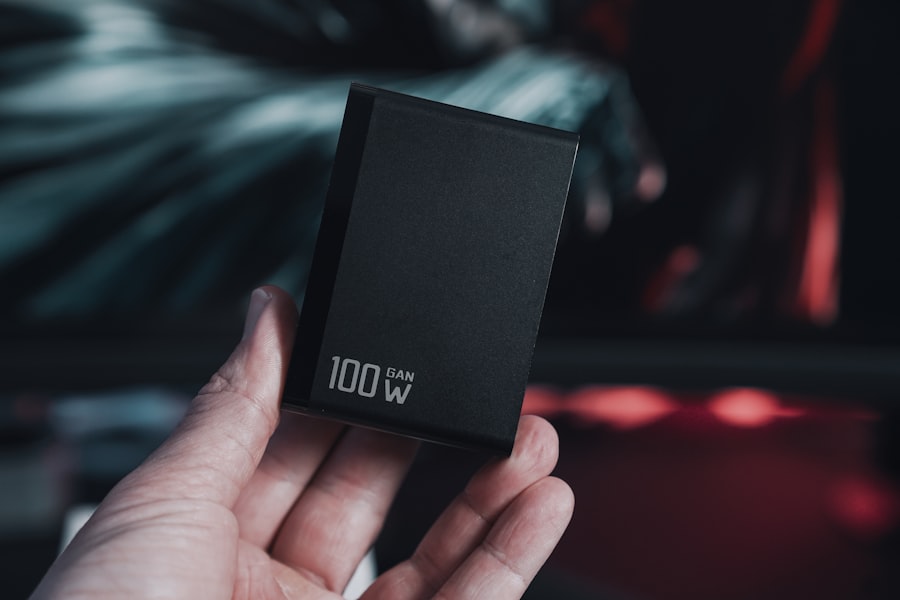
The significance of the Energy Device Classified Vault extends far beyond its physical structure; it embodies a commitment to innovation, safety, and sustainability in energy technology. As global energy demands continue to rise amid concerns about climate change, the vault plays a crucial role in ensuring that groundbreaking technologies are preserved and developed responsibly. By safeguarding these innovations, the vault contributes to a future where clean energy solutions can be realized without compromising safety or ethical standards.
Moreover, the vault serves as a hub for collaboration among researchers, policymakers, and industry leaders. By facilitating partnerships and knowledge sharing, it fosters an environment where ideas can flourish and lead to practical applications in real-world scenarios. The importance of this collaborative spirit cannot be overstated; as challenges in energy production become increasingly complex, collective efforts will be essential in driving progress toward sustainable solutions.
Protocols for Handling Energy Devices from the Vault
Handling energy devices from the Energy Device Classified Vault requires adherence to strict protocols designed to ensure safety and integrity throughout every stage of interaction. Before any device can be removed from storage for research or testing purposes, comprehensive assessments must be conducted to evaluate potential risks associated with its use. This includes analyzing technical specifications, understanding operational parameters, and identifying any safety concerns.
Once a device is approved for handling, personnel must follow detailed procedures that outline how to transport, set up, and operate it safely. Training sessions are mandatory for all individuals who will interact with these devices, ensuring they are well-versed in best practices and emergency protocols. Additionally, regular audits are conducted to ensure compliance with handling procedures, reinforcing a culture of safety and responsibility within the vault’s operations.
Research and Development Opportunities with Energy Devices from the Vault
The Energy Device Classified Vault presents a wealth of research and development opportunities for scientists and engineers eager to push the boundaries of energy technology. By providing access to cutting-edge devices that may not be available elsewhere, the vault serves as an incubator for innovation. Researchers can explore new applications for existing technologies or develop entirely new concepts based on insights gained from studying these advanced devices.
Collaborative projects often emerge from this environment, bringing together experts from various fields to tackle complex challenges in energy production and sustainability. For instance, interdisciplinary teams may work on integrating solar technology with smart grid systems or developing hybrid solutions that combine multiple energy sources for enhanced efficiency. The potential for groundbreaking discoveries is immense, making the vault an invaluable resource for advancing knowledge in energy science.
Future of the Energy Device Classified Vault
Looking ahead, the future of the Energy Device Classified Vault appears promising as it continues to adapt to emerging trends in energy technology. As global priorities shift towards sustainability and resilience in energy systems, the vault is poised to play an even more critical role in supporting research initiatives aimed at addressing these challenges. This may involve expanding its collection to include new types of devices or enhancing its facilities to accommodate evolving technological needs.
Furthermore, as international collaboration becomes increasingly vital in tackling global energy issues, the vault may seek partnerships with organizations worldwide. By sharing knowledge and resources across borders, it can contribute to a collective effort toward achieving sustainable energy solutions on a global scale. The future holds exciting possibilities for the Energy Device Classified Vault as it remains at the forefront of innovation in an ever-changing landscape.
Collaboration and Partnerships with the Energy Device Classified Vault
Collaboration is at the heart of the Energy Device Classified Vault’s mission. By fostering partnerships with academic institutions, government agencies, and private sector organizations, the vault creates an ecosystem where knowledge sharing and innovation can thrive. These collaborations often lead to joint research projects that leverage diverse expertise and resources, resulting in advancements that benefit society as a whole.
The vault actively seeks out partnerships that align with its goals of promoting sustainable energy solutions. For instance, collaborations with universities may focus on developing new materials for energy devices or exploring novel applications for existing technologies. Similarly, partnerships with industry leaders can facilitate technology transfer processes that bring innovations from research labs into commercial markets more efficiently.
Through these collaborative efforts, the Energy Device Classified Vault amplifies its impact on advancing energy technology.
Conclusion and Reflection on the Energy Device Classified Vault
In conclusion, the Energy Device Classified Vault represents a critical component in the ongoing quest for sustainable energy solutions. Its role as a secure repository for advanced technologies underscores the importance of responsible stewardship in an era marked by rapid innovation and environmental challenges. By safeguarding these valuable devices and facilitating research opportunities, the vault contributes significantly to shaping a more sustainable future.
As society continues to navigate complex energy issues, reflecting on the importance of institutions like the Energy Device Classified Vault becomes essential. It serves not only as a guardian of knowledge but also as a catalyst for collaboration and innovation in energy technology. The future holds great promise for this institution as it adapts to new challenges and opportunities while remaining committed to its mission of advancing sustainable energy solutions for generations to come.
In exploring the advancements in energy devices, one can gain further insights by reading the article on the classified vault of energy devices.
For more information, you can check out the article [here](https://www.realloreandorder.com/sample-page/).
FAQs
What is an energy device classified vault?
An energy device classified vault is a secure storage facility designed specifically to house energy devices, such as batteries, capacitors, or other energy storage components, that require classification based on their energy content, safety risks, or regulatory standards.
Why are energy devices stored in classified vaults?
Energy devices are stored in classified vaults to ensure safety, prevent unauthorized access, and comply with regulatory requirements. These vaults help mitigate risks such as fire, explosion, or chemical leaks by providing controlled environments and robust security measures.
What types of energy devices are typically stored in these vaults?
Common energy devices stored in classified vaults include lithium-ion batteries, fuel cells, supercapacitors, and other high-capacity energy storage units that pose potential safety hazards if not properly contained.
How are energy device classified vaults constructed?
These vaults are constructed using fire-resistant materials, reinforced walls, ventilation systems, and temperature control mechanisms. They often include monitoring systems for detecting smoke, heat, or gas leaks to enhance safety.
Are there regulatory standards for energy device classified vaults?
Yes, energy device classified vaults must comply with various local, national, and international safety and environmental regulations, such as NFPA (National Fire Protection Association) codes, OSHA standards, and transportation regulations for hazardous materials.
Can energy device classified vaults be used for both commercial and residential purposes?
While primarily used in commercial and industrial settings due to the scale and safety requirements, smaller classified vaults can be designed for residential use, especially for home energy storage systems like solar battery backups.
What safety features are included in an energy device classified vault?
Safety features typically include fire suppression systems, temperature and humidity controls, gas detection sensors, secure locking mechanisms, and emergency ventilation to manage potential hazards associated with stored energy devices.
How is access to an energy device classified vault controlled?
Access is controlled through security measures such as biometric scanners, keycard systems, surveillance cameras, and strict access protocols to ensure only authorized personnel can enter the vault.
What maintenance is required for energy device classified vaults?
Regular maintenance includes inspecting structural integrity, testing fire suppression and detection systems, monitoring environmental controls, and ensuring security systems are functioning properly to maintain safety and compliance.
Can energy device classified vaults help in emergency situations?
Yes, these vaults are designed to contain and isolate energy devices safely during emergencies, reducing the risk of fire or explosion spreading and protecting personnel and property nearby.