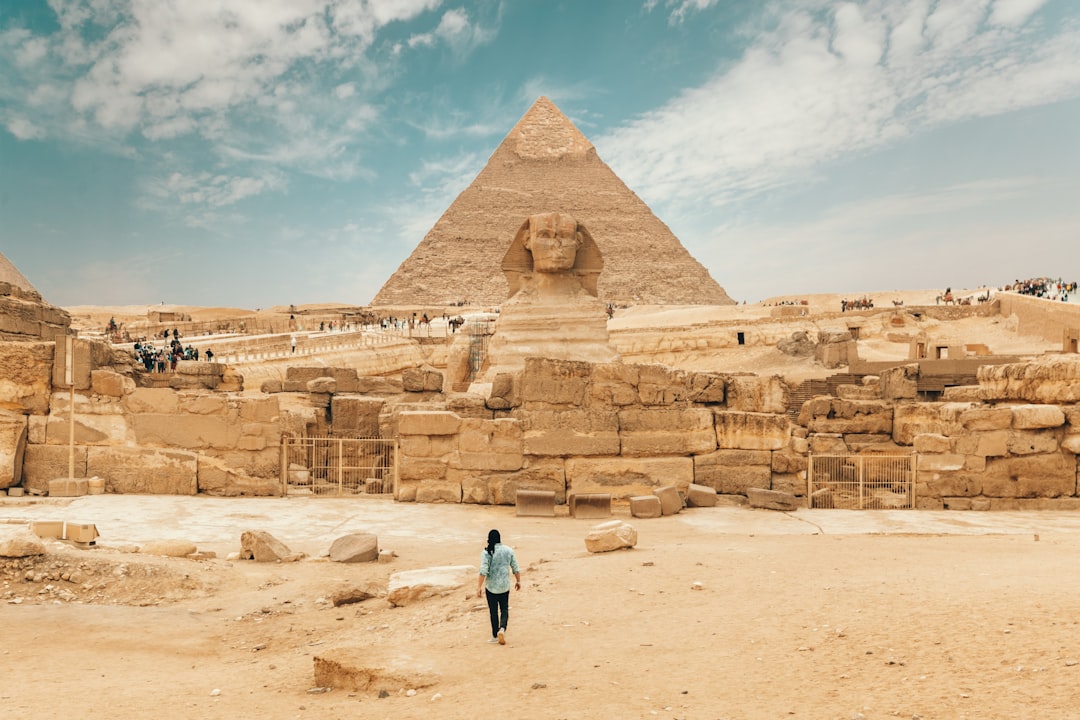
Pyramid structures have captivated the imagination of scholars, historians, and the general public alike for centuries. These monumental edifices, found across various cultures and continents, serve as a testament to the ingenuity and ambition of ancient civilizations. The concept of Pyramid Global Site Parallels refers to the similarities and connections between these structures, which span from the iconic pyramids of Egypt to the lesser-known pyramids in Mesoamerica and beyond.
This article aims to explore the multifaceted nature of these sites, delving into their historical significance, architectural marvels, and cultural implications. The allure of pyramids lies not only in their imposing physical presence but also in the mysteries they embody. Each pyramid tells a story of its civilization, reflecting the values, beliefs, and technological advancements of its time.
By examining the parallels between these global sites, one can gain a deeper understanding of how different cultures approached similar challenges and aspirations. The exploration of these connections opens a window into the past, revealing the shared human experience that transcends geographical boundaries.
Key Takeaways
- Pyramid global sites share remarkable architectural and cultural similarities across different ancient civilizations.
- Their locations often hold significant geographical and astronomical alignments, indicating advanced knowledge.
- These sites served multifaceted purposes, including religious, ritualistic, and possibly astronomical functions.
- The construction techniques demonstrate impressive technological and engineering advancements for their time.
- Preserving and studying these sites is crucial for understanding their lasting impact on modern society and heritage.
The Ancient Connection: Exploring the Similarities between Pyramid Sites
Across the globe, pyramids exhibit striking similarities in design and purpose, despite being constructed by distinct civilizations. The pyramids of Giza in Egypt, the step pyramids of the Maya in Central America, and the ziggurats of Mesopotamia all share a common architectural form that emphasizes a monumental ascent towards the heavens. This architectural choice may reflect a universal desire to connect with the divine or to symbolize the power of the ruling elite.
The triangular shape of these structures often evokes notions of stability and permanence, serving as a lasting legacy for generations to come. Moreover, the construction techniques employed in these ancient sites reveal fascinating parallels. For instance, both Egyptian and Mesoamerican builders utilized a combination of skilled labor and advanced engineering principles to create their pyramids.
The use of ramps, levers, and precise measurements demonstrates a sophisticated understanding of physics and geometry that was remarkable for their respective eras. These similarities suggest that ancient civilizations were not isolated in their endeavors but rather engaged in a shared dialogue through their architectural achievements. Discover the secrets behind the
The purpose behind the construction of pyramids has long been a subject of intrigue and debate among historians and archaeologists. While many pyramids served as tombs for pharaohs or rulers, others functioned as temples or ceremonial sites. The Great Pyramid of Giza, for example, was built as a monumental tomb for Pharaoh Khufu, reflecting the Egyptian belief in an afterlife where the deceased would require sustenance and protection.
In contrast, Mesoamerican pyramids often served as platforms for religious rituals and sacrifices, highlighting the cultural significance of these structures in their respective societies. The multifaceted purposes of pyramid sites underscore their importance as centers of power and spirituality.
The presence of elaborate burial chambers, altars, and inscriptions within these structures further emphasizes their role as conduits between the earthly realm and the divine. By unraveling these mysteries, one can appreciate how pyramids functioned as symbols of both mortality and immortality, bridging the gap between human existence and cosmic beliefs.
The Geographical Significance: Examining the Location of Pyramid Global Sites
The geographical placement of pyramid sites is often as intriguing as their architectural design. Many pyramids are strategically located near rivers or fertile plains, which were essential for sustaining large populations. The Nile River’s proximity to the Egyptian pyramids provided not only a means of transportation but also a source of life-giving water that supported agriculture.
Similarly, Mesoamerican pyramids were often situated near significant water sources or trade routes, facilitating economic growth and cultural exchange. Additionally, the geographical significance extends beyond mere practicality; it also reflects a deep connection between these civilizations and their natural surroundings. The alignment of pyramids with celestial bodies or geographical landmarks suggests that ancient builders possessed an acute awareness of their environment.
This relationship between location and spirituality is evident in many cultures, where natural features were often imbued with sacred meaning. By examining these geographical contexts, one can gain insight into how ancient societies perceived their world and sought to harmonize their built environment with nature.
The Cultural Significance: How Pyramid Global Sites Reflect Different Civilizations
| Metric | Description | Value | Unit |
|---|---|---|---|
| Global Site Count | Number of Pyramid Global Sites operating worldwide | 15 | Sites |
| Average Site Area | Average area covered by each Pyramid Global Site | 1200 | Square meters |
| Parallel Processing Units | Number of parallel processing units deployed per site | 8 | Units |
| Data Throughput | Average data throughput per site | 500 | Gbps |
| Uptime Percentage | Average operational uptime of Pyramid Global Sites | 99.9 | % |
| Energy Consumption | Average energy consumption per site | 3500 | kWh/month |
Pyramid structures serve as cultural touchstones that encapsulate the values, beliefs, and achievements of the civilizations that created them. In ancient Egypt, pyramids symbolized not only royal power but also the divine connection between pharaohs and gods. The intricate hieroglyphics adorning their walls tell stories of creation, afterlife, and cosmic order, reflecting a worldview deeply rooted in spirituality.
In contrast, Mesoamerican pyramids often embodied themes of sacrifice and renewal, with rituals performed atop these structures aimed at appeasing deities and ensuring agricultural fertility. The cultural significance of pyramid sites extends beyond their immediate function; they also serve as markers of identity for contemporary societies. For instance, modern Egyptians take pride in their ancient heritage, viewing the pyramids as symbols of national unity and historical continuity.
Similarly, indigenous communities in Mesoamerica celebrate their ancestral pyramids as vital links to their cultural past. By preserving these sites, societies not only honor their history but also foster a sense of belonging and continuity in an ever-changing world.
The Architectural Wonders: Analyzing the Construction of Pyramid Global Sites
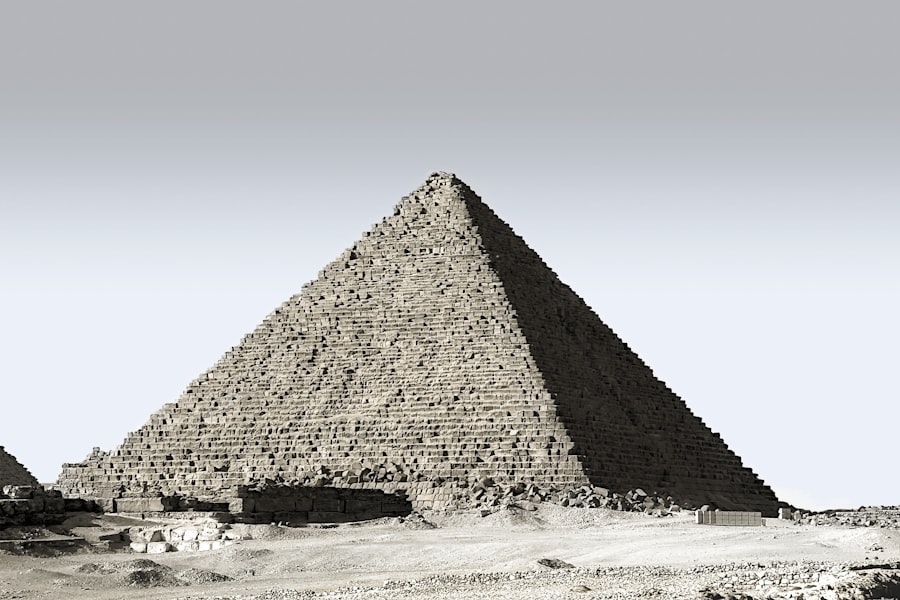
The construction techniques employed in building pyramid structures are nothing short of extraordinary. Ancient builders demonstrated remarkable ingenuity in overcoming challenges related to materials, labor organization, and engineering principles. The Great Pyramid of Giza, for instance, was constructed using approximately 2.3 million limestone blocks, each weighing several tons.
The precision with which these blocks were cut and assembled speaks to an advanced understanding of tools and techniques that were available at the time. In Mesoamerica, pyramid construction often involved layering materials such as adobe bricks or volcanic stone to create step-like structures. This method not only provided stability but also allowed for intricate carvings and decorations that adorned the surfaces of these edifices.
The architectural diversity among pyramid sites highlights the adaptability of ancient builders to their local environments and resources. By analyzing these construction methods, one can appreciate the creativity and skill that went into creating these monumental structures that continue to inspire awe today.
The Astronomical Alignment: Investigating the Celestial Connections of Pyramid Global Sites
One of the most fascinating aspects of pyramid construction is the alignment of these structures with celestial bodies. Many ancient civilizations possessed a profound understanding of astronomy, which they incorporated into their architectural designs. The pyramids at Giza are famously aligned with incredible precision to true north, while other pyramids around the world exhibit alignments with solstices or lunar cycles.
This celestial connection suggests that ancient builders viewed their structures as more than mere tombs or temples; they were also instruments for observing and celebrating cosmic events. In Mesoamerica, pyramids were often aligned with astronomical phenomena such as equinoxes or specific star constellations. The Pyramid of Kukulcán at Chichen Itza is particularly notable for its alignment with the sun during equinoxes, creating a shadow effect that resembles a serpent descending the steps.
Such alignments indicate that ancient cultures placed great importance on celestial events as markers for agricultural cycles or religious observances. By investigating these astronomical connections, one can gain insight into how ancient societies integrated their understanding of the cosmos into their daily lives and spiritual practices.
The Spiritual Significance: Delving into the Religious and Ritualistic Practices at Pyramid Global Sites
Pyramid sites served as focal points for religious practices that were integral to the cultures that built them. In ancient Egypt, pyramids were not only tombs but also sacred spaces where rituals were performed to ensure a successful journey into the afterlife. Elaborate burial ceremonies accompanied by offerings were common practices aimed at appeasing deities and securing favor for the deceased in their next life.
The presence of mortuary temples adjacent to pyramids further underscores their spiritual significance within Egyptian cosmology. In Mesoamerica, pyramid sites were often venues for public rituals that involved offerings, sacrifices, and ceremonies aimed at honoring gods or seeking divine intervention. These practices reflected a deep-seated belief in the interconnectedness between humans and deities, where rituals served as a means to maintain cosmic balance.
The communal aspect of these rituals fostered social cohesion among participants while reinforcing cultural identity through shared beliefs and practices. By delving into these spiritual dimensions, one can appreciate how pyramid sites functioned as vital centers for religious expression across different civilizations.
The Technological Advancements: Examining the Engineering Feats of Pyramid Global Sites
The construction of pyramid sites represents some of the most significant technological advancements achieved by ancient civilizations. From sophisticated quarrying techniques to innovative transportation methods for massive stone blocks, builders demonstrated remarkable engineering prowess that continues to astound modern scholars. For instance, recent studies suggest that ramps may have been used not only for transporting stones but also for precise placement during construction—a testament to an advanced understanding of mechanics.
Moreover, advancements in mathematics played a crucial role in pyramid construction. Ancient builders employed geometric principles to ensure structural integrity while achieving aesthetic harmony in their designs. The use of simple tools such as plumb bobs and leveling instruments allowed for precise measurements that contributed to the overall stability of these monumental structures.
By examining these technological advancements, one can gain insight into how ancient societies harnessed knowledge to create enduring legacies that have stood the test of time.
The Legacy of Pyramid Global Sites: Understanding their Impact on Modern Society
The legacy of pyramid global sites extends far beyond their historical context; they continue to influence contemporary society in various ways. These monumental structures serve as symbols of human achievement and resilience, inspiring awe and curiosity among people worldwide. As UNESCO World Heritage Sites or national monuments, many pyramids are preserved as cultural treasures that attract millions of visitors each year—contributing significantly to local economies through tourism.
Furthermore, pyramid sites have become focal points for archaeological research and interdisciplinary studies that seek to unravel their mysteries further. Scholars from diverse fields collaborate to explore aspects ranging from engineering techniques to cultural practices associated with these structures. This ongoing exploration not only enriches our understanding of ancient civilizations but also fosters appreciation for human creativity across time and space.
The Continued Exploration and Preservation of Pyramid Global Site Parallels
In conclusion, pyramid global site parallels offer a rich tapestry woven from threads of history, culture, architecture, spirituality, technology, and legacy. As humanity continues its quest for knowledge about its past, these monumental structures stand as enduring symbols of human aspiration and ingenuity. The exploration and preservation efforts surrounding pyramid sites are crucial not only for safeguarding cultural heritage but also for fostering connections between diverse civilizations throughout history.
As researchers delve deeper into understanding these remarkable edifices—uncovering new insights about their construction methods or cultural significance—they contribute to an ever-evolving narrative that celebrates our shared human experience across time and space. Ultimately, pyramid global site parallels remind us that while cultures may differ in expression or belief systems, they are united by fundamental aspirations that transcend borders—an enduring testament to humanity’s quest for meaning in an expansive universe.
For those interested in exploring the intricacies of Pyramid Global Site Parallels, a related article can be found at this link. This article delves into the various aspects of global site management and the parallels that can be drawn with Pyramid’s innovative approaches, providing valuable insights for professionals in the field.
WATCH THIS! 🔺 THEY LIED ABOUT THE PYRAMIDS — Here’s The Real Truth 🤯
FAQs
What is Pyramid Global Site Parallels?
Pyramid Global Site Parallels refers to the comparison and analysis of multiple global locations where pyramid structures or similar architectural forms exist. It involves studying the similarities and differences in design, purpose, and cultural significance across various pyramid sites worldwide.
Where are some of the most famous pyramid sites located globally?
Some of the most famous pyramid sites include the Egyptian pyramids at Giza, the Mesoamerican pyramids such as those in Teotihuacan and Chichen Itza, the Nubian pyramids in Sudan, and the step pyramids found in Mesopotamia and Southeast Asia.
What are the common features of pyramids across different cultures?
Common features of pyramids include a triangular or stepped shape, a broad base tapering to a point or flat top, and their use as tombs, temples, or ceremonial structures. Many pyramids are aligned with astronomical events or cardinal points.
Why do pyramids appear in different parts of the world?
Pyramids appear in different parts of the world because various ancient civilizations independently developed similar architectural solutions for religious, ceremonial, or burial purposes. The pyramid shape is structurally stable and symbolically significant in many cultures.
How do pyramid construction techniques vary globally?
Construction techniques vary based on available materials, cultural practices, and technological advancements. For example, Egyptian pyramids were built with large limestone blocks, while Mesoamerican pyramids often used adobe and stone with stepped designs.
What is the significance of studying pyramid global site parallels?
Studying pyramid global site parallels helps archaeologists and historians understand cultural exchanges, technological innovations, and the evolution of architectural styles. It also sheds light on the social and religious practices of ancient civilizations.
Are there any known connections between different pyramid-building cultures?
While most pyramid-building cultures developed independently, some evidence suggests limited cultural exchanges or influences, especially in regions with trade routes. However, the similarities are often attributed to convergent evolution in architecture rather than direct contact.
Can pyramid sites be visited by tourists?
Yes, many pyramid sites around the world are popular tourist destinations, such as the Pyramids of Giza in Egypt, the Pyramid of the Sun in Mexico, and the Nubian pyramids in Sudan. Visitors can explore these sites to learn about ancient history and architecture.
What challenges exist in preserving pyramid sites globally?
Challenges include environmental degradation, urban development, looting, and insufficient funding for conservation. Preservation efforts require international cooperation, scientific research, and sustainable tourism practices to protect these cultural heritage sites.
Where can I find more information about pyramid global site parallels?
More information can be found in academic journals on archaeology and anthropology, books on ancient architecture, museum exhibits, and reputable online resources dedicated to world heritage and ancient civilizations.