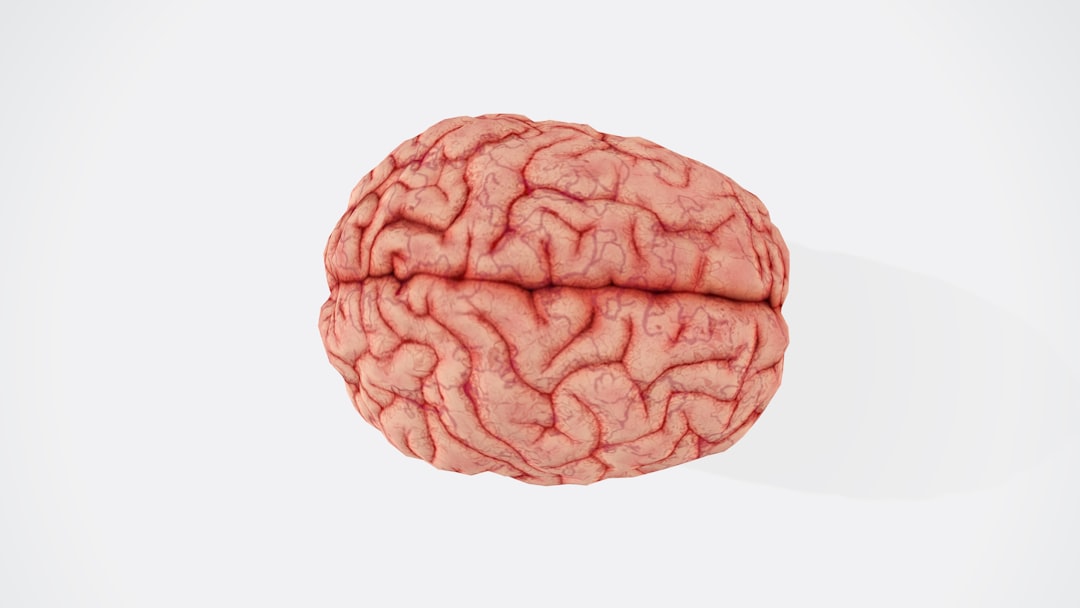
The human brain, a complex organ responsible for thought, emotion, and action, is a fascinating subject of scientific inquiry. One area of increasing interest is the concept of frequency brain activation, which explores how specific brainwave frequencies can be modulated to influence cognitive functions, mood, and overall well-being. This article delves into the scientific underpinnings of frequency brain activation, its potential applications, and the current understanding of its mechanisms.
To comprehend frequency brain activation, it is essential to first understand the fundamental concept of brainwaves. The brain, during its activity, generates electrical impulses. These impulses, when measured collectively across a large population of neurons, exhibit oscillatory patterns. These rhythmic electrical fluctuations are known as brainwaves, and they are broadly categorized based on their frequency, measured in Hertz (Hz), which represents cycles per second.
The Spectrum of Brainwave Frequencies
The brainwave spectrum is a continuous range, but it is conventionally divided into distinct bands, each associated with different states of consciousness and cognitive processes.
Delta Waves (0.5-4 Hz): The Realm of Deep Sleep
Delta waves are the slowest and highest amplitude brainwaves. They are predominantly observed during deep sleep, specifically in the absence of REM (Rapid Eye Movement) sleep. During this restorative phase, the brain is intensely focused on physical repair and consolidation of memories. They are also present in infants and are associated with unconsciousness and pathological states in adults.
Theta Waves (4-8 Hz): The Gateway to Subconscious and Creativity
Theta waves are present during drowsiness and light sleep, and are also observed in meditative states and during creative activities. They are thought to play a crucial role in memory formation, learning, and emotional processing. Anecdotal evidence and some studies suggest that theta wave dominance can be associated with enhanced intuition and access to subconscious information. It is as if the brain is subtly shifting gears, moving from the analytical to the more receptive.
Alpha Waves (8-12 Hz): The State of Relaxed Alertness
Alpha waves are typically associated with a relaxed yet alert state. They can be observed when an individual is awake but not actively engaged in demanding mental tasks, such as when eyes are closed in a quiet environment. This state is often described as a “calm focus,” where the mind is receptive to new information without being overwhelmed. It represents a balanced dynamic, a fertile ground for learning.
Beta Waves (12-30 Hz): The Arena of Active Cognition
Beta waves are the hallmark of active thinking, problem-solving, and conscious awareness. They are dominant when the brain is engaged in tasks requiring concentration, decision-making, and logical reasoning. Vigorous mental activity, such as studying for an exam or engaging in a complex conversation, will elevate beta wave activity. This is the brain in overdrive, tackling challenges head-on.
Gamma Waves (30+ Hz): The Pinnacle of Cognitive Processing
Gamma waves are the fastest and lowest amplitude brainwaves. They are associated with high-level cognitive functions such as learning, memory recall, peak performance, and complex problem-solving. They are believed to be involved in the integration of information from different brain regions, enabling binding of features into coherent perceptions and thoughts. This is the brain operating at its most efficient, weaving together intricate threads of information.
Recent studies have highlighted the significance of frequency brain activation in enhancing cognitive functions and emotional regulation. This concept is further explored in a related article that discusses the potential of lunar exploration as a catalyst for scientific advancement and human ingenuity. For more insights on this topic, you can read the article here: The Moon: Ultimate High Ground for Exploration.
Technologies for Modulating Brainwave Frequencies
Understanding brainwave frequencies is only the first step. The real intrigue lies in the ability to intentionally influence these patterns. Several technological approaches have emerged to facilitate frequency brain activation, aiming to leverage the brain’s inherent plasticity.
Neurofeedback: Training the Brain to Self-Regulate
Neurofeedback, also known as EEG biofeedback, is a non-invasive technique that allows individuals to learn to self-regulate their brainwave activity. In a typical neurofeedback session, sensors are attached to the scalp to monitor brainwave patterns. This real-time data is then translated into visual or auditory feedback. For instance, a game might progress faster as beta waves increase, or a calming image might appear when alpha waves are dominant.
The Principles of Operant Conditioning in Neurofeedback
The underlying principle of neurofeedback is operant conditioning. Through positive reinforcement (receiving pleasant feedback when desired brainwave patterns are produced) and negative reinforcement (feedback stops or becomes unpleasant when undesired patterns occur), individuals learn to voluntarily control their brainwave states. This process resembles a musician practicing an instrument; with consistent effort and feedback, they learn to produce specific notes and rhythms.
Applications of Neurofeedback
Neurofeedback has been explored for a wide range of applications, including:
- Attention Deficit Hyperactivity Disorder (ADHD): Studies have investigated its use in improving attention and reducing impulsivity.
- Anxiety and Depression: It is employed to promote relaxation and reduce rumination.
- Sleep Disorders: Neurofeedback may assist in improving sleep quality by facilitating the transition into deeper sleep stages.
- Peak Performance: Athletes and performers use it to enhance focus and manage performance anxiety.
Auditory and Visual Stimulation: Entraining Brain Rhythms
Another prominent method for frequency brain activation involves the use of auditory and visual stimuli. These techniques aim to “entrain” the brain’s natural rhythms, guiding them towards specific frequencies.
Binaural Beats: A Sonic Lullaby for the Brain
Binaural beats are an auditory illusion created when two slightly different frequency tones are played into each ear. The brain perceives a third, phantom tone that is the difference between the two. For example, if you hear a 400 Hz tone in one ear and a 410 Hz tone in the other, your brain will perceive a 10 Hz binaural beat. This perceived beat is thought to influence brainwave activity in a way that mirrors its frequency. The subtle interplay of sound creates a resonant effect within the brain.
Isochronic Tones: Pulsating Rhythms for Neural Synchronization
Isochronic tones are single tones that are rapidly turned on and off, creating a pulsing effect. Similar to binaural beats, the frequency of these pulses is intended to guide the brain towards a corresponding brainwave state. The consistent pulse acts as a metronome for neuronal firing.
Visual Strobe Stimulation: Flickering Lights for Neural Resonance
Visual strobe stimulation involves exposing the eyes to flickering lights at specific frequencies. This flickering can also entrain brainwave activity, particularly in the visual cortex. The rhythmic visual input can create a cascade effect, influencing neural oscillations throughout the brain. It is like a visual drumbeat, setting a tempo for the brain.
The Neuroscience Behind Frequency Brain Activation

The precise mechanisms by which frequency brain activation technologies influence neural activity are still under investigation. However, several theoretical frameworks and emerging research provide insights.
Neural Entrainment: The Brain’s Tendency to Synchronize
Neural entrainment is a key concept in understanding frequency brain activation. It describes the phenomenon where neurons tend to synchronize their firing patterns with an external rhythmic stimulus. When the brain is exposed to a consistent pattern of auditory or visual stimulation at a specific frequency, neuronal populations can begin to oscillate at that same frequency. This synchronization is thought to enhance the efficiency of neural communication and information processing. Imagine a group of musicians, initially playing slightly out of sync, gradually falling into perfect harmony with the conductor’s baton.
Neuroplasticity: The Brain’s Adaptable Nature
The brain’s remarkable ability to reorganize itself by forming new neural connections throughout life, known as neuroplasticity, is fundamental to frequency brain activation therapies. Through repeated exposure to specific frequencies, whether through neurofeedback or sensory stimulation, the brain can learn to generate and sustain desired brainwave patterns more readily. This means that consistent practice can lead to lasting changes in brain function. The brain is not a static entity; it is a dynamic landscape that can be reshaped.
Neurotransmitter Modulation: A Chemical Ripple Effect
Emerging research suggests that modulating brainwave frequencies may also influence the release of neurotransmitters, the chemical messengers of the brain. For example, promoting theta wave activity might be associated with increased dopamine and serotonin levels, which are crucial for mood regulation and reward pathways. Conversely, enhanced alpha wave activity could potentially lead to a reduction in stress hormones like cortisol. The electrical rhythms can trigger a cascade of chemical events.
Potential Applications and Research Frontiers
The potential applications of frequency brain activation are vast and continue to expand as research progresses. While many applications are still in their nascent stages of scientific validation, the initial findings are promising.
Enhancing Cognitive Function: Sharpening the Mental Toolkit
One of the most significant areas of interest is the potential to enhance cognitive functions such as memory, attention, and executive functions.
Improving Memory and Learning
Studies are exploring how specific brainwave frequencies, particularly theta and gamma, might be leveraged to improve memory encoding and retrieval. By creating an optimal brain state for learning, frequency activation techniques could potentially accelerate skill acquisition and knowledge retention.
Boosting Focus and Concentration
For individuals struggling with attention deficits or seeking to improve their ability to concentrate, techniques that promote alpha and beta wave activity are being investigated as potential aids. The goal is to create a mental environment conducive to sustained attention.
Promoting Emotional Well-being: Cultivating Inner Calm
The impact of frequency brain activation on emotional regulation and mental health is another significant area of research.
Stress Reduction and Anxiety Management
By facilitating the production of alpha and theta waves, which are associated with relaxation and a calm state, these techniques may offer a non-pharmacological approach to managing stress and anxiety.
Improving Mood and Combating Depression
Research is also exploring the link between certain brainwave frequencies and mood states, with the hope of developing interventions that can help alleviate symptoms of depression.
Addressing Neurological Disorders: A New Avenue for Treatment
The potential for frequency brain activation to assist in managing symptoms and improving outcomes for certain neurological disorders is a growing area of scientific inquiry.
Epilepsy and Seizure Management
Some research has explored the use of targeted brainwave stimulation to help regulate abnormal electrical activity associated with epilepsy.
Traumatic Brain Injury (TBI) Rehabilitation
The principles of neuroplasticity, harnessed through frequency activation, are being investigated as a means to support recovery and rehabilitation following traumatic brain injuries.
Recent studies have explored the intriguing relationship between frequency brain activation and cognitive performance, shedding light on how different brainwave patterns can influence our mental capabilities. For those interested in understanding broader challenges that impact human well-being, a related article discusses global water scarcity and its implications for health and society. You can read more about it in this insightful piece on addressing these pressing issues at addressing global water scarcity. This connection highlights the importance of both mental and environmental health in fostering a better quality of life.
Ethical Considerations and Future Directions
| Frequency Band | Frequency Range (Hz) | Associated Brain Activation | Typical Cognitive Functions | Common Measurement Techniques |
|---|---|---|---|---|
| Delta | 0.5 – 4 | High amplitude slow waves | Deep sleep, unconscious states | EEG, MEG |
| Theta | 4 – 8 | Moderate amplitude, rhythmic activity | Memory encoding, drowsiness, meditation | EEG, MEG |
| Alpha | 8 – 13 | Relaxed wakefulness, cortical idling | Relaxation, inhibition of irrelevant brain areas | EEG, MEG |
| Beta | 13 – 30 | Low amplitude, fast activity | Active thinking, focus, alertness | EEG, MEG |
| Gamma | 30 – 100 | High frequency oscillations | Perception, consciousness, information processing | EEG, MEG, intracranial recordings |
As frequency brain activation technologies become more sophisticated and widely adopted, it is essential to address ethical considerations and anticipate future research directions.
Ensuring Responsible Development and Application
It is paramount to ensure that these technologies are developed and applied responsibly. This includes rigorous scientific validation of claims, transparent reporting of research findings, and clear guidelines for practitioners and consumers. The pursuit of well-being must be grounded in sound scientific evidence.
The Future of Personalized Brain Training
The future of frequency brain activation likely lies in personalized approaches. As our understanding of individual brainwave patterns and their responses to different stimuli grows, interventions can be tailored to meet specific needs and optimize outcomes. This could lead to highly individualized brain training programs, akin to a bespoke suit for the mind.
Bridging the Gap Between Research and Public Understanding
A crucial aspect of future development involves effectively bridging the gap between cutting-edge research and public understanding. Educating the public about the science behind brainwaves and the potential benefits and limitations of frequency brain activation is vital. Clear communication will foster informed decision-making and prevent the spread of misinformation. The journey to unlocking the full potential of frequency brain activation is ongoing, and continued scientific exploration, coupled with responsible application, holds the key to unlocking new frontiers in human cognition and well-being.
FAQs
What is frequency brain activation?
Frequency brain activation refers to the patterns of electrical activity in the brain that occur at specific frequency ranges, such as delta, theta, alpha, beta, and gamma waves. These frequencies are associated with different cognitive states and functions.
How is brain activation frequency measured?
Brain activation frequency is typically measured using electroencephalography (EEG), which records electrical activity from the scalp, or magnetoencephalography (MEG), which detects magnetic fields produced by neural activity.
What are the common frequency bands in brain activation?
The common frequency bands include delta (0.5–4 Hz), theta (4–8 Hz), alpha (8–13 Hz), beta (13–30 Hz), and gamma (30–100 Hz). Each band is linked to different mental states, such as sleep, relaxation, alertness, and cognitive processing.
Why is understanding frequency brain activation important?
Understanding frequency brain activation helps in diagnosing neurological disorders, improving brain-computer interfaces, enhancing cognitive training, and developing treatments for conditions like epilepsy, ADHD, and depression.
Can brain activation frequencies be influenced or altered?
Yes, brain activation frequencies can be influenced by factors such as meditation, neurofeedback, pharmacological agents, and sensory stimulation, which can modulate brain wave patterns to affect mental states and cognitive performance.