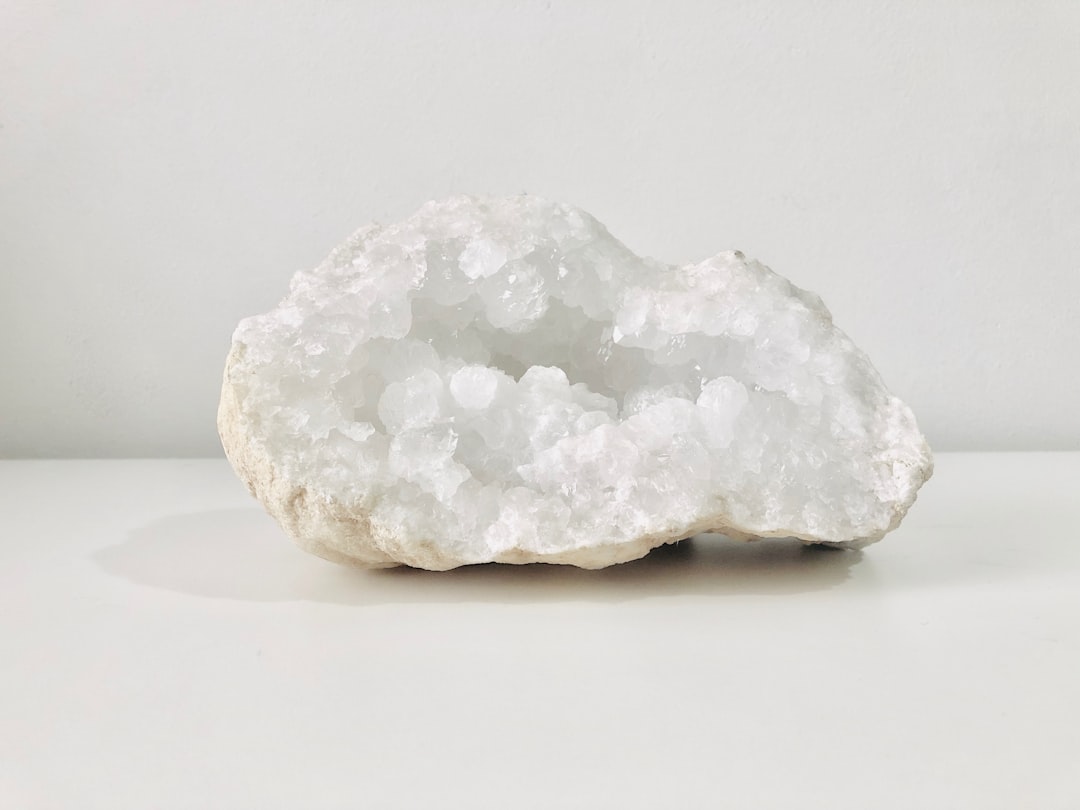
Quartz is a mineral consisting primarily of silicon dioxide (SiO2) that has been studied extensively by scientists and engineers. Its crystalline structure and physical durability make it an important subject in materials science research. Quartz serves practical functions in numerous applications, including electronics manufacturing and construction materials, beyond its decorative uses.
Ongoing research into quartz properties continues to reveal new potential applications across multiple industries. Materials science research on quartz involves multiple scientific disciplines, including geology, physics, and engineering. This interdisciplinary methodology enables comprehensive analysis of quartz characteristics and its material interactions.
Current technological developments have increased demand for advanced materials, leading scientists to conduct detailed investigations of quartz properties. Research findings on quartz contribute to improvements in existing technologies and enable development of new applications with potential industrial and societal benefits.
Key Takeaways
- Quartz possesses unique physical and energetic properties that have been valued since ancient times.
- It played a significant role in pyramid construction, both structurally and spiritually.
- Modern technology harnesses quartz for its energy and piezoelectric capabilities.
- Quartz is believed to have healing and spiritual significance, especially in pyramid contexts.
- Sustainable practices are essential to minimize the environmental impact of quartz mining and usage.
The Unique Properties of Quartz
One of the most remarkable properties of quartz is its exceptional hardness, ranking 7 on the Mohs scale. This hardness makes quartz an ideal candidate for various applications, including abrasives and cutting tools. Its resistance to weathering and chemical corrosion further enhances its utility in construction and manufacturing.
This characteristic has led to its widespread use in electronic devices, such as watches and sensors. Another unique aspect of quartz is its thermal stability.
It can withstand high temperatures without losing its structural integrity, making it suitable for use in environments where other materials might fail. This property is particularly valuable in industries that require materials to endure extreme conditions, such as aerospace and automotive engineering. Furthermore, quartz’s optical clarity and ability to transmit light make it an essential component in optics and telecommunications, where precision is paramount. Discover the secrets behind the
The construction of the ancient Egyptian pyramids is a testament to the ingenuity of early civilizations, and quartz played a pivotal role in this monumental achievement. The pyramids were built using massive limestone blocks, but quartz was often used in the form of small stones or as part of the mortar that held these blocks together. The presence of quartz not only contributed to the structural integrity of the pyramids but also added a unique aesthetic quality to their surfaces.
Moreover, the reflective properties of quartz may have been intentionally utilized by the ancient Egyptians to enhance the visual impact of the pyramids. When sunlight struck the polished surfaces containing quartz, it would create a dazzling effect that could be seen from great distances. This optical phenomenon likely held spiritual significance for the Egyptians, symbolizing the connection between the earthly realm and the divine.
The use of quartz in pyramid construction exemplifies how ancient civilizations harnessed natural materials to achieve both functional and symbolic goals.
Harnessing the Energy of Quartz in Modern Technology
In contemporary society, the energy-harnessing capabilities of quartz have been harnessed in various technological applications. The piezoelectric effect, discovered in quartz crystals, has led to significant advancements in electronics. Devices such as microphones, speakers, and accelerometers rely on this property to convert mechanical energy into electrical signals.
This conversion is crucial for enabling communication and data transmission in modern devices. Furthermore, quartz crystals are integral to the functioning of oscillators in watches and clocks. These oscillators maintain precise timekeeping by utilizing the consistent frequency at which quartz vibrates when an electric current is applied.
This precision has made quartz watches a popular choice for consumers seeking reliability and accuracy. As technology continues to evolve, researchers are exploring new ways to leverage quartz’s unique properties to develop innovative solutions in fields such as telecommunications and renewable energy.
The Healing Properties of Quartz
| Property | Quartz (SiO₂) | Relevance to Pyramid Material Science |
|---|---|---|
| Crystal Structure | Trigonal (Hexagonal system) | Provides structural stability and piezoelectric properties used in ancient technologies |
| Hardness (Mohs scale) | 7 | Durability of pyramid stones and resistance to weathering |
| Density | 2.65 g/cm³ | Influences weight and load-bearing capacity of pyramid blocks |
| Piezoelectric Effect | Present | Potential role in energy conduction or ancient sensor mechanisms within pyramids |
| Thermal Stability | Up to 573°C (alpha to beta quartz transition) | Ensures material integrity under temperature variations |
| Optical Properties | Transparent to translucent | Used in decorative or symbolic elements in pyramid construction |
Beyond its industrial applications, quartz is often associated with healing properties in various holistic practices. Many believe that different types of quartz crystals possess unique energies that can promote physical and emotional well-being. Clear quartz, for instance, is thought to amplify energy and intention, making it a popular choice among practitioners of crystal healing.
It is often used in meditation practices to enhance clarity and focus. Amethyst, a purple variety of quartz, is believed to have calming effects and is frequently used to alleviate stress and anxiety. Similarly, rose quartz is associated with love and compassion, making it a favored stone for those seeking emotional healing.
While scientific evidence supporting these claims may be limited, the popularity of quartz in alternative healing practices underscores its cultural significance and the belief in its potential benefits.
Exploring the Spiritual Significance of Quartz in Pyramids
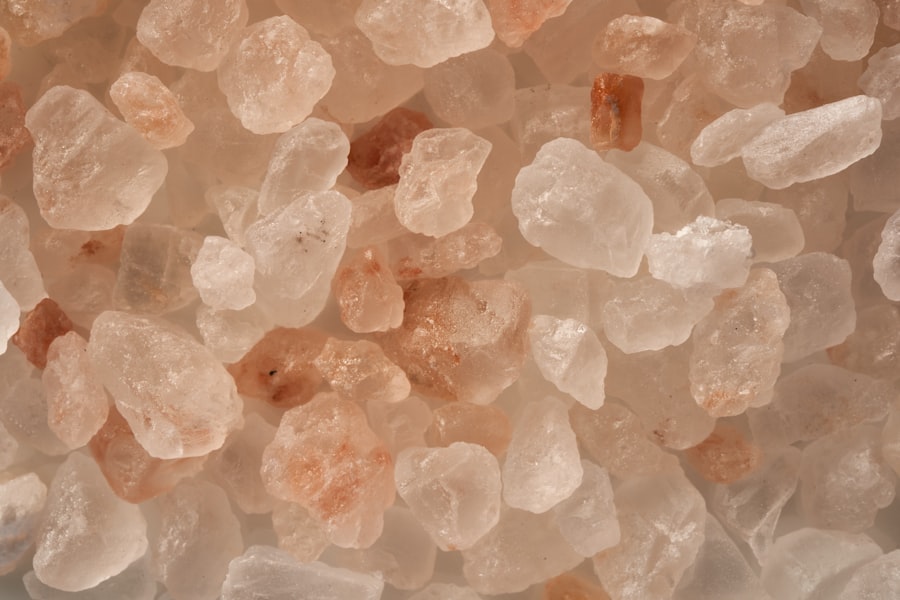
The spiritual significance of quartz extends beyond its physical properties; it is deeply intertwined with ancient beliefs and practices. In the context of pyramid construction, quartz was not merely a building material but also a symbol of spiritual connection. The ancient Egyptians believed that certain stones could channel divine energy, and quartz was often associated with clarity and enlightenment.
The placement of quartz within the pyramids may have been intentional, serving as a conduit for spiritual energy during rituals or ceremonies. Some researchers suggest that the reflective qualities of quartz could have been used to create light effects that enhanced the spiritual experience for those within the pyramid’s confines. This interplay between materiality and spirituality highlights how ancient civilizations viewed their environment as imbued with meaning and significance.
The Use of Quartz in Ancient Civilizations
Quartz has been utilized by various ancient civilizations across the globe for millennia. In addition to its role in Egyptian pyramids, quartz was employed by Native American tribes for tools and ceremonial objects. Its durability made it an ideal material for crafting weapons and implements necessary for survival.
Furthermore, many indigenous cultures revered quartz as a sacred stone, believing it held protective or healing properties. In ancient China, quartz was used in traditional medicine practices, where it was believed to promote health and longevity. The Chinese also valued quartz for its aesthetic qualities, incorporating it into jewelry and decorative items.
This widespread use across different cultures illustrates how quartz transcended geographical boundaries, becoming a significant material in human history.
Modern Applications of Quartz Material Science
In today’s world, the applications of quartz material science are vast and varied. Beyond electronics and construction, quartz is increasingly being explored for its potential in renewable energy technologies. Solar panels often incorporate silicon derived from quartz due to its abundance and efficiency in converting sunlight into electricity.
As society shifts towards sustainable energy solutions, the role of quartz will likely become even more prominent. Additionally, advancements in nanotechnology have opened new avenues for utilizing quartz at a microscopic level. Researchers are investigating how nanoscale quartz particles can enhance materials’ properties, leading to stronger composites or improved thermal conductivity.
These innovations could revolutionize industries such as aerospace, automotive, and electronics by creating lighter yet more durable materials.
The Future of Quartz Material Science
The future of quartz material science appears promising as researchers continue to uncover new applications and enhance existing technologies. With ongoing advancements in nanotechnology and materials engineering, there is potential for developing novel uses for quartz that were previously unimaginable. For instance, integrating quartz into smart materials could lead to innovations in responsive technologies that adapt to environmental changes.
Moreover, as industries increasingly prioritize sustainability, there will likely be a growing emphasis on responsible sourcing and utilization of quartz resources. Researchers are exploring methods to minimize environmental impact during mining processes while maximizing efficiency in production. This focus on sustainability aligns with global efforts to create a more environmentally conscious society.
The Environmental Impact of Quartz Mining and Usage
While quartz offers numerous benefits across various industries, its extraction and usage are not without environmental consequences. Mining operations can lead to habitat destruction, soil erosion, and water pollution if not managed responsibly. The demand for high-quality quartz has prompted concerns about over-exploitation and its long-term effects on ecosystems.
To mitigate these impacts, there is a pressing need for sustainable mining practices that prioritize environmental stewardship. Implementing regulations that promote responsible extraction methods can help preserve natural habitats while ensuring that industries have access to this valuable resource. Additionally, recycling quartz materials from electronic waste can reduce the need for new mining operations, contributing to a more sustainable approach to resource management.
Maximizing the Potential of Quartz in Material Science
In conclusion, quartz material science represents a fascinating intersection of natural resources and technological innovation. Its unique properties have made it indispensable across various fields, from ancient civilizations’ architectural marvels to modern electronic devices. As researchers continue to explore the potential applications of quartz, there is an opportunity to harness its capabilities responsibly while addressing environmental concerns.
By maximizing the potential of this remarkable mineral while prioritizing environmental stewardship, society can continue to benefit from quartz’s myriad applications while preserving the planet for future generations.
In the study of pyramid material science, quartz plays a crucial role due to its unique properties and applications. For a deeper understanding of how quartz is utilized in various scientific fields, you can explore the article available at Real Lore and Order, which discusses the significance of quartz in material science and its implications for future research.
WATCH THIS! 🔺 THEY LIED ABOUT THE PYRAMIDS — Here’s The Real Truth 🤯
FAQs
What is quartz and why is it important in material science?
Quartz is a crystalline mineral composed of silicon dioxide (SiO2). It is important in material science due to its abundance, durability, piezoelectric properties, and its use in various applications such as electronics, optics, and construction materials.
How is quartz used in pyramid construction or related studies?
Quartz has been studied in relation to pyramids because of its presence in the stones used for construction and its potential influence on the structural integrity and energy properties of the pyramids. Researchers analyze quartz content to understand the material properties and historical construction techniques.
What are the key properties of quartz that are relevant to pyramid material science?
Key properties include hardness (7 on Mohs scale), chemical stability, piezoelectricity (ability to generate electric charge under mechanical stress), and optical clarity. These properties affect the durability and potential functional uses of quartz-containing materials in pyramids.
Can quartz affect the preservation of pyramid structures?
Yes, quartz’s chemical stability and hardness contribute to the longevity and resistance to weathering of pyramid stones. Its presence can enhance the durability of the construction materials used in pyramids.
Is synthetic quartz used in modern material science related to pyramids?
While synthetic quartz is widely used in modern electronics and optics, its direct application to pyramid studies is limited. However, understanding synthetic quartz helps researchers compare natural quartz properties found in pyramid materials.
What scientific methods are used to analyze quartz in pyramid materials?
Common methods include X-ray diffraction (XRD), scanning electron microscopy (SEM), energy-dispersive X-ray spectroscopy (EDX), and Raman spectroscopy. These techniques help identify quartz content, crystal structure, and purity in pyramid stones.
Does quartz have any cultural or symbolic significance in pyramid construction?
Quartz has been valued in many ancient cultures for its clarity and perceived mystical properties. While primarily a structural material, quartz may also have held symbolic or ritual significance in pyramid construction, though this is more speculative and based on archaeological interpretation.
How does the piezoelectric property of quartz relate to pyramid material science?
The piezoelectric property means quartz can generate an electric charge when subjected to mechanical stress. Some theories suggest this could have influenced ancient builders’ choice of materials, but there is no definitive evidence that pyramids were designed to exploit this property.