
Pyramid water pressure hydraulics is a fascinating field that combines principles of fluid dynamics with the unique geometric properties of pyramids. This system utilizes the natural flow of water, leveraging gravitational forces and pressure differentials to create efficient hydraulic systems. The pyramid shape, with its broad base tapering to a point, allows for a stable structure that can effectively manage and direct water flow.
This design not only maximizes the gravitational potential energy of water but also minimizes turbulence, making it an ideal model for various hydraulic applications. The concept of pyramid water pressure hydraulics can be traced back to ancient civilizations that recognized the benefits of using gravity-fed systems for irrigation and water management. By understanding how water behaves within a pyramid structure, engineers and scientists have been able to develop modern applications that enhance efficiency and sustainability.
The principles governing this hydraulic system are rooted in physics, particularly in the study of pressure, flow rates, and the behavior of fluids under different conditions. As such, a comprehensive understanding of these principles is essential for anyone looking to explore the potential of pyramid water pressure hydraulics.
Key Takeaways
- Pyramid water pressure hydraulics utilize unique geometric principles to enhance fluid pressure and flow efficiency.
- The technology offers innovative applications in engineering, improving system performance and energy use.
- Advantages include increased pressure control and potential energy savings, while limitations involve complexity and material constraints.
- Recent developments focus on optimizing design and minimizing environmental impact for sustainable use.
- Safety protocols are essential due to high-pressure operations, with future potential promising broader industrial adoption.
The Science Behind Pyramid Water Pressure Hydraulics
At the core of pyramid water pressure hydraulics lies the fundamental science of fluid mechanics.
In a pyramid structure, water is channeled through a series of pathways that take advantage of gravitational pull.
The shape of the pyramid creates a pressure gradient, where the weight of the water above exerts force on the water below, resulting in increased pressure at lower levels. This phenomenon is crucial for understanding how water can be efficiently transported and utilized in various applications. Moreover, the design of a pyramid allows for optimal flow characteristics.
The tapering sides reduce resistance as water moves through the system, minimizing energy loss due to friction. This streamlined flow is essential for maintaining high efficiency in hydraulic systems. Additionally, the stability of the pyramid structure ensures that it can withstand external forces, such as wind or seismic activity, making it a reliable choice for long-term installations.
By harnessing these scientific principles, engineers can create innovative solutions that leverage the natural properties of water and gravity. Discover the secrets behind the pyramid mystery ancient egypt in this fascinating video.
Harnessing the Power of Pyramid Water Pressure Hydraulics

Harnessing the power of pyramid water pressure hydraulics involves integrating these scientific principles into practical applications. Engineers and designers are increasingly looking to this method as a sustainable alternative to traditional hydraulic systems. By utilizing the natural flow of water and the inherent stability of pyramid structures, they can create systems that require less energy input while delivering greater output.
This approach not only conserves resources but also reduces the environmental impact associated with conventional hydraulic technologies. One notable application is in irrigation systems, where pyramid water pressure hydraulics can be employed to distribute water efficiently across agricultural fields. By designing channels that mimic the pyramid shape, farmers can ensure that water reaches crops with minimal waste.
This method not only enhances crop yields but also conserves water resources, making it an attractive option for regions facing water scarcity. Furthermore, the adaptability of pyramid structures allows for customization based on specific geographical and environmental conditions, further enhancing their utility in various settings.
Applications of Pyramid Water Pressure Hydraulics in Engineering
The applications of pyramid water pressure hydraulics extend beyond agriculture into various engineering fields. In civil engineering, for instance, this technology can be utilized in the design of drainage systems and flood control measures. By creating channels that mimic the pyramid’s geometry, engineers can effectively manage stormwater runoff and prevent flooding in urban areas.
The ability to direct water flow efficiently not only protects infrastructure but also enhances public safety. Additionally, pyramid water pressure hydraulics has found its way into renewable energy projects, particularly in hydropower generation. By constructing dams or reservoirs with pyramid-like features, engineers can optimize water flow to turbines, maximizing energy production while minimizing environmental disruption.
This innovative approach aligns with global efforts to transition towards sustainable energy sources, showcasing how traditional concepts can be reimagined to meet modern challenges.
Advantages of Using Pyramid Water Pressure Hydraulics
| Parameter | Value | Unit | Description |
|---|---|---|---|
| Height of Pyramid (h) | 146.6 | meters | Vertical height from base to apex |
| Water Density (ρ) | 1000 | kg/m³ | Density of water at standard conditions |
| Gravitational Acceleration (g) | 9.81 | m/s² | Acceleration due to gravity |
| Hydrostatic Pressure at Base (P) | 1,438,746 | Pa (Pascals) | Pressure exerted by water column at pyramid base (P = ρgh) |
| Water Column Height | 146.6 | meters | Equivalent height of water creating pressure |
| Pressure in atm | 14.2 | atm | Hydrostatic pressure converted to atmospheres (1 atm = 101325 Pa) |
| Flow Rate (Q) | Variable | m³/s | Dependent on outlet size and pressure |
| Bernoulli’s Equation Application | Yes | – | Used to calculate velocity and pressure in water flow |
The advantages of employing pyramid water pressure hydraulics are manifold. One significant benefit is its efficiency in resource utilization. By leveraging gravitational forces and minimizing energy loss through friction, these systems can operate with lower energy inputs compared to conventional hydraulic methods.
Moreover, the structural integrity of pyramids provides enhanced durability and stability. Unlike other shapes that may be prone to collapse under stress or environmental factors, pyramids distribute weight evenly across their base.
This characteristic makes them particularly suitable for long-term installations in diverse environments. Additionally, their adaptability allows for customization based on specific needs, ensuring that engineers can tailor solutions to meet unique challenges.
Disadvantages and Limitations of Pyramid Water Pressure Hydraulics
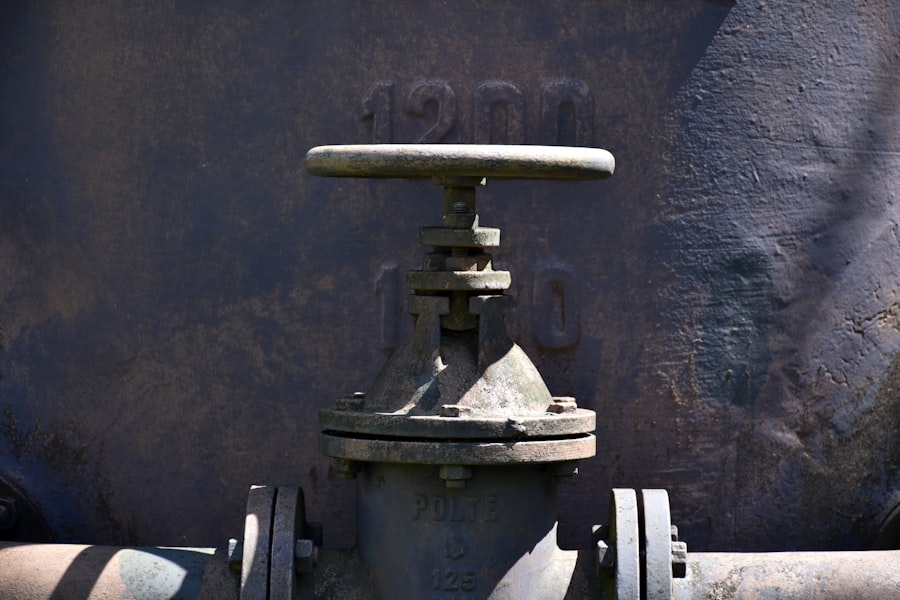
Despite its numerous advantages, pyramid water pressure hydraulics is not without its limitations. One notable challenge is the initial cost associated with constructing pyramid-shaped structures. While they may offer long-term savings through efficiency and durability, the upfront investment can be significant, particularly for large-scale projects.
This financial barrier may deter some organizations from adopting this innovative approach. Furthermore, the effectiveness of pyramid water pressure hydraulics can be influenced by environmental factors such as soil composition and topography. In areas with unstable ground or extreme weather conditions, maintaining the structural integrity of pyramid systems may pose challenges.
Engineers must carefully assess these factors during the design phase to ensure that their systems can withstand potential risks. As such, while pyramid water pressure hydraulics presents exciting opportunities, it requires thorough planning and consideration to implement successfully.
Innovations and Developments in Pyramid Water Pressure Hydraulics
The field of pyramid water pressure hydraulics is continually evolving as researchers and engineers explore new innovations and developments. Recent advancements have focused on integrating smart technology into hydraulic systems, allowing for real-time monitoring and optimization of water flow. By utilizing sensors and data analytics, engineers can make informed decisions about resource allocation and system performance, further enhancing efficiency.
Additionally, there has been a growing interest in combining pyramid water pressure hydraulics with other sustainable technologies, such as solar power or wind energy. By creating hybrid systems that leverage multiple renewable resources, engineers can develop solutions that are not only efficient but also environmentally friendly. These innovations reflect a broader trend towards sustainability in engineering practices, highlighting the potential for pyramid water pressure hydraulics to play a significant role in future infrastructure projects.
Environmental Impact of Pyramid Water Pressure Hydraulics
The environmental impact of pyramid water pressure hydraulics is an important consideration as society seeks sustainable solutions to pressing challenges. One of the primary benefits of this technology is its ability to conserve water resources by minimizing waste during distribution. In regions where water scarcity is a critical issue, implementing efficient hydraulic systems can significantly reduce consumption while ensuring adequate supply for agricultural and urban needs.
Moreover, by reducing reliance on energy-intensive pumping systems, pyramid water pressure hydraulics contributes to lower carbon emissions associated with traditional hydraulic methods. This aligns with global efforts to combat climate change and promote sustainable practices across various industries. However, it is essential to conduct thorough environmental assessments during the planning phase to ensure that these systems do not inadvertently disrupt local ecosystems or wildlife habitats.
Safety Considerations for Working with Pyramid Water Pressure Hydraulics
Safety considerations are paramount when working with any hydraulic system, including those based on pyramid water pressure hydraulics. Engineers must ensure that structures are designed to withstand potential hazards such as flooding or seismic activity. Proper materials selection and construction techniques are critical in maintaining structural integrity and preventing catastrophic failures.
Additionally, regular maintenance and monitoring are essential to ensure that hydraulic systems operate safely over time. Engineers should implement protocols for inspecting components and addressing any issues promptly to mitigate risks associated with leaks or structural weaknesses. By prioritizing safety throughout the design and operational phases, engineers can create reliable systems that protect both human life and infrastructure.
Future Potential of Pyramid Water Pressure Hydraulics Technology
The future potential of pyramid water pressure hydraulics technology is promising as society continues to seek innovative solutions to complex challenges. As advancements in materials science and engineering techniques progress, it is likely that pyramid structures will become even more efficient and adaptable to various environments. Researchers are exploring new materials that enhance durability while reducing costs, making this technology more accessible for widespread adoption.
Furthermore, as global awareness of sustainability grows, there will likely be increased investment in research and development focused on hydraulic systems that prioritize resource conservation and environmental protection. Pyramid water pressure hydraulics stands at the forefront of this movement, offering a unique approach that aligns with contemporary values surrounding sustainability and efficiency.
The Promise of Pyramid Water Pressure Hydraulics
In conclusion, pyramid water pressure hydraulics represents a compelling intersection of ancient wisdom and modern engineering innovation. By harnessing the natural properties of water and gravity within a stable geometric framework, this technology offers numerous advantages across various applications—from agriculture to renewable energy generation. While challenges remain regarding initial costs and environmental considerations, ongoing research and development promise to unlock even greater potential for this hydraulic system.
As society continues to grapple with pressing issues such as climate change and resource scarcity, embracing sustainable technologies like pyramid water pressure hydraulics will be crucial for building resilient infrastructure for future generations. The promise of this innovative approach lies not only in its efficiency but also in its ability to inspire new ways of thinking about how we manage our most precious resources—water being paramount among them.
For those interested in the intricacies of pyramid water pressure hydraulics, a related article can be found at this link. This article delves into the principles of hydraulic systems and their applications, providing valuable insights into how water pressure can be effectively harnessed in various engineering projects.
WATCH THIS! 🔺 THEY LIED ABOUT THE PYRAMIDS — Here’s The Real Truth 🤯
FAQs
What is pyramid water pressure hydraulics?
Pyramid water pressure hydraulics refers to the study and application of water pressure principles in hydraulic systems that are designed or shaped like a pyramid. It involves understanding how water pressure behaves within pyramid-shaped structures or systems to optimize fluid flow and mechanical performance.
How does water pressure work in hydraulic systems?
Water pressure in hydraulic systems is generated by the force exerted by water within a confined space. This pressure can be used to transmit power, move mechanical components, or perform work. The pressure depends on factors such as the height of the water column, the density of the fluid, and gravitational acceleration.
Why is the pyramid shape significant in water pressure hydraulics?
The pyramid shape can influence the distribution and flow of water pressure within a hydraulic system. Its geometric properties may help in evenly distributing pressure, reducing turbulence, or enhancing structural stability, which can be beneficial in certain hydraulic applications.
What are common applications of pyramid water pressure hydraulics?
Applications may include water distribution systems, hydraulic lifts, irrigation setups, and architectural water features where pyramid-shaped components are used to manage or utilize water pressure effectively.
What factors affect water pressure in pyramid hydraulic systems?
Key factors include the height and volume of the water source, the shape and size of the pyramid structure, the material of the hydraulic components, and environmental conditions such as temperature and atmospheric pressure.
How can water pressure be measured in pyramid hydraulic systems?
Water pressure can be measured using pressure gauges, manometers, or electronic sensors placed at strategic points within the hydraulic system to monitor pressure levels accurately.
Are there any safety considerations in pyramid water pressure hydraulics?
Yes, safety considerations include ensuring the structural integrity of the pyramid system to withstand pressure, preventing leaks or bursts, and maintaining proper pressure levels to avoid system failure or hazards.
Can pyramid water pressure hydraulics improve energy efficiency?
Properly designed pyramid hydraulic systems can optimize water flow and pressure distribution, potentially improving energy efficiency by reducing losses due to turbulence or uneven pressure.
What materials are commonly used in pyramid water pressure hydraulic systems?
Materials such as reinforced concrete, steel, PVC, and other durable, water-resistant materials are commonly used to construct pyramid hydraulic components to ensure longevity and resistance to pressure-related stresses.
Where can I learn more about pyramid water pressure hydraulics?
Further information can be found in engineering textbooks on hydraulics, academic journals, technical manuals, and online resources specializing in fluid mechanics and hydraulic system design.