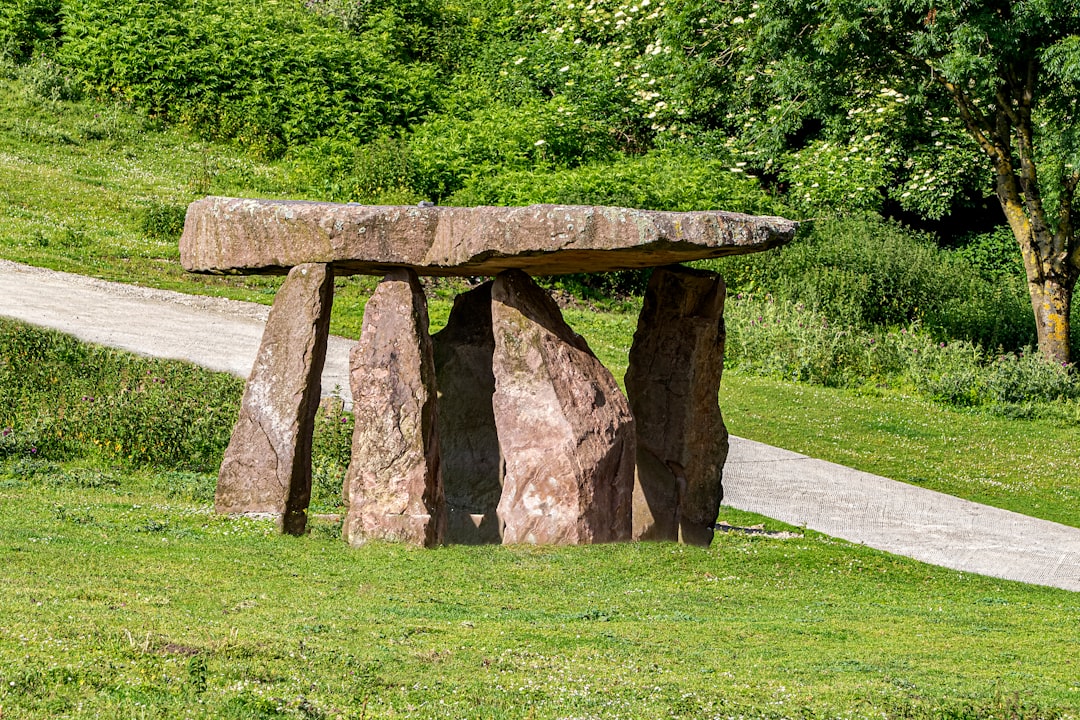
Megalithic engineering represents a fascinating chapter in the annals of human history, characterized by the construction of monumental stone structures that have stood the test of time. These impressive edifices, often composed of massive stones, are found across various cultures and continents, from the iconic Stonehenge in England to the lesser-known dolmens scattered throughout Europe and Asia. The sheer scale and complexity of these structures raise intriguing questions about the capabilities and ingenuity of ancient societies.
As researchers delve deeper into the methods and motivations behind megalithic construction, they uncover not only the technical prowess of these builders but also the cultural narratives that shaped their monumental endeavors. The study of megalithic engineering is not merely an exploration of ancient architecture; it is a window into the social, spiritual, and technological landscapes of early civilizations. These structures often served as focal points for communities, embodying their beliefs, rituals, and aspirations.
The enduring nature of megalithic sites invites contemplation about the human desire to leave a lasting mark on the world, a testament to both individual and collective identity. As scholars continue to investigate these ancient marvels, they reveal a tapestry of human experience woven through stone, time, and tradition.
Key Takeaways
- Megalithic engineering refers to the construction of large stone structures using precise techniques and tools.
- The purpose and function of megalithic structures remain a mystery, with theories ranging from astronomical observatories to religious or ceremonial sites.
- Megalithic builders used advanced tools and techniques, such as levers, wedges, and ropes, to transport and position massive stones.
- Megalithic architecture showcases engineering marvels, with structures like Stonehenge and the Great Pyramids demonstrating incredible precision and craftsmanship.
- Megalithic sites hold cultural and spiritual significance, with many believed to have been aligned with astronomical events and serving as sacred spaces for ancient societies.
The Ancient Mystery of Megalithic Structures
The allure of megalithic structures lies in their enigmatic origins and purposes. Many of these sites were constructed during prehistoric times, a period shrouded in mystery due to the lack of written records. This absence of documentation has led to a plethora of theories regarding their function—ranging from astronomical observatories to burial sites or even ceremonial centers.
Each hypothesis reflects the diverse interpretations of scholars and enthusiasts alike, highlighting the multifaceted nature of these ancient monuments. Moreover, the geographical distribution of megalithic structures adds another layer to their mystery. Found in regions as varied as Europe, Africa, Asia, and the Americas, these sites suggest a shared human impulse to create monumental architecture.
The similarities in design and construction techniques across different cultures raise questions about potential exchanges of knowledge or parallel developments in engineering practices. As researchers piece together the puzzle of megalithic structures, they confront not only the challenges of archaeological interpretation but also the broader implications for understanding human history.
Tools and Techniques of Megalithic Builders

The construction of megalithic structures required advanced tools and techniques that are often underestimated in discussions about ancient engineering. While it is easy to assume that primitive societies lacked the means to manipulate massive stones, evidence suggests otherwise. Archaeological findings indicate that early builders employed a variety of tools made from stone, wood, and metal to quarry, shape, and transport these colossal blocks.
The ingenuity displayed in their tool-making reflects a sophisticated understanding of materials and mechanics. In addition to tools, the techniques used by megalithic builders were equally remarkable. Many sites exhibit evidence of complex construction methods, such as leveraging systems, ramps, and counterweights that facilitated the movement of heavy stones.
The precision with which these structures were aligned and assembled speaks to a deep knowledge of geometry and physics.
The Purpose and Function of Megalithic Structures
| Structure | Purpose | Function |
|---|---|---|
| Stonehenge | Astronomical observatory, religious ceremonies | Alignments with solstices, tracking celestial events |
| Gobekli Tepe | Ritualistic gatherings, religious ceremonies | Community gatherings, possibly religious rituals |
| Carnac Stones | Religious or ceremonial purposes | Possibly marking sacred sites or pathways |
The purposes behind megalithic structures are as varied as the sites themselves. While some scholars argue that these monuments served primarily as burial sites for elite individuals or communities, others propose that they functioned as ceremonial spaces for rituals and gatherings. The alignment of many megalithic sites with celestial events suggests an astronomical significance, indicating that ancient peoples may have used these structures to mark solstices or equinoxes.
This connection to the cosmos underscores the spiritual dimensions of megalithic architecture. Furthermore, megalithic structures often acted as symbols of power and identity for the communities that built them. They served not only as physical landmarks but also as expressions of cultural values and social hierarchies.
The investment of labor and resources into constructing these monumental sites reflects a collective commitment to shared beliefs and traditions. As such, megalithic structures can be seen as embodiments of community cohesion, serving both practical functions and deeper symbolic meanings.
The Engineering Marvels of Megalithic Architecture
Megalithic architecture stands as a testament to the engineering prowess of ancient civilizations. The sheer scale and complexity of these structures challenge modern perceptions of prehistoric societies as primitive or unsophisticated. For instance, Stonehenge’s intricate arrangement of stones demonstrates an understanding of acoustics and geometry that continues to astound architects today.
The precision with which these stones were cut and placed reveals a level of craftsmanship that speaks to the builders’ dedication to their craft. In addition to Stonehenge, other notable examples include the megalithic temples of Malta and the dolmens found throughout Europe and Asia. Each site showcases unique architectural features that reflect local materials and cultural influences.
The ability to create enduring structures using rudimentary tools is a remarkable achievement that highlights human ingenuity in overcoming environmental challenges. As researchers continue to study these engineering marvels, they uncover insights into the technological advancements that enabled ancient societies to construct such impressive edifices.
The Cultural and Spiritual Significance of Megalithic Sites
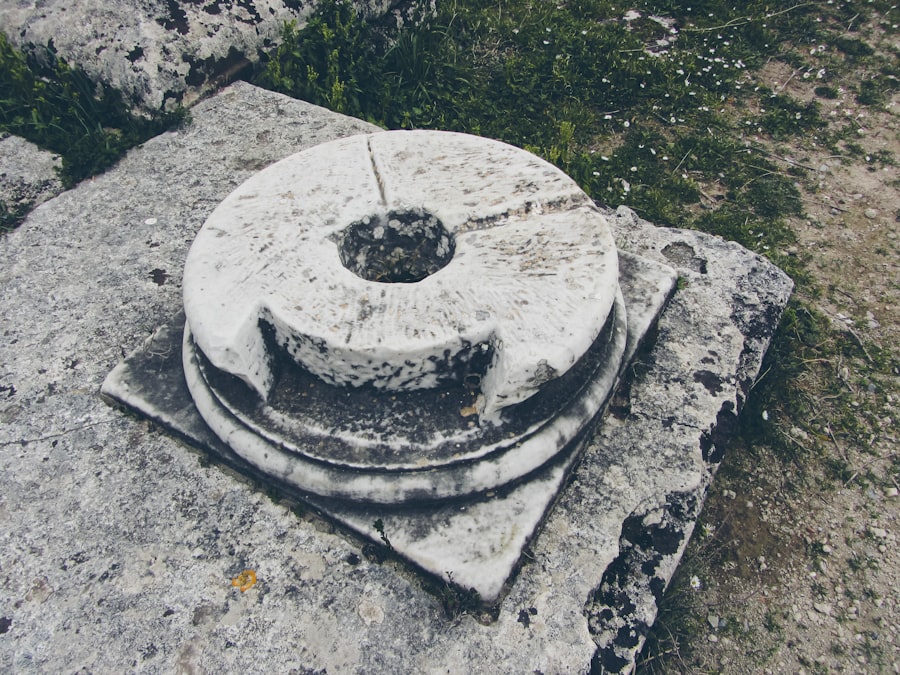
Megalithic sites are imbued with cultural and spiritual significance that transcends their physical presence. For many ancient peoples, these structures served as sacred spaces where rituals were performed, connecting them to their ancestors and the divine. The act of constructing a megalith was often seen as a communal endeavor that reinforced social bonds and collective identity.
As such, these sites became focal points for cultural expression, embodying the values and beliefs of the societies that created them. The spiritual dimensions of megalithic architecture are further emphasized by their alignment with celestial bodies. Many structures are oriented towards specific astronomical events, suggesting that ancient builders sought to harmonize their lives with the rhythms of nature.
This connection to the cosmos reflects a worldview in which humans were seen as part of a larger universe, fostering a sense of reverence for the natural world. As modern researchers explore these spiritual aspects, they gain insights into how ancient peoples understood their place in the cosmos and how they expressed this understanding through monumental architecture.
The Construction and Transportation of Megalithic Stones
The transportation and construction of megalithic stones remain one of the most intriguing aspects of megalithic engineering. Moving massive stones over considerable distances without modern machinery poses significant challenges that have puzzled historians and archaeologists alike. Evidence suggests that ancient builders employed a combination of sledges, rollers, and manpower to transport these colossal blocks from quarries to construction sites.
This process required meticulous planning and coordination among community members. Once at the site, the construction techniques employed by megalithic builders were equally impressive. Many structures exhibit evidence of sophisticated lifting mechanisms that allowed workers to position heavy stones with remarkable precision.
Ramps made from earth or timber may have been used to elevate stones into place, while levers could have facilitated fine adjustments during assembly. The collaborative effort involved in constructing these monumental sites speaks volumes about the social organization and engineering knowledge possessed by ancient societies.
The Mathematical and Astronomical Precision of Megalithic Alignments
One of the most striking features of megalithic structures is their mathematical and astronomical precision. Many sites are meticulously aligned with celestial events such as solstices, equinoxes, or lunar cycles, indicating a sophisticated understanding of astronomy among ancient builders. This alignment suggests that these structures were not merely functional but also held significant symbolic meaning related to timekeeping and agricultural cycles.
The mathematical principles underlying these alignments reflect an advanced grasp of geometry that challenges assumptions about prehistoric knowledge systems. Researchers have discovered that many megalithic sites incorporate specific ratios and proportions that resonate with natural phenomena. This precision not only underscores the technical capabilities of ancient engineers but also highlights their deep connection to the cosmos—a relationship that informed their cultural practices and worldviews.
The Legacy of Megalithic Engineering in Modern Architecture
The legacy of megalithic engineering extends far beyond its historical context; it continues to influence modern architecture in various ways. Contemporary architects often draw inspiration from the principles underlying megalithic design—emphasizing harmony with nature, sustainability, and community engagement. The use of natural materials and an emphasis on spatial relationships can be traced back to ancient practices that prioritized functionality alongside aesthetic considerations.
Moreover, modern engineering techniques have evolved from foundational principles established by ancient builders. Concepts such as load distribution, structural integrity, and spatial orientation can be seen in both megalithic architecture and contemporary designs. As architects grapple with challenges related to sustainability and environmental impact today, they can look back at megalithic engineering for insights into creating enduring structures that resonate with their surroundings.
The Ongoing Research and Discoveries in Megalithic Studies
The field of megalithic studies is vibrant and continually evolving as new discoveries emerge through archaeological excavations and technological advancements. Researchers employ cutting-edge techniques such as ground-penetrating radar, 3D modeling, and isotopic analysis to uncover hidden aspects of megalithic sites previously obscured by time or erosion. These innovations allow scholars to reconstruct ancient landscapes more accurately while providing fresh insights into construction methods and cultural practices.
Additionally, interdisciplinary collaboration among archaeologists, historians, astronomers, and engineers enriches our understanding of megalithic structures. By combining expertise from various fields, researchers can develop comprehensive narratives that encompass not only architectural techniques but also social dynamics, spiritual beliefs, and environmental contexts surrounding these monumental sites. As ongoing research continues to unveil new layers within this fascinating domain, it reinforces the importance of preserving megalithic heritage for future generations.
Preserving and Protecting Megalithic Sites for Future Generations
The preservation and protection of megalithic sites have become increasingly critical in light of modern threats such as urban development, climate change, and tourism pressures. Many ancient structures face deterioration due to natural erosion or human activity that can compromise their integrity. As awareness grows regarding the cultural significance of these sites, efforts are being made globally to safeguard them for future generations.
Conservation initiatives often involve collaboration between local communities, governments, archaeologists, and heritage organizations aimed at ensuring sustainable management practices around megalithic sites. Education plays a vital role in fostering appreciation for these monuments while promoting responsible tourism practices that minimize environmental impact. By engaging communities in preservation efforts, there is hope for maintaining not only the physical structures but also the cultural narratives they embody—ensuring that future generations can continue to marvel at these extraordinary achievements in human history.
In conclusion, megalithic engineering represents a remarkable intersection between human ingenuity, cultural expression, and spiritual significance throughout history. As researchers continue to explore this captivating field, they uncover insights into ancient societies’ capabilities while emphasizing the importance of preserving these monumental legacies for future generations to appreciate and learn from.
Megalithic engineering techniques have long fascinated historians and archaeologists, as they reveal the advanced skills and knowledge of ancient civilizations. These techniques, which include the precise cutting and placement of massive stones, are evident in structures like Stonehenge and the pyramids of Egypt. For those interested in exploring more about the mysteries and methodologies behind these ancient constructions, an insightful article can be found on the Real Lore and Order website. This article delves into the various theories and evidence surrounding megalithic engineering, offering a comprehensive look at how these monumental structures were built. You can read more about it by visiting this link.
WATCH THIS! 👀 History Is Hiding 50 Impossible Inventions
FAQs
What are megalithic engineering techniques?
Megalithic engineering techniques refer to the methods and tools used by ancient civilizations to construct large stone structures, such as megaliths, dolmens, and stone circles.
What are some examples of megalithic structures?
Some examples of megalithic structures include Stonehenge in England, the Moai statues on Easter Island, the Great Pyramids of Giza in Egypt, and the megalithic temples of Malta.
What tools and techniques were used to construct megalithic structures?
Megalithic structures were constructed using a variety of tools and techniques, including stone hammers, chisels, wedges, and levers. Some civilizations also used ropes, sledges, and ramps to move and position the massive stones.
How were the massive stones of megalithic structures transported and lifted into place?
The transportation and lifting of massive stones for megalithic structures is still a subject of debate among archaeologists and engineers. Some theories suggest the use of wooden sledges, rollers, and levers, while others propose the use of water or counterweights.
What is the significance of megalithic engineering techniques?
Megalithic engineering techniques are significant because they demonstrate the advanced knowledge and skills of ancient civilizations in working with stone and constructing monumental structures. These techniques also reflect the cultural, religious, and astronomical significance of megalithic structures in ancient societies.