The Minoan civilization, flourishing on the island of Crete from approximately 3000 to 1100 BCE, stands as one of the earliest advanced societies in Europe. Renowned for its sophisticated art, architecture, and trade networks, the Minoans left an indelible mark on the ancient world. Their palatial complexes, such as the famous Palace of Knossos, reveal a culture that was not only rich in material wealth but also deeply intertwined with the natural world.
The Minoans were adept at harnessing their environment, and their maritime prowess allowed them to establish extensive trade routes across the Mediterranean. This seafaring capability was not merely a means of commerce; it was a vital aspect of their identity and cultural expression. Central to the Minoan way of life was their understanding of celestial navigation.
The stars and celestial bodies served as guides for their voyages across the open sea, enabling them to explore distant lands and establish trade connections.
As such, the study of Minoan celestial navigation offers valuable insights into their worldview and technological advancements, revealing how they harmonized their existence with the rhythms of nature.
Key Takeaways
- The Minoan civilization was an ancient civilization that thrived on the island of Crete from around 3000 to 1100 BCE, known for its advanced culture and seafaring abilities.
- Celestial navigation was of great importance in Minoan culture, as they relied on the stars and constellations for navigation at sea and for agricultural purposes.
- Minoans had advanced astronomical knowledge and tools, including the use of sundials, water clocks, and observation of celestial events such as solstices and equinoxes.
- The stars and constellations played a crucial role in Minoan navigation, with specific constellations being used as navigational markers for trade routes and seafaring.
- Minoan seafaring and trade routes were extensive, connecting Crete with other Mediterranean civilizations and allowing for the exchange of goods, ideas, and cultural influences.
The Importance of Celestial Navigation in Minoan Culture
Celestial navigation was a cornerstone of Minoan maritime activities, allowing them to traverse vast distances with confidence. The ability to read the stars and understand their movements was essential for successful navigation, particularly in an era when compasses and modern navigational tools were nonexistent. The Minoans relied on their observations of celestial bodies to determine their position at sea and to chart courses toward various destinations.
This skill not only facilitated trade but also fostered a sense of adventure and exploration among the Minoans. Moreover, celestial navigation held significant cultural importance for the Minoans. The stars were not merely points of light in the sky; they were imbued with meaning and significance.
Many scholars believe that the Minoans incorporated celestial motifs into their art and architecture, reflecting their reverence for the cosmos. This connection between navigation and culture underscores how integral the stars were to Minoan identity, influencing everything from religious practices to social organization. The stars served as a constant reminder of the vastness of the universe and humanity’s place within it.
Minoan Astronomical Knowledge and Tools
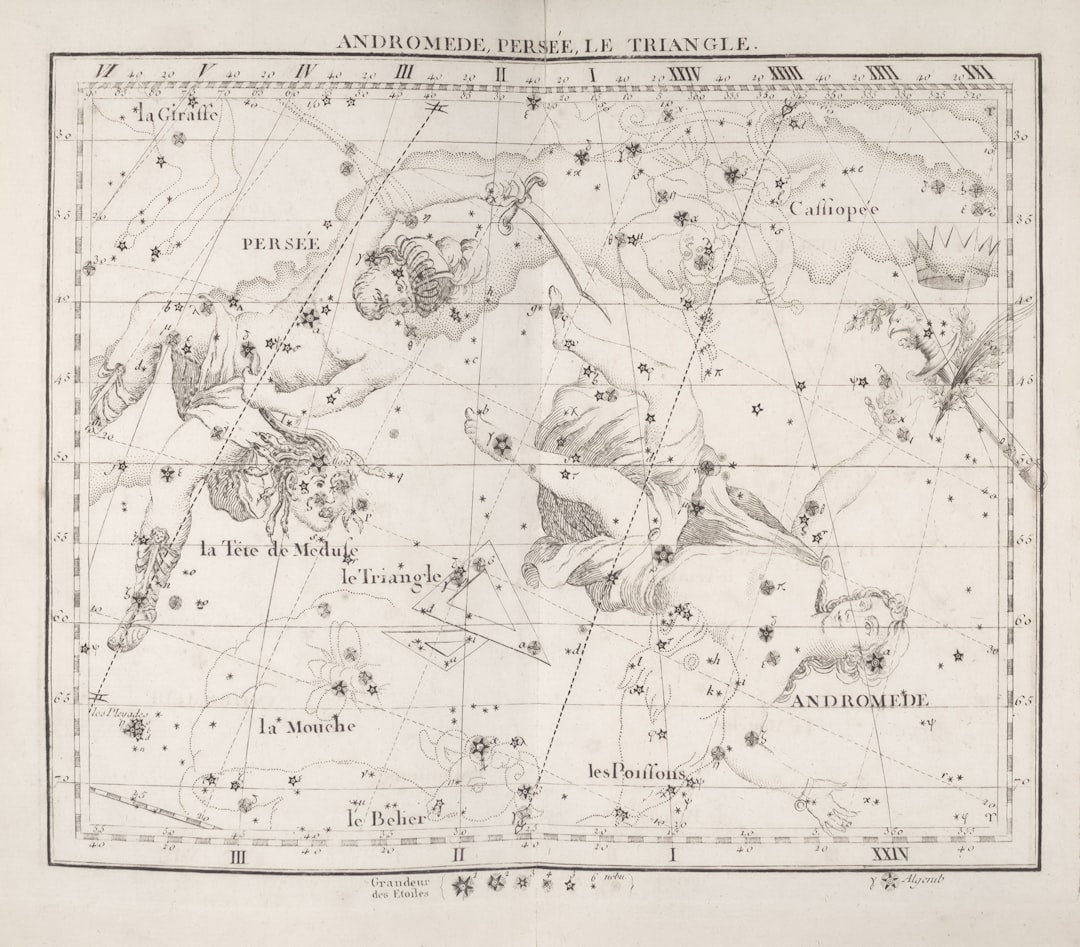
The Minoans possessed a remarkable understanding of astronomy, which was crucial for their navigational practices. They observed celestial phenomena with keen interest, developing knowledge about the movements of planets, stars, and constellations. This astronomical knowledge was likely passed down through generations, becoming an integral part of their cultural heritage.
The Minoans may have used simple tools such as gnomons or shadow sticks to track the sun’s position throughout the day, allowing them to gauge time and seasons effectively. In addition to basic observational tools, there is evidence suggesting that the Minoans may have developed more sophisticated instruments for navigation. Some researchers propose that they utilized early forms of astrolabes or similar devices to measure angles between celestial bodies and the horizon.
Such tools would have enhanced their ability to navigate accurately over long distances, enabling them to explore new territories and establish trade routes with other civilizations. The combination of keen observation and innovative tools exemplifies the Minoans’ advanced understanding of astronomy and its practical applications in navigation.
The Role of the Stars and Constellations in Minoan Navigation
| Constellation | Navigation Use | Associated Mythology |
|---|---|---|
| Orion | Used as a guide for east-west navigation | Associated with the myth of a great hunter |
| Ursa Major | Used to find the North Star for direction | Associated with the myth of the Great Bear |
| Pleiades | Used for seasonal navigation and timing | Associated with the myth of the Seven Sisters |
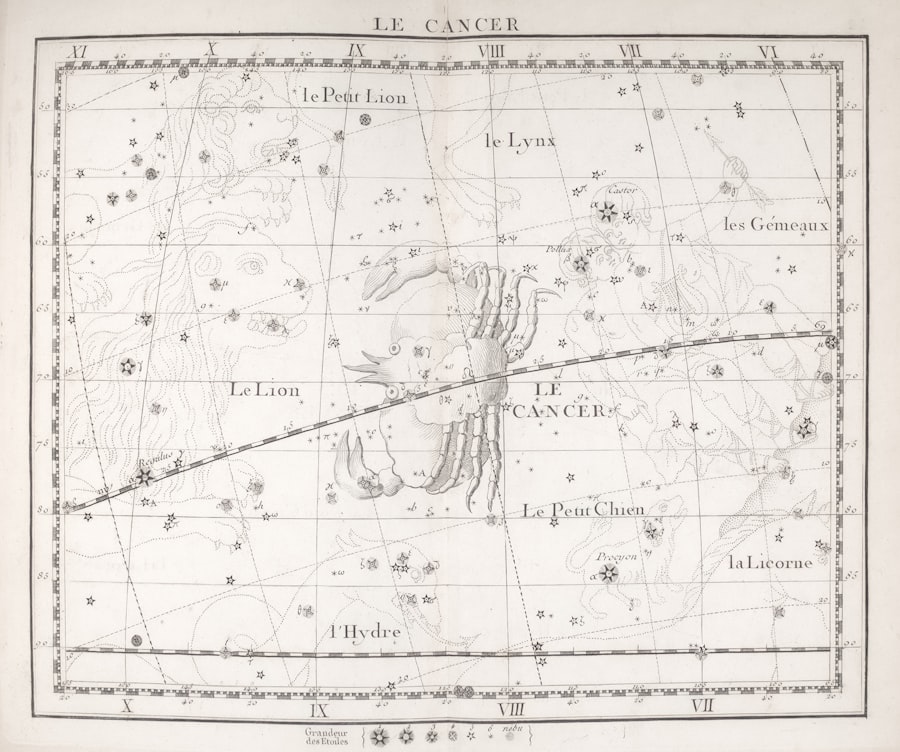
Stars and constellations played a pivotal role in guiding Minoan sailors across the Mediterranean Sea. By identifying key constellations, such as Ursa Major or Orion, navigators could orient themselves during nighttime voyages. These celestial markers served as reference points, helping sailors maintain their course even in unfamiliar waters.
The predictable movements of stars provided a reliable framework for navigation, allowing Minoans to venture further from shore with confidence. Furthermore, certain stars held particular significance in Minoan culture, possibly serving as symbols or deities within their mythology. The alignment of celestial bodies may have influenced not only navigation but also religious practices and rituals.
For instance, some scholars suggest that specific constellations were associated with agricultural cycles or seasonal changes, linking celestial navigation to the rhythms of life on land. This interconnectedness between the stars and daily existence highlights how deeply ingrained celestial navigation was in Minoan society.
Minoan Seafaring and Trade Routes
The Minoans were exceptional seafarers who established extensive trade networks throughout the Mediterranean region. Their ships, likely designed for both cargo transport and exploration, enabled them to connect with various cultures, including those in Egypt, the Levant, and mainland Greece. The strategic location of Crete allowed the Minoans to act as intermediaries in trade, facilitating the exchange of goods such as pottery, textiles, and precious metals.
Navigational skills were paramount for maintaining these trade routes. The Minoans had to navigate through treacherous waters while accounting for changing weather conditions and currents. Their ability to read the stars not only ensured safe passage but also allowed them to time their voyages according to seasonal patterns.
This mastery of seafaring contributed significantly to their economic prosperity and cultural exchange with neighboring civilizations, solidifying their status as a dominant maritime power in the ancient world.
The Influence of Celestial Navigation on Minoan Architecture and Urban Planning

The principles of celestial navigation extended beyond maritime activities; they also influenced Minoan architecture and urban planning. Many scholars argue that certain structures were intentionally aligned with celestial events, such as solstices or equinoxes. For instance, some palatial complexes may have been designed to capture sunlight during specific times of the year, creating a harmonious relationship between built environments and natural phenomena.
Additionally, urban layouts may have reflected navigational considerations. The placement of streets and buildings could have been oriented toward significant celestial markers or aligned with prevailing winds for optimal sailing conditions. This integration of celestial navigation into urban design underscores the Minoans’ holistic approach to life, where every aspect—be it architecture, navigation, or agriculture—was interconnected with the cosmos.
The Minoan Calendar and its Connection to Celestial Navigation
The Minoan calendar was likely intricately linked to celestial events, reflecting their reliance on astronomical observations for agricultural and social organization. By tracking lunar phases and solar cycles, the Minoans could determine optimal planting and harvesting times, ensuring food security for their communities. This agricultural calendar would have been essential for sustaining their population and supporting trade activities.
Moreover, celestial events such as eclipses or solstices may have held cultural significance for the Minoans, influencing religious practices and festivals. These events could have served as markers for important communal gatherings or rituals that celebrated the changing seasons. The connection between celestial navigation and calendrical systems illustrates how deeply intertwined astronomy was with every facet of Minoan life.
The Legacy of Minoan Celestial Navigation
The legacy of Minoan celestial navigation extends far beyond their time on Crete. Their navigational techniques and astronomical knowledge laid foundational principles that would influence subsequent civilizations in the Mediterranean region. As trade routes expanded and cultural exchanges flourished, elements of Minoan navigation likely permeated other societies, contributing to advancements in maritime exploration.
Furthermore, the artistic representations of celestial themes found in Minoan frescoes and pottery continue to inspire modern interpretations of ancient cultures. These depictions serve as a testament to the significance of celestial navigation in shaping not only Minoan identity but also broader historical narratives about human interaction with the cosmos.
Modern Discoveries and Research in Minoan Celestial Navigation
Recent archaeological discoveries have shed new light on Minoan celestial navigation practices. Excavations at various sites have uncovered artifacts that suggest a sophisticated understanding of astronomy among the Minoans. Researchers have identified potential navigational tools and astronomical alignments within palatial complexes that support theories about their navigational prowess.
Additionally, advancements in technology have allowed scholars to analyze ancient texts and artifacts more comprehensively. Techniques such as digital modeling and astronomical simulations enable researchers to reconstruct ancient navigational methods and assess their accuracy against modern standards. These modern discoveries continue to enrich our understanding of how the Minoans engaged with celestial navigation.
Challenges and Controversies in Understanding Minoan Celestial Navigation
Despite significant advancements in research, challenges remain in fully understanding Minoan celestial navigation practices. Much of what is known is based on interpretations of archaeological evidence, which can be subject to debate among scholars. The lack of written records specifically detailing navigational techniques complicates efforts to reconstruct their methods accurately.
Moreover, differing interpretations of artifacts can lead to controversies regarding their intended use or significance within Minoan society. As researchers continue to explore this fascinating aspect of Minoan culture, ongoing debates highlight the complexities inherent in studying ancient civilizations where much remains shrouded in mystery.
The Future of Minoan Celestial Navigation Research
The future of research into Minoan celestial navigation holds promise as new technologies emerge and interdisciplinary approaches gain traction. Collaborative efforts among archaeologists, astronomers, historians, and other specialists can yield fresh insights into this ancient civilization’s navigational practices. By combining archaeological findings with modern astronomical knowledge, researchers can develop more nuanced understandings of how the Minoans interacted with their environment.
As interest in ancient maritime cultures continues to grow, there is potential for further discoveries that may reshape current narratives about Minoan civilization. Continued exploration of underwater sites or remote areas on Crete could unveil new evidence related to seafaring practices or astronomical knowledge. Ultimately, ongoing research will contribute not only to a deeper appreciation of Minoan civilization but also to broader discussions about humanity’s relationship with the cosmos throughout history.
The Minoan civilization, known for its advanced maritime prowess, utilized celestial navigation techniques that were remarkably sophisticated for their time. These techniques allowed them to traverse the Mediterranean Sea with precision, relying on the stars to guide their journeys.
For more detailed insights, you can read the full article by visiting