
Ancient artifacts function as physical evidence of past civilizations, providing researchers with direct access to information about historical societies’ daily practices, religious systems, and technological capabilities. These archaeological materials, which include ceramic fragments, tools, artwork, and architectural remains, contain data about the social structures, economic systems, and cultural practices of extinct civilizations. Archaeological analysis of these objects reveals specific information about manufacturing techniques, trade networks, and the technological knowledge possessed by ancient populations.
The scientific value of ancient artifacts extends beyond their material composition to include the historical questions they raise about past human capabilities. Certain artifacts demonstrate technological sophistication that requires researchers to reassess previous assumptions about ancient knowledge systems and manufacturing processes. Archaeological investigation of these objects involves systematic analysis using modern scientific methods, including radiocarbon dating, chemical composition analysis, and comparative studies with similar artifacts from different geographical regions and time periods.
This research methodology enables archaeologists to construct evidence-based interpretations of ancient societies and their development over time.
Key Takeaways
- Ancient artifacts reveal advanced technology and engineering skills of early civilizations.
- Megalithic structures were constructed using sophisticated techniques still studied today.
- Mathematics and engineering played a crucial role in the creation of ancient artifacts.
- Ancient metalworking, jewelry, and sculptures showcase intricate craftsmanship and design.
- Understanding ancient textiles and pottery helps reimagine the achievements of past cultures.
The Mystery of Impossible Feats
Throughout history, certain ancient artifacts have sparked intrigue due to their seemingly impossible feats. The construction of the Great Pyramid of Giza, for instance, raises questions about the methods employed by the ancient Egyptians. With its precise alignment and massive scale, the pyramid stands as a testament to the engineering prowess of its builders.
Yet, despite extensive research, many aspects of its construction remain shrouded in mystery. How did they transport such enormous stones? What tools did they use?
These questions continue to captivate scholars and enthusiasts alike. Similarly, the Nazca Lines in Peru present another enigma. These vast geoglyphs etched into the desert floor can only be fully appreciated from the air, leading some to speculate about the intentions behind their creation.
Were they astronomical calendars, religious symbols, or something else entirely? The sheer scale and precision of these designs suggest a level of planning and execution that challenges modern understanding. Such mysteries compel researchers to reconsider the capabilities of ancient civilizations and their understanding of the world around them.
Advanced Technology of Ancient Civilizations
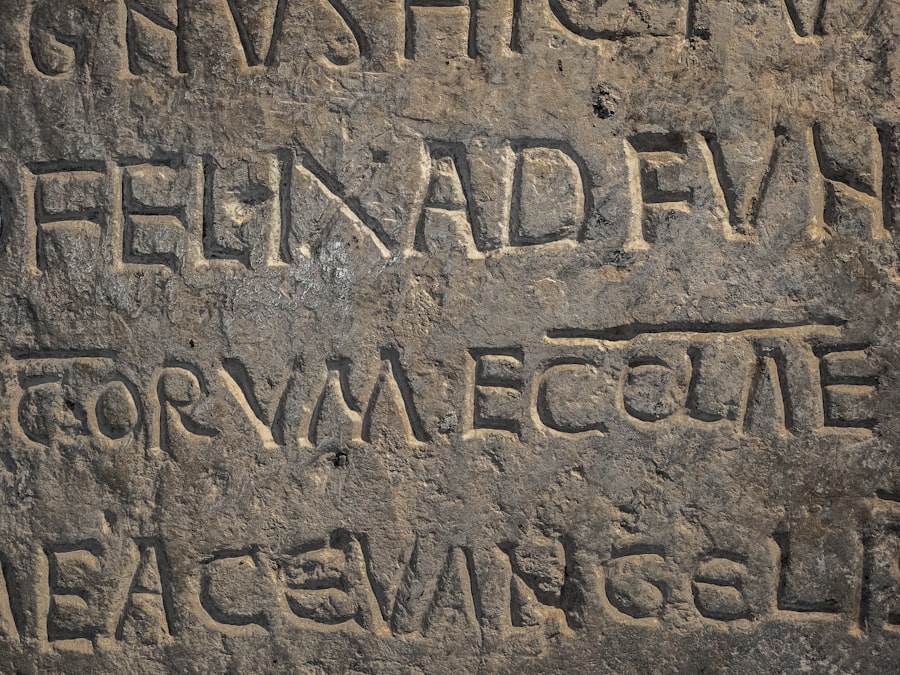
The technological advancements of ancient civilizations often surpass contemporary assumptions about their capabilities. For instance, the intricate water management systems developed by the Indus Valley Civilization demonstrate a sophisticated understanding of hydraulics and urban planning. Archaeological evidence reveals an extensive network of drainage systems and reservoirs that facilitated agriculture and sanitation.
This level of engineering suggests that these societies possessed advanced knowledge that allowed them to thrive in challenging environments. Moreover, the use of advanced materials in ancient construction further highlights their technological prowess. The Romans, for example, perfected concrete, enabling them to build enduring structures such as aqueducts and amphitheaters.
Their mastery of this material not only revolutionized architecture but also laid the groundwork for future engineering practices. By examining these technological achievements, it becomes evident that ancient civilizations were not merely primitive societies but rather innovative cultures that contributed significantly to human progress.
Unraveling the Construction of Megalithic Structures
Megalithic structures, such as Stonehenge and Göbekli Tepe, continue to baffle researchers with their monumental scale and intricate designs. The construction techniques employed in these sites raise questions about the organization and labor force required for such ambitious projects. How did ancient peoples transport massive stones over great distances?
What tools did they possess to shape and position these megaliths? These questions highlight the ingenuity and resourcefulness of early societies. Recent studies suggest that communal effort played a crucial role in the construction of these structures.
Evidence indicates that large groups worked together, pooling resources and labor to achieve common goals. This collaborative spirit not only facilitated the construction process but also fostered social cohesion within communities. As researchers continue to investigate these megalithic sites, they uncover not only architectural marvels but also insights into the social dynamics that shaped ancient civilizations.
Decoding the Purpose of Enigmatic Artifacts
| Artifact | Location | Age | Description | Common Explanation | Remaining Mysteries |
|---|---|---|---|---|---|
| Antikythera Mechanism | Greece | Circa 100 BC | Ancient analog computer used to predict astronomical positions and eclipses. | Advanced Greek engineering and knowledge of astronomy. | Exact manufacturing techniques and full range of functions. |
| Puma Punku | Bolivia | Circa 500-600 AD | Stone complex with precisely cut and fitted blocks. | Skilled ancient stonemasonry and use of simple tools. | How such precision was achieved without modern tools. |
| Baghdad Battery | Iraq | Circa 250 BC – 250 AD | Clay jar with copper cylinder and iron rod, possibly an ancient galvanic cell. | Used for electroplating or medicinal purposes. | Whether it was actually used as a battery or had another function. |
| Roman Concrete | Roman Empire | Circa 200 BC – 400 AD | Durable concrete that has lasted millennia, especially underwater structures. | Use of volcanic ash and pozzolanic materials. | Exact recipe and curing process for longevity. |
| Saqqara Bird | Egypt | Circa 200 BC | Wooden bird model resembling a glider or aircraft. | Possibly a toy or symbolic artifact. | Whether it was a model for flight or purely decorative. |
The purpose behind many ancient artifacts remains elusive, prompting scholars to engage in extensive analysis and interpretation. For instance, the function of certain ceremonial objects found in burial sites often sparks debate among archaeologists. Were they intended for use in rituals, or did they serve as status symbols?
The ambiguity surrounding these artifacts invites diverse interpretations, reflecting the complexity of ancient belief systems. Additionally, artifacts such as the Antikythera mechanism—a sophisticated ancient Greek analog computer—challenge conventional notions of technological development. Initially thought to be a simple device, further examination revealed its intricate gears and astronomical functions.
By decoding the purposes behind enigmatic artifacts, scholars gain deeper insights into the cultural and intellectual achievements of ancient civilizations.
Techniques and Tools of Ancient Artisans

The craftsmanship displayed in ancient artifacts speaks volumes about the skills possessed by artisans of the time. Techniques such as lost-wax casting in metalworking allowed for intricate designs that showcased both artistry and technical proficiency. This method enabled artisans to create detailed sculptures and jewelry that have withstood the test of time.
The ability to manipulate materials with such precision reflects a deep understanding of both aesthetics and functionality. Moreover, tools used by ancient artisans reveal much about their daily lives and work processes. From simple hand tools to more complex devices like lathes and drills, these implements illustrate a progression in craftsmanship over time.
The study of these tools not only sheds light on manufacturing techniques but also highlights the cultural significance attributed to craftsmanship in various societies. As researchers explore these aspects, they uncover a rich tapestry of human creativity that transcends time.
The Role of Mathematics and Engineering in Ancient Artifacts
Mathematics and engineering played pivotal roles in the creation of ancient artifacts, often serving as foundational principles guiding their design and construction. The precise measurements observed in structures like the Parthenon indicate a sophisticated understanding of geometry and proportion. Ancient architects employed mathematical principles to achieve aesthetic harmony while ensuring structural integrity—a feat that continues to inspire modern architects.
Furthermore, engineering principles were integral to various aspects of daily life in ancient civilizations. The construction of aqueducts, roads, and bridges required meticulous planning and execution based on mathematical calculations. These infrastructures not only facilitated trade and communication but also demonstrated an advanced grasp of engineering concepts that would influence future generations.
By examining the interplay between mathematics and engineering in ancient artifacts, scholars gain insight into the intellectual achievements that shaped human history.
Uncovering the Secrets of Ancient Metalworking
Ancient metalworking techniques reveal a wealth of knowledge regarding material properties and crafting methods. The transition from bronze to iron marked a significant technological advancement that transformed societies across the globe. This shift not only improved tool-making capabilities but also influenced warfare and agriculture, leading to profound societal changes.
The study of metal artifacts provides insights into trade networks as well. The presence of metals from distant regions suggests extensive trade routes that connected disparate cultures. Artisans often incorporated foreign techniques into their work, resulting in unique hybrid styles that reflect cultural exchange.
By uncovering these secrets, researchers illuminate the interconnectedness of ancient civilizations and their shared technological advancements.
The Intricate Designs of Ancient Jewelry and Sculptures
Jewelry and sculptures from antiquity showcase remarkable artistry and craftsmanship that continue to captivate modern audiences. The intricate designs found in pieces from various cultures reflect not only aesthetic sensibilities but also cultural values and beliefs. For instance, Egyptian jewelry often featured symbols associated with protection and divinity, indicating its significance beyond mere adornment.
Sculptures from ancient Greece exemplify a mastery of form and proportion that has influenced artistic traditions for centuries. The attention to detail in depicting human anatomy reveals a deep understanding of both artistic technique and human emotion. These works serve as windows into the cultural priorities and philosophical inquiries of their time, offering rich narratives that resonate through history.
The Significance of Ancient Textiles and Pottery
Textiles and pottery represent essential aspects of daily life in ancient civilizations, providing insights into social practices, trade networks, and technological advancements. The production techniques employed in weaving textiles reveal much about cultural identity and economic organization within societies. Patterns and motifs often carried symbolic meanings, reflecting beliefs or social status.
Similarly, pottery serves as a canvas for artistic expression while also fulfilling practical needs. The styles and forms of pottery can indicate trade relationships between cultures or shifts in societal norms over time. By studying these artifacts, researchers can trace cultural exchanges and transformations that shaped human history across different regions.
Reimagining the Achievements of Ancient Civilizations
The exploration of ancient artifacts invites a reimagining of human achievements throughout history. As scholars continue to unravel mysteries surrounding these objects, they challenge preconceived notions about technological capabilities and cultural sophistication in antiquity. Each artifact serves as a testament to human creativity, resilience, and ingenuity—qualities that transcend time.
In recognizing the complexities inherent in ancient civilizations, modern society can draw inspiration from their achievements while fostering a deeper appreciation for cultural heritage. By celebrating the contributions of our ancestors through their artifacts, humanity can cultivate a greater understanding of its shared history—a history rich with innovation, artistry, and profound connections across time and space.
For those intrigued by the mysteries of ancient artifacts, a fascinating read can be found in the article on the com/sample-page/’>impossible ancient artifacts explained.
This piece delves into the enigmatic objects that challenge our understanding of history and archaeology, offering insights into their origins and the theories surrounding them. Whether you’re a history buff or simply curious about the past, this article provides a compelling exploration of artifacts that seem to defy explanation.
WATCH THIS! The Impossible Technology They Erased From History
FAQs
What are impossible ancient artifacts?
Impossible ancient artifacts are objects found in archaeological contexts that appear to defy the technological capabilities or knowledge of the civilizations that produced them. These artifacts often spark debate because they seem to exhibit advanced engineering, materials, or craftsmanship that should not have been possible at the time.
Can impossible ancient artifacts be explained by modern science?
Yes, many so-called impossible ancient artifacts can be explained through modern scientific analysis, including advances in archaeology, materials science, and historical research. Often, what seems impossible is a result of incomplete knowledge about ancient technologies or misinterpretation of the artifact’s purpose.
Are impossible ancient artifacts evidence of ancient advanced civilizations or extraterrestrial contact?
There is no credible scientific evidence supporting the idea that impossible ancient artifacts are proof of extraterrestrial contact or lost advanced civilizations. Most experts agree that these artifacts can be understood within the context of known ancient cultures and technologies.
What are some examples of impossible ancient artifacts?
Examples often cited include the Antikythera mechanism (an ancient Greek analog computer), the Baghdad Battery (a possible ancient galvanic cell), and the Piri Reis map (a detailed early world map). Each of these has been studied extensively and explanations grounded in historical and scientific research have been proposed.
How do archaeologists verify the authenticity of ancient artifacts?
Archaeologists use a combination of methods including carbon dating, material analysis, contextual excavation, and comparison with other known artifacts to verify authenticity. Peer-reviewed research and reproducibility of findings also play key roles in confirming an artifact’s origin and age.
Why do impossible ancient artifacts attract so much public interest?
These artifacts capture the imagination because they challenge our understanding of history and human capability. They often feature in popular media and conspiracy theories, which can amplify interest and speculation beyond the scientific consensus.
Where can I learn more about impossible ancient artifacts?
Reliable information can be found in academic journals, books by reputable archaeologists and historians, and educational websites affiliated with museums and universities. It is important to consult sources that rely on evidence-based research rather than speculation.