As you delve into the annals of history, you will find that ancient engineering marvels continue to captivate the imagination of scholars and enthusiasts alike. These structures and artifacts not only showcase the ingenuity of our ancestors but also pose intriguing questions about their construction methods, purposes, and the technologies they employed. From the monumental pyramids of Egypt to the enigmatic Nazca Lines in Peru, each mystery invites you to explore the depths of human creativity and resourcefulness.
The stories behind these ancient wonders are not merely tales of stone and mortar; they are reflections of the societies that built them, their beliefs, and their aspirations. In this exploration, you will uncover the remarkable achievements of ancient civilizations, each with its unique challenges and solutions. The engineering feats of the past have left an indelible mark on our world, influencing modern architecture, technology, and even our understanding of physics.
As you journey through these ancient mysteries, you will not only gain insight into how these structures were built but also appreciate the cultural significance they held for the people who created them. The legacy of ancient engineering is a testament to human innovation, and it continues to inspire generations to push the boundaries of what is possible.
Key Takeaways
- Ancient engineering marvels like the Pyramids, Stonehenge, and the Colosseum showcase advanced construction techniques still studied today.
- The precision of Inca stone walls and the transport of Easter Island’s Moai highlight sophisticated ancient craftsmanship and logistics.
- The Antikythera Mechanism reveals that ancient Greeks developed complex technology akin to early computers.
- The purpose of enigmatic sites like the Nazca Lines and the Hanging Gardens of Babylon remains partly speculative, blending fact with legend.
- Ancient aqueducts demonstrate early innovations in water management that influenced modern engineering systems.
The Great Pyramids of Giza: How Were They Built?
When you think of ancient engineering, the Great Pyramids of Giza undoubtedly come to mind. These colossal structures, built over 4,500 years ago, stand as a testament to the architectural prowess of the ancient Egyptians. The question that often arises is: how were they constructed with such precision and scale?
As you explore these theories, you will find that each offers a glimpse into the ingenuity required to transport and position millions of limestone blocks. One prevailing theory suggests that a straight or circular ramp was used to haul the massive stones into place.
This method would have required an immense workforce and careful planning to ensure that each block was placed accurately. However, some researchers argue that a more complex system involving a series of ramps might have been employed, allowing workers to move stones more efficiently as they ascended. Regardless of the method used, what remains clear is that the construction of the pyramids required not only advanced engineering skills but also a well-organized labor force and a deep understanding of mathematics and astronomy.
Stonehenge: Deciphering its Purpose and Construction

As you stand before Stonehenge, you cannot help but feel a sense of wonder at this prehistoric monument. The massive stones arranged in a circular formation have puzzled historians and archaeologists for centuries. What was its purpose? How did ancient people transport these enormous stones from distant quarries?
You may find yourself drawn into the debate surrounding its significance, as each theory offers a unique perspective on the beliefs and practices of Neolithic society. The construction of Stonehenge is equally fascinating. It is believed that the stones were transported using a combination of sledges and waterways, with teams of workers pulling them across land and floating them along rivers. The sheer scale of this endeavor speaks volumes about the organization and cooperation required among early communities. As you ponder these ancient methods, you will appreciate not only the physical labor involved but also the cultural importance placed on such monumental constructions. Stonehenge stands as a symbol of human achievement, reflecting both the capabilities and aspirations of those who built it.
The Inca’s Stone Walls: Understanding their Precision
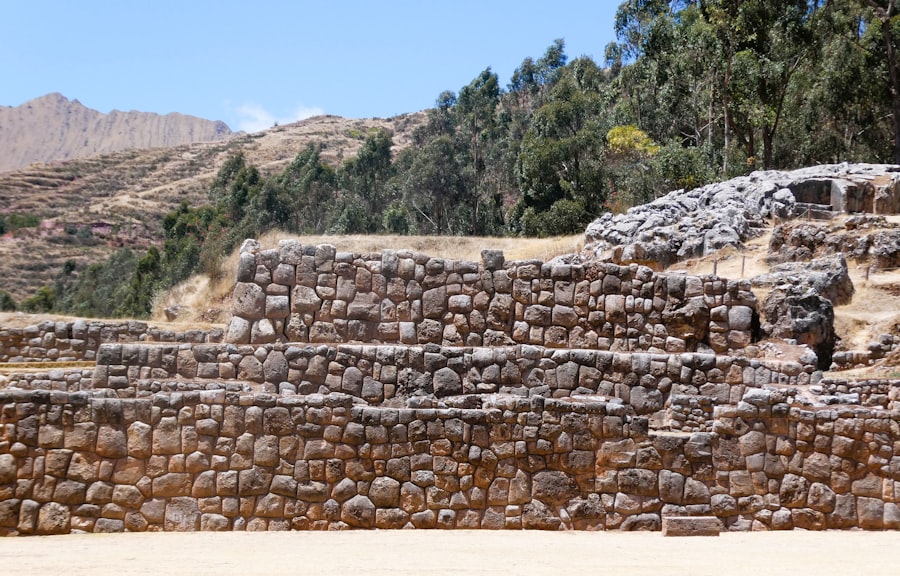
When you explore the ruins of Inca civilization, particularly in places like Machu Picchu or Cusco, you are struck by the remarkable precision with which their stone walls were constructed. The Incas mastered a technique known as ashlar masonry, where stones are cut to fit together without the use of mortar. As you examine these walls, you may wonder how they achieved such tight joints that have withstood centuries of earthquakes and weathering.
The answer lies in their advanced understanding of geology and craftsmanship. The Incas utilized local stone types that were not only abundant but also well-suited for their construction needs. They employed tools made from harder materials to shape each stone meticulously, ensuring that they fit together seamlessly.
This attention to detail not only enhanced the structural integrity of their buildings but also reflected their cultural values—an emphasis on harmony with nature and community collaboration. As you contemplate these stone walls, you will gain insight into how Inca engineering was not merely about functionality; it was also an expression of their identity and connection to the land.
The Hanging Gardens of Babylon: Fact or Fiction?
| Mystery | Ancient Structure | Engineering Technique | Explanation | Key Metric |
|---|---|---|---|---|
| Precision Stone Cutting | Great Pyramid of Giza | Limestone and granite block shaping with copper tools and abrasive sand | Use of copper chisels combined with sand as an abrasive allowed precise shaping of massive stones. | Blocks weighing up to 80 tons cut with millimeter accuracy |
| Water Management | Roman Aqueducts | Gravity-fed water channels with precise gradient control | Engineers maintained a steady gradient of about 1:4800 to ensure continuous water flow over long distances. | Gradient approx. 0.02% over 50+ km |
| Concrete Durability | Roman Pantheon | Use of volcanic ash (pozzolana) in concrete mix | Incorporation of volcanic ash created a chemical reaction that strengthened concrete and resisted cracking. | Concrete dome diameter: 43.3 meters, intact for 1900+ years |
| Stone Transportation | Moai Statues, Easter Island | Use of wooden sledges and ropes, possibly “walking” method | Recent studies suggest statues were moved upright by rocking them side to side using ropes. | Statues weighing up to 82 tons moved over 10 km |
| Underground Tunnels | Derinkuyu Underground City, Turkey | Ventilation shafts and multi-level excavation | Complex ventilation system allowed air circulation in a city extending 60 meters underground. | Capacity for 20,000 people, 18 levels deep |
The Hanging Gardens of Babylon are often regarded as one of the Seven Wonders of the Ancient World, yet their existence has been shrouded in mystery and debate. As you investigate this legendary garden, you may find yourself questioning whether it was a real place or merely a figment of imagination. Descriptions from ancient texts suggest a breathtaking series of tiered gardens filled with lush vegetation, but no definitive archaeological evidence has been found to confirm its existence in Babylon.
Some scholars propose that if the gardens did exist, they may have been located in Nineveh rather than Babylon itself. This theory suggests that they were an impressive feat of engineering involving an intricate irrigation system to transport water from the Euphrates River to sustain the plants. As you ponder this possibility, you will appreciate how such a garden would have represented not only an engineering marvel but also a symbol of wealth and power in an ancient civilization.
Whether fact or fiction, the story of the Hanging Gardens continues to inspire curiosity about human creativity and ambition.
The Moai of Easter Island: Unraveling the Mystery of their Transport
The Moai statues on Easter Island are iconic representations of Polynesian culture, yet their construction and transportation remain enigmatic challenges for researchers. As you gaze upon these towering figures, each weighing several tons, you may wonder how they were moved from quarries to their ceremonial sites across the island. Various theories have emerged over time, suggesting methods ranging from rolling them on logs to using a sophisticated system of ropes and manpower.
Recent studies indicate that the Moai may have been “walked” upright using a coordinated effort by teams of workers who rocked them back and forth while pulling them forward. This method would have required immense teamwork and skill, showcasing the ingenuity of the Rapa Nui people. As you consider this possibility, you will gain insight into how cultural significance drove such monumental efforts in transportation and construction.
The Moai stand as enduring symbols not only of artistic expression but also of human determination in overcoming logistical challenges.
The Antikythera Mechanism: Examining Ancient Greek Technology
The Antikythera Mechanism is often hailed as one of the earliest known analog computers, revealing astonishing insights into ancient Greek technology. Discovered in a shipwreck off the coast of Antikythera in 1901, this intricate device consists of a complex system of gears designed to predict astronomical positions and eclipses for calendrical and astrological purposes. As you explore its mechanisms, you will be amazed at how advanced this technology was for its time.
The craftsmanship involved in creating such a device speaks volumes about the scientific knowledge possessed by ancient Greeks. You may find yourself contemplating how this mechanism reflects their understanding of celestial movements and their desire to connect human life with cosmic events. The Antikythera Mechanism serves as a reminder that ancient civilizations were not merely primitive societies; they were capable of remarkable innovation that laid the groundwork for future advancements in science and technology.
The Nazca Lines: Interpreting their Purpose and Creation
As you gaze upon aerial photographs of the Nazca Lines in Peru, you cannot help but be struck by their sheer scale and complexity. These enormous geoglyphs etched into the desert floor depict various animals and shapes, some stretching over hundreds of meters in length. The question that arises is: what purpose did these lines serve?
Some theories suggest they were created for astronomical purposes or as part of religious rituals aimed at appeasing deities. The creation process itself is equally fascinating. Researchers believe that the Nazca people used simple tools to remove the top layer of reddish-brown iron oxide pebbles to reveal lighter soil beneath.
This method allowed them to create intricate designs visible from above without needing advanced technology or aerial views at the time. As you ponder these lines’ significance, you will appreciate how they reflect not only artistic expression but also a deep connection between culture and landscape—an enduring legacy that continues to intrigue modern observers.
The Colosseum: Exploring its Innovative Design and Engineering
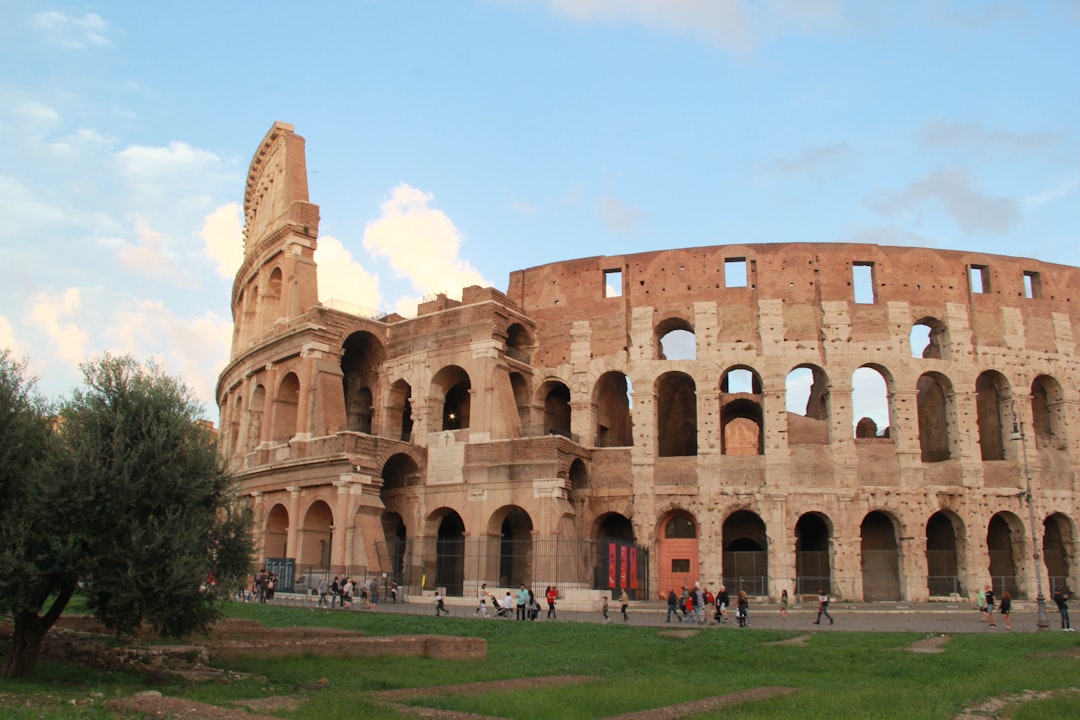
The Colosseum in Rome stands as an enduring symbol of ancient engineering prowess and architectural innovation. As you walk through its grand arches and corridors, you can almost hear echoes of gladiatorial battles that once captivated audiences in this magnificent amphitheater. Constructed between 70-80 AD, it showcased advanced techniques such as concrete construction and complex vaulting systems that allowed for its massive scale.
One remarkable aspect of the Colosseum’s design is its ability to accommodate up to 80,000 spectators while providing excellent sightlines from every seat. You may marvel at how this structure incorporated features like retractable awnings for shade and intricate systems for managing crowds efficiently. The Colosseum not only served as entertainment but also reflected Roman society’s values—power, spectacle, and engineering excellence—making it an enduring testament to human creativity.
The Ancient Aqueducts: Uncovering their Ingenious Water Management Systems
As you explore ancient civilizations, one cannot overlook the remarkable aqueducts that supplied water to cities across vast distances. These engineering marvels exemplify ingenuity in water management systems that were crucial for sustaining urban life in arid regions. The Romans are particularly renowned for their aqueducts, which utilized gravity to transport water from distant sources into cities through a network of channels and bridges.
You may find yourself fascinated by how these structures were designed with precision to maintain a gentle slope over long distances while navigating challenging terrains such as valleys or hillsides. The use of arches not only provided structural support but also allowed for efficient water flow without compromising aesthetics. As you contemplate these aqueducts’ significance, you’ll appreciate how they transformed urban living by ensuring access to clean water—a fundamental necessity that continues to shape modern infrastructure today.
The Legacy of Ancient Engineering and its Influence on Modern Technology
As your journey through ancient engineering mysteries comes to an end, it becomes evident that these remarkable achievements have left an indelible mark on our world today. From monumental structures like the Great Pyramids and Colosseum to intricate devices like the Antikythera Mechanism, each example reflects not only technical prowess but also cultural values that resonate through time. You may find yourself inspired by how these ancient innovations laid foundations for modern technology—shaping architecture, engineering practices, and even scientific inquiry.
The legacy of ancient engineering serves as a reminder that human creativity knows no bounds; it transcends time and continues to influence contemporary society in profound ways. As you reflect on these mysteries, consider how they challenge us to think critically about our own innovations while honoring those who came before us—pioneers whose visions transformed landscapes and shaped civilizations across millennia. In celebrating their achievements, we acknowledge our shared heritage as creators striving toward progress while remaining connected to our past.
One fascinating aspect of ancient engineering is how civilizations managed to construct monumental structures with limited technology. For a deeper dive into this topic, you can explore the article on the mysteries of ancient engineering explained in detail at Real Lore and Order. This resource provides insights into the techniques and innovations that allowed ancient builders to create enduring marvels that continue to intrigue us today.
WATCH THIS! 🔍 Archaeologists REFUSE to Explain This Ancient Machine
FAQs
What are some examples of ancient engineering marvels?
Ancient engineering marvels include the Great Pyramids of Egypt, the Roman aqueducts, the Parthenon in Greece, the Great Wall of China, and the Machu Picchu in Peru. These structures showcase advanced knowledge of materials, construction techniques, and architectural design.
How did ancient engineers build the pyramids without modern technology?
Ancient engineers used a combination of skilled labor, simple machines like ramps and levers, and precise planning. They employed large workforces to quarry, transport, and assemble massive stone blocks, using tools made from copper and stone, along with innovative methods to ensure alignment and stability.
What materials were commonly used in ancient engineering?
Common materials included stone (limestone, granite, sandstone), wood, mud bricks, and metals such as copper and bronze. The choice of materials depended on local availability and the intended purpose of the structure.
How did ancient civilizations manage to transport heavy building materials?
They used sledges, rollers, boats, and manpower. For example, the Egyptians transported large stones along the Nile River on barges, while the Romans used carts and animals to move materials over land.
What role did mathematics and astronomy play in ancient engineering?
Mathematics and astronomy were crucial for precise measurements, alignments, and structural calculations. Many ancient structures are aligned with celestial bodies, indicating knowledge of astronomy, while geometry helped in designing stable and aesthetically pleasing buildings.
Are there still mysteries about ancient engineering techniques?
Yes, while much has been understood, some techniques, such as the exact methods used to move and place massive stones or the full extent of ancient knowledge in materials science, remain partially speculative and are subjects of ongoing research.
How have modern engineers learned from ancient engineering?
Modern engineers study ancient structures to understand durable construction methods, sustainable design, and innovative problem-solving techniques. Many ancient principles, such as load distribution and material efficiency, continue to influence contemporary engineering.