
As we delve into the intriguing world of the Mandela Effect, we find ourselves confronted with a phenomenon that has captivated the minds of many. The term “Mandela Effect” was coined by Fiona Broome in 2009, after she discovered that she, along with a significant number of others, falsely remembered Nelson Mandela dying in prison during the 1980s. This collective misremembering sparked a wave of curiosity and speculation, leading us to explore the nature of memory, reality, and the potential existence of alternate timelines or universes.
The Mandela Effect has since become a focal point for various conspiracy theories, as individuals seek to explain these shared discrepancies in memory. In our exploration of Mandela Effect conspiracies, we must consider the implications of collective memory and how it shapes our understanding of reality. The phenomenon raises questions about the reliability of our memories and the ways in which they can be influenced by external factors.
As we navigate through this complex landscape, we will uncover the psychological underpinnings of the Mandela Effect, examine common examples that have emerged, and analyze the role of social media in perpetuating these conspiracies. Ultimately, we aim to understand how these collective misrememberings reflect broader cultural and historical narratives.
Key Takeaways
- Mandela Effect conspiracies refer to the phenomenon where a large group of people remember an event or detail differently from how it actually occurred, leading to theories of alternate realities or manipulation.
- The Mandela Effect phenomenon is characterized by collective false memories shared by a large number of people, often attributed to changes in the fabric of reality or manipulation by powerful entities.
- Common examples of Mandela Effect conspiracies include the misremembering of famous movie quotes, logos, and historical events, leading to widespread belief in alternate realities or tampering with the timeline.
- Psychological explanations for the Mandela Effect point to memory fallibility, cognitive biases, and social influence as factors contributing to the formation and spread of false collective memories.
- Collective memory plays a significant role in Mandela Effect conspiracies, as shared experiences and cultural influences contribute to the formation and reinforcement of false memories.
Understanding the Mandela Effect Phenomenon
To fully grasp the essence of the Mandela Effect, we must first understand how memory functions. Memory is not a perfect recording of events; rather, it is a reconstructive process influenced by various factors such as emotions, context, and social interactions. When we recall an event or piece of information, our brains piece together fragments of memories, which can lead to inaccuracies.
The Mandela Effect exemplifies this phenomenon on a grand scale, as large groups of people share similar false memories. As we reflect on our own experiences with memory, we may recognize instances where we have confidently recalled details that later turned out to be incorrect. This shared experience can create a sense of camaraderie among those who remember things differently than they actually occurred.
The Mandela Effect serves as a reminder that our perceptions of reality are often shaped by collective beliefs and societal influences. By examining this phenomenon, we can gain insight into the complexities of human cognition and the ways in which our memories can be both powerful and fallible.
Common Examples of Mandela Effect Conspiracies
Throughout our exploration of the Mandela Effect, we encounter numerous examples that have sparked widespread intrigue and debate. One of the most famous instances involves the children’s book series “The Berenstain Bears,” which many remember as “The Berenstein Bears.” This seemingly minor alteration in spelling has led to heated discussions about alternate realities and timelines. For those who grew up reading these beloved stories, the realization that their memories do not align with reality can be disconcerting.
Another notable example is the line from the movie “Star Wars: Episode V – The Empire Strikes Back,” where many fans recall Darth Vader saying, “Luke, I am your father.” In reality, the line is actually “No, I am your father.” This misquote has permeated popular culture to such an extent that it has become ingrained in our collective consciousness. As we share these examples with others, we often find that many people have similar recollections, further fueling the belief in a shared alternate reality.
Psychological Explanations for the Mandela Effect
| Psychological Explanations for the Mandela Effect |
|---|
| False Memory |
| Confabulation |
| Memory Distortion |
| Source Monitoring Error |
As we delve deeper into the psychological aspects of the Mandela Effect, we encounter several theories that seek to explain why so many individuals experience these collective misrememberings. One prominent explanation is the concept of confabulation, which occurs when our brains fill in gaps in memory with fabricated details.
When large groups of people confabulate similar details, it creates a sense of shared reality that can be difficult to challenge. Additionally, cognitive biases play a significant role in shaping our memories. The misinformation effect, for instance, suggests that exposure to misleading information after an event can alter our recollections.
When we discuss our memories with others or consume media that presents alternative narratives, we may unknowingly incorporate these inaccuracies into our own understanding. This interplay between memory and external influences highlights the fragility of our recollections and underscores the importance of critical thinking when evaluating our experiences.
The Role of Collective Memory in Mandela Effect Conspiracies
Collective memory is a powerful force that shapes our understanding of history and culture. It refers to the shared pool of knowledge and recollections held by a group of people. In the context of the Mandela Effect, collective memory can lead to widespread misremembering as individuals draw upon their shared experiences to construct a narrative that may not align with reality.
As we engage with others about our memories, we often find ourselves reinforcing collective beliefs through conversation and social interaction. This reinforcement can create a feedback loop where false memories gain traction and become accepted as truth within a community.
The Mandela Effect serves as a fascinating case study in how collective memory can shape our understanding of reality and highlight the importance of questioning our assumptions.
Debunking Mandela Effect Conspiracies
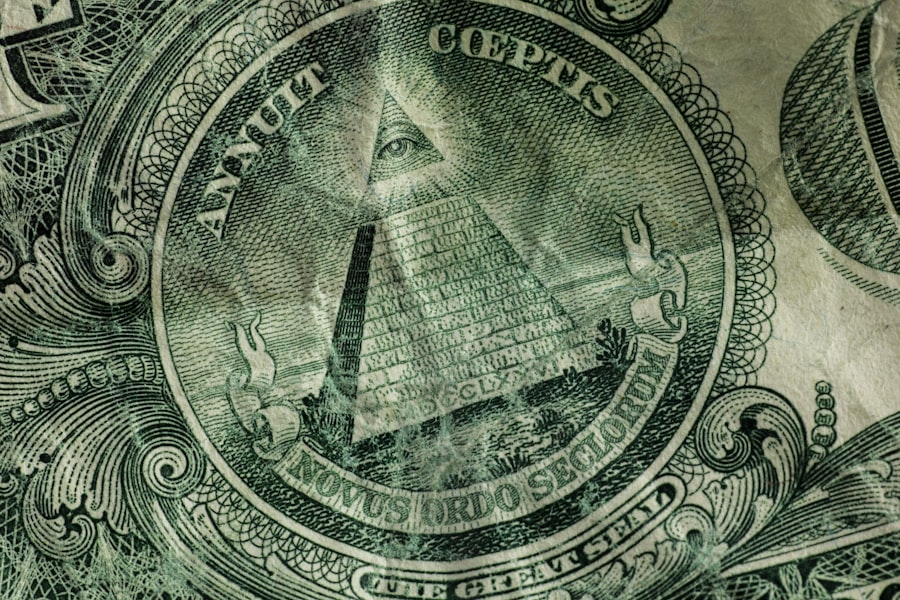
While the allure of Mandela Effect conspiracies can be captivating, it is essential for us to approach these claims with skepticism and critical thinking. Many instances attributed to the Mandela Effect can be explained through simple misunderstandings or miscommunications rather than evidence of alternate realities or timelines. By examining these claims closely, we can often identify logical explanations for why so many people share similar false memories.
For example, when discussing “The Berenstain Bears,” it becomes clear that many individuals may have encountered the name in print but mispronounced it or misremembered its spelling over time. Similarly, misquotes from popular films often arise from cultural references or parodies that distort the original lines. By debunking these conspiracies through careful analysis and research, we can foster a more accurate understanding of memory and its limitations.
The Influence of Social Media on Mandela Effect Conspiracies
In today’s digital age, social media plays a significant role in shaping public discourse and disseminating information. As we navigate platforms like Facebook, Twitter, and Reddit, we are exposed to a constant stream of ideas and opinions that can influence our perceptions of reality. The rapid spread of information on social media has contributed to the proliferation of Mandela Effect conspiracies, as individuals share their experiences and interpretations with others.
The viral nature of social media allows for collective misrememberings to gain momentum quickly. When someone shares their belief in an alternate reality or timeline, it can resonate with others who have had similar experiences, creating a sense of validation for their memories. This phenomenon highlights the importance of critical engagement with information online and encourages us to question the sources and motivations behind what we encounter.
Historical and Cultural Implications of Mandela Effect Conspiracies
The Mandela Effect extends beyond individual memories; it also reflects broader historical and cultural narratives that shape our understanding of events and figures. As we examine instances where collective misremembering occurs, we may uncover underlying societal anxieties or desires for alternative interpretations of history. For example, the belief that Nelson Mandela died in prison may stem from a desire to challenge dominant narratives surrounding race relations and social justice.
Moreover, the Mandela Effect invites us to consider how cultural artifacts—such as films, books, and music—are remembered and reinterpreted over time. As societal values shift and evolve, so too do our perceptions of past events and figures. By engaging with these conspiracies critically, we can gain insight into how collective memory functions as a reflection of cultural identity and historical context.
The Connection Between Mandela Effect and Conspiracy Theories
The allure of conspiracy theories often lies in their ability to provide alternative explanations for complex phenomena. The Mandela Effect fits neatly into this framework, as it offers an enticing narrative about alternate realities or timelines that challenge our understanding of existence. As we explore this connection further, we recognize that both phenomena stem from a desire to make sense of uncertainty and ambiguity in our lives.
When faced with discrepancies between memory and reality, some individuals may gravitate toward conspiracy theories as a means of reconciling these differences. The belief in alternate realities can provide comfort in an increasingly complex world where traditional explanations may feel inadequate. By examining this connection between the Mandela Effect and conspiracy theories, we can better understand why these narratives resonate with so many people.
How to Recognize and Address Mandela Effect Misinformation
As we navigate through the complexities of Mandela Effect conspiracies, it becomes crucial for us to develop skills for recognizing misinformation. One effective approach is to cultivate critical thinking skills that allow us to evaluate claims based on evidence rather than anecdotal experiences alone. By seeking out reliable sources and engaging in thoughtful discussions with others, we can foster a more nuanced understanding of memory and its limitations.
Additionally, promoting media literacy is essential in combating misinformation related to the Mandela Effect. By encouraging ourselves and others to question sources and verify information before accepting it as truth, we can create an environment where critical engagement thrives. This proactive approach empowers us to challenge misconceptions while fostering open dialogue about memory and its complexities.
Navigating the Complexities of Mandela Effect Conspiracies
In conclusion, our exploration of Mandela Effect conspiracies reveals a rich tapestry woven from threads of memory, psychology, culture, and technology. As we navigate this intricate landscape, we are reminded of the fragility of human recollection and the power of collective belief in shaping our understanding of reality. By engaging critically with these conspiracies and fostering open dialogue about memory’s complexities, we can cultivate a deeper appreciation for the nuances inherent in our shared experiences.
Ultimately, while the allure of alternate realities may captivate our imaginations, it is essential for us to ground ourselves in evidence-based reasoning and critical thinking. By doing so, we not only enhance our understanding of phenomena like the Mandela Effect but also empower ourselves to navigate an increasingly complex world filled with misinformation and uncertainty. Through this journey, we embrace both the wonder and limitations of human memory while fostering a more informed perspective on our shared realities.
The Mandela Effect is a fascinating phenomenon that has captured the imagination of many, leading to a plethora of conspiracy theories and discussions about the nature of reality and memory. One intriguing article that delves into this topic can be found on Real Lore and Order, where the author explores various instances of the Mandela Effect and examines the psychological and cultural factors that might contribute to these collective false memories. For a deeper understanding of how these theories have evolved and the impact they have on our perception of reality, you can read more about it here.
WATCH THIS! Your Childhood Memories Are Completely Wrong
FAQs
What is the Mandela Effect?
The Mandela Effect is a phenomenon where a large group of people remember something differently than how it actually occurred. This can include events, facts, and even cultural references.
What are Mandela Effect conspiracy theories?
Mandela Effect conspiracy theories are the belief that the discrepancies in people’s memories are the result of alternate realities, time travel, or manipulation by powerful entities.
Is there any scientific evidence for the Mandela Effect?
There is no scientific evidence to support the existence of alternate realities or time travel as explanations for the Mandela Effect. The discrepancies in memory are more likely attributed to cognitive biases and false memories.
What are some examples of the Mandela Effect?
Some popular examples of the Mandela Effect include the spelling of the Berenstain Bears, the existence of a Monopoly man with a monocle, and the line “Luke, I am your father” from Star Wars.
How do Mandela Effect conspiracy theories spread?
Mandela Effect conspiracy theories often spread through the internet and social media, where individuals share their memories and experiences, leading to the reinforcement of false beliefs.
What is the psychological explanation for the Mandela Effect?
Psychologists attribute the Mandela Effect to memory errors, confabulation, and social reinforcement of false memories. Our memories are not always accurate and can be influenced by external factors.