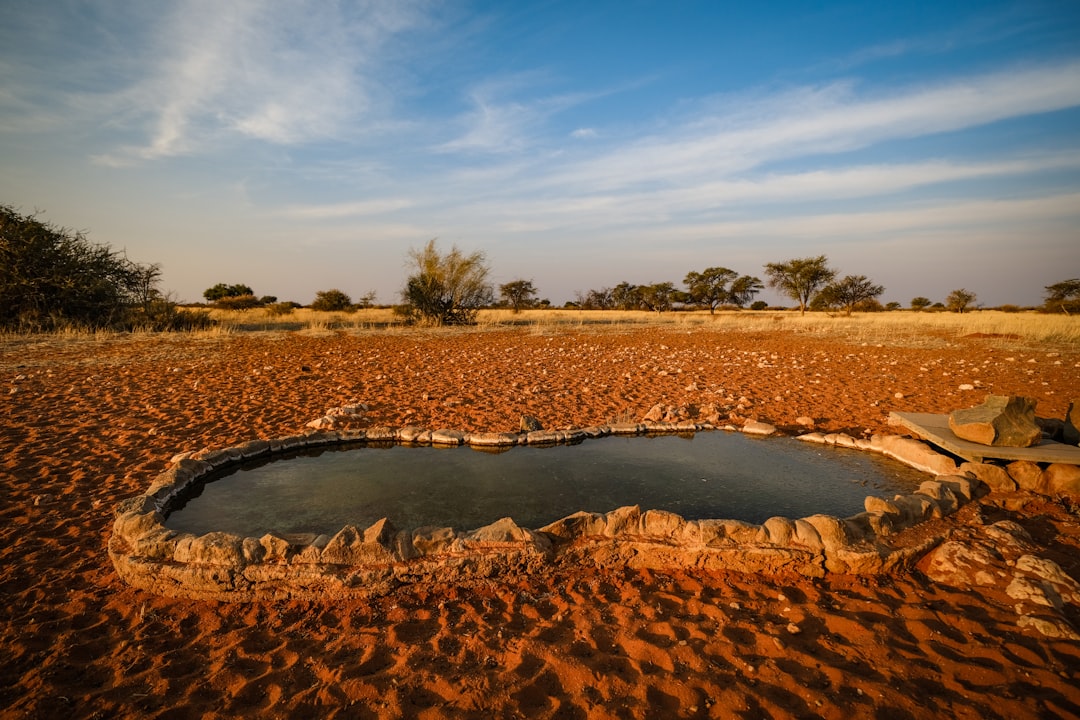
The Pyramid region exhibits distinctive geological formations and varied ecosystems that make it an important location for studying seasonal groundwater dynamics. Groundwater serves as a critical water source for natural ecosystems and human communities in this area. Seasonal variations in groundwater levels result from multiple factors, including rainfall distribution, evapotranspiration rates, and underlying geological properties.
Comprehensive understanding of these cycles is necessary for sustainable water resource planning, especially in areas experiencing increasing water stress. Climate change is altering groundwater recharge and discharge patterns, creating new challenges for ecosystem stability and agricultural operations. The Pyramid region provides a representative example for analyzing these regional and global trends in groundwater behavior.
Research into the geological structure, controlling factors, and management approaches for seasonal groundwater cycles in this region offers important data for ensuring long-term water resource sustainability.
Key Takeaways
- Seasonal groundwater cycles in the Pyramid region are influenced by unique geological and climatic factors.
- Monitoring and managing groundwater is crucial for sustaining local ecosystems and agriculture.
- Climate change poses significant challenges to the stability of seasonal groundwater patterns.
- Advanced tools and collaborative efforts enhance understanding and sustainable management of groundwater resources.
- Ongoing research and policy development are essential to address future groundwater challenges in the Pyramid region.
Understanding the Geology of the Pyramid Region
The geological framework of the Pyramid region is a critical component in understanding its groundwater dynamics. Composed of various rock types, including sedimentary, igneous, and metamorphic formations, the region’s geology dictates how water moves through the subsurface. The presence of aquifers—permeable rock layers that can store and transmit water—plays a significant role in determining groundwater availability.
In the Pyramid region, these aquifers are often interspersed with less permeable layers that can impede water flow, creating a complex system of groundwater reservoirs. Moreover, the topography of the Pyramid region further influences groundwater behavior. The elevation changes and slope gradients affect how water infiltrates the soil and recharges aquifers.
Areas with steep slopes may experience rapid runoff, while flatter regions allow for more prolonged infiltration. Understanding these geological characteristics is essential for predicting how seasonal changes in precipitation will impact groundwater levels and availability throughout the year. Discover the secrets behind the pyramid mystery ancient egypt in this fascinating video.
Factors Influencing Seasonal Groundwater Cycles
Several factors contribute to the seasonal fluctuations observed in groundwater levels within the Pyramid region. One of the most significant influences is precipitation. Seasonal rains can lead to increased recharge rates, replenishing aquifers and raising water tables.
Conversely, during dry seasons or drought periods, evaporation rates may exceed recharge rates, resulting in declining groundwater levels. This cyclical pattern underscores the importance of monitoring precipitation trends to anticipate changes in groundwater availability. In addition to precipitation, temperature plays a crucial role in shaping seasonal groundwater cycles.
Warmer temperatures can lead to increased evaporation from both soil and surface water bodies, reducing the amount of water available for recharge. Furthermore, temperature variations can affect plant transpiration rates, which in turn influence groundwater levels. Understanding these interconnected factors is vital for developing effective management strategies that account for both natural variability and anthropogenic influences on groundwater resources.
Importance of Groundwater Monitoring and Management
Effective groundwater monitoring is essential for sustainable management practices in the Pyramid region. Regular assessments of groundwater levels provide valuable data that can inform decision-making processes related to water use and conservation efforts. By establishing a comprehensive monitoring network, stakeholders can track changes in groundwater levels over time, identify trends, and respond proactively to potential issues such as over-extraction or contamination.
Moreover, sound management practices are crucial for ensuring the long-term viability of groundwater resources. This includes implementing policies that promote responsible water use, protecting recharge areas from development, and encouraging conservation efforts among local communities. By fostering a culture of stewardship around groundwater resources, stakeholders can work collaboratively to safeguard this vital resource for future generations.
Impacts of Climate Change on Pyramid Seasonal Groundwater Cycles
| Season | Groundwater Level Change (m) | Recharge Rate (mm/month) | Discharge Rate (mm/month) | Soil Moisture (%) | Evapotranspiration (mm/month) |
|---|---|---|---|---|---|
| Winter | +0.5 | 30 | 10 | 35 | 20 |
| Spring | +0.3 | 25 | 15 | 40 | 30 |
| Summer | -0.4 | 10 | 40 | 25 | 60 |
| Autumn | +0.1 | 20 | 20 | 30 | 25 |
Climate change poses significant challenges to the seasonal groundwater cycles in the Pyramid region. As global temperatures rise, alterations in precipitation patterns are becoming increasingly evident. Some areas may experience more intense rainfall events, leading to rapid runoff and reduced infiltration rates, while others may face prolonged dry spells that hinder groundwater recharge.
These shifts can disrupt the delicate balance between recharge and discharge, resulting in declining groundwater levels and increased vulnerability to drought. Additionally, climate change can exacerbate existing pressures on groundwater resources from human activities such as agriculture and urban development. As temperatures rise and water availability becomes more uncertain, competition for this finite resource may intensify.
Understanding these potential impacts is crucial for developing adaptive management strategies that can mitigate the effects of climate change on seasonal groundwater cycles.
Tools and Techniques for Studying Groundwater Cycles
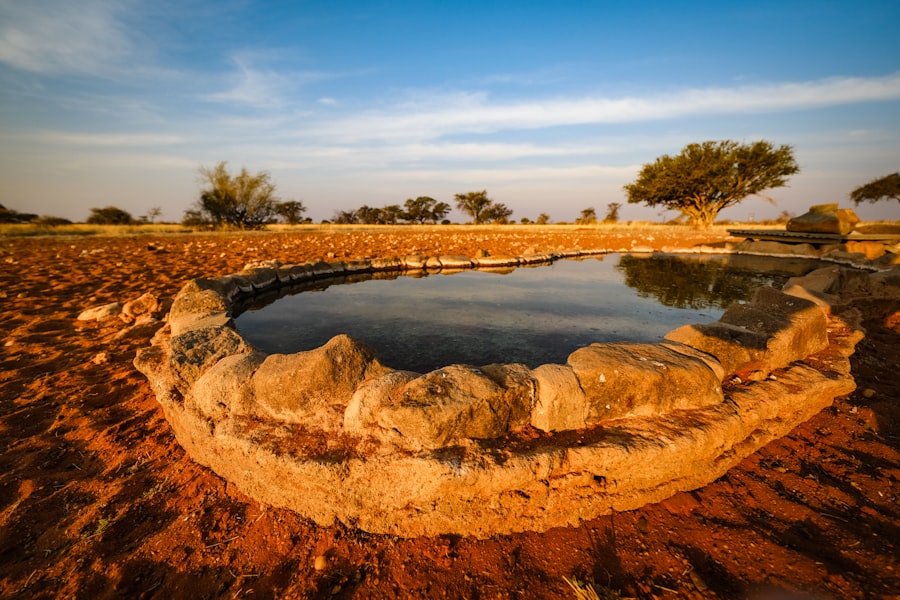
A variety of tools and techniques are employed to study groundwater cycles in the Pyramid region effectively. Hydrological modeling is one such method that allows researchers to simulate groundwater flow and assess how different factors influence water availability over time. By incorporating data on precipitation, temperature, land use, and geological characteristics into these models, scientists can gain insights into potential future scenarios under varying conditions.
In addition to modeling, remote sensing technologies have become increasingly valuable for monitoring groundwater resources. Satellite imagery can provide information on land surface changes, vegetation health, and even soil moisture levels. This data can be integrated with ground-based measurements to create a more comprehensive understanding of groundwater dynamics.
By leveraging these advanced tools and techniques, researchers can enhance their ability to study seasonal groundwater cycles and inform effective management practices.
Case Studies of Successful Groundwater Management in Pyramid Region
Examining case studies of successful groundwater management within the Pyramid region reveals valuable lessons for stakeholders seeking to enhance their practices. One notable example involves a collaborative effort between local farmers and government agencies to implement sustainable irrigation techniques that reduce water consumption while maintaining crop yields. By adopting practices such as drip irrigation and rainwater harvesting, these stakeholders have successfully minimized their reliance on groundwater resources during dry seasons.
Another case study highlights the importance of community engagement in groundwater management initiatives. In this instance, local residents participated in monitoring programs that tracked changes in groundwater levels and quality over time. By fostering a sense of ownership among community members, this approach not only improved data collection efforts but also encouraged responsible water use practices that benefited both people and ecosystems.
Challenges and Limitations in Unraveling Pyramid Seasonal Groundwater Cycles
Despite advancements in research and management practices, several challenges remain in unraveling the complexities of seasonal groundwater cycles in the Pyramid region. One significant limitation is the lack of comprehensive data on groundwater levels across different spatial scales. In many areas, monitoring networks may be sparse or non-existent, hindering efforts to understand regional trends and variability.
Additionally, the intricate interplay between natural processes and human activities complicates the assessment of groundwater dynamics. Factors such as land use changes, pollution sources, and competing water demands can obscure underlying patterns in seasonal fluctuations. Addressing these challenges requires a concerted effort from researchers, policymakers, and local communities to enhance data collection efforts and develop integrated management approaches that consider both environmental and socio-economic factors.
The Role of Groundwater in Sustaining Ecosystems and Agriculture
Groundwater serves as a lifeline for both ecosystems and agricultural practices within the Pyramid region. Many plant species rely on shallow aquifers for their survival during dry periods when surface water sources may be limited. Wetlands and riparian zones also depend on consistent groundwater levels to maintain their ecological integrity.
The health of these ecosystems is intrinsically linked to the availability of groundwater resources. In agriculture, groundwater plays a pivotal role in irrigation practices that support food production. Farmers often depend on this resource to sustain crops during dry spells or periods of low rainfall.
However, over-reliance on groundwater can lead to depletion issues if not managed sustainably. Striking a balance between agricultural needs and ecological health is essential for ensuring long-term viability in both sectors.
Collaborative Efforts for Sustainable Groundwater Management
Collaboration among various stakeholders is paramount for achieving sustainable groundwater management in the Pyramid region.
This collaborative approach fosters shared responsibility and encourages diverse perspectives in decision-making processes.
One successful initiative involved establishing multi-stakeholder forums where representatives from different sectors could discuss their concerns regarding groundwater management. These forums facilitated knowledge exchange and helped identify common goals related to conservation efforts and resource allocation. By promoting dialogue among stakeholders, such collaborative efforts can lead to more effective solutions that benefit both people and ecosystems.
Future Directions for Research and Policy Development in Pyramid Seasonal Groundwater Cycles
Looking ahead, future research on seasonal groundwater cycles in the Pyramid region should focus on enhancing data collection methods and improving predictive modeling capabilities. Integrating advanced technologies such as machine learning with traditional hydrological models could yield more accurate forecasts regarding groundwater availability under varying climate scenarios. Policy development must also evolve to address emerging challenges related to climate change impacts on water resources.
This includes revisiting existing regulations surrounding water use and promoting adaptive management strategies that account for changing conditions over time. By prioritizing research initiatives alongside policy advancements, stakeholders can work towards ensuring sustainable groundwater management that meets both current needs and future demands in the Pyramid region. In conclusion, understanding seasonal groundwater cycles within the Pyramid region is essential for effective resource management amidst changing environmental conditions.
Through collaborative efforts among stakeholders and continued research advancements, it is possible to safeguard this vital resource for generations to come while supporting both ecological health and agricultural productivity.
Recent studies have highlighted the significance of pyramid seasonal groundwater cycles in understanding regional hydrology and ecosystem dynamics. For a deeper exploration of this topic, you can refer to a related article that discusses the implications of these cycles on water resource management and agricultural practices. To read more, visit