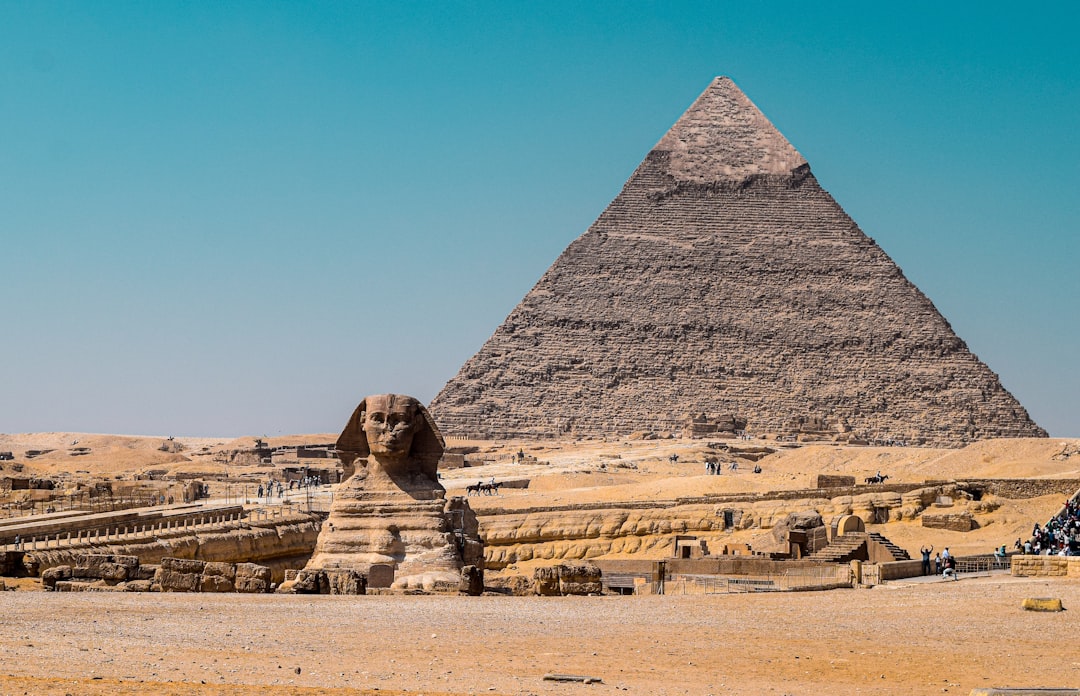
The pyramids of Ancient Egypt represent significant architectural achievements from a civilization that existed over 4,000 years ago. These large-scale structures, including the Great Pyramid of Giza, have attracted extensive study from historians, archaeologists, and researchers. Their dimensions and construction precision have generated ongoing research into building techniques, intended functions, and cultural importance within ancient Egyptian society.
These monuments have remained subjects of scholarly investigation for centuries, producing numerous theories and hypotheses that continue to be examined and debated. These structures functioned beyond their role as burial sites, serving as demonstrations of political authority, expressions of religious beliefs, and applications of mathematical and astronomical knowledge. The pyramids represent multiple aspects of ancient Egyptian civilization, including historical developments, religious practices, and technological capabilities.
This examination focuses on the construction methods, purposes, and various theories proposed to explain their creation and significance. Through analysis of these components, a comprehensive understanding emerges of ancient Egyptian civilization and the ongoing research questions surrounding these prominent archaeological sites.
Key Takeaways
- The pyramids of Ancient Egypt are engineering marvels with deep religious and spiritual significance.
- Construction techniques remain debated, involving advanced mathematics and astronomy.
- Pyramid texts and hieroglyphics provide insights into ancient beliefs and rituals.
- Modern technology has enhanced archaeological discoveries, challenging myths like the Pharaohs’ curse.
- The pyramids continue to influence architecture and inspire ongoing research into their mysteries.
The Construction of the Pyramids: Engineering Marvels
The construction of the pyramids is often regarded as one of the greatest engineering feats in human history. The Great Pyramid of Giza, built during the reign of Pharaoh Khufu around 2580–2560 BCE, is particularly noteworthy for its scale and precision. Standing at approximately 481 feet tall, it was the tallest man-made structure in the world for over 3,800 years.
The sheer volume of stone used—an estimated 2.3 million blocks weighing between 2.
Scholars have proposed various theories regarding the methods employed in transporting and assembling these enormous stones. Some suggest that a series of ramps were constructed to facilitate the movement of stones into place, while others argue for a more complex system involving levers and counterweights.
The organization of labor also plays a crucial role in understanding pyramid construction; it is believed that thousands of skilled workers, rather than slaves as once thought, were employed in this monumental task. These laborers were likely well-fed and housed in nearby workers’ villages, indicating a level of societal organization and resource management that was advanced for its time. Discover the secrets behind the pyramid mystery ancient egypt in this fascinating video.
The Purpose of the Pyramids: Religious and Spiritual Significance
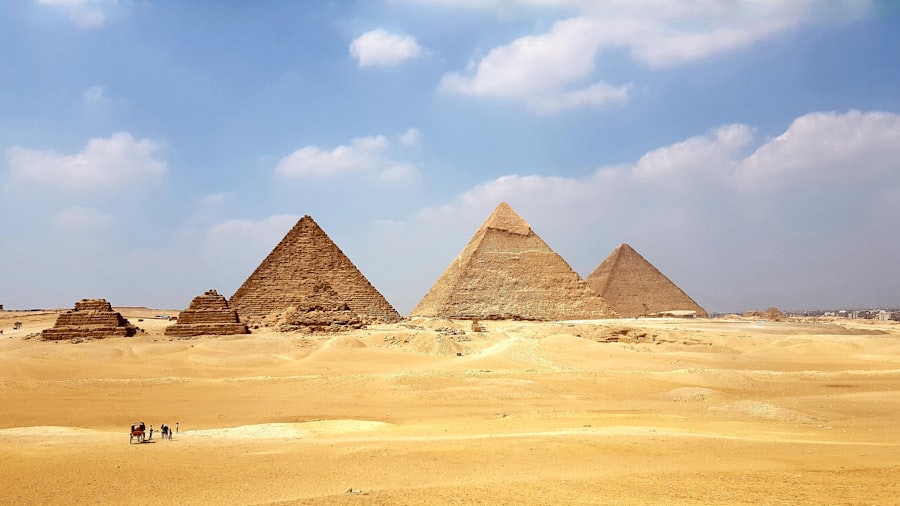
The primary purpose of the pyramids was to serve as tombs for pharaohs and high-ranking officials, reflecting the ancient Egyptians’ beliefs in the afterlife. The pyramids were designed to ensure that the deceased would have a safe passage to the afterlife, where they would continue to exist in a realm beyond death. This belief was deeply rooted in their religion, which emphasized the importance of preserving the body through mummification and providing for the deceased’s needs in the afterlife.
In addition to their function as tombs, the pyramids also served as monumental expressions of power and divine authority. They were constructed to honor the pharaohs, who were considered gods on earth. The grandeur of these structures symbolized not only the pharaoh’s wealth but also his connection to the divine.
The alignment of the pyramids with celestial bodies further underscores their spiritual significance; many pyramids were oriented towards specific stars or constellations, reflecting the ancient Egyptians’ profound understanding of astronomy and their desire to connect with the cosmos.
Theories and Speculations: How Were the Pyramids Built?
The question of how the pyramids were built has sparked countless theories and speculations over the years. While some early theories suggested that extraterrestrial beings or advanced lost civilizations were responsible for their construction, modern archaeology has focused on more plausible explanations grounded in human ingenuity. One popular theory posits that a straight or zigzagging ramp system was used to transport stones from quarries to the construction site.
This method would have allowed workers to haul heavy blocks up to higher levels as construction progressed. Another intriguing theory involves the use of a circular ramp that spiraled around the pyramid as it rose. This design would have minimized the need for extensive scaffolding and allowed for easier access to higher levels during construction.
Additionally, recent discoveries have revealed evidence of workers’ villages near pyramid sites, suggesting that a well-organized labor force was essential for such an ambitious project. These findings indicate that a combination of skilled labor, innovative engineering techniques, and effective resource management played crucial roles in bringing these monumental structures to life.
The Role of Mathematics and Astronomy in Pyramid Construction
| Metric | Value | Description |
|---|---|---|
| Number of Major Pyramids | 3 | The three main pyramids at Giza: Khufu, Khafre, and Menkaure |
| Estimated Construction Period | 2580–2560 BCE | Timeframe for the Great Pyramid of Khufu’s construction |
| Height of Great Pyramid | 146.6 meters (original) | Original height before erosion and loss of casing stones |
| Number of Blocks Used | Approximately 2.3 million | Estimated number of limestone and granite blocks in the Great Pyramid |
| Average Weight per Block | 2.5 tons | Average weight of each stone block used in construction |
| Construction Duration | ~20 years | Estimated time taken to build the Great Pyramid |
| Alignment Accuracy | Within 0.067° of true north | Precision of the Great Pyramid’s alignment to the cardinal points |
| Purpose | Tomb and Religious Monument | Believed function of the pyramids in ancient Egyptian culture |
| Unsolved Mysteries | Construction Techniques, Hidden Chambers | Ongoing debates about how pyramids were built and what secrets they hold |
Mathematics and astronomy were integral to the construction of the pyramids, reflecting the ancient Egyptians’ advanced understanding of these disciplines. The precise measurements and alignments observed in pyramid construction demonstrate a sophisticated grasp of geometry. For instance, the Great Pyramid’s base is nearly perfectly square, with each side measuring approximately 756 feet long.
This level of accuracy suggests that builders employed advanced mathematical principles to achieve such precision. Astronomy also played a vital role in pyramid construction. Many pyramids were aligned with cardinal points or specific celestial bodies, indicating that ancient Egyptians closely observed the movements of stars and planets.
The alignment of pyramids with constellations such as Orion is particularly noteworthy; Orion was associated with Osiris, the god of the afterlife, reinforcing the spiritual significance of these structures. This connection between mathematics, astronomy, and religious beliefs highlights how deeply intertwined these fields were in ancient Egyptian society.
Uncovering the Secrets of Pyramid Texts and Hieroglyphics
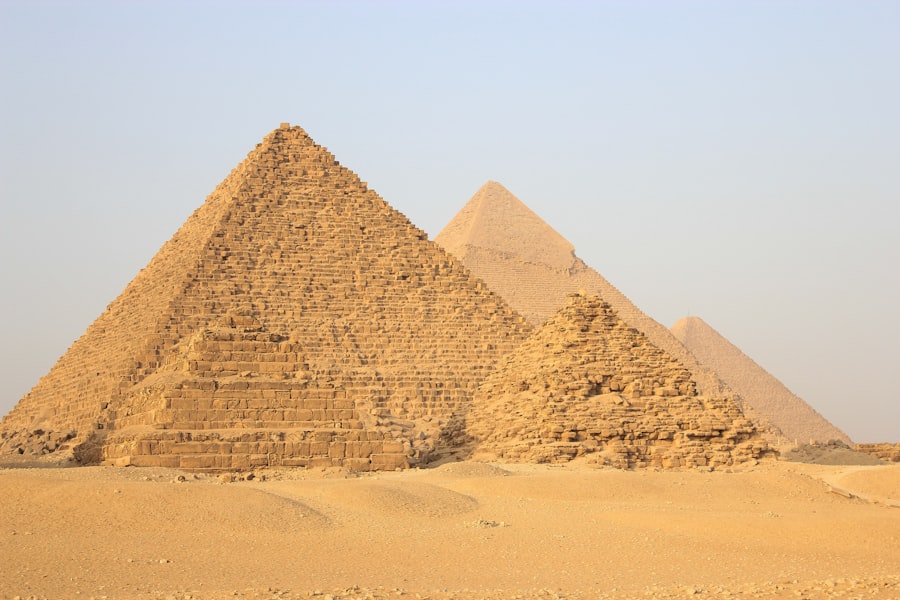
Pyramid texts and hieroglyphics provide invaluable insights into ancient Egyptian beliefs, rituals, and daily life. These inscriptions, found within burial chambers and on temple walls, often contain spells intended to guide the deceased through the afterlife. They reveal not only religious practices but also social hierarchies and cultural values prevalent during the time of pyramid construction.
The deciphering of hieroglyphics has allowed scholars to piece together aspects of ancient Egyptian civilization that would otherwise remain obscured. For instance, texts found within pyramids often reference gods, rituals, and offerings meant to appease deities in order to secure a favorable afterlife for the deceased. Additionally, these inscriptions can shed light on historical events and figures, providing context for understanding how pyramids fit into broader narratives within ancient Egyptian history.
The Mysterious Curse of the Pharaohs: Fact or Fiction?
The notion of a “curse” associated with pharaohs and their tombs has captured popular imagination since the discovery of Tutankhamun’s tomb in 1922. Reports emerged claiming that those who entered his tomb faced misfortune or death due to a curse placed upon it by ancient priests. While sensationalized accounts have fueled this myth, most historians attribute these stories to coincidence or natural causes rather than supernatural forces.
Scientific investigations into this phenomenon have revealed that many individuals who entered tombs did indeed suffer from various ailments or accidents; however, these occurrences can often be explained by environmental factors such as mold spores or bacteria present in sealed tombs. Despite its dubious origins, the curse narrative continues to fascinate audiences worldwide, serving as a reminder of humanity’s enduring fascination with mystery and superstition.
Modern Technology and Archaeological Discoveries in Pyramid Exploration
Advancements in technology have revolutionized archaeological exploration and research related to pyramids. Techniques such as ground-penetrating radar (GPR), infrared thermography, and 3D scanning have enabled researchers to uncover hidden chambers and structural features without invasive excavation methods. These technologies have led to significant discoveries that enhance understanding of pyramid construction techniques and burial practices.
For instance, recent scans have revealed previously unknown voids within some pyramids, sparking renewed interest in their potential functions and significance. Additionally, satellite imagery has allowed archaeologists to identify new sites across Egypt that may contain undiscovered pyramids or burial complexes. As technology continues to evolve, it holds great promise for further unraveling the mysteries surrounding these ancient structures.
The Legacy of the Pyramids: Influence on Ancient and Modern Architecture
The influence of Egyptian pyramids extends far beyond their original context; they have inspired architectural designs throughout history and across cultures. In ancient times, various civilizations sought to emulate or pay homage to these monumental structures by incorporating pyramid-like forms into their own architecture. For example, Mesoamerican cultures such as the Maya and Aztecs constructed step pyramids that echoed Egyptian designs while serving distinct cultural purposes.
In modern architecture, elements inspired by pyramidal forms can be seen in various structures worldwide—from museums to skyscrapers—demonstrating how these ancient edifices continue to resonate with contemporary architects and designers. The enduring legacy of pyramids serves as a testament to human creativity and ambition while highlighting how ancient innovations can inform modern practices.
Debunking Myths and Misconceptions Surrounding the Pyramids
Numerous myths and misconceptions about pyramids persist in popular culture, often overshadowing historical facts. One common myth is that slaves built the pyramids; however, evidence suggests that skilled laborers who were well-fed and organized into teams undertook this monumental task. This misconception likely arose from misinterpretations of historical texts and an oversimplified view of ancient Egyptian society.
Another prevalent myth is that all pyramids were constructed solely as tombs for pharaohs; while this was indeed a primary function for many pyramids, some served other purposes such as temples or ceremonial sites. By debunking these myths through rigorous research and archaeological evidence, scholars aim to provide a more nuanced understanding of pyramid construction and their significance within ancient Egyptian culture.
The Future of Pyramid Research: What Lies Ahead in Unraveling the Mystery
As research into Egypt’s pyramids continues to evolve, scholars remain optimistic about uncovering new insights into their construction and purpose. Ongoing excavations combined with cutting-edge technology promise to reveal further secrets hidden within these ancient structures. Collaborative efforts among international teams also foster knowledge exchange that enhances understanding across disciplines.
The future holds great potential for unraveling mysteries surrounding not only pyramid construction but also broader aspects of ancient Egyptian civilization. As new discoveries emerge from ongoing research initiatives, they will undoubtedly contribute to a richer understanding of this remarkable culture while inspiring future generations to explore its enduring legacy further.
The mysteries surrounding the pyramids of ancient Egypt have fascinated historians and archaeologists for centuries. One intriguing aspect of these monumental structures is their construction techniques and the purpose they served in ancient society. For a deeper exploration of these topics, you can read more in the article available at this link. This article delves into various theories and findings related to the pyramids, shedding light on the enigmatic history of one of humanity’s greatest architectural achievements.
WATCH THIS! 🔺 THEY LIED ABOUT THE PYRAMIDS — Here’s The Real Truth 🤯
FAQs
What is the Pyramid Mystery in Ancient Egypt?
The Pyramid Mystery refers to the ongoing research and debates about how the ancient Egyptians constructed the pyramids, particularly the Great Pyramid of Giza. Despite extensive studies, some aspects of the construction techniques, purpose, and precise methods remain partially unresolved.
When were the pyramids in Ancient Egypt built?
The most famous pyramids, including the Great Pyramid of Giza, were built during the Old Kingdom period of Ancient Egypt, around 2580–2560 BCE, primarily during the Fourth Dynasty.
Who built the pyramids in Ancient Egypt?
The pyramids were built by skilled laborers, craftsmen, and workers who were likely organized into well-coordinated teams. Contrary to popular myth, they were not slaves but rather paid workers or conscripted laborers.
What was the purpose of the pyramids?
Pyramids served as monumental tombs for pharaohs and were designed to protect the deceased and their possessions for the afterlife. They also symbolized the pharaoh’s divine status and connection to the gods.
How were the pyramids constructed?
The exact construction methods are still debated, but it is believed that large limestone blocks were quarried, transported, and assembled using ramps, levers, and manpower. Advanced knowledge of mathematics and astronomy was used to align and design the structures.
Are there any hidden chambers inside the pyramids?
Some pyramids, including the Great Pyramid, contain hidden or previously undiscovered chambers and passageways. Modern technologies like radar and scanning have revealed voids, but their purpose and contents are still being studied.
What materials were used to build the pyramids?
The primary materials were limestone blocks for the core and casing stones, granite for certain internal chambers, and mortar to bind the stones. The casing stones were polished to create a smooth outer surface.
Why is the Great Pyramid of Giza considered a mystery?
The Great Pyramid is considered a mystery due to its precise construction, alignment with cardinal points, and the advanced engineering skills required for its creation, which continue to fascinate researchers and historians.
Have modern technologies helped solve the pyramid mystery?
Yes, technologies such as 3D scanning, ground-penetrating radar, and computer simulations have provided new insights into pyramid construction and internal structures, but many questions remain unanswered.
What is the significance of the pyramids in Egyptian culture?
Pyramids are a testament to Ancient Egypt’s architectural innovation, religious beliefs, and social organization. They reflect the Egyptians’ views on death, the afterlife, and the divine nature of their rulers.