
Unraveling the Science of Tibetan Genes and Thin Air
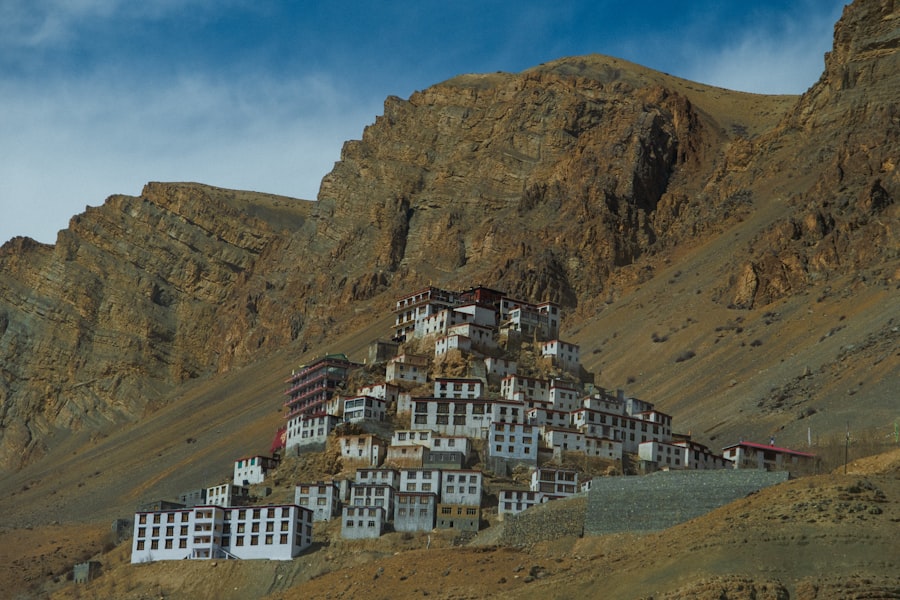
The Tibetan Plateau, a vast and often harsh expanse at an average elevation of over 4,000 meters, presents an environment where human survival, let alone thriving, is a formidable challenge. The air here is remarkably thin, meaning a significantly lower partial pressure of oxygen compared to sea level. Yet, for millennia, Tibetan populations have inhabited this region, developing a unique physiological adaptability that scientists are actively endeavoring to understand. This article delves into the scientific exploration of Tibetan genes and their remarkable interplay with the thin air of their homeland, revealing a fascinating story of evolutionary adaptation.
The fundamental challenge of living at high altitudes lies in the reduced availability of oxygen. Imagine a runner trying to sprint in water versus on land; the resistance is fundamentally different. Similarly, at high altitudes, the body’s engine, reliant on oxygen for energy production, faces a significant hurdle.
Understanding Hypoxia
Hypoxia refers to a state where the body or a region of the body is deprived of adequate oxygen supply. In the context of the Tibetan Plateau, this is primarily hypobaric hypoxia – hypoxia caused by low atmospheric pressure.
The Physics of Air Pressure and Oxygen Concentration
At sea level, the atmospheric pressure exerts a certain force, and the air is composed of approximately 21% oxygen. As one ascends in altitude, the total atmospheric pressure decreases. While the percentage of oxygen in the air remains roughly the same, the partial pressure of oxygen, which is the pressure exerted by oxygen molecules alone, drops significantly. This diminishing partial pressure is the critical factor limiting oxygen uptake by the lungs.
Physiological Responses to Hypoxia
The body, upon encountering hypoxic conditions, initiates a cascade of physiological responses. These are often termed acclimatization – the temporary adjustments made when moving to a higher altitude.
Acute Responses: The Immediate Reaction
Immediately upon ascent, the body can respond with increased breathing rate (tachypnea) and heart rate (tachycardia). These aim to compensate for lower oxygen intake by increasing ventilation and blood circulation. However, these acute responses can be insufficient for long-term survival.
Chronic Responses: Building Resilience
Over longer periods, the body can develop more sustained acclimatization. This may involve an increase in red blood cell production (erythropoiesis), making the blood a more efficient oxygen carrier. However, in some high-altitude populations, this response is paradoxically blunted, hinting at a different evolutionary strategy.
Recent studies have shed light on the unique genetic adaptations of Tibetan populations, particularly their ability to thrive in high-altitude environments with low oxygen levels. This fascinating aspect of human evolution is explored in detail in a related article that discusses the implications of Tibetan genes on our understanding of human resilience and adaptability. For more insights, you can read the article here: Tibetan Genes and Thin Air Science.
Ancient Origins of Tibetan Adaptation
The genetic makeup of Tibetans provides clues as to how they have not only survived but flourished in such an extreme environment. It is not simply a matter of individuals struggling against the odds, but rather a population that has been shaped by these very challenges over countless generations.
The Denisovans’ Contribution
Recent genetic research has illuminated a surprising and significant contribution to the Tibetan genome from an ancient hominin group known as Denisovans. These now-extinct relatives of Neanderthals and modern humans were known to have inhabited parts of Asia.
Unearthing the Denisovan Genome
The discovery of Denisovan DNA in modern human populations, particularly in Melanesians and East Asians, was a landmark event. Scientists were able to extract and analyze genetic material from fragmented fossil remains.
The Denisovan Gene Flow into Tibetans
Studies have shown that Tibetans possess a distinct Denisovan genetic signature, with certain segments of their genome showing a higher degree of similarity to Denisovan DNA than to other human populations. This suggests an interbreeding event between Denisovans and the ancestors of modern Tibetans.
The Significance of “Introgression”
This process, known as introgression, is where genetic material from one species is incorporated into the gene pool of another. In the case of Tibetans, this introgression appears to have conferred crucial advantages for high-altitude living.
Key Genes and Their Roles in High-Altitude Adaptation

The scientific investigation has pinpointed specific genes that appear to be under strong natural selection in Tibetans, enabling them to cope with low oxygen levels. These genes act like specialized tools in the body’s toolkit for survival.
The EPAS1 Gene: A Central Player
Perhaps the most extensively studied and well-understood genetic locus in Tibetan adaptation is a gene called EPAS1. This gene plays a critical role in how the body responds to low oxygen.
Function of EPAS1 in Oxygen Sensing
EPAS1 is a transcription factor that is a key component of the hypoxia-inducible factor (HIF) pathway. This pathway is a master regulator of cellular responses to oxygen deprivation. When oxygen levels drop, EPAS1 becomes activated, leading to changes in gene expression that help the body to adapt.
The HIF Pathway: A Cellular Thermostat for Oxygen
Think of the HIF pathway as a cellular thermostat that kicks in when the body’s oxygen temperature cools. It triggers a series of adaptive mechanisms to try and maintain cellular function.
Divergent Regulation in Tibetans
In Tibetans, a particular variant of EPAS1, derived from Denisovans, appears to regulate the HIF pathway differently. Instead of leading to the excessive production of red blood cells, which can make blood thick and increase the risk of stroke or heart disease, this variant seems to promote other adaptive mechanisms.
The “Silent” Benefit of Low Red Blood Cell Count
A key observation in Tibetans is that they typically do not exhibit the dangerously high red blood cell counts that are common in other populations acclimatized to high altitudes. This is a remarkable departure from what might be expected.
Avoiding the Risks of Polycythemia
The overproduction of red blood cells, known as polycythemia, can increase blood viscosity to detrimental levels, placing strain on the heart and increasing clotting risks. Tibetans, by avoiding this, circumvent these physiological dangers.
Increased Vasodilation and Blood Flow
Research suggests that the Denisovan EPAS1 variant in Tibetans may promote better vasodilation – the widening of blood vessels. This allows for more efficient oxygen delivery to tissues without the need for an overwhelming number of red blood cells.
Other Genes of Interest
While EPAS1 is a star player, it is not the only gene contributing to Tibetan adaptation. Scientists are uncovering a complex network of genetic influences.
EGLN1 (PHD2) and its Role
Another gene, EGLN1 (also known as PHD2), is involved in regulating the HIF pathway by controlling the degradation of HIF-alpha subunits. Variations in EGLN1 have also been found to be under selection in Tibetans, further refining their oxygen-sensing mechanisms.
Genes Related to Metabolism and Cellular Respiration
Adaptation may also involve genes that optimize cellular metabolism and energy production under low-oxygen conditions. This could include genes involved in cellular respiration, fatty acid metabolism, and antioxidant defenses.
Mitochondrial Function: The Cell’s Powerhouse
Mitochondria are the powerhouses of our cells, responsible for generating energy through cellular respiration. It is plausible that Tibetan genes influence mitochondrial efficiency in low-oxygen environments.
Antioxidant Defenses Against Oxidative Stress
Low oxygen can also lead to increased oxidative stress. Genes that enhance the body’s antioxidant defense systems could be crucial for protecting cells from damage.
Phenotypic Manifestations of Genetic Adaptation
The genetic underpinnings of Tibetan adaptation translate into observable physiological traits, or phenotypes, that distinguish them from low-altitude populations. These are the outward signs of their inner workings.
Respiratory and Circulatory Efficiency
Tibetans exhibit a more efficient respiratory and circulatory system for their environment. This is not about brute force adaptation, but rather elegant optimization.
Lung Capacity and Efficiency
While lung capacity itself might not be dramatically different, the efficiency of oxygen transfer from the lungs to the blood may be enhanced through subtle genetic influences on lung tissue and blood vessel structure.
Cardiovascular Adjustments
Their cardiovascular system is fine-tuned to deliver oxygen effectively without the strain associated with extreme red blood cell proliferation.
Heart Rate and Blood Pressure
Tibetans often exhibit a lower resting heart rate and normal blood pressure at high altitudes, contrasting with the elevated heart rates often seen in acclimatizing lowlanders.
Blood Vascularization
There is evidence suggesting increased density of small blood vessels (capillaries) in certain tissues, facilitating better oxygen diffusion to cells.
Metabolic Adaptations
Beyond oxygen transport, Tibetans may also possess metabolic advantages that allow them to utilize the available oxygen more effectively.
Energy Utilization Strategies
Their bodies might be more adept at utilizing alternative energy pathways or more efficient with the standard aerobic pathways when oxygen is scarce.
Reliance on Glucose or Fats
Understanding whether Tibetans preferentially utilize glucose or fatty acids for energy under hypoxic conditions is an active area of research.
Muscle Fiber Type and Efficiency
The composition of muscle fibers and their efficiency in utilizing oxygen could also be a factor in their remarkable endurance and function at altitude.
Recent studies have shed light on the fascinating adaptations of Tibetan populations, particularly how their genes enable them to thrive in high-altitude environments with low oxygen levels. This remarkable ability has sparked interest in the scientific community, leading to further exploration of human resilience and genetic diversity. For a deeper understanding of these genetic adaptations and their implications, you can read more in this insightful article on the subject. To learn more about the intersection of Tibetan genes and their unique environmental challenges, visit this article.
The Future of High-Altitude Research
| Metric | Value | Description |
|---|---|---|
| EPAS1 Gene Variant Frequency | 87% | Percentage of Tibetans carrying the EPAS1 gene variant linked to high-altitude adaptation |
| Hemoglobin Levels | ~15 g/dL | Average hemoglobin concentration in Tibetans, lower than typical high-altitude populations |
| Oxygen Saturation | 90-95% | Blood oxygen saturation levels in Tibetan highlanders at altitudes above 4,000 meters |
| Altitude of Tibetan Plateau | 4,500 meters | Average elevation where Tibetan populations have adapted genetically |
| Time of Genetic Adaptation | ~3,000 years | Estimated time since Tibetans developed genetic adaptations to thin air |
| Other Key Genes | PRKAA1, EGLN1 | Additional genes involved in hypoxia response and adaptation in Tibetans |
The study of Tibetan genes and their adaptation to thin air is a dynamic and evolving field. As our understanding deepens, new avenues of research emerge.
Comparative Genomics and Evolutionary Insights
Comparing the genomes of Tibetans with other high-altitude populations, such as those from the Andes or Ethiopia, can reveal convergent evolutionary pathways.
Identifying Universal and Unique Adaptations
This comparative approach helps to distinguish genetic changes that are universally beneficial for high-altitude survival from those that are specific to certain populations.
Tracing the Evolutionary Timeline
By examining genetic variation across different populations and time periods, scientists can reconstruct the evolutionary history of adaptation to altitude.
Therapeutic and Biomedical Applications
The insights gained from studying Tibetan adaptation hold significant potential for human health and medicine.
Treating Hypoxia-Related Diseases
Understanding how Tibetans naturally manage oxygen deprivation could inform strategies for treating conditions like chronic obstructive pulmonary disease (COPD), heart failure, and anemia.
Enhancing Oxygen Transport in Disease
Could therapeutic interventions mimic the genetic mechanisms that improve oxygen delivery in Tibetans to benefit patients with compromised oxygenation?
Mitigating Effects of Low Oxygen in Space Exploration
The challenges of living in low-oxygen environments extend beyond Earth. The study of Tibetan adaptation could even offer valuable insights for future space exploration and the physiological demands placed on astronauts.
The journey into the scientific secrets of Tibetan genes and their remarkable synergy with the thin air of their homeland is far from over. Each discovery peels back another layer, revealing the profound power of evolution to shape life in even the most challenging corners of our planet. As scientists continue to unravel this intricate biological tapestry, they not only illuminate the story of a unique population but also lay the groundwork for future medical breakthroughs that could benefit all of humanity.
FAQs
What genetic adaptations do Tibetans have for living at high altitudes?
Tibetans possess unique genetic adaptations that allow them to thrive in low-oxygen environments. Key genes, such as EPAS1, help regulate their body’s response to hypoxia, enabling efficient oxygen use and preventing excessive red blood cell production.
How does the EPAS1 gene affect Tibetan physiology?
The EPAS1 gene influences the production of hemoglobin and red blood cells. In Tibetans, specific variants of this gene reduce the risk of chronic mountain sickness by maintaining normal hemoglobin levels despite low oxygen availability.
Why is studying Tibetan genes important for science?
Studying Tibetan genetic adaptations provides insights into human evolution, high-altitude physiology, and potential medical applications for hypoxia-related conditions. It helps scientists understand how populations adapt to extreme environments.
Are Tibetan genetic adaptations unique compared to other high-altitude populations?
Yes, Tibetan adaptations differ from those found in other high-altitude groups like Andeans or Ethiopians. Each population has evolved distinct genetic mechanisms to cope with hypoxia, reflecting diverse evolutionary paths.
How do Tibetan genetic traits impact their health at high altitudes?
Tibetan genetic traits help maintain oxygen homeostasis, reducing risks of altitude sickness, pulmonary hypertension, and other hypoxia-related health issues. This genetic advantage supports their long-term survival in thin air conditions.