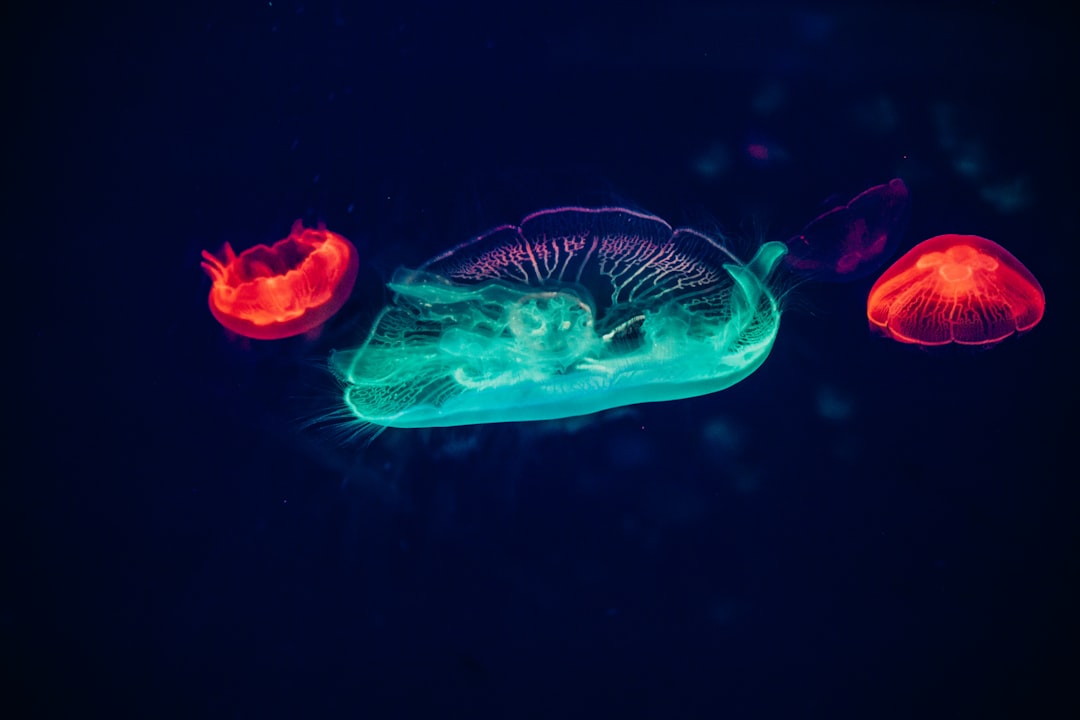
The Earth’s oceans, a vast and enigmatic realm, hold within their depths an astounding phenomenon: bioluminescence. This intrinsic ability of living organisms to produce light is not merely a curious spectacle but a fundamental aspect of marine ecosystems. While commonly associated with a few charismatic species, the true extent and diversity of bioluminescent life remain profoundly underexplored. It is estimated that approximately 95% of the ocean’s volume represents a largely unknown world, a considerable portion of which is illuminated by these living lights. This article delves into the scientific understanding, ecological significance, and ongoing challenges in deciphering the “unseen ocean bioluminescent wonders” that comprise this immense mystery.
Bioluminescence is not a singular event but a diverse array of biochemical reactions, each fine-tuned by evolutionary pressures. The underlying principle across most known instances involves a luciferin molecule, a light-emitting substrate, and a luciferase enzyme, which catalyzes the oxidative reaction.
Luciferin-Luciferase Systems
- Diverse Chemical Structures: The chemical structures of luciferins and luciferases vary significantly across different taxonomic groups. For instance, the coelenterazine system is prevalent in cnidarians (jellyfish, corals), copepods, and some fish, while firefly luciferin, though terrestrial, exemplifies a distinct chemical pathway.
- Oxidation and Light Emission: The enzymatic oxidation of luciferin by luciferase, often in the presence of oxygen and ATP as an energy source, releases energy in the form of photons. This process is remarkably efficient, typically producing cold light with minimal heat generation, a crucial adaptation in energy-scarce deep-sea environments.
- Photoproteins: Some organisms, particularly certain jellyfish, utilize photoproteins (e.g., aequorin). These proteins bind luciferin and are triggered to emit light by specific ions, such as calcium, without the direct involvement of a separate luciferase enzyme in the final light-emitting step.
Other Biochemical Pathways
- Bacterial Symbiosis: Numerous deep-sea organisms, including anglerfish and certain squid, do not produce light intrinsically but host symbiotic bioluminescent bacteria within specialized organs called photophores. These bacteria, often Vibrio species, produce light continuously, and the host controls the light emission through mechanisms like shuttering or pigment dispersal.
- Chemiluminescence in the Absence of Enzymes: While less common than enzyme-mediated bioluminescence, some instances of spontaneous light emission through chemical reactions have been observed in marine contexts, though these are typically not considered true bioluminescence due to the lack of enzymatic control.
Ocean bioluminescent wonders are a captivating aspect of marine life, yet 95 percent of these phenomena remain unseen by the human eye. For those intrigued by the mysteries of the deep sea, a related article that delves into this fascinating topic can be found at Real Lore and Order. This resource explores the various forms of bioluminescence, the organisms responsible for these stunning displays, and the potential implications for science and conservation efforts.
Ecological Roles: A Language of Light
Bioluminescence in the ocean serves a myriad of ecological functions, acting as a crucial communication tool, a defensive mechanism, and a predatory asset in a world devoid of sunlight. The absence of ambient light at depth makes bioluminescent signals particularly potent and effective.
Predation and Foraging
- Lures and Baits: Many deep-sea predators, notably anglerfish, employ bioluminescent lures to attract prey. These esca, or light organs, are often highly modified and can mimic smaller organisms or food sources, drawing unsuspecting victims within striking distance.
- Counter-illumination: Some mesopelagic fish and cephalopods use ventral bioluminescence to match the dim downwelling sunlight, effectively camouflaging themselves from predators looking up from below. This form of “active camouflage” makes their silhouette disappear against the faint ambient light.
- Flashlight Fish: Certain fish possess suborbital light organs housing symbiotic bacteria that can be flashed or shuttered, acting as a “headlight” to illuminate prey in the darkness, much like a hunter surveying its surroundings with a beam of light.
Defense and Evasion
- Startle Displays: A sudden flash of bright light can startle or momentarily blind a predator, allowing the prey organism to escape. This is a common defense mechanism employed by various squid, copepods, and gelatinous zooplankton.
- Bait Balls and Sacrificial Lures: Some organisms release clouds of bioluminescent particles or fluids when threatened. This “luminescent ink” can confuse or distract a predator, creating a diversion while the prey makes its escape, akin to a smoke screen.
- Burglar Alarm Hypothesis: This intriguing theory suggests that bioluminescence can be used to attract a secondary, larger predator to attack an initial attacker. Imagine a small organism being preyed upon; its bioluminescent flash might effectively “call for help” from a bigger fish that is also a predator to the original assailant.
Communication and Reproduction
- Mate Attraction: In the vast, featureless deep-sea environment, bioluminescence plays a vital role in species recognition and mate attraction. Specific flash patterns, colors, and intensities can act as species-specific signals, akin to a “personal ad” in the darkness.
- Schooling and Aggregation: Though less understood, it is hypothesized that some schooling fish and invertebrates may use subtle bioluminescent cues to maintain group cohesion and coordinate movements in the dark.
- Territorial Displays: While unconfirmed for most species, some bioluminescent displays could potentially serve in territorial defense or signaling dominance, similar to visual displays in terrestrial animals.
The Unseen Majority: Deep-Sea Explorations
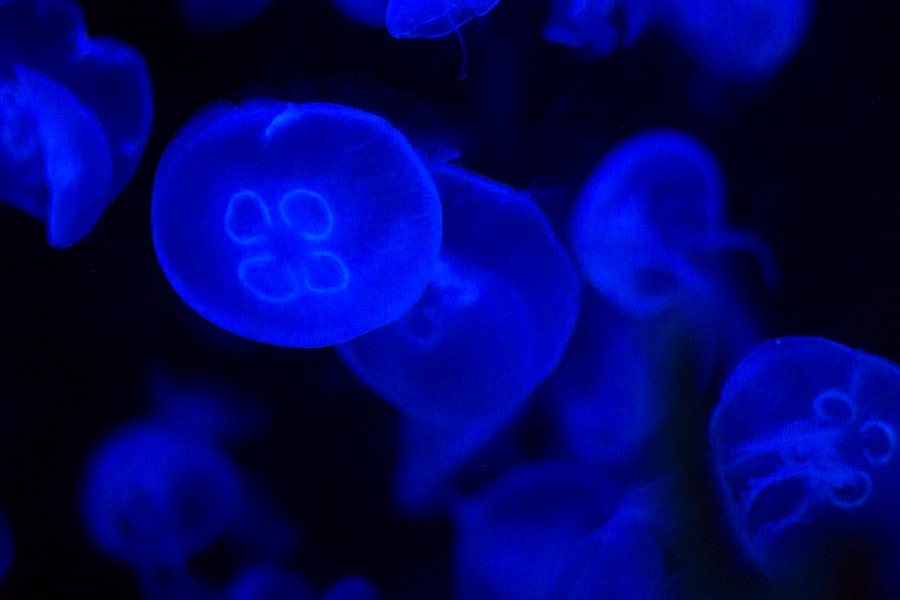
Despite significant technological advancements, the vast majority of the ocean, particularly the mesopelagic, bathypelagic, and abyssal zones, remains largely unexplored. This “hidden 95%” is where the most novel and extraordinary bioluminescent phenomena are likely to reside, awaiting discovery.
Technological Frontiers
- Remotely Operated Vehicles (ROVs): ROVs equipped with high-sensitivity cameras and specialized light detectors are instrumental in observing bioluminescent organisms in their natural habitats without disturbing them. They provide invaluable visual documentation of light displays and behaviors.
- Autonomous Underwater Vehicles (AUVs): AUVs can cover vast areas, collecting data on the distribution and intensity of bioluminescence over extended periods. Their ability to operate independently makes them ideal for mapping large swathes of the deep ocean.
- Manned Submersibles: While more limited in duration and depth, manned submersibles offer scientists direct observation capabilities, allowing for real-time adjustments to experimental protocols and the collection of delicate samples. The human eye, despite technological enhancements, can still perceive subtle nuances often missed by automated systems.
Challenges of Deep-Sea Research
- Extreme Pressure and Cold: The crushing pressures and frigid temperatures of the deep sea pose immense engineering challenges for submersibles and equipment, requiring robust and specialized designs.
- Vastness and Inaccessibility: The sheer volume of the deep ocean makes comprehensive exploration a monumental task. It is like searching for a needle in a haystack, where the haystack is continually expanding and moving.
- Logistical Complexity and Cost: Deep-sea expeditions are incredibly expensive, requiring specialized vessels, highly trained personnel, and sophisticated instrumentation, limiting the frequency and scope of research.
Bioluminescence as a Biosensor and Biomimicry Inspiration
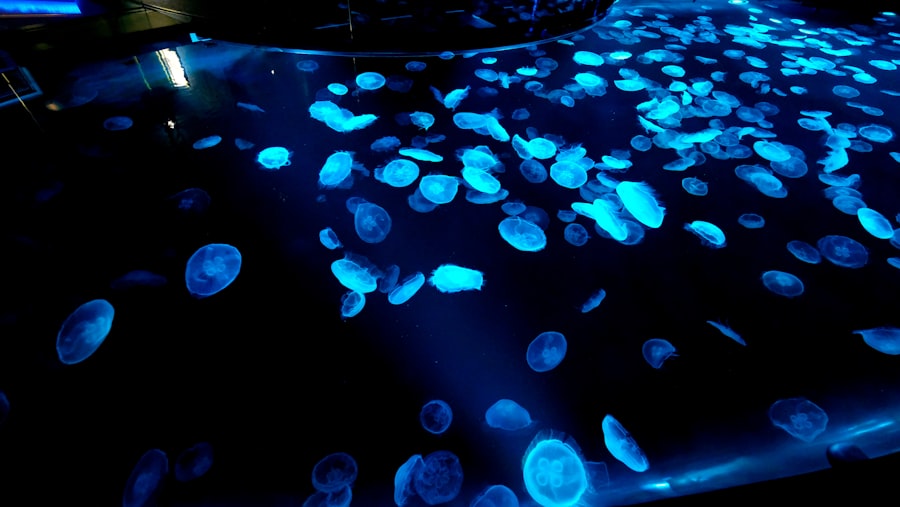
Beyond its intrinsic biological value, marine bioluminescence offers promising avenues for technological applications, from medical diagnostics to novel lighting solutions. The efficiency and unique properties of biological light are a potent source of inspiration.
Biotechnological Applications
- Reporter Genes: The genes encoding luciferases and photoproteins are widely used in molecular biology as reporter genes. By fusing these genes to others, researchers can track gene expression, protein localization, and cellular activity with high sensitivity, akin to placing a tiny, self-illuminating beacon inside a cell.
- Medical Diagnostics: Bioluminescent assays are employed in various diagnostic tests, such as detecting bacterial contamination, quantifying ATP in cells, and screening for drug candidates. Their high sensitivity allows for detection of minute quantities of target molecules.
- Environmental Monitoring: Bioluminescent organisms can act as biosensors for environmental pollutants. Changes in their light emission patterns or intensity can indicate the presence of toxins or alterations in water quality, providing an early warning system.
Biomimicry and Future Technologies
- Efficient Lighting Systems: Studying the mechanisms behind the cold light produced by bioluminescent organisms could lead to the development of more energy-efficient and environmentally friendly artificial lighting technologies. Imagine lights that produce no heat, consuming minimal energy.
- Underwater Communication: The unique spectral properties of bioluminescent flashes suggest potential for underwater communication systems that are less susceptible to absorption and scattering than conventional light sources, offering a discreet way to transmit information.
- Bio-inspired Sensors: The intricate light-sensing and light-producing organs of marine life could inspire new designs for highly sensitive optical sensors and detectors, capable of operating in challenging environments.
The ocean is home to a myriad of bioluminescent wonders, with an astonishing 95 percent of these phenomena remaining unseen by the human eye. Many of these captivating organisms, such as certain jellyfish and deep-sea fish, produce light through chemical reactions, creating a mesmerizing display in the dark depths of the ocean. For those interested in exploring more about these hidden marvels, a related article can be found at this link, which delves deeper into the fascinating world of bioluminescence and its ecological significance.
Conservation and the Threats to Bioluminescent Ecosystems
| Metric | Value | Description |
|---|---|---|
| Percentage of Ocean Bioluminescent Species Unseen | 95% | Estimated portion of bioluminescent species yet to be discovered or studied |
| Known Bioluminescent Species | ~1,500 | Number of species currently identified with bioluminescent capabilities |
| Depth Range of Bioluminescence | 0 – 1,000+ meters | Depths in the ocean where bioluminescence is commonly observed |
| Types of Bioluminescent Organisms | Fish, Jellyfish, Bacteria, Plankton, Squid | Common groups exhibiting bioluminescence |
| Primary Functions of Bioluminescence | Predation, Defense, Communication, Mating | Biological purposes served by light emission |
| Estimated Ocean Volume Unexplored | ~80% | Portion of the ocean that remains largely unexplored, contributing to unseen bioluminescent life |
As with all marine life, bioluminescent ecosystems are not immune to anthropogenic pressures. Understanding and protecting these unique environments is paramount, especially given how little is known about the majority of species.
Anthropogenic Impacts
- Ocean Acidification: The increasing absorption of atmospheric CO2 by the oceans leads to acidification, which can disrupt the delicate biochemical processes involved in bioluminescence and threaten organisms with calcified structures.
- Deep-Sea Mining: Proposed deep-sea mining operations for minerals could devastate pristine deep-sea habitats, destroying bioluminescent communities before they are even discovered or properly studied.
- Plastic Pollution: Microplastics and larger plastic debris are found even in the deepest ocean trenches, posing threats through ingestion, entanglement, and the introduction of chemical contaminants.
- Climate Change: Changes in ocean currents, temperature stratification, and oxygen minimum zones, all driven by climate change, can alter the distribution and abundance of bioluminescent species, potentially disrupting critical ecological interactions.
The Urgency of Research and Protection
- Baseline Data Collection: Establishing baseline data on bioluminescent diversity, distribution, and ecological roles is crucial before these ecosystems undergo irreversible changes. Without understanding what exists, it is impossible to gauge the extent of loss.
- Protected Areas: Designating marine protected areas, especially in key deep-sea habitats, can safeguard these vulnerable ecosystems from exploitation and disturbance.
- International Collaboration: Given the global nature of ocean ecosystems, international cooperation is essential for effective research, monitoring, and conservation efforts. No single nation can tackle this immense challenge alone.
In conclusion, the unseen ocean bioluminescent wonders represent one of Earth’s greatest remaining biological frontiers. The glow emanating from these organisms is not merely a captivating display but a testament to the intricate adaptations forged in the crucible of evolution. By unraveling the mysteries of the 95% unexplored ocean, we not only expand our knowledge of life’s diversity but also gain valuable insights that can inspire technological innovations and inform critical conservation strategies. The ongoing journey into this realm of living light is a profound exploration into the very essence of life on our planet, reminding us that even in the deepest darkness, there is an unimaginable abundance of illumination.
FAQs
What is bioluminescence in the ocean?
Bioluminescence is the natural emission of light by living organisms in the ocean, such as certain species of plankton, jellyfish, and fish. This light is produced through a chemical reaction involving the molecule luciferin and the enzyme luciferase.
Why is 95 percent of ocean bioluminescence unseen?
Approximately 95 percent of ocean bioluminescence occurs in deep or remote parts of the ocean that are difficult for humans to access or observe. Many bioluminescent organisms live in the deep sea, where sunlight does not penetrate, making their glowing displays largely hidden from view.
What purposes does bioluminescence serve for marine organisms?
Bioluminescence serves various functions including attracting mates, deterring predators, camouflaging, and luring prey. For example, some species use light to confuse predators, while others use it to communicate or illuminate their surroundings.
How do scientists study bioluminescent organisms in the ocean?
Scientists use specialized equipment such as submersibles, remotely operated vehicles (ROVs), and sensitive cameras to explore deep-sea environments and capture images or videos of bioluminescent organisms. Laboratory studies also help understand the chemical processes behind bioluminescence.
Can bioluminescence be observed from the ocean surface?
Yes, bioluminescence can sometimes be seen from the ocean surface, especially in coastal areas where bioluminescent plankton bloom. These events create glowing waves or sparkling water, often visible at night and popular among tourists and researchers alike.