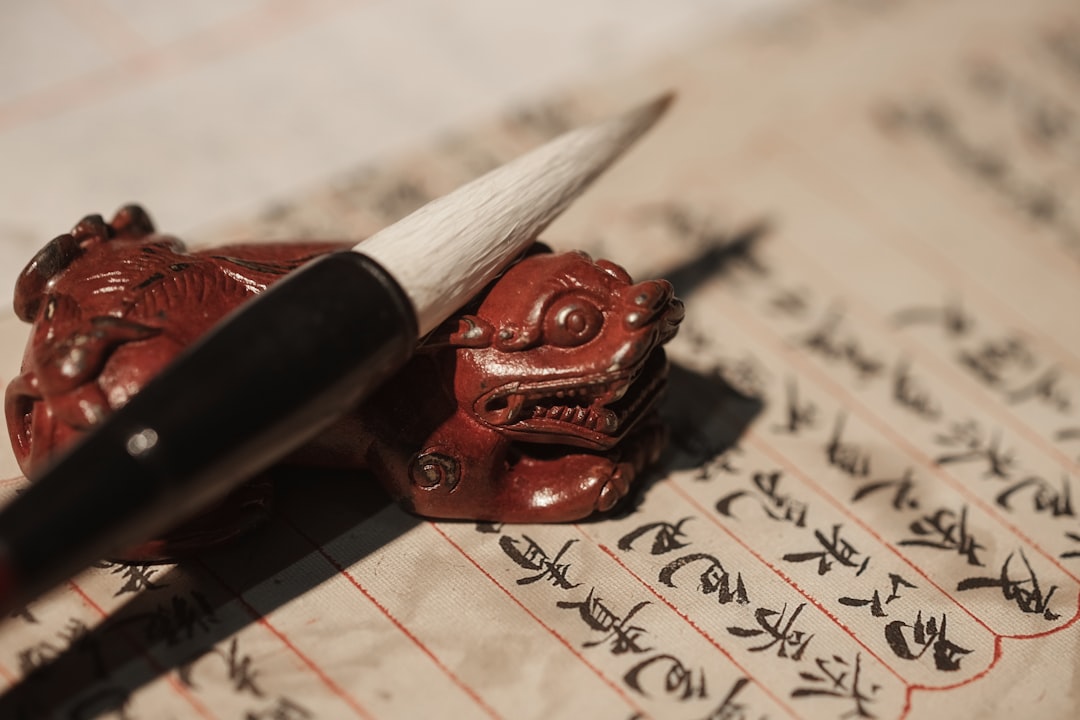
The allure of ancient scribe secrets has captivated historians, archaeologists, and enthusiasts alike for centuries. These enigmatic writings, often concealed within the folds of time, hold the potential to unlock the mysteries of past civilizations. The very act of writing, which began as a means of communication, evolved into a complex system of symbols and codes that could convey profound meanings.
The secrets embedded within these texts are not merely linguistic puzzles; they represent the thoughts, beliefs, and experiences of those who lived long ago. As scholars delve into the depths of these ancient scripts, they find themselves on a quest not only for knowledge but also for a deeper understanding of humanity’s shared history. The mystery surrounding these writings is compounded by the fact that many ancient scripts have been lost to time or remain undeciphered.
The tantalizing possibility that hidden messages lie within these texts fuels the imagination and drives research efforts. Each discovery of a new fragment or inscription can lead to groundbreaking revelations about ancient societies, their cultures, and their interactions with one another. The secrets of ancient scribes are not just relics of the past; they are keys to unlocking the narratives that shaped human civilization.
Key Takeaways
- Ancient scribe secrets hold a mysterious allure that has fascinated historians and researchers for centuries.
- Deciphering hidden writings provides valuable insights into the history and culture of ancient civilizations.
- Ancient scribes used a variety of tools and techniques, such as ink, styluses, and parchment, to create their writings.
- Modern technological advancements, such as multispectral imaging and X-ray fluorescence, have revolutionized the process of uncovering hidden writings.
- Unveiled hidden writings play a crucial role in enhancing our understanding of history and shaping contemporary society.
Deciphering Hidden Writings: A Historical Perspective
Throughout history, the art of deciphering hidden writings has been a formidable challenge. The earliest known examples of writing date back to around 3200 BCE in Mesopotamia, where cuneiform script was used to record transactions and events. As civilizations evolved, so did their writing systems, leading to a rich tapestry of languages and scripts.
However, many of these scripts fell into disuse or were replaced by newer forms of communication, leaving behind a legacy of undeciphered texts. The Rosetta Stone, discovered in 1799, serves as a prime example of how a single artifact can bridge the gap between lost languages and modern understanding.
Scholars have faced numerous obstacles, including the lack of bilingual texts, the erosion of materials over time, and the complexities inherent in ancient languages. Despite these challenges, significant progress has been made in deciphering various scripts, such as Linear B and Egyptian hieroglyphs. Each successful translation not only sheds light on the specific text but also enhances our understanding of the culture and society from which it originated.
The historical perspective on deciphering hidden writings reveals a continuous interplay between language, culture, and identity.
Tools and Techniques of Ancient Scribes
Ancient scribes employed a variety of tools and techniques to create their written works, each reflecting the resources available in their respective cultures. In Mesopotamia, for instance, scribes used styluses made from reeds to inscribe cuneiform characters onto clay tablets. This method allowed for the efficient recording of information but also required a high level of skill and training.
The precision with which these scribes worked is evident in the intricate details found in surviving tablets, showcasing their dedication to preserving knowledge for future generations. In contrast, ancient Egyptian scribes utilized reed pens and papyrus to produce their texts.
This innovation not only facilitated writing but also contributed to the preservation of texts over time. Scribes were often highly respected members of society, as their ability to read and write set them apart from the general populace. Their work encompassed everything from administrative records to religious texts, highlighting the diverse roles that writing played in ancient civilizations.
Uncovering Hidden Writings: Modern Technological Advancements
| Technological Advancements | Impact |
|---|---|
| Multi-spectral Imaging | Reveals faded or obscured text |
| Reflectance Transformation Imaging (RTI) | Enhances surface details for better readability |
| X-ray Fluorescence (XRF) | Identifies chemical composition of inks and pigments |
| Micro-CT Scanning | Allows 3D visualization of hidden layers |
In recent years, advancements in technology have revolutionized the field of archaeology and historical research, particularly in uncovering hidden writings. Techniques such as multispectral imaging and X-ray fluorescence have enabled researchers to analyze ancient manuscripts without causing damage. These non-invasive methods allow for the detection of faded or obscured texts that may have been previously overlooked.
By capturing images at different wavelengths, scholars can reveal layers of writing that are invisible to the naked eye. Additionally, digital tools have transformed the way researchers approach ancient texts. Optical character recognition (OCR) software can now be employed to transcribe handwritten manuscripts into digital formats, making them more accessible for analysis and study.
This technological progress not only aids in deciphering hidden writings but also facilitates collaboration among scholars worldwide. As researchers share their findings through online platforms and databases, the collective knowledge surrounding ancient scribe secrets continues to expand.
The Importance of Hidden Writings in Understanding History
Hidden writings serve as invaluable resources for historians seeking to piece together the narratives of past civilizations. These texts often provide insights into social structures, economic practices, religious beliefs, and cultural norms that might otherwise remain obscured. For instance, administrative records from ancient Mesopotamia reveal details about trade networks and taxation systems, while literary works from ancient Greece offer glimpses into philosophical thought and artistic expression.
Moreover, hidden writings can challenge prevailing historical narratives by presenting alternative perspectives or previously unknown events. The discovery of new texts can prompt historians to reevaluate established timelines or reconsider the significance of certain figures or events. As such, these writings are not merely artifacts; they are dynamic components of historical inquiry that contribute to a more nuanced understanding of humanity’s past.
The Role of Cryptography in Ancient Scribe Secrets
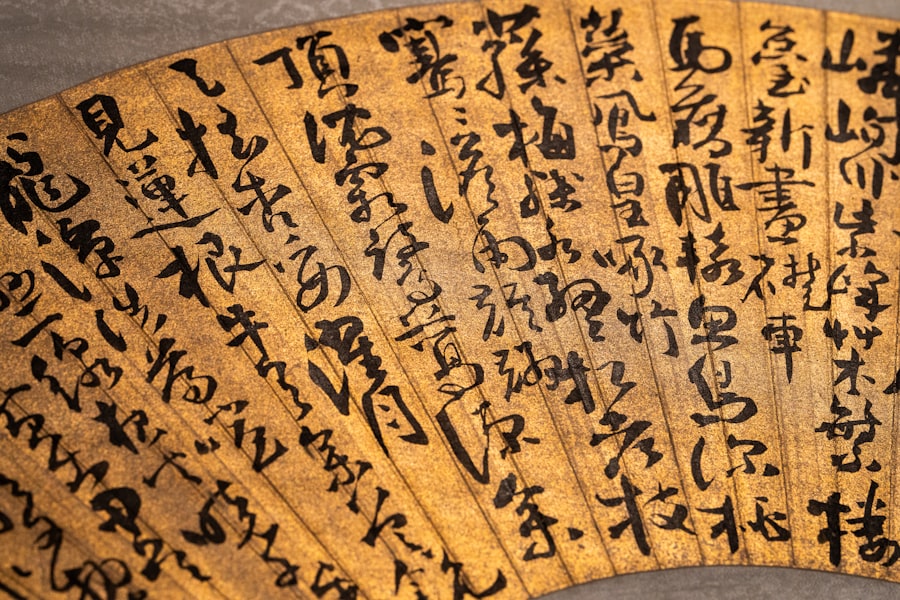
Cryptography has played a significant role in the creation and preservation of ancient scribe secrets. Many cultures employed coded language or symbolic representations to protect sensitive information from prying eyes. For example, during times of war or political upheaval, scribes might use ciphers or other forms of encryption to safeguard messages intended for trusted recipients.
This practice not only highlights the importance of secrecy in ancient societies but also underscores the sophistication of their communication methods. The study of cryptography in ancient texts has led to fascinating discoveries about how different cultures approached the concept of secrecy and security. Some civilizations developed complex systems of symbols that required extensive training to decipher, while others relied on simpler methods that could be easily understood by a select few.
The interplay between cryptography and hidden writings reveals a rich tapestry of human ingenuity and creativity in the face of challenges posed by communication and information sharing.
Famous Examples of Unveiled Hidden Writings
Throughout history, several famous examples stand out as milestones in the unveiling of hidden writings. One such case is the decipherment of Linear B script by Michael Ventris in the 1950s. This breakthrough not only confirmed the existence of an early form of Greek but also provided insights into Mycenaean civilization’s administrative practices and daily life.
Similarly, the translation of the Dead Sea Scrolls has shed light on early Jewish thought and practices, offering invaluable context for understanding religious developments in antiquity. Another notable example is the work done on the Voynich Manuscript, an enigmatic text filled with illustrations and an unknown script that has baffled scholars for centuries. While its contents remain largely undeciphered, ongoing research continues to attract attention from cryptographers and linguists alike.
Each instance of unveiled hidden writings contributes to a broader understanding of human history and culture while igniting curiosity about what other secrets may still lie buried beneath layers of time.
The Cultural Significance of Hidden Writings
Hidden writings carry profound cultural significance as they encapsulate the values, beliefs, and experiences of societies long gone. These texts often reflect the unique identities of civilizations, providing insights into their worldviews and social structures. For instance, religious texts serve as windows into spiritual practices and ethical frameworks that guided communities throughout history.
Similarly, literary works can reveal cultural norms and artistic expressions that shaped societal interactions. Moreover, hidden writings can foster a sense of continuity between past and present cultures. By studying these texts, contemporary societies can draw connections to their own histories and identities.
The preservation and interpretation of ancient writings contribute to a collective memory that informs cultural heritage and identity formation today.
The Preservation and Conservation of Ancient Scribe Secrets
The preservation and conservation of ancient scribe secrets are critical endeavors that require meticulous attention to detail and expertise in various fields. Many ancient texts are vulnerable to deterioration due to environmental factors such as humidity, light exposure, and physical handling. As such, conservators employ specialized techniques to stabilize these artifacts while ensuring their accessibility for research purposes.
Efforts to digitize ancient manuscripts have gained momentum in recent years as institutions recognize the importance of safeguarding these treasures for future generations. Digital archives allow for broader access while minimizing physical wear on original documents. Additionally, collaborative initiatives among libraries, museums, and universities have emerged to share resources and expertise in preserving these invaluable cultural artifacts.
The Future of Unveiling Ancient Scribe Secrets
The future holds great promise for unveiling ancient scribe secrets as technological advancements continue to evolve at an unprecedented pace. Innovations in artificial intelligence (AI) and machine learning are poised to revolutionize how researchers analyze vast amounts of data from ancient texts. These tools can assist in identifying patterns or anomalies that may lead to new discoveries or insights previously overlooked by human scholars.
Furthermore, interdisciplinary collaboration will play a crucial role in advancing research efforts related to hidden writings. By bringing together experts from fields such as linguistics, archaeology, computer science, and history, scholars can approach ancient texts from multiple angles, enriching their understanding and interpretation. As new discoveries emerge through ongoing research initiatives worldwide, humanity’s connection to its past will deepen.
The Impact of Unveiled Hidden Writings on Contemporary Society
The unveiling of hidden writings has far-reaching implications for contemporary society beyond mere academic interest. These discoveries can reshape public perceptions about historical events or figures while fostering a greater appreciation for cultural diversity throughout history. As societies grapple with issues related to identity and heritage today, insights gleaned from ancient texts can inform discussions about continuity and change over time.
Moreover, unveiled hidden writings often inspire creativity across various artistic disciplines—literature, visual arts, music—by providing rich source material that resonates with modern audiences seeking connections between past narratives and present experiences. Ultimately, the impact extends beyond academia; it permeates everyday life as individuals engage with stories that transcend time boundaries through their exploration of ancient scribe secrets. In conclusion, the journey into the realm of ancient scribe secrets is one marked by intrigue and discovery.
From deciphering hidden writings through historical perspectives to employing modern technological advancements for preservation efforts—each facet contributes uniquely toward unraveling humanity’s shared narrative across millennia. As scholars continue this vital work today—unearthing lost voices from antiquity—they illuminate pathways toward understanding ourselves better within an ever-evolving tapestry woven together by countless generations before us.
In recent years, the study of ancient scribe secret writings has captivated historians and enthusiasts alike, revealing the intricate methods used by scribes to encode messages and preserve knowledge. A fascinating article that delves into this topic can be found on Real Lore and Order, where the author explores the various techniques employed by ancient scribes to conceal their writings from prying eyes. This article not only highlights the historical significance of these secretive practices but also sheds light on the cultural contexts in which they were developed. For those interested in uncovering the mysteries of ancient scripts, this article is a must-read. You can find it