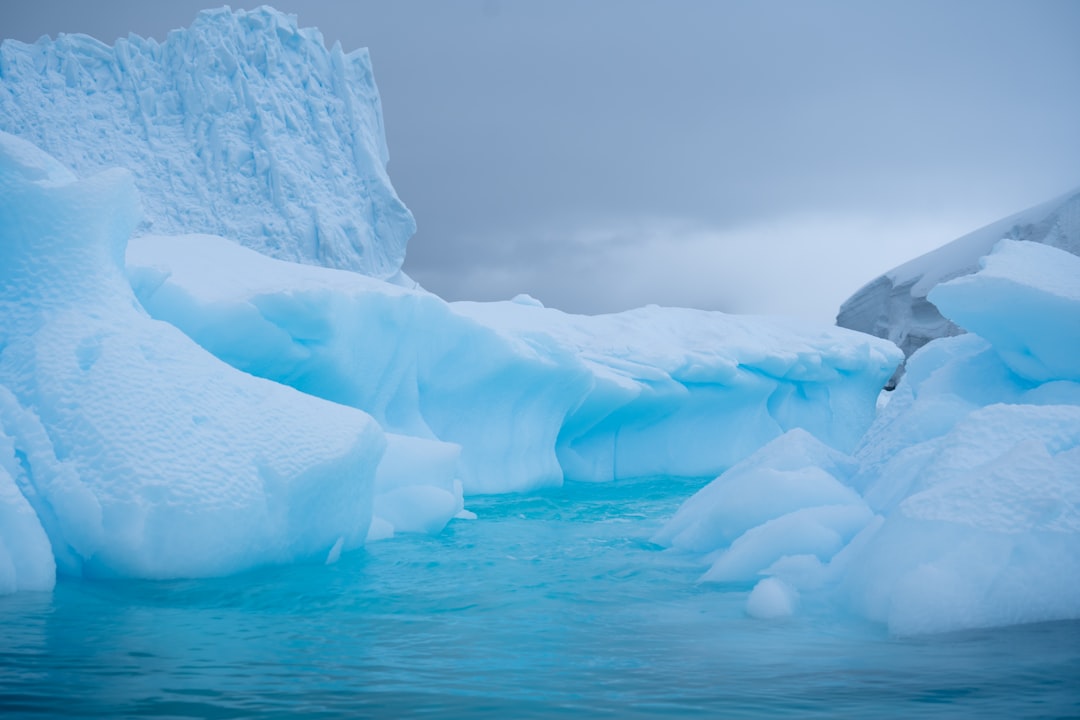
Antarctica, often referred to as the last great wilderness on Earth, is a land shrouded in mystery and intrigue. This vast, icy expanse, which covers an area of about 14 million square kilometers, is the fifth-largest continent and is almost entirely covered by ice. Its remoteness and harsh climate have made it one of the least explored regions on the planet.
The continent is surrounded by the Southern Ocean, which further isolates it from the rest of the world, creating an environment that is both captivating and forbidding. The extreme conditions, with temperatures plummeting to as low as minus 80 degrees Celsius in winter, have led to a unique ecosystem that is unlike any other. The allure of Antarctica lies not only in its breathtaking landscapes but also in its enigmatic nature.
The continent is home to vast ice sheets, towering glaciers, and deep crevasses, all of which contribute to its otherworldly beauty. Beneath the ice lies a treasure trove of geological and climatic secrets waiting to be uncovered. Scientists and explorers alike are drawn to this frozen frontier, eager to unlock the mysteries that have been hidden for millennia.
As research continues to evolve, Antarctica remains a focal point for understanding global climate patterns and the history of our planet.
Key Takeaways
- Antarctica is a mysterious continent with many hidden secrets waiting to be discovered.
- Studying Antarctica is important for understanding global climate change and its impact on ecosystems.
- Antarctica’s geological wonders hold valuable information about the Earth’s history and formation.
- Researching Antarctica’s climate can provide crucial insights into the planet’s changing weather patterns.
- The continent is home to fascinating wildlife and plays a significant role in global ecosystems.
The Discovery of Antarctica’s Hidden Secrets
The journey to uncover Antarctica’s hidden secrets began in earnest during the Age of Exploration in the 19th century. Early explorers, driven by curiosity and a thirst for adventure, set sail into uncharted waters, often facing treacherous conditions and perilous icebergs. Notable figures such as James Cook and Ernest Shackleton played pivotal roles in mapping the continent and documenting its features.
Their expeditions laid the groundwork for future research and exploration, revealing glimpses of the continent’s vastness and complexity. As technology advanced, so too did the methods used to explore Antarctica. The advent of aerial photography and satellite imagery has revolutionized the way scientists study the continent.
These tools have allowed researchers to gain insights into the ice sheets’ dynamics, glacial movements, and even the underlying geology. In recent years, ice-penetrating radar has provided unprecedented access to subglacial lakes and ancient ecosystems hidden beneath the ice. Each discovery adds another layer to the understanding of this enigmatic land, revealing its intricate history and the processes that have shaped it over millions of years.
The Importance of Studying Antarctica

Studying Antarctica is crucial for several reasons, particularly in the context of global climate change. As one of the most sensitive regions on Earth, Antarctica serves as a barometer for understanding climate shifts. The continent’s ice sheets hold approximately 60% of the world’s fresh water, making their stability vital for global sea levels.
As temperatures rise and ice melts at an alarming rate, researchers are racing against time to comprehend the implications for coastal communities worldwide. Moreover, Antarctica’s unique ecosystems provide valuable insights into biodiversity and adaptation. The organisms that thrive in such extreme conditions offer clues about resilience in the face of climate change.
By studying these species, scientists can better understand how life might adapt or struggle in a warming world. The knowledge gained from Antarctic research not only enhances scientific understanding but also informs policy decisions aimed at mitigating climate impacts globally.
Uncovering Antarctica’s Geological Wonders
| Geological Wonders | Location | Age |
|---|---|---|
| Mount Erebus | Ross Island | 1.3 million years |
| McMurdo Dry Valleys | Victoria Land | Approximately 14 million years |
| Lake Vostok | Underneath the East Antarctic Ice Sheet | 15-25 million years |
Beneath its icy surface lies a geological wonderland that has fascinated scientists for decades. Antarctica’s geology is a complex tapestry woven from ancient rocks, volcanic formations, and tectonic activity. The continent is home to some of the oldest rocks on Earth, dating back over 4 billion years, providing a window into the planet’s early history.
Researchers have discovered mountain ranges that rival those found in more temperate regions, showcasing the dynamic processes that have shaped this frozen land. One of the most significant geological features is the East Antarctic Ice Sheet, which holds clues about past climate conditions. By drilling into the ice core samples, scientists can extract air bubbles trapped within, revealing atmospheric compositions from thousands of years ago.
These findings help reconstruct historical climate patterns and provide context for current changes. Additionally, subglacial lakes like Lake Vostok harbor unique microbial life forms that have adapted to extreme conditions, offering insights into life’s resilience and potential applications for astrobiology.
Revealing the Secrets of Antarctica’s Climate
Antarctica’s climate is characterized by its extreme cold and dryness, yet it plays a pivotal role in regulating global weather patterns.
Understanding how these systems interact is essential for predicting future climate scenarios.
Researchers are particularly interested in how changes in Antarctic ice dynamics affect sea level rise and global temperatures. Recent studies have highlighted alarming trends in Antarctic climate patterns, including increased ice melt and shifting weather systems. These changes not only impact local ecosystems but also have far-reaching consequences for global climates.
By analyzing historical data alongside current observations, scientists aim to develop more accurate climate models that can forecast future changes with greater precision. The urgency of this research underscores the importance of continued investment in Antarctic studies as humanity grapples with the realities of climate change.
The Fascinating Wildlife of Antarctica
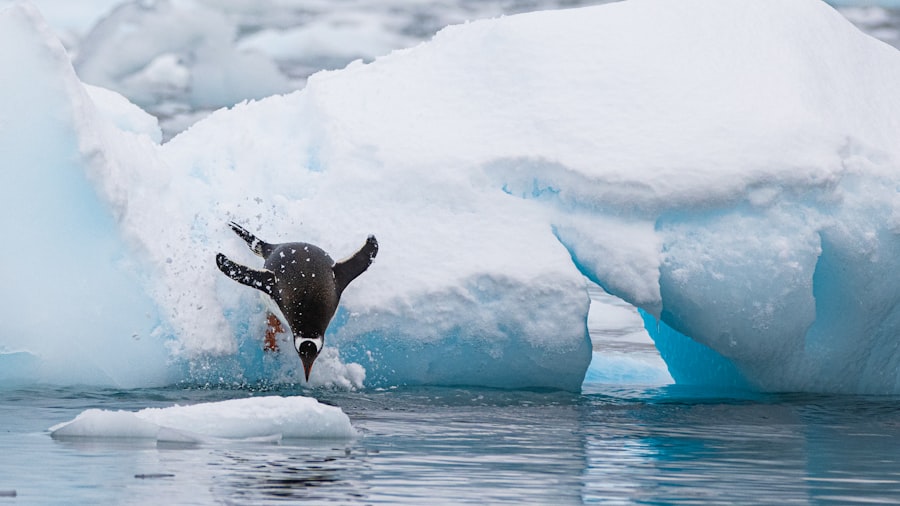
Despite its harsh environment, Antarctica boasts a remarkable array of wildlife uniquely adapted to survive in extreme conditions. Penguins are perhaps the most iconic inhabitants of this frozen continent, with species such as the Emperor and Adélie penguins thriving in its icy waters. These flightless birds exhibit fascinating social behaviors and remarkable parenting strategies that have captivated researchers and nature enthusiasts alike.
In addition to penguins, Antarctica is home to seals, whales, and a variety of seabirds that rely on its rich marine ecosystem for sustenance. The Southern Ocean surrounding the continent teems with life, supporting vast populations of krill—tiny crustaceans that form the foundation of the food web. This intricate balance between species highlights the interconnectedness of life in Antarctica and emphasizes the need for conservation efforts to protect these fragile ecosystems from human impact.
Antarctica’s Role in Global Ecosystems
Antarctica plays a critical role in maintaining global ecosystems through its influence on ocean currents and climate regulation. The continent’s ice sheets contribute to sea level stability while also affecting salinity levels in surrounding waters. These factors are essential for sustaining marine biodiversity and ensuring healthy oceanic systems worldwide.
Furthermore, Antarctic ecosystems serve as indicators of environmental change. As temperatures rise and ice melts, shifts in species distributions and population dynamics can be observed. Monitoring these changes provides valuable data for understanding broader ecological trends and informs conservation strategies aimed at preserving biodiversity both within Antarctica and beyond its icy borders.
The Intriguing History of Antarctic Exploration
The history of Antarctic exploration is rich with tales of bravery, endurance, and scientific discovery. From early expeditions led by explorers like James Cook to modern-day research initiatives, each journey has contributed to humanity’s understanding of this remote continent. The challenges faced by these explorers—ranging from treacherous weather conditions to limited resources—highlighted their determination to uncover the secrets hidden beneath layers of ice.
One notable chapter in this history is the heroic age of exploration during the early 20th century when figures like Ernest Shackleton embarked on ambitious journeys across uncharted territories. Their stories of survival against all odds continue to inspire generations and serve as reminders of humanity’s relentless pursuit of knowledge. Today, researchers build upon this legacy as they venture into Antarctica with advanced technology and collaborative efforts aimed at unlocking its mysteries.
Unearthing Antarctica’s Ancient Mysteries
Antarctica holds ancient mysteries that date back millions of years, offering glimpses into Earth’s geological past. Fossilized remains found within sedimentary rock layers provide evidence of a time when lush forests thrived on what is now a frozen wasteland. These discoveries challenge conventional notions about climate change and highlight how drastically environments can shift over geological time scales.
Additionally, studies of ancient ice cores reveal information about past atmospheric conditions and climate fluctuations.
This knowledge not only enriches our understanding of Earth’s history but also informs current discussions about future climate scenarios.
The Unique Challenges of Researching Antarctica
Conducting research in Antarctica presents unique challenges that require careful planning and execution. The extreme weather conditions can hinder access to remote locations, making logistics a significant hurdle for researchers. Additionally, the harsh environment poses risks to both equipment and personnel, necessitating specialized training and preparation.
Moreover, environmental considerations play a crucial role in Antarctic research efforts. Strict regulations govern activities on the continent to minimize human impact on fragile ecosystems. Researchers must navigate these guidelines while striving to gather valuable data that contributes to scientific knowledge.
Despite these challenges, the rewards of studying Antarctica far outweigh the difficulties, as each expedition brings new insights into this captivating land.
The Future of Unveiling Antarctica’s Hidden Secrets
As technology continues to advance, the future of Antarctic research looks promising. Innovations such as autonomous drones and remote sensing techniques are revolutionizing data collection methods, allowing scientists to explore previously inaccessible areas with greater efficiency. These tools will enable researchers to monitor changes in real-time and respond swiftly to emerging challenges posed by climate change.
The collaborative nature of modern scientific endeavors also bodes well for uncovering Antarctica’s hidden secrets. International partnerships foster knowledge sharing and resource pooling, enhancing research capabilities across disciplines. As humanity faces unprecedented environmental challenges, understanding Antarctica’s role becomes increasingly vital for developing effective strategies to protect our planet’s future.
In conclusion, Antarctica remains a land of mystery and discovery that continues to captivate scientists and explorers alike. Its unique geological features, climate dynamics, diverse wildlife, and rich history offer invaluable insights into Earth’s past and present. As research efforts expand and evolve, there is hope that humanity will unlock even more secrets hidden beneath its icy surface—secrets that could shape our understanding of climate change and biodiversity for generations to come.
In recent years, the icy expanse of Antarctica has become a focal point for researchers and explorers eager to uncover its hidden secrets. From ancient ice cores that reveal Earth’s climatic past to mysterious subglacial lakes teeming with life, the continent holds many surprises beneath its frozen surface. For those interested in delving deeper into the mysteries of this remote region, a related article on the topic can be found on Real Lore and Order’s website. This article provides further insights into the latest discoveries and ongoing research efforts in Antarctica. You can read more about it by visiting this link.
WATCH THIS 🧊The US Military Confirmed It: What’s REALLY Under the Antarctic Ice?
FAQs
What are some of the hidden secrets of Antarctica revealed in the article?
The article reveals various hidden secrets of Antarctica, such as the discovery of ancient fossils, evidence of past civilizations, and the potential for valuable mineral resources.
What is the significance of the hidden secrets of Antarctica?
The hidden secrets of Antarctica have the potential to provide valuable insights into Earth’s history, climate change, and the possibility of extraterrestrial life. They also have implications for geopolitical and environmental concerns.
How were these hidden secrets discovered?
The hidden secrets of Antarctica were discovered through various scientific research methods, including geological surveys, satellite imaging, and archaeological excavations. These methods have allowed researchers to uncover new information about the continent’s past and present.
What impact do these hidden secrets have on our understanding of Antarctica?
The hidden secrets of Antarctica challenge our previous understanding of the continent as a desolate, uninhabitable land. They suggest that Antarctica has a rich and complex history that has yet to be fully understood.
What are the potential implications of these hidden secrets for the future?
The hidden secrets of Antarctica could have significant implications for future scientific research, environmental conservation efforts, and international cooperation in the region. They may also lead to new economic opportunities and technological advancements.