
Geopolitical strategies are the approaches and plans that countries use to advance their national interests internationally. These strategies develop from historical experiences, geographic location, and current political conditions. Nations must manage complex relationships involving alliances, competitive rivalries, and economic interdependencies while protecting their independence and global influence.
The combination of these elements creates a constantly changing situation where governments make decisions based on both immediate requirements and future goals. Power forms the foundation of geopolitical strategy. Countries strengthen their position through military capabilities, economic strength, and diplomatic partnerships.
The emergence of new global powers has disrupted established international relationships, requiring traditional powers to adjust to changing power distributions. Analyzing these strategies requires understanding both visible policy actions and less obvious strategic moves that significantly influence international relations and the global system.
Key Takeaways
- Geopolitical strategies often involve hidden agendas and power dynamics that shape international relations.
- Covert operations and propaganda are tools used by global players to influence outcomes discreetly.
- Intelligence agencies play a crucial role in uncovering and countering hidden geopolitical agendas.
- Transparency and accountability are essential to mitigate the negative impacts of secretive geopolitical actions.
- Understanding and navigating these complexities is key to fostering more stable and informed global interactions.
Recognizing Hidden Agendas
Hidden agendas often lurk beneath the surface of international relations, influencing decisions and actions in ways that are not always transparent. These agendas can stem from a variety of motivations, including economic gain, territorial expansion, or ideological supremacy. Recognizing these underlying motives is essential for comprehending the true nature of geopolitical interactions.
For instance, a nation may publicly advocate for humanitarian intervention while simultaneously pursuing strategic interests that benefit its own geopolitical standing. The challenge lies in discerning these hidden agendas from the rhetoric that accompanies them. Diplomatic statements and public policies may present a façade of altruism, masking ulterior motives that drive state behavior.
Analysts and observers must remain vigilant, employing critical thinking to peel back the layers of communication and uncover the real intentions behind a nation’s actions. This process often involves scrutinizing historical patterns, economic ties, and military engagements to reveal the complexities that define international relations. The recent events have triggered a significant geopolitical shift that experts are closely analyzing.
The Role of Power Dynamics
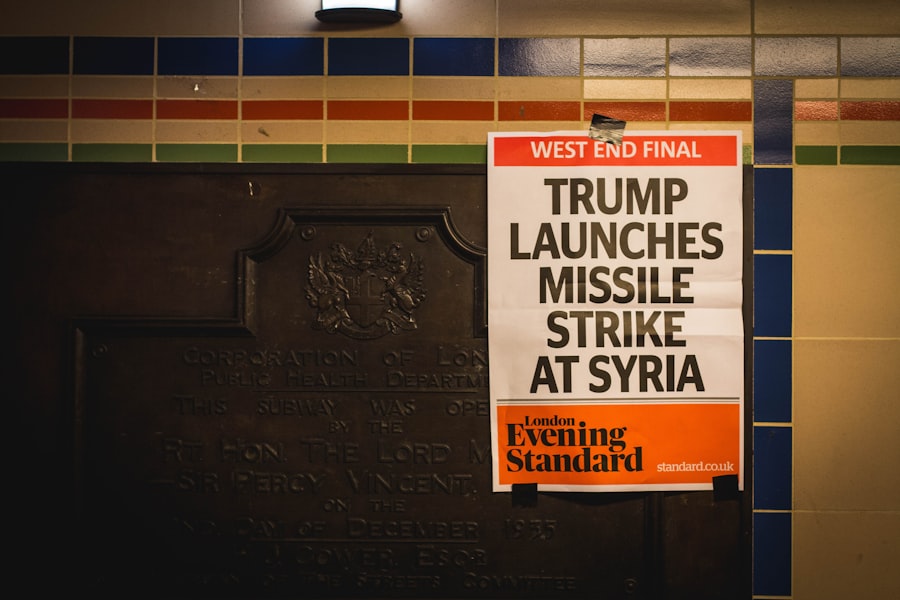
Power dynamics play a pivotal role in shaping geopolitical strategies and interactions among nations. The distribution of power—whether it be military, economic, or cultural—determines how countries engage with one another and influence global affairs. In a multipolar world, where multiple nations wield significant power, the competition for influence becomes increasingly pronounced.
This competition can lead to both collaboration and conflict, as nations seek to assert their dominance while also forming alliances to counterbalance rivals. The concept of soft power has gained prominence in recent years, highlighting the importance of cultural influence and diplomacy in addition to traditional hard power measures. Nations that can project their values and ideals effectively often find themselves in advantageous positions on the global stage.
However, the interplay between hard and soft power is complex; a nation may rely on military might to secure its interests while simultaneously engaging in cultural diplomacy to foster goodwill among other countries. Understanding these dynamics is crucial for analyzing contemporary geopolitical strategies.
Uncovering Covert Operations
Covert operations represent a shadowy aspect of international relations, where nations engage in secretive actions to achieve strategic objectives without revealing their involvement. These operations can range from espionage and sabotage to disinformation campaigns aimed at destabilizing adversaries. The clandestine nature of such activities complicates efforts to hold nations accountable for their actions and often leads to a lack of transparency in international affairs.
Uncovering covert operations requires a combination of intelligence gathering, investigative journalism, and public scrutiny. Whistleblowers and leaks can play a significant role in bringing hidden activities to light, prompting debates about ethics and legality in state conduct. The implications of these operations extend beyond immediate tactical advantages; they can erode trust between nations and contribute to an atmosphere of suspicion that complicates diplomatic relations.
The Influence of Global Players
| Strategy | Region | Key Actors | Objective | Impact | Timeframe |
|---|---|---|---|---|---|
| Resource Control | Middle East | Regional Powers, Global Corporations | Secure energy supplies and influence global markets | Increased regional tensions, economic leverage | 2010-2025 |
| Cyber Espionage | Global | State-sponsored Hackers, Intelligence Agencies | Gather intelligence and disrupt adversaries | Data breaches, political destabilization | 2015-Present |
| Infrastructure Investment | Africa, Asia | Emerging Powers, Multinational Banks | Expand influence through economic dependency | Debt diplomacy, strategic footholds | 2010-2030 |
| Proxy Conflicts | Eastern Europe, Middle East | Major Powers, Local Militias | Weaken rivals without direct confrontation | Prolonged conflicts, humanitarian crises | 2000-Present |
| Information Warfare | Global | Governments, Media Outlets | Shape public opinion and political outcomes | Polarization, misinformation | 2010-Present |
Global players—be they nation-states, multinational corporations, or non-governmental organizations—exert significant influence over geopolitical strategies and outcomes. These entities often operate across borders, shaping policies and public opinion in ways that transcend traditional state boundaries. For instance, multinational corporations may lobby governments for favorable regulations or engage in practices that prioritize profit over ethical considerations, impacting local economies and international relations alike.
The rise of non-state actors has further complicated the geopolitical landscape. Organizations such as terrorist groups or transnational advocacy networks can disrupt established power structures and challenge state authority. As these global players continue to gain prominence, understanding their motivations and strategies becomes essential for comprehending the broader context of international relations.
The Impact on International Relations

The interplay of geopolitical strategies, hidden agendas, power dynamics, covert operations, and global players has profound implications for international relations. As nations navigate this intricate landscape, they must contend with shifting alliances, emerging threats, and evolving norms governing state behavior. The consequences of these interactions can be far-reaching, influencing everything from trade agreements to military conflicts.
Moreover, the impact on international relations is not static; it evolves as new challenges arise and old rivalries resurface. For instance, climate change has emerged as a pressing global issue that transcends national borders, prompting countries to collaborate while also revealing underlying tensions related to resource allocation and responsibility. Understanding these dynamics is crucial for policymakers seeking to foster stability and cooperation in an increasingly interconnected world.
The Use of Propaganda and Disinformation
Propaganda and disinformation have become powerful tools in the arsenal of states seeking to shape public perception and influence geopolitical outcomes. Through carefully crafted narratives, governments can manipulate information to bolster their positions or undermine adversaries. This manipulation can take various forms, from state-sponsored media campaigns to social media disinformation tactics aimed at swaying public opinion.
The proliferation of digital communication has amplified the reach and impact of propaganda efforts. In an age where information spreads rapidly across platforms, discerning fact from fiction becomes increasingly challenging for individuals and governments alike. As nations engage in information warfare, the consequences extend beyond mere rhetoric; they can destabilize societies, erode trust in institutions, and complicate diplomatic efforts.
Strategies for Countering Hidden Geopolitical Agendas
Countering hidden geopolitical agendas requires a multifaceted approach that combines transparency, accountability, and public engagement. Governments must prioritize open communication with their citizens while fostering an informed electorate capable of critically evaluating information sources. Civil society organizations play a vital role in holding governments accountable for their actions and advocating for ethical conduct in international relations.
Additionally, fostering international cooperation is essential for addressing shared challenges posed by hidden agendas. Collaborative efforts among nations can help establish norms governing state behavior while promoting dialogue that transcends ideological divides. By working together to counter disinformation campaigns and promote transparency in decision-making processes, countries can create an environment conducive to trust-building and constructive engagement.
The Role of Intelligence Agencies
Intelligence agencies serve as critical players in the realm of geopolitics, tasked with gathering information that informs national security decisions and strategic planning. These agencies operate in secrecy, employing various methods to collect data on foreign governments, military capabilities, and emerging threats. Their insights can shape policy responses and influence diplomatic negotiations.
The potential for misuse of information or overreach can lead to significant consequences both domestically and internationally. Striking a balance between national security interests and civil liberties is essential for maintaining public trust in these institutions while ensuring they fulfill their vital roles in safeguarding national interests.
The Importance of Transparency and Accountability
Transparency and accountability are fundamental principles that underpin ethical governance in international relations. When nations operate transparently, they foster trust among allies and adversaries alike, creating an environment conducive to cooperation and dialogue. Conversely, a lack of transparency can breed suspicion and exacerbate tensions between states.
Accountability mechanisms are equally important; they ensure that governments are held responsible for their actions on the global stage. This includes adherence to international law, respect for human rights, and compliance with treaties. By prioritizing transparency and accountability, nations can work toward building a more stable international order characterized by mutual respect and cooperation.
Navigating the Complexities of Geopolitical Strategies
Navigating the complexities of geopolitical strategies requires a nuanced understanding of the myriad factors at play in international relations. As nations grapple with hidden agendas, power dynamics, covert operations, and the influence of global players, they must remain adaptable in their approaches to diplomacy and conflict resolution. The ability to anticipate shifts in the geopolitical landscape is crucial for policymakers seeking to safeguard national interests while promoting global stability.
Ultimately, fostering an environment where transparency prevails over secrecy will be essential for addressing the challenges posed by hidden agendas in geopolitics.
In this intricate dance of diplomacy and strategy, understanding the underlying motivations driving state behavior will be key to navigating the complexities ahead.
In exploring the intricate web of hidden geopolitical strategies, one can gain further insights by examining the article on the implications of global power dynamics found at Real Lore and Order. This resource delves into the underlying factors that shape international relations and offers a comprehensive analysis that complements the themes discussed in the original piece on hidden strategies.
WATCH THIS 🛑 WARNING: The Hidden War Is Already Over (And They Lied About Who Won)
FAQs
What are geopolitical strategies?
Geopolitical strategies refer to the plans and actions taken by countries or political entities to influence global or regional power dynamics, often involving diplomacy, military presence, economic policies, and alliances.
Why are some geopolitical strategies considered hidden?
Some geopolitical strategies are considered hidden because they involve covert operations, secret alliances, undisclosed agreements, or subtle influence tactics that are not publicly acknowledged or widely known.
How can hidden geopolitical strategies impact global relations?
Hidden geopolitical strategies can significantly impact global relations by shifting power balances, creating unexpected alliances or conflicts, influencing economic markets, and affecting international security without immediate public awareness.
What methods are used to reveal hidden geopolitical strategies?
Methods to reveal hidden geopolitical strategies include intelligence gathering, investigative journalism, analysis of diplomatic communications, leaks from insiders, and academic research into political and economic patterns.
Can hidden geopolitical strategies affect everyday citizens?
Yes, hidden geopolitical strategies can affect everyday citizens by influencing national security, economic stability, trade policies, and even social or cultural dynamics within countries.
Are hidden geopolitical strategies legal?
The legality of hidden geopolitical strategies varies; some actions may be legal under international law, while others, such as covert interference or espionage, may violate laws or norms depending on the context and jurisdiction.
How do countries protect themselves against hidden geopolitical strategies from others?
Countries protect themselves through intelligence agencies, diplomatic vigilance, cybersecurity measures, strategic alliances, and by maintaining strong military and economic capabilities to detect and counter covert actions.
What role do international organizations play in addressing hidden geopolitical strategies?
International organizations can promote transparency, mediate conflicts, enforce international laws, and facilitate dialogue to reduce the negative impacts of hidden geopolitical strategies and encourage peaceful cooperation.