The archaeological site of Chavín de Huántar, nestled high in the Andean highlands of Peru, presents a remarkable testament to the ingenuity and complex worldview of a pre-Incan civilization. Among its many enigmatic features, the so-called “acoustic galleries” stand out as a subject of intense scientific scrutiny and imaginative interpretation. These subterranean passages, carved with remarkable precision into the bedrock, are believed to have served a multifaceted purpose, integrating architectural design, sonic phenomena, and ritualistic practice to create an immersive “Mind Theater” for the ancient Chavín people. This exploration delves into the scientific investigations, theoretical interpretations, and cultural significance of these extraordinary spaces, shedding light on their potential role in shaping the spiritual and social fabric of one of South America’s earliest complex societies.
The acoustic galleries at Chavín de Huántar are not merely functional corridors but form an intricate network of chambers, passages, and vents, meticulously crafted to manipulate sound and light. Their construction demonstrates a sophisticated understanding of engineering principles, particularly given the tools and technologies available to the Chavín people between 1200 and 400 BCE.
Subterranean Design and Layout
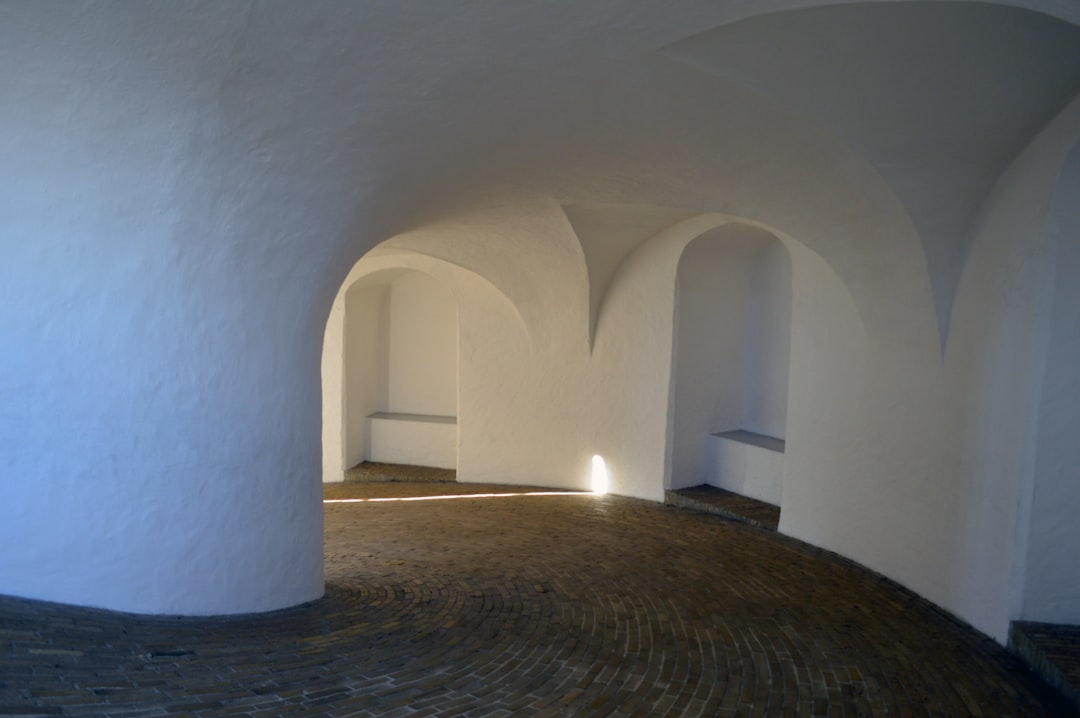
The galleries are characterized by their narrow, low ceilings, and often winding paths, designed to disorient and isolate individuals. They extend for considerable distances beneath the major ceremonial structures of the site, indicating a deliberate integration into the overall architectural plan. The galleries include distinct sections, some leading to significant ritual spaces such as the Lanzón, a towering monolith carved with anthropomorphic and zoomorphic deities.
Material Selection and Resonance
The primary construction material is cut stone, often granite. The careful dressing and placement of these stones, along with the consistent dimensions of the passages, suggest an awareness of the acoustic properties of the chosen materials. Researchers have noted the resonant qualities of the galleries, where certain frequencies appear to be amplified or sustained, contributing to an unusual sonic environment.
Ventilation and Airflow Systems
A crucial element of the gallery design is the elaborate ventilation system. Intricate networks of shafts and ducts connect the subterranean spaces to the outside world, ensuring a constant flow of fresh air. Beyond practical considerations, these systems may have served to carry atmospheric changes, such as the distant sounds of wind or water, into the otherwise isolated galleries, adding to the sensory experience.
The Chavín acoustic galleries, renowned for their remarkable sound engineering, have sparked interest in various studies related to ancient architecture and its impact on human perception. A fascinating article that delves into the connections between ancient structures and modern interpretations of sound is available at Real Lore and Order. This piece explores how the acoustic properties of historical sites like Chavín de Huantar can influence our understanding of cultural practices and communal experiences in ancient societies.
The Sonic Canvas: Manipulating Sound for Ritual
The term “acoustic galleries” is not coincidental; scientific investigations have confirmed the remarkable sonic properties of these spaces. The Chavín architects appear to have deliberately engineered these environments to generate, channel, and transform sound, creating an auditory landscape that was integral to their ritual practices.
Psychoacoustics and Sensory Amplification
Researchers have explored the psychoacoustic effects within the galleries. The confined spaces, coupled with the resonant materials, create an environment where even subtle sounds can be amplified and distorted. This amplified perception of sound, combined with the lack of visual stimuli, could induce states of heightened awareness, disorientation, or even hallucination, particularly when individuals were participating in ritual activities.
The Role of Pututus and Other Instruments
Archaeological evidence, including the discovery of conch shell trumpets (known as pututus), strongly suggests the deliberate use of musical instruments within the galleries. Experiments with replicas of these instruments have shown that the pututus produce a powerful, resonating sound that carries effectively through the subterranean passages. The varying pitch and timbre of these instruments could have been employed to create complex auditory patterns, perhaps mimicking animal calls or supernatural voices.
Sound as a Communicative Medium
Beyond mere amplification, the galleries may have functioned as a sophisticated communication system. The specific layout of passages and chambers could have allowed for the transmission of coded messages, chants, or oracular pronouncements from hidden priests to participants below. The directional nature of sound in these confined spaces could have created illusions of disembodied voices or omnipresent deities, fostering a sense of the divine.
The Ritualistic Crucible: Inducing Altered States of Consciousness
The “Mind Theater” concept postulates that the acoustic galleries were designed to facilitate profound spiritual experiences, often involving altered states of consciousness, as part of Chavín religious ceremonies. The combination of sensory deprivation, sonic manipulation, and potentially psychoactive substances would have created a potent environment for such transformations.
Sensory Deprivation and Disorientation
The complete darkness, confined spaces, and winding paths of the galleries would have naturally induced sensory deprivation. This lack of external stimulation can lead to an inward focus, a heightened awareness of internal sensations, and a blurring of the line between reality and perception. Such a state would have made participants particularly susceptible to the suggestive power of the auditory environment.
Psychoactive Substances and Entheogenic Rituals
While direct archaeological evidence for the use of psychoactive substances within the galleries is challenging to obtain, ethnohistorical accounts from later Andean cultures and the extensive iconography at Chavín depicting ayahuasca vines and San Pedro cactus strongly suggest their use in ritual contexts. The combination of sensory manipulation within the galleries and the physiological effects of entheogens could have led to vivid hallucinations, out-of-body experiences, and profound spiritual insights.
The Journey of Transformation
The architectural design of the galleries, with their progressive sequence of spaces leading to the Lanzón, evokes a ritualistic journey. Participants would have been guided through a series of sensory and psychological stages, culminating in a direct encounter with the cult image. This journey could have symbolized a death and rebirth, a communion with ancestral spirits, or a profound transformation of identity, facilitated by the immersive environment of the galleries.
Decoding the Iconography: Echoes of the Underworld
The rich and complex iconography found throughout Chavín de Huántar, particularly on the Lanzón and other stone carvings, provides crucial insights into the belief systems that underpinned the use of the acoustic galleries. These visual narratives likely resonated with the experiences generated within the “Mind Theater.”
The Lanzón and its Symbolic Significance
The Lanzón, a monumental carving at the heart of the Old Temple, depicts a fanged, anthropomorphic deity, often interpreted as a principal Chavín god. Its location at the culmination of the acoustic galleries suggests that direct interaction with this deity, perhaps through auditory or hallucinatory means, was a central aim of the ritualistic journeys. The menacing yet transformative imagery of the Lanzón would have undoubtedly shaped the interpretations of experiences within the galleries.
Animal Transformations and Shamanic Journeys
Chavín iconography frequently features composite creatures, often blending human and animal attributes, such as jaguars, caimans, and serpents. These motifs are widely interpreted as representing shamanic transformations and journeys into the spiritual realm. The sensory experiences within the acoustic galleries, particularly when coupled with psychoactive substances, could have actively facilitated these perceived transformations, allowing participants to embody or connect with these powerful animal spirits.
The Role of Water and Subterranean Iconography
The presence of water channels and drains within the Chavín complex, including some connected to the galleries, suggests a symbolic association with water as a life-giving and transformative element. Subterranean iconography, though less prevalent than monumental carvings, may have further reinforced the notion of an underworld or a liminal space where sacred knowledge was accessed and spiritual power was harnessed.
The Chavín acoustic galleries, known for their remarkable sound properties, have intrigued researchers and visitors alike, leading to various interpretations of their purpose. A related article explores the fascinating concept of the mind theater, which delves into how ancient cultures may have utilized sound and acoustics in ritualistic practices. For more insights on this captivating topic, you can read the full article here. This connection between acoustics and ancient belief systems opens up new avenues for understanding the significance of these archaeological wonders.
Modern Interpretations and Ongoing Research: A Multidisciplinary Approach
| Metric | Description | Value | Unit |
|---|---|---|---|
| Gallery Length | Total length of the acoustic galleries in the Chavín complex | 150 | meters |
| Average Reverberation Time | Time taken for sound to decay by 60 dB in the galleries | 1.2 | seconds |
| Frequency Range | Range of frequencies effectively transmitted in the galleries | 100 – 1000 | Hz |
| Sound Amplification | Increase in sound intensity due to gallery acoustics | 8 | decibels (dB) |
| Number of Acoustic Chambers | Distinct chambers designed for sound manipulation | 5 | count |
| Estimated Construction Period | Timeframe when the galleries were built | 900 – 200 BCE | years |
| Primary Material | Main construction material of the galleries | Limestone | n/a |
| Purpose | Hypothesized function of the acoustic galleries | Ritual sound amplification and mind theater | n/a |
The study of the Chavín acoustic galleries is an ongoing and multidisciplinary endeavor, drawing upon archaeology, acoustics, psychoacoustics, anthropology, and cognitive science. Researchers continue to refine their understanding of these extraordinary spaces, offering new perspectives on human perception, ritual, and the ancient mind.
Experimental Archaeology and Acoustic Modeling
Modern researchers employ experimental archaeology to recreate and test the acoustic properties of the galleries. This involves using replica instruments, recording sound propagation, and analyzing frequency responses. Computer modeling and simulations are also used to predict and understand the complex sonic behaviors within the subterranean architecture, offering insights into the deliberate manipulation of sound by the Chavín architects.
Cognitive Archaeology and Human Perception
Cognitive archaeology seeks to understand the mental processes and cognitive frameworks of ancient populations. In the context of the Chavín galleries, this involves exploring how sensory deprivation, sonic stimuli, and ritual context would have shaped perception, memory, and interpretation of experience. The “Mind Theater” concept is a prime example of this approach, attempting to reconstruct the subjective experiences of ancient participants.
Ethical Considerations and Indigenous Perspectives
As research into ancient ritual sites progresses, ethical considerations regarding cultural heritage and indigenous perspectives become increasingly important. While the Chavín civilization predates contemporary indigenous groups, understanding the continuity of Andean spiritual traditions can offer valuable insights. Researchers strive to engage with indigenous communities when appropriate, recognizing the ongoing relevance of these sacred sites for understanding their ancestral past.
The Chavín acoustic galleries represent far more than mere architectural marvels; they are tangible evidence of a sophisticated system designed to engage the human mind and spirit. By meticulously crafting subterranean spaces to manipulate sound, light, and sensory experience, the Chavín people created a powerful “Mind Theater” – a crucible for ritualistic transformation and spiritual communion. As researchers continue to unravel the mysteries of Chavín de Huántar, these ancient passages offer a profound glimpse into the intricate relationship between architecture, acoustics, and the human search for meaning in a complex and often mysterious world. The echoing whispers within these stone galleries continue to invite modern minds to contemplate the depths of ancient ingenuity and the enduring power of human belief.
SHOCKING: 50 Artifacts That Prove History Was Erased
FAQs
What are the Chavín Acoustic Galleries?
The Chavín Acoustic Galleries are a series of underground passageways and chambers located within the Chavín de Huántar archaeological site in Peru. These galleries are known for their unique acoustic properties, which are believed to have been intentionally designed by the ancient Chavín culture.
How do the acoustic properties of the Chavín Galleries work?
The galleries feature specific architectural elements that create distinctive sound effects, such as echoes and reverberations. These acoustic phenomena may have been used to enhance ritualistic or ceremonial experiences, possibly amplifying chants, music, or other sounds within the space.
What is meant by the term “Mind Theater” in relation to the Chavín Acoustic Galleries?
“Mind Theater” refers to the idea that the acoustic design of the galleries was intended to influence the mental and sensory experiences of those inside. The sound effects could have created altered states of consciousness or heightened spiritual awareness during rituals, effectively acting as a form of ancient sensory theater.
Why are the Chavín Acoustic Galleries significant in archaeology?
The galleries provide valuable insight into the advanced engineering and cultural practices of the Chavín civilization, which flourished around 900 to 200 BCE. Their sophisticated use of sound demonstrates an early understanding of acoustics and its role in religious or social activities, making the site an important study for archaeologists and anthropologists.
Can visitors experience the acoustic effects of the Chavín Galleries today?
Yes, visitors to the Chavín de Huántar site can explore the galleries and experience some of the acoustic phenomena firsthand. Guided tours often highlight these features, allowing people to appreciate the unique sound environment created by the ancient builders.