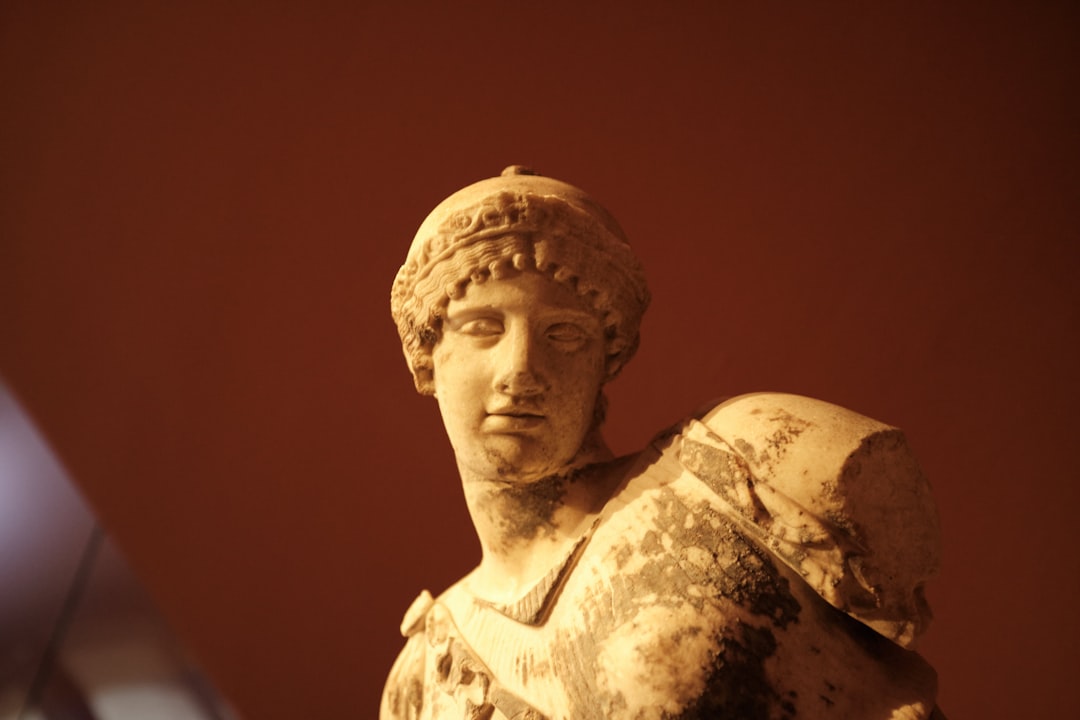
The Roman Quartermaster, known as the “quaestor” in ancient Rome, played a pivotal role in the military structure of one of history’s most formidable empires. This position was not merely a title but a critical function that ensured the smooth operation of the Roman legions. The quartermaster was responsible for the logistics and supply chains that sustained the army during campaigns, making them an indispensable figure in the success of military operations.
As Rome expanded its territories, the complexity of managing resources and supplies grew, highlighting the importance of this role in maintaining the efficiency and effectiveness of the Roman military. In a time when communication was slow and transportation methods were rudimentary, the quartermaster’s ability to organize and manage resources was vital. The Roman army was renowned for its discipline and organization, and much of this reputation stemmed from the meticulous planning and execution of supply logistics.
The quartermaster’s duties encompassed everything from procuring food and equipment to ensuring that soldiers were adequately supplied with weapons and armor. This article delves into the multifaceted responsibilities of the Roman quartermaster, exploring their impact on military campaigns and their lasting legacy in modern military practices.
Key Takeaways
- The Roman quartermaster played a crucial role in the organization and logistics of the Roman army.
- Supply chains and procurement were essential responsibilities of the Roman quartermaster in ancient Rome.
- Roman quartermasters had a significant influence on military strategy and the success of military campaigns.
- Daily life as a Roman quartermaster was filled with challenges, requiring resourcefulness and strategic thinking.
- The legacy of Roman quartermasters continues to impact modern military practices and logistics.
The Role and Responsibilities of the Roman Quartermaster
The role of the Roman quartermaster extended far beyond mere supply management; it encompassed a wide array of responsibilities that were crucial for the army’s operational success. Primarily, the quartermaster was tasked with overseeing the procurement of essential supplies, which included food, weapons, clothing, and medical supplies. This responsibility required not only an understanding of logistics but also a keen awareness of the needs of the troops and the challenges posed by different terrains and climates.
The quartermaster had to anticipate shortages and ensure that provisions were available at all times, especially during prolonged campaigns. In addition to procurement, the quartermaster was responsible for maintaining accurate records of supplies and expenditures. This aspect of their role was critical for accountability and efficiency within the military structure.
The quartermaster had to work closely with other officers to coordinate supply routes and manage transportation logistics, often employing local resources or negotiating with local populations for additional support. This multifaceted role required a blend of strategic thinking, negotiation skills, and practical knowledge of logistics, making the quartermaster a key player in the overall success of military endeavors.
Organization and Logistics of the Roman Army
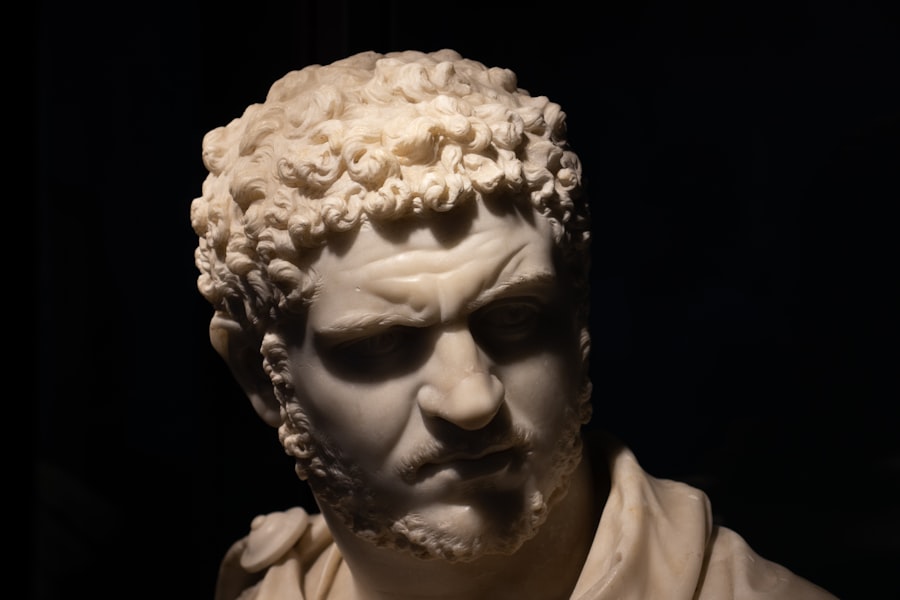
The organization of the Roman army was a marvel of ancient engineering and strategic planning, with the quartermaster at its heart. The Roman legions were divided into smaller units called cohorts, each with its own set of logistical needs. The quartermaster had to ensure that each cohort received adequate supplies tailored to its specific requirements.
This necessitated a deep understanding of both the capabilities of each unit and the geographical challenges they faced during campaigns.
Logistics in ancient Rome involved meticulous planning and execution.
The quartermaster had to establish supply depots along anticipated routes, ensuring that troops could access necessary provisions without delay. This often meant coordinating with local populations to secure food and resources, which could be a delicate task requiring diplomacy and tact. The organization of supply chains was not merely about moving goods from point A to point B; it involved strategic foresight to anticipate potential challenges and devise contingency plans.
The effectiveness of these logistics directly influenced the army’s ability to maintain its fighting strength over extended campaigns.
Supply Chains and Procurement in Ancient Rome
| Aspect | Details |
|---|---|
| Supply Chains | Roman supply chains were extensive, reaching across the empire to bring goods to the capital and other major cities. |
| Procurement | The Roman government had a complex procurement system to acquire goods and services for the military, public works, and other needs. |
| Transportation | Roman roads and sea routes were crucial for the transportation of goods within the empire, facilitating trade and supply chain logistics. |
| Trade Routes | Rome had established trade routes with regions such as Egypt, Asia Minor, and Gaul, enabling the flow of goods and resources. |
The supply chains established by Roman quartermasters were sophisticated for their time, reflecting a deep understanding of logistics that would not be seen again until much later in history. Procurement involved sourcing materials from various regions, often relying on local markets or agricultural outputs to meet the needs of the army. The quartermaster had to navigate complex trade networks, balancing cost against quality while ensuring that supplies were delivered in a timely manner.
This required not only logistical acumen but also an understanding of local economies and cultures. Moreover, procurement was not limited to food and basic supplies; it also included weapons and armor. The quartermaster had to ensure that soldiers were equipped with the best possible gear, which often meant negotiating with craftsmen or suppliers in different regions.
This aspect of their role highlighted the importance of relationships in ancient Rome; a well-connected quartermaster could secure better deals and more reliable supplies than one who operated in isolation. The ability to forge alliances with local leaders or merchants could mean the difference between success and failure on the battlefield.
The Importance of the Quartermaster in Roman Military Campaigns
The significance of the quartermaster in Roman military campaigns cannot be overstated. Their work ensured that soldiers were well-fed, well-equipped, and ready for battle, which directly impacted morale and combat effectiveness.
The quartermaster’s foresight in planning supply routes and establishing depots often determined how long an army could remain in enemy territory without suffering from shortages. Additionally, during times of crisis or unexpected challenges, such as ambushes or natural disasters, the quartermaster’s ability to adapt quickly became crucial. They had to think on their feet, redirecting supplies or finding alternative sources when traditional routes were compromised.
This adaptability not only preserved the fighting capability of the legions but also reinforced the reputation of Rome as a formidable military power capable of overcoming adversity through superior planning and execution.
Daily Life and Challenges of a Roman Quartermaster
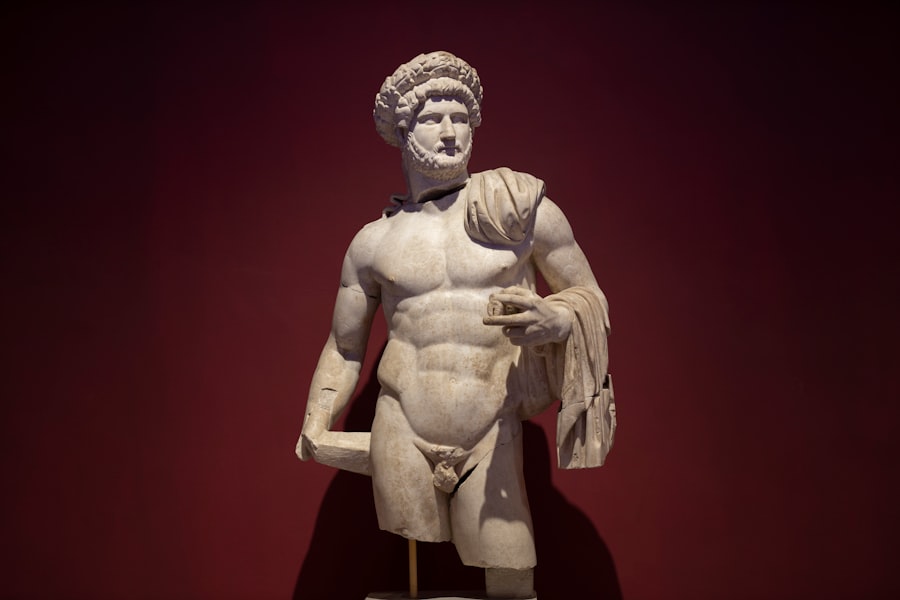
The daily life of a Roman quartermaster was filled with challenges that required both mental acuity and physical endurance. Each day brought new tasks, from inspecting supply depots to coordinating with local suppliers or overseeing transportation logistics. The quartermaster had to maintain constant communication with various units within the army, ensuring that each cohort received what it needed when it needed it.
This often meant long hours spent on horseback or on foot, traversing difficult terrain to assess conditions firsthand. Moreover, the quartermaster faced numerous external pressures that could complicate their duties. Hostile territories posed risks not only from enemy forces but also from environmental factors such as harsh weather or difficult landscapes.
Additionally, maintaining good relations with local populations was essential; any misstep could lead to hostility or resistance that would further complicate supply efforts. Balancing these various demands required a unique blend of leadership skills, resilience, and resourcefulness.
Tools and Techniques Used by Roman Quartermasters
Roman quartermasters employed a variety of tools and techniques to manage their responsibilities effectively. One key tool was detailed record-keeping systems that allowed them to track supplies meticulously. These records included inventories of available resources, expenditures, and forecasts for future needs based on troop movements and campaign plans.
Such documentation was essential for maintaining accountability within the military structure and ensuring that resources were allocated efficiently. In addition to record-keeping, quartermasters utilized various techniques for transportation and storage. They often relied on pack animals such as mules or horses to carry supplies over long distances, employing trained handlers who understood how to manage these animals effectively.
Storage facilities were strategically located along supply routes to minimize delays in resupplying troops. Techniques such as rationing were also employed to ensure that supplies lasted throughout extended campaigns, demonstrating a level of foresight that was critical for sustaining military operations.
The Influence of Roman Quartermasters on Military Strategy
The influence of Roman quartermasters extended beyond logistics; they played a significant role in shaping military strategy itself. Their insights into supply availability often informed commanders’ decisions regarding troop movements and engagement strategies. A well-informed quartermaster could provide valuable intelligence about local resources or potential supply routes that could be exploited during campaigns.
This information allowed military leaders to make more informed decisions about when and where to engage enemy forces. Furthermore, as campaigns progressed, quartermasters often found themselves at the forefront of strategic discussions regarding resource allocation and troop deployments. Their understanding of logistical constraints meant they could advise commanders on realistic objectives based on available supplies.
This collaborative relationship between quartermasters and military leaders underscored the importance of logistics in shaping overall military strategy during Rome’s expansive campaigns.
The Legacy of Roman Quartermasters in Modern Military Practices
The legacy of Roman quartermasters can be seen in modern military practices around the world today. Their emphasis on logistics has laid the groundwork for contemporary supply chain management within armed forces. Modern militaries continue to prioritize efficient procurement processes, meticulous record-keeping, and strategic planning—principles that were first established by their ancient counterparts.
The lessons learned from Roman logistics have been adapted over centuries, influencing how armies operate in various contexts. Moreover, modern military training programs often emphasize the importance of logistics as a critical component of operational success. Just as Roman quartermasters were integral to their armies’ effectiveness, today’s military leaders recognize that effective supply chain management is essential for maintaining combat readiness in diverse environments.
The enduring impact of Roman quartermasters serves as a testament to their vital role in shaping military history.
Notable Roman Quartermasters in History
Throughout history, several notable figures have emerged as exemplary Roman quartermasters whose contributions have been recognized for their significance in military operations. One such figure is Gaius Julius Caesar himself, who demonstrated exceptional logistical acumen during his campaigns in Gaul. His ability to manage supplies effectively allowed him to sustain his legions through challenging conditions while expanding Rome’s territories significantly.
Another prominent figure is Lucius Cornelius Sulla, who served as a quaestor before rising through the ranks to become a general and dictator. His experiences as a quartermaster informed his later military strategies, showcasing how logistical expertise could translate into broader leadership roles within the Roman military hierarchy.
The Enduring Impact of the Roman Quartermaster
In conclusion, the role of the Roman quartermaster was foundational to the success of one of history’s most powerful militaries. Their responsibilities encompassed a wide range of logistical tasks that ensured soldiers were adequately supplied and prepared for battle. Through meticulous planning, effective procurement strategies, and an understanding of local dynamics, these individuals played an essential part in shaping military campaigns throughout ancient Rome.
The legacy left by Roman quartermasters continues to resonate today within modern military practices worldwide. Their emphasis on logistics has influenced contemporary approaches to supply chain management and operational strategy across various fields beyond just military applications. As history has shown, effective logistics remains a cornerstone of successful operations—an enduring testament to the vital contributions made by those who served as quartermasters in ancient Rome.
In exploring the fascinating role of the Roman quartermaster, one can gain deeper insights into the logistics and supply chains that supported the Roman military. For a broader understanding of the historical context and the intricacies of Roman governance, you might find the article on the secrets of Roman administration particularly enlightening. This article delves into the various aspects of how the Romans managed their vast empire, including the crucial support systems that enabled their military successes.
WATCH THIS! 15 Ancient Weapons That BROKE History (And Were Hidden)
FAQs
What was the role of a Roman quartermaster?
The Roman quartermaster was responsible for overseeing the supply and logistics of the Roman army. This included ensuring that the soldiers had enough food, clothing, weapons, and other necessary supplies to carry out their duties effectively.
What were some of the key responsibilities of a Roman quartermaster?
Some of the key responsibilities of a Roman quartermaster included managing the distribution of supplies, organizing transportation of goods, maintaining inventory records, and ensuring that the army’s needs were met during campaigns and military operations.
How did Roman quartermasters ensure the army was well-supplied?
Roman quartermasters utilized a variety of methods to ensure the army was well-supplied, including establishing supply depots, coordinating with local suppliers, and implementing efficient transportation and distribution systems. They also had to anticipate the needs of the army and plan accordingly.
What were some of the challenges faced by Roman quartermasters?
Roman quartermasters faced challenges such as navigating difficult terrain, dealing with unpredictable weather conditions, and managing the logistics of large-scale military campaigns. They also had to contend with the threat of enemy attacks on supply lines.
What were some of the secrets of the Roman quartermaster?
The secrets of the Roman quartermaster included their ability to adapt to changing circumstances, their skill in resource management, and their use of innovative tactics to ensure the army remained well-supplied. They also had a deep understanding of the logistical challenges of military operations.