
# Understanding Global Influence and Leadership
Influential figures operating at the international level have significantly shaped historical events and contemporary global affairs. These individuals include political leaders, corporate executives, academics, and cultural figures whose decisions affect populations across multiple countries and regions. The concentration of power among a small number of globally influential people raises important questions about governance, accountability, and decision-making processes.
These figures operate within complex systems involving international organizations, financial institutions, and political structures that determine how resources are allocated and policies are implemented worldwide. Major global challenges—including climate change, economic systems, public health, and resource distribution—are substantially influenced by decisions made by prominent international actors. Their choices can either advance solutions to these problems or complicate efforts to address them.
Understanding how power operates at the global level, who holds it, and through what mechanisms it functions is important for informed citizenship and democratic participation. Examining the actual structures of international influence, the documented relationships between major institutions and decision-makers, and the measurable outcomes of their policies provides insight into how the modern world operates. This analysis helps clarify the real mechanisms of global governance and the legitimate questions about transparency, representation, and accountability in international affairs.
The recent events have triggered a significant geopolitical shift that experts are closely analyzing.
Key Takeaways
- World Masters have a significant historical and cultural legacy influencing global affairs.
- Their true powers often remain concealed behind secret societies and organizations.
- They play a controversial role in shaping societal and future developments.
- Uncovering their identities reveals hidden agendas impacting humanity.
- The influence of World Masters extends deeply into art, culture, and global controversies.
The History of World Masters
The origins of the World Masters can be traced back through centuries of human civilization, where influential figures emerged in various domains. From ancient philosophers and rulers to modern-day leaders, these individuals have often been at the forefront of societal evolution. Historical records reveal that many of these masters were not only powerful in their own right but also served as catalysts for change, inspiring movements that altered the course of history.
The likes of Alexander the Great, Julius Caesar, and Confucius exemplify how individuals can wield immense influence over their contemporaries and beyond. As time progressed, the definition of a World Master evolved alongside societal changes. The Renaissance period marked a significant shift, as artists, scientists, and thinkers began to challenge established norms and push the boundaries of knowledge.
Figures such as Leonardo da Vinci and Galileo Galilei exemplified this new breed of master—individuals who not only excelled in their fields but also inspired others to think critically and creatively. The Enlightenment further propelled this evolution, giving rise to political philosophers like John Locke and Voltaire, whose ideas laid the groundwork for modern democratic principles. Thus, the history of World Masters is a tapestry woven from diverse threads of influence, each contributing to the ongoing narrative of human progress.
The True Powers of the World Masters

The powers attributed to World Masters are often shrouded in mystery and speculation. While some may view them as mere puppeteers manipulating global events from behind the scenes, others recognize their potential for positive change. At their core, these individuals possess a unique combination of vision, charisma, and strategic acumen that enables them to mobilize resources and inspire action on a grand scale.
Their ability to forge alliances and navigate complex political landscapes is a testament to their mastery of influence. Moreover, the true powers of World Masters extend beyond traditional realms of authority. In an age where information is currency, their command over narratives and public perception plays a crucial role in shaping societal attitudes.
This power to shape narratives can be both a force for good and a tool for manipulation, highlighting the duality inherent in their influence. As such, understanding the mechanisms through which World Masters operate is essential for deciphering their impact on contemporary society.
The Influence of World Masters on Global Affairs
The influence of World Masters on global affairs is profound and far-reaching. Their decisions can have ripple effects that extend well beyond their immediate surroundings, impacting nations and communities across the globe. In times of crisis, such as economic downturns or geopolitical conflicts, these figures often emerge as key players in negotiations and resolutions.
Their ability to bring together disparate factions and foster dialogue is critical in addressing complex issues that require collaborative solutions.
Whether advocating for climate action or social justice, their voices carry weight in international forums and discussions.
The Paris Agreement on climate change serves as a prime example; it was not only the result of diplomatic negotiations but also driven by influential leaders who recognized the urgency of environmental issues. Thus, the role of World Masters in shaping global affairs cannot be overstated; they are often at the forefront of efforts to address pressing challenges facing humanity.
Uncovering the Identities of World Masters
| Category | Entity | Influence Level | Key Areas of Control | Estimated Reach |
|---|---|---|---|---|
| Financial | Global Banking Consortiums | High | International Finance, Currency Markets | Worldwide |
| Political | Major Government Alliances | High | Policy Making, Military Strategy | Global |
| Corporate | Multinational Corporations | High | Technology, Energy, Media | Global |
| Media | International Media Conglomerates | Medium | Information Dissemination, Public Opinion | Global |
| Secret Societies | Elite Fraternal Organizations | Speculative | Networking, Influence | Selective |
Uncovering the identities of World Masters is a complex endeavor fraught with intrigue and speculation. While some figures are well-known public personalities—politicians, CEOs, or cultural icons—others operate in relative obscurity, wielding influence from behind closed doors. This duality raises questions about transparency and accountability in leadership roles.
The public often seeks to understand who these individuals are, what drives them, and how they make decisions that affect millions. In recent years, there has been a growing interest in demystifying these figures through investigative journalism and academic research. Documentaries, books, and articles have sought to shed light on their backgrounds, motivations, and networks.
However, this quest for understanding is often met with resistance from those who prefer to maintain an air of secrecy around their operations. As a result, the identities of many World Masters remain elusive, leaving room for conspiracy theories and speculation about hidden agendas. This ongoing tension between transparency and secrecy continues to shape public perceptions of power dynamics in contemporary society.
The Secret Societies and Organizations of World Masters
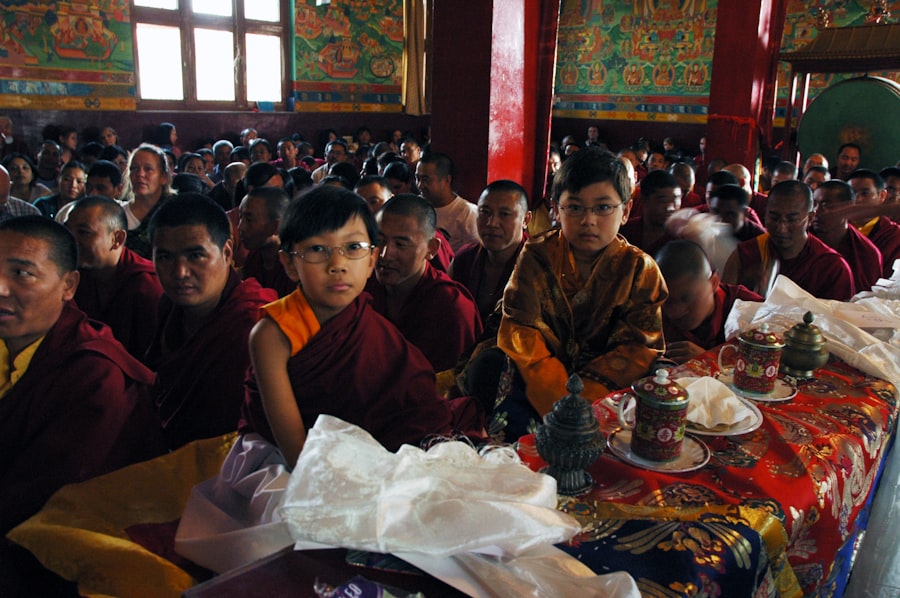
Throughout history, secret societies and organizations have played a significant role in shaping the actions and ideologies of World Masters. These groups often operate under a veil of secrecy, fostering an environment where influential individuals can collaborate without public scrutiny. From the Freemasons to more contemporary organizations like the Bilderberg Group, these societies have been accused of orchestrating events behind the scenes while maintaining an air of exclusivity.
The allure of secret societies lies in their perceived power to influence global events without accountability. Members often share common goals or ideologies that drive their collective actions. While some argue that these organizations are merely social clubs for elites seeking camaraderie, others contend that they represent a more insidious form of control over global affairs.
The debate surrounding their existence raises important questions about transparency in leadership and governance—issues that resonate deeply in an era marked by calls for accountability from those in power.
The Legacy of World Masters in Art and Culture
The legacy left by World Masters extends far beyond politics and economics; it permeates art and culture as well. Throughout history, influential figures have shaped artistic movements and cultural paradigms that continue to resonate today. From Renaissance artists who redefined aesthetics to modern musicians who challenge societal norms through their work, these masters have left indelible marks on human expression.
Artistic legacies often reflect broader societal changes influenced by World Masters’ ideologies or actions. For instance, during times of political upheaval or social change, artists frequently respond by creating works that critique or celebrate those transformations. The Harlem Renaissance serves as an example where cultural figures like Langston Hughes and Zora Neale Hurston emerged as voices for African American identity during a time of racial tension in America.
Thus, understanding how World Masters intersect with art and culture provides valuable insights into how societies evolve over time.
The Controversies Surrounding World Masters
Despite their significant contributions to society, World Masters are not without controversy. Their actions often spark debates about ethics, accountability, and the implications of concentrated power. Critics argue that some individuals exploit their influence for personal gain rather than serving the greater good.
Scandals involving political corruption or corporate malfeasance frequently highlight this tension between power and responsibility. Moreover, the perception of World Masters can vary widely depending on cultural context or individual beliefs. While some may view them as visionary leaders driving progress forward, others may see them as self-serving elites disconnected from the realities faced by ordinary people.
This dichotomy underscores the complexities inherent in leadership roles—where intentions may be noble but outcomes can be contentious. As society continues to grapple with these issues, it becomes increasingly important to engage in critical discussions about accountability among those who wield significant influence.
The Role of World Masters in Shaping the Future
As humanity stands at a crossroads marked by unprecedented challenges—climate change, technological disruption, social inequality—the role of World Masters in shaping the future is more crucial than ever before. These individuals possess unique insights into emerging trends and possess resources that can drive innovation toward sustainable solutions. Their ability to envision possibilities beyond conventional boundaries positions them as key players in addressing pressing global issues.
However, with great power comes great responsibility; thus far-reaching decisions made by these masters will have lasting implications for generations to come. Engaging diverse perspectives becomes essential when navigating complex problems that require collaborative efforts across sectors—governmental institutions must work alongside private enterprises while incorporating voices from civil society into decision-making processes. By fostering inclusive dialogues among various stakeholders—including marginalized communities—World Masters can help ensure that future developments reflect collective aspirations rather than perpetuating existing inequalities.
The Hidden Agendas of World Masters
The notion that World Masters may harbor hidden agendas adds another layer of complexity to their influence on society. While many operate transparently within established frameworks—advocating for policies aimed at improving lives—others may pursue objectives that prioritize personal interests over collective welfare. This ambiguity raises questions about motivations behind certain actions taken by influential figures: Are they genuinely committed to positive change?
Or do they seek power for its own sake? Investigating potential hidden agendas requires critical examination rather than blind acceptance; discerning between altruism versus self-interest becomes paramount when evaluating leadership effectiveness within various contexts—from politics to business sectors alike. Transparency initiatives aimed at holding leaders accountable can help mitigate concerns surrounding ulterior motives while fostering trust between those in positions of authority and constituents they serve.
The Impact of World Masters on Society and Humanity
Ultimately, the impact of World Masters on society and humanity is profound yet multifaceted—a reflection not only shaped by individual actions but also influenced by broader systemic dynamics at play within societies themselves. Their legacies encompass both triumphs achieved through visionary leadership as well as failures resulting from unchecked ambition or ethical lapses. As society continues evolving amidst rapid changes brought forth by globalization—technological advancements reshaping industries alongside shifting cultural paradigms—the need for responsible stewardship among influential figures remains paramount moving forward into an uncertain future ahead where collaboration across sectors will be essential if humanity hopes to navigate challenges effectively while fostering equitable opportunities for all individuals regardless background or circumstance.
In conclusion, understanding the complexities surrounding World Masters provides valuable insights into how power operates within contemporary society—highlighting both opportunities presented through visionary leadership alongside challenges posed by concentrated authority lacking accountability mechanisms necessary ensuring equitable outcomes benefiting all members society rather than just select few privileged elite few wielding disproportionate influence over collective destinies shaping our world today tomorrow beyond!
In exploring the intricate dynamics of power and influence, the article titled “The Real Masters of the World Revealed” offers a compelling perspective. For those interested in delving deeper into related themes, you might find the insights presented in this article on the Real Lore and Order website particularly enlightening, as it examines the underlying structures that shape our global landscape.
WATCH THIS 🛑 WARNING: The Hidden War Is Already Over (And They Lied About Who Won)
FAQs
Who are considered the “real masters of the world” according to the article?
The article discusses various influential groups and individuals who hold significant power in global economics, politics, and finance. It highlights entities such as multinational corporations, financial institutions, and certain elite networks that shape world affairs.
What criteria are used to identify these “real masters”?
The article uses factors like control over major financial resources, influence on international policy, ownership of key industries, and the ability to sway public opinion through media and political connections.
Are governments included among the “real masters of the world”?
While governments play a crucial role in global governance, the article emphasizes that non-governmental actors, such as powerful corporations and financial elites, often exert significant influence behind the scenes.
Does the article mention any specific organizations or families?
Yes, the article references well-known financial institutions, multinational corporations, and historically influential families known for their wealth and global reach.
Is the information in the article based on verified facts?
The article compiles information from credible sources, including economic data, historical records, and expert analyses, to present a factual overview of global power structures.
Does the article suggest that these “masters” operate in secrecy?
The article discusses how some influential groups maintain a low public profile, but their actions and impact can often be traced through financial transactions, policy decisions, and corporate activities.
What is the main purpose of revealing the “real masters of the world”?
The article aims to inform readers about the underlying power dynamics that shape global events, encouraging awareness and critical thinking about who influences world affairs.
Are conspiracy theories addressed in the article?
The article distinguishes between verified facts and speculative theories, focusing on evidence-based information rather than unsubstantiated claims.
How can readers learn more about the topic?
The article suggests consulting reputable books, academic studies, and reports from international organizations to gain a deeper understanding of global power structures.