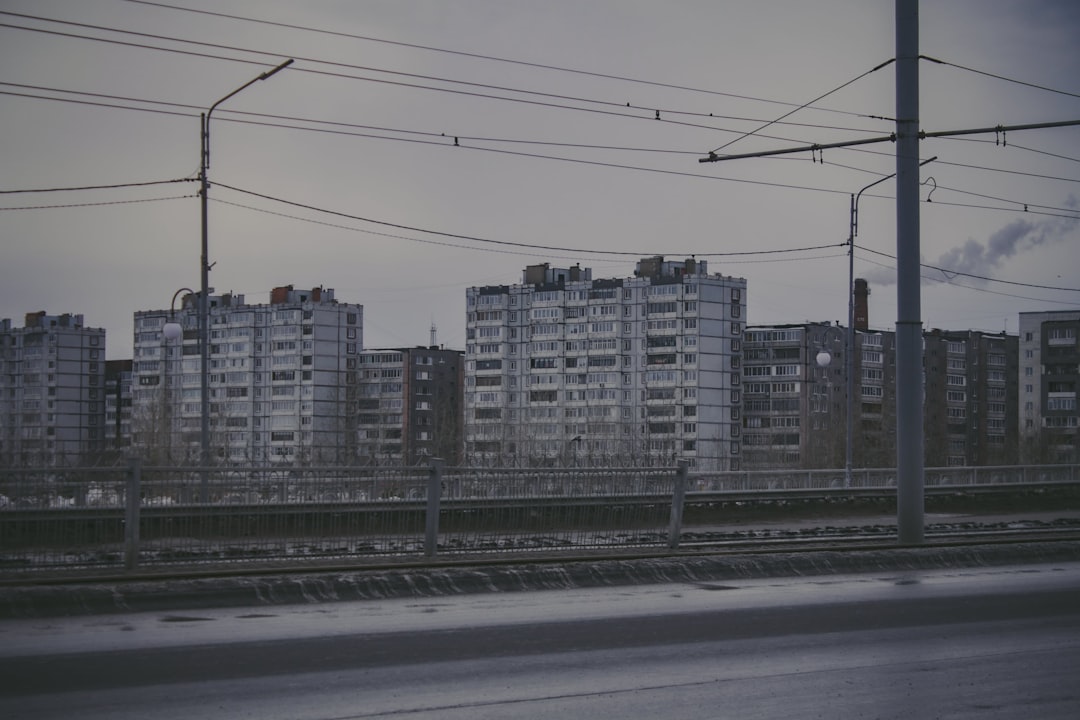
Urban decay is a widespread urban phenomenon characterized by the deterioration of physical infrastructure, economic decline, and weakening of social structures within cities. This process typically includes abandoned or deteriorating buildings, damaged transportation networks, and reduced maintenance of public spaces in previously prosperous neighborhoods. The causes of urban decay vary significantly across different cities and regions, stemming from factors such as economic restructuring, population migration patterns, industrial decline, and municipal policy changes.
Urban decay creates substantial challenges for public health, safety, and community welfare. Deteriorating neighborhoods frequently experience increased crime rates, reduced property values, and diminished access to essential services.
The effects impact both the physical environment and the social and economic well-being of remaining residents. Effective responses to urban decay require comprehensive strategies that address multiple contributing factors simultaneously. These approaches must consider the historical development patterns of affected areas, current economic conditions, available resources, and the specific needs of local communities.
Urban planners, government officials, and community organizations must collaborate to develop sustainable solutions that can halt and reverse the decline process.
Key Takeaways
- Urban decay results from complex social, economic, and environmental factors leading to deteriorated city areas.
- Historical industrial shifts and economic decline have significantly contributed to urban decay.
- Urban decay negatively impacts community well-being, local economies, and environmental quality.
- Revitalization efforts and gentrification play critical roles but have mixed effects on affected communities.
- Effective policy and community engagement are essential for sustainable urban renewal and future resilience.
Historical Context of Urban Decay
To fully grasp the phenomenon of urban decay, one must consider its historical roots. The rise of industrialization in the 19th and early 20th centuries led to rapid urbanization as people flocked to cities in search of jobs and better living conditions. However, this influx often resulted in overcrowded living conditions and inadequate infrastructure.
As industries evolved or relocated, many urban areas faced economic decline, leading to job losses and population exodus. This historical backdrop set the stage for the urban decay that would follow in subsequent decades. The post-World War II era marked a significant turning point in urban development.
The advent of suburbanization drew many residents away from city centers, leaving behind a landscape of abandoned buildings and neglected neighborhoods. The construction of highways further facilitated this migration, creating a divide between urban and suburban areas. As cities struggled to adapt to these changes, many faced declining tax revenues and increased demand for social services, which only intensified the challenges associated with urban decay.
Understanding this historical context is essential for recognizing the patterns that continue to shape urban landscapes today.
Factors Contributing to Urban Decay
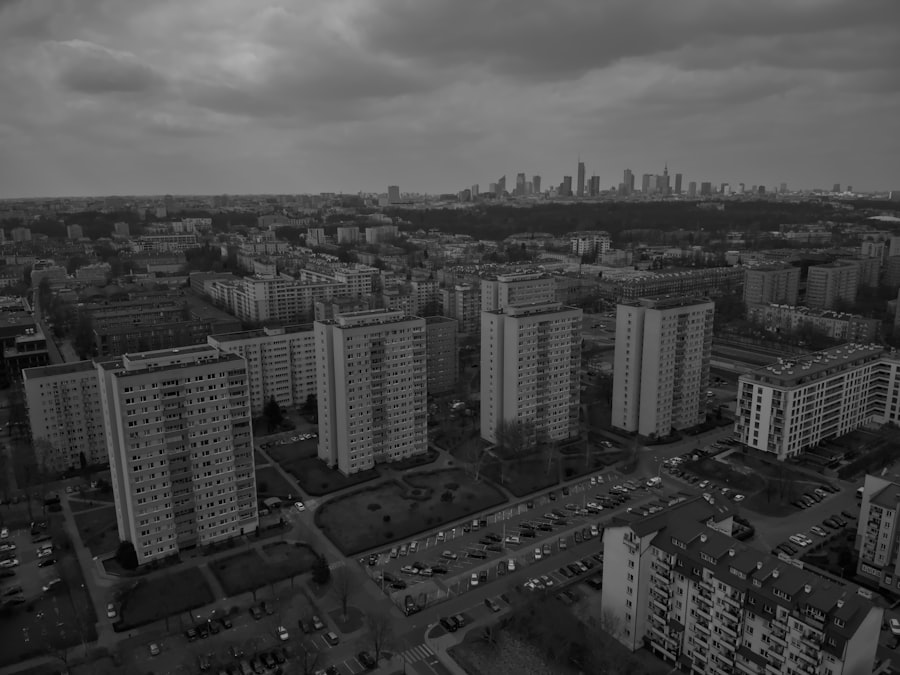
Numerous factors contribute to the phenomenon of urban decay, each interwoven with the others in complex ways. Economic shifts play a pivotal role; as industries close or relocate, job opportunities diminish, leading to increased unemployment rates and reduced disposable income for residents. This economic decline often results in a decrease in property values, which can trigger a cascade of negative effects, including reduced investment in maintenance and infrastructure.
Demographic changes also significantly impact urban decay. As populations shift—whether due to migration patterns or changing birth rates—certain neighborhoods may experience depopulation while others become overcrowded. This uneven distribution can lead to an oversupply of housing in some areas and a shortage in others, exacerbating issues related to affordability and accessibility.
Additionally, social factors such as crime rates and educational opportunities can influence residents’ decisions to remain in or leave an area, further contributing to the cycle of decay.
Social and Economic Impact of Urban Decay
The social implications of urban decay are profound and far-reaching. Communities experiencing decay often face increased crime rates as economic opportunities dwindle and social cohesion erodes. Residents may feel unsafe in their neighborhoods, leading to a decline in community engagement and participation.
This disengagement can create a vicious cycle where lack of investment in community resources further exacerbates feelings of isolation and neglect. Economically, urban decay can have devastating effects on local businesses and property values. As neighborhoods decline, potential investors may shy away from making investments due to perceived risks associated with crime or instability.
This reluctance can stifle economic growth and innovation within these areas, perpetuating a cycle of poverty and disinvestment. Furthermore, the loss of businesses can lead to job losses, further straining local economies and limiting opportunities for residents.
Environmental Consequences of Urban Decay
| Metric | Value | Description |
|---|---|---|
| Documentary Title | Urban Decline: The Forgotten Cities | Name of the documentary focusing on urban decline |
| Release Year | 2023 | Year the documentary was released |
| Duration | 90 minutes | Total runtime of the documentary |
| Number of Cities Featured | 5 | Count of urban areas examined in the film |
| Population Decline Rate | 15% | Average population decrease in featured cities over 10 years |
| Unemployment Rate Increase | 8% | Average rise in unemployment in the featured cities |
| Average Property Vacancy Rate | 20% | Percentage of vacant properties in urban areas shown |
| Viewer Rating | 4.3/5 | Average audience rating on major platforms |
| Director | Jane Smith | Director of the documentary |
Urban decay does not only affect social structures and economies; it also has significant environmental consequences. Abandoned buildings and neglected lots can become sites for pollution and hazardous waste accumulation. These areas may harbor toxic substances that pose risks to public health and safety.
Additionally, the lack of maintenance in decaying neighborhoods can lead to increased stormwater runoff and flooding due to inadequate drainage systems. The environmental impact extends beyond immediate health concerns; it also affects local ecosystems. Green spaces may become overgrown or neglected, reducing biodiversity and limiting recreational opportunities for residents.
Furthermore, urban heat islands can develop in areas with significant decay due to the absence of vegetation and green infrastructure. Addressing these environmental challenges is crucial for creating sustainable urban environments that promote both ecological health and community well-being.
Case Studies of Urban Decay

Examining specific case studies provides valuable insights into the dynamics of urban decay. One notable example is Detroit, Michigan, which has faced significant challenges since the decline of its automotive industry in the latter half of the 20th century.
Efforts to revitalize the city have included initiatives aimed at attracting new businesses and residents while addressing issues related to crime and education. Another illustrative case is Camden, New Jersey, which has grappled with urban decay for decades due to industrial decline and socioeconomic challenges. The city has implemented various revitalization strategies focused on community engagement and investment in public services.
These efforts have included partnerships with local organizations to improve education and job training programs while addressing public safety concerns. By examining these case studies, one can better understand the multifaceted nature of urban decay and the diverse approaches taken to combat it.
Efforts to Revitalize Urban Areas
In response to the challenges posed by urban decay, numerous revitalization efforts have emerged across various cities. These initiatives often involve collaboration between government agencies, non-profit organizations, and community members aimed at fostering economic growth and improving quality of life. Strategies may include investing in infrastructure improvements, enhancing public transportation options, and promoting mixed-use developments that encourage both residential living and commercial activity.
Community engagement plays a critical role in successful revitalization efforts. By involving residents in decision-making processes, cities can ensure that revitalization strategies align with the needs and desires of those who live there. This participatory approach not only fosters a sense of ownership among residents but also helps build social capital within communities.
Successful revitalization efforts often prioritize inclusivity and equity, ensuring that all residents benefit from improvements rather than exacerbating existing disparities.
The Role of Gentrification in Urban Decay
Gentrification is a contentious issue often intertwined with discussions about urban decay. While revitalization efforts aim to improve neighborhoods, they can sometimes lead to unintended consequences such as displacement of long-time residents due to rising property values and rents. This phenomenon raises important questions about equity and access within urban environments.
As neighborhoods undergo gentrification, long-standing communities may find themselves pushed out in favor of new developments catering to wealthier populations. This displacement can erode social networks and cultural identities that have developed over generations. Balancing revitalization efforts with measures that protect vulnerable populations is essential for creating equitable urban spaces that honor both history and progress.
Community Perspectives on Urban Decay
Understanding community perspectives on urban decay is vital for developing effective solutions. Residents often possess unique insights into the challenges they face daily as well as potential pathways for improvement. Engaging with community members through forums, surveys, or participatory planning processes can yield valuable information about local needs and priorities.
Moreover, community narratives surrounding urban decay can shape perceptions both within and outside neighborhoods. Positive stories of resilience and grassroots activism can inspire hope and motivate collective action among residents seeking change. Conversely, negative portrayals can perpetuate stigma and hinder investment in struggling areas.
By amplifying community voices and fostering dialogue around urban decay, cities can work towards more inclusive solutions that reflect the aspirations of all residents.
Policy Recommendations to Address Urban Decay
Addressing urban decay requires comprehensive policy interventions that tackle its root causes while promoting sustainable development practices. Policymakers should prioritize affordable housing initiatives that prevent displacement while encouraging mixed-income developments that foster diversity within neighborhoods. Additionally, investing in public transportation infrastructure can enhance accessibility for residents while attracting new businesses.
Furthermore, policies aimed at supporting local businesses are crucial for revitalizing struggling economies. Providing grants or low-interest loans to entrepreneurs can stimulate job creation while fostering a sense of community ownership over local commerce. Finally, integrating environmental considerations into urban planning processes can help mitigate the ecological impacts associated with decay while promoting green spaces that enhance quality of life.
The Future of Urban Decay
The future of urban decay remains uncertain as cities grapple with evolving challenges related to economic shifts, demographic changes, and environmental sustainability. However, by prioritizing inclusive policies that engage communities in decision-making processes, cities can work towards breaking the cycle of decay while fostering resilience among residents. Ultimately, addressing urban decay requires a commitment from all stakeholders—government officials, community members, businesses—to collaborate on innovative solutions that promote equity and sustainability within urban environments.
As cities continue to evolve in response to global trends such as climate change and technological advancements, proactive measures will be essential for ensuring that all residents have access to vibrant, thriving communities free from the grips of decay.
In exploring the themes of urban decline, the documentary sheds light on the socio-economic factors contributing to the deterioration of city landscapes. For a deeper understanding of these issues, you can read a related article that discusses the impact of urban decay on communities and potential solutions. Check it out here: Urban Decline and Community Impact.
FAQs
What is an urban decline documentary?
An urban decline documentary is a film or video production that explores the causes, effects, and consequences of the deterioration of cities or urban areas. These documentaries often examine issues such as economic downturns, population loss, infrastructure decay, social challenges, and policy failures.
What topics are commonly covered in urban decline documentaries?
Common topics include deindustrialization, suburbanization, housing abandonment, crime rates, poverty, changes in demographics, urban planning decisions, and efforts at revitalization or redevelopment.
Why are urban decline documentaries important?
They provide insight into the complex factors that contribute to the decline of cities, raise awareness about social and economic challenges, and often highlight potential solutions or community responses to urban decay.
Who typically produces urban decline documentaries?
These documentaries can be produced by independent filmmakers, academic institutions, media organizations, or public broadcasting entities interested in social issues and urban studies.
Where can I watch urban decline documentaries?
They are often available on streaming platforms, educational websites, public television channels, film festivals, or through libraries and university resources.
What impact do urban decline documentaries have on public perception?
They can influence public understanding by providing historical context, humanizing affected communities, and encouraging dialogue about urban policy and redevelopment strategies.
Are urban decline documentaries focused on specific cities?
Some documentaries focus on particular cities or regions to provide detailed case studies, while others take a broader approach by examining urban decline trends across multiple locations.
How do urban decline documentaries differ from urban renewal documentaries?
Urban decline documentaries focus on the causes and effects of deterioration in cities, whereas urban renewal documentaries emphasize efforts to revitalize and improve urban areas. Some films may cover both aspects to show the full cycle of urban change.