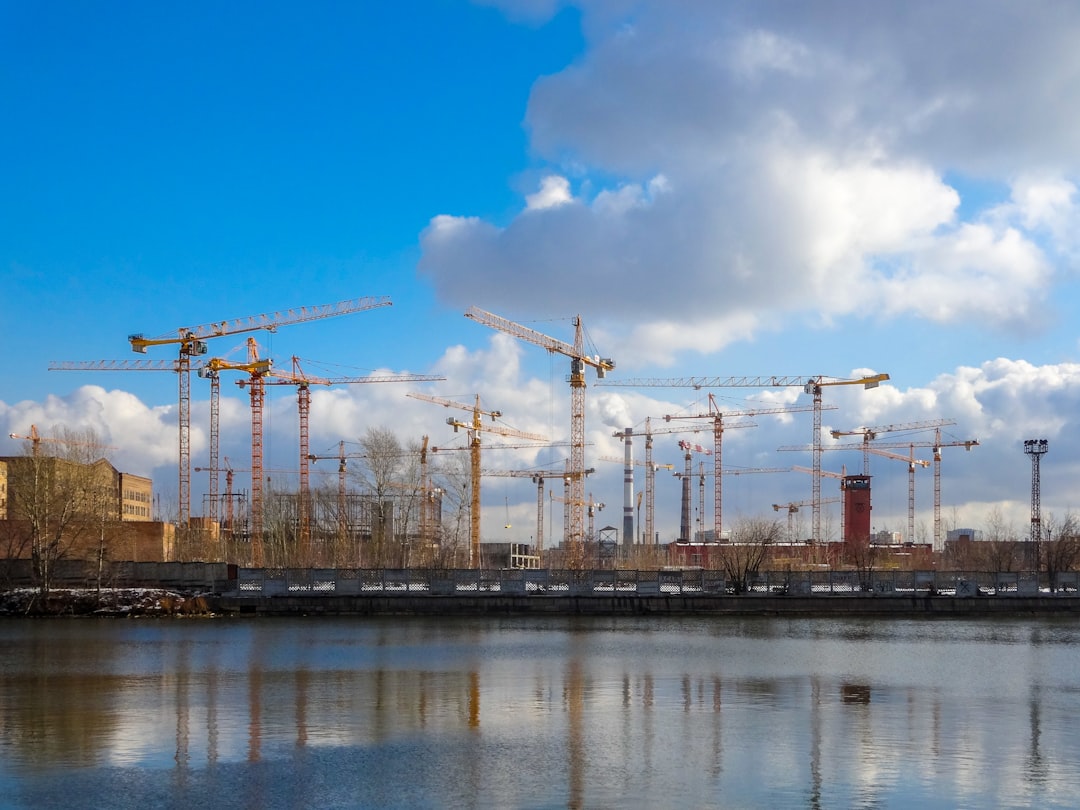
The US Gulf Coast, a long-standing hub for energy and petrochemical production, is currently experiencing a significant surge in industrial expansion. This acceleration is not a sudden jolt but rather a culmination of factors, including favorable economic conditions, policy shifts, and a renewed focus on domestic manufacturing. The region’s strategic location, established infrastructure, and skilled workforce have historically positioned it as a critical industrial corridor, and this trend appears poised to continue, reshaping the economic landscape of states from Texas to Florida.
The current wave of industrial expansion on the US Gulf Coast is largely underpinned by a robust economic environment. This is not a fleeting gust of wind but a steady, powerful breeze that is filling the sails of new projects. The combination of sustained global demand for petrochemical products and the availability of affordable feedstock, particularly natural gas liquids (NGLs) derived from the shale revolution, has created a fertile ground for investment. The recent report highlights the impact of [Germany factory closures] on the European economy.
The Shale Revolution’s Enduring Impact
The advent of hydraulic fracturing and horizontal drilling, commonly known as the shale revolution, has fundamentally altered the energy landscape. For the Gulf Coast, this has translated into an unprecedented abundance of low-cost natural gas and NGLs. These are the essential building blocks for a vast array of chemical products, from plastics and fertilizers to synthetic fibers and fuels.
- Feedstock Advantage: The widespread availability and relatively low cost of NGLs, such as ethane and propane, provide a significant competitive advantage for Gulf Coast producers. These are not simply commodities; they are the lifeblood of the petrochemical industry.
- Export Infrastructure: The development of extensive export terminals along the coast has enabled producers to capitalize on growing international demand, transforming the region into a global supplier. This infrastructure acts as a vital artery, connecting Gulf Coast production to markets worldwide.
- Downstream Opportunities: The abundance of upstream resources has catalyzed investment in downstream processing and manufacturing, creating a ripple effect throughout the value chain. This includes not only basic chemicals but also more specialized and higher-value products.
Global Demand for Petrochemicals
Despite increasing attention on sustainability and alternative materials, the global demand for petrochemicals remains exceptionally strong. This is driven by a growing middle class in developing economies, urbanization, and the continued reliance on plastics and other petroleum-derived products in modern life. The Gulf Coast is strategically positioned to meet this demand.
- Population Growth: The sheer increase in global population, particularly in Asia and Africa, directly correlates with higher consumption of goods that rely on petrochemical inputs.
- Consumer Goods: From packaging and textiles to automobiles and electronics, a vast array of everyday items are manufactured using petrochemicals. The Gulf Coast’s capacity to produce these raw materials is therefore critical for global supply chains.
- Infrastructure Development: As developing nations continue to build out their infrastructure, the demand for materials like PVC and polyethylene, derived from petrochemicals, will remain substantial.
Investment Climate and Market Confidence
Beyond the fundamental economic drivers, the current investment climate on the Gulf Coast is characterized by a high degree of market confidence. Companies are making substantial, long-term commitments, signaling a belief in the region’s sustained viability and profitability.
- Capital Allocation: Major energy and chemical companies are directing significant capital investments towards new facilities and expansions along the Gulf Coast, reflecting a strategic prioritization of the region.
- Mergers and Acquisitions: The dynamic nature of the industry is also evident in ongoing mergers and acquisitions, which often consolidate production capacity and further strengthen the competitive standing of Gulf Coast operations.
- Investor Relations: Analysts and investors are generally viewing the Gulf Coast as a stable and profitable investment destination, contributing to a positive feedback loop for further development.
The recent industrial expansion along the US Gulf Coast has been a topic of significant interest, particularly in light of its implications for the local economy and environment. For a deeper understanding of the factors driving this growth and its potential impact, you can read a related article that explores these themes in detail. Check it out here: US Gulf Coast Industrial Expansion.
Infrastructure Enhancements: The Backbone of Expansion
The industrial growth witnessed on the US Gulf Coast is inextricably linked to the region’s robust and continuously evolving infrastructure. This infrastructure is not merely a collection of pipes and wires; it is the circulatory system of the industrial complex. Without it, the immense production capabilities would remain largely dormant.
Port Facilities and Logistics
The numerous deepwater ports along the Gulf Coast serve as critical gateways for both importing raw materials and exporting finished products. These facilities are undergoing continuous upgrades and expansions to accommodate the increasing volume of goods.
- Deepwater Access: The natural depth of the waterways along the Gulf Coast allows for the passage of large cargo vessels, a prerequisite for efficient international trade.
- Container Terminals: Investment in modern container terminals, including advanced crane technology and efficient yard management systems, is crucial for handling the diverse range of manufactured goods.
- Bulk Terminals: Dedicated terminals for bulk commodities, such as grains, fertilizers, and chemicals, are essential for efficiently moving large quantities of essential materials.
- Intermodal Connectivity: The seamless integration of port facilities with rail networks and trucking routes is paramount for ensuring timely delivery and reducing logistical bottlenecks. This creates a multi-modal network, akin to different lanes on a highway, facilitating efficient movement.
Pipeline Networks
An extensive network of pipelines crisscrosses the Gulf Coast, transporting raw materials like crude oil, natural gas, and NGLs to processing facilities and finished products to storage and export terminals. This intricate web is the industrial nervous system of the region.
- NGL Pipelines: The increasing production of NGLs from shale plays has necessitated substantial investments in expanding and constructing new NGL pipelines. These are the arteries that carry the lifeblood of new chemical production.
- Ethylene and Propylene Pipelines: Specialized pipelines for transporting key petrochemical intermediates like ethylene and propylene connect production sites with downstream manufacturing facilities, enabling greater integration and efficiency.
- Product Pipelines: Pipelines for transporting refined products, such as gasoline and diesel, further enhance the region’s role as an energy hub.
- Capacity Expansion: Existing pipelines are frequently being enhanced to increase their carrying capacity, a testament to the growing demand for throughput.
Storage and Handling Facilities
The efficient storage and handling of feedstock, intermediate products, and finished goods are as vital as the transportation itself. Ample storage capacity acts as a buffer, ensuring a steady supply and mitigating the impact of supply chain disruptions.
- Tank Farms: Extensive tank farms are dedicated to storing a wide range of liquid and gaseous chemicals, providing essential buffer stock for continuous operations.
- Terminal Operations: Refined storage and handling facilities at ports and along pipeline routes are critical for the efficient transfer of products.
- Specialized Storage: Certain chemical products require specialized storage conditions, such as refrigeration or inert atmospheres, and facilities are being adapted to meet these needs.
Technological Advancements Driving New Projects
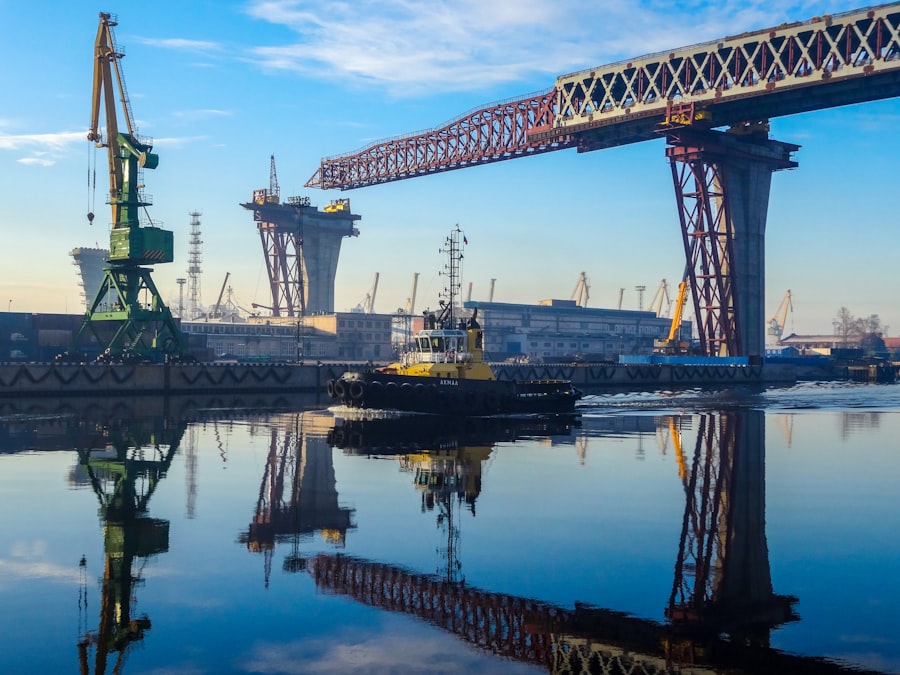
Innovation and technological advancements are not merely supporting the current expansion; they are actively driving it. New industrial projects on the Gulf Coast are often incorporating cutting-edge technologies to enhance efficiency, improve safety, and reduce environmental impact.
Advanced Manufacturing Processes
The petrochemical industry is constantly evolving, and new facilities are being designed with state-of-the-art manufacturing processes that optimize yields and reduce energy consumption.
- Catalysis Innovation: Advances in catalysis, the science of speeding up chemical reactions, are leading to more efficient production of key chemicals, requiring less energy and producing fewer byproducts.
- Process Intensification: New technologies are enabling process intensification, where multiple steps are combined into a single unit, reducing equipment size, energy usage, and capital costs.
- Digitalization and Automation: The integration of digital technologies, including artificial intelligence and advanced analytics, is transforming plant operations. This allows for real-time monitoring, predictive maintenance, and optimized process control, acting like a sophisticated control panel for the entire industrial ecosystem.
Sustainable Technologies and Practices
While the industry is heavily reliant on fossil fuels, there is a growing emphasis on incorporating more sustainable technologies and practices into new industrial developments. This is not a mere trickle but a growing stream of sustainable innovation.
- Carbon Capture, Utilization, and Storage (CCUS): Companies are increasingly exploring and implementing CCUS technologies to mitigate greenhouse gas emissions from industrial processes. This involves capturing CO2 before it enters the atmosphere and either storing it underground or utilizing it in other industrial applications.
- Energy Efficiency Improvements: New plants are being designed with a strong focus on energy efficiency, incorporating waste heat recovery systems and advanced insulation techniques.
- Circular Economy Principles: The concept of a circular economy, where materials are reused and recycled to minimize waste, is gaining traction. This can manifest in the development of advanced recycling technologies for plastics and the utilization of waste streams as feedstock.
- Water Management: Responsible water management practices, including advanced wastewater treatment and water recycling, are becoming an integral part of industrial planning.
Research and Development Hubs
The Gulf Coast is not just a manufacturing center; it is also becoming a significant hub for research and development in the chemical and energy sectors.
- University Partnerships: Collaborations between industry and universities are fostering innovation and the development of new technologies.
- R&D Centers: Major chemical companies are establishing and expanding their R&D centers in the region, leveraging the proximity to existing industrial operations and a skilled talent pool.
Policy and Regulatory Influences
Government policies and regulatory frameworks play a crucial role in shaping the landscape of industrial expansion. The current environment on the Gulf Coast is influenced by a combination of federal and state initiatives.
Energy Policy and Incentives
Federal energy policies, including those related to tax incentives for energy production and manufacturing, can significantly influence investment decisions.
- Tax Credits: The availability of tax credits for certain manufacturing activities or for the development of specific types of infrastructure can make projects more economically viable.
- Trade Agreements: International trade agreements and policies can influence the competitiveness of Gulf Coast exports.
- Energy Security Narratives: A national emphasis on energy security and the concept of “onshoring” critical manufacturing can drive investment in domestic production facilities.
Environmental Regulations and Permitting
Environmental regulations are a critical consideration for all industrial development. The regulatory process for obtaining permits for new facilities can be complex and time-consuming, but it also aims to ensure that development is undertaken responsibly.
- Clean Air and Water Acts: Compliance with federal and state environmental laws, such as the Clean Air Act and the Clean Water Act, is a fundamental requirement for any new industrial project.
- Permitting Processes: The process of obtaining permits involves extensive environmental impact assessments and public review, designed to balance economic development with environmental protection.
- Evolving Standards: Regulatory standards are continuously evolving, and companies must adapt their plans and technologies to meet these changing requirements. The aim is to ensure that growth does not come at an unacceptable environmental cost.
Workforce Development Initiatives
The availability of a skilled workforce is a critical factor for the success of industrial expansion. Various initiatives are underway to ensure that the region can meet the growing demand for skilled labor.
- Community College Programs: Community colleges and technical schools are playing a vital role in developing training programs for the specific skills needed in the petrochemical and manufacturing sectors.
- Apprenticeships: Apprenticeship programs provide hands-on training and create a pathway for individuals to enter skilled trades within the industry.
- Partnerships with Industry: Collaboration between educational institutions and industry ensures that training programs are aligned with current and future workforce needs. This creates a robust pipeline of talent, ensuring that the industrial engine has the skilled operators it needs to run.
The ongoing industrial expansion along the US Gulf Coast is reshaping the region’s economic landscape, attracting significant investments and creating numerous job opportunities. This growth is driven by various factors, including the demand for energy and petrochemical products. For a deeper understanding of the implications of this expansion, you can read a related article that explores the economic and environmental impacts in detail. The article provides valuable insights into how these developments are influencing local communities and industries. To learn more, visit this link.
Future Outlook and Challenges
| Metric | Value | Unit | Year | Notes |
|---|---|---|---|---|
| New Petrochemical Plants Announced | 15 | Count | 2023 | Includes ethylene, polyethylene, and polypropylene facilities |
| Capital Investment | 120 | Billion | 2023 | Estimated total investment in industrial expansion projects |
| Job Creation | 25,000 | Jobs | 2023-2025 | Direct and indirect jobs expected from new projects |
| Ethylene Production Capacity Increase | 5.5 | Million tons/year | 2024-2026 | Additional capacity from new crackers and expansions |
| CO2 Emissions Reduction Target | 20 | Percent | 2030 | Targeted reduction from new technology and efficiency improvements |
| Natural Gas Feedstock Usage | 70 | Percent | 2023 | Percentage of feedstock sourced from natural gas |
The trajectory of industrial expansion on the US Gulf Coast appears strong, but like any complex system, it faces both promising opportunities and potential headwinds. The future of this industrial corridor is a story still being written.
Continued Investment and Diversification
The outlook suggests continued investment in existing sectors, with a potential for further diversification into higher-value specialty chemicals and advanced materials.
- Specialty Chemicals: As global demand for tailored solutions grows, the Gulf Coast’s capacity for producing specialty chemicals used in electronics, pharmaceuticals, and other advanced industries may see significant expansion.
- Advanced Materials: The development and production of advanced materials, such as composites and engineered plastics, could represent a future growth area.
- Renewable Feedstock Integration: While currently dominated by fossil fuels, there is potential for the gradual integration of renewable feedstocks and bio-based chemicals as technologies mature and become more cost-effective.
Geopolitical and Market Volatility
The global nature of the energy and petrochemical markets means that the Gulf Coast industry is exposed to geopolitical shifts and market volatility.
- Commodity Price Fluctuations: Global events or shifts in supply and demand can lead to significant fluctuations in the prices of oil, natural gas, and petrochemicals, impacting profitability.
- International Relations: Geopolitical tensions or evolving trade relationships can affect export markets and the cost of imported raw materials.
- Supply Chain Disruptions: As seen in recent years, global supply chains can be vulnerable to unexpected disruptions, which can impact production and delivery timelines.
Sustainability Imperatives and the Energy Transition
The global imperative to address climate change and transition to a lower-carbon economy presents both challenges and opportunities for the Gulf Coast’s industrial sector.
- Decarbonization Pressures: Increased pressure to decarbonize operations will necessitate ongoing investment in advanced technologies and potentially a re-evaluation of certain production processes.
- Shift to Renewables: While the core of the current expansion is fossil fuel-based, the long-term energy transition may see the region leverage its infrastructure for the production and transport of renewable energy sources like hydrogen or for the manufacturing of components for renewable energy technologies.
- Public Perception and Social License: Maintaining a positive public perception and securing a social license to operate will be increasingly important. This requires transparent communication, demonstrable progress on environmental performance, and community engagement.
The US Gulf Coast stands as a testament to the enduring power of strategic industrial development. While it navigates the complexities of a globalized economy and the imperative for sustainability, its industrial expansion continues to accelerate, a powerful engine driving economic activity and shaping the future of manufacturing.
WATCH THIS 🔴 SHOCKING: Why Germany’s Factory Exodus Is Permanent (Not Temporary)
FAQs
What is driving the industrial expansion along the US Gulf Coast?
The industrial expansion along the US Gulf Coast is primarily driven by the region’s access to abundant natural resources, including oil and natural gas, its strategic location for shipping and trade, and significant investments in infrastructure and manufacturing facilities.
Which industries are most affected by the Gulf Coast expansion?
Key industries impacted by the Gulf Coast expansion include petrochemicals, refining, manufacturing, shipping, and energy production. The region is a hub for oil and gas processing as well as chemical manufacturing.
How does the Gulf Coast industrial growth impact the US economy?
The industrial growth on the Gulf Coast contributes significantly to the US economy by creating jobs, increasing exports, boosting energy production, and supporting related sectors such as transportation and construction.
What environmental considerations are associated with the Gulf Coast industrial expansion?
Environmental considerations include managing emissions, protecting coastal ecosystems, addressing potential oil spills, and ensuring compliance with federal and state environmental regulations to minimize the impact of industrial activities.
Are there any recent major projects or investments in the Gulf Coast industrial sector?
Yes, recent major projects include expansions of petrochemical plants, new liquefied natural gas (LNG) terminals, and upgrades to refining capacity, supported by both private sector investments and government incentives aimed at enhancing energy infrastructure.