
The globalized marketplace, once a well-trodden highway for goods and services, has increasingly revealed its vulnerabilities. Geopolitical shifts, pandemics, and natural disasters have demonstrated that even the most established supply chains are susceptible to disruption. For businesses that have come to rely on the efficiency and cost-effectiveness of sourcing from specific regions, the imperative to de-risk has never been more pronounced. Among the emerging hubs of global manufacturing, Vietnam has carved out a significant niche, attracting investment and becoming an integral node in myriad supply networks. However, this growing prominence also necessitates a nuanced examination of how to ensure the stability and resilience of these vital arteries of commerce.
Vietnam’s meteoric rise as a manufacturing powerhouse is a testament to a confluence of factors. For decades, it has been steadily building its infrastructure, fostering a skilled workforce, and offering a competitive cost structure that appeals to global enterprises. The country’s strategic location in Southeast Asia, with its access to major shipping lanes, further enhances its attractiveness. It has successfully leveraged its position as an alternative to more established manufacturing centers, absorbing significant relocation of production as companies sought to diversify their manufacturing footprints. This has transformed Vietnam from a primarily agricultural economy to a dynamic industrial landscape, manufacturing everything from textiles and footwear to electronics and automotive components.
Historical Evolution of Vietnam’s Manufacturing Sector
The seeds of Vietnam’s current manufacturing prowess were sown in the late 20th century, following the Doi Moi economic reforms. These reforms, initiated in 1986, signaled a shift towards a market-oriented economy, opening the doors to foreign investment and private enterprise. Initially, the focus was on labor-intensive industries like garments and footwear, capitalizing on a large and relatively inexpensive workforce. As the economy matured and infrastructure developed, the country began to attract more sophisticated manufacturing operations. This gradual evolution, characterized by a rising skill set and increasing technological adoption, laid the groundwork for its current diversified manufacturing base.
Key Industries Contributing to Vietnam’s Supply Chain
Several key industries form the backbone of Vietnam’s contribution to global supply chains. The textile and apparel sector remains a dominant force, leveraging its extensive labor pool and established production facilities. The electronics industry has seen rapid growth, with major global brands establishing significant manufacturing operations, particularly in the assembly of smartphones and other consumer electronics. Footwear manufacturing continues to be a significant export earner, catering to a wide range of global brands. Furthermore, the country is increasingly becoming a player in automotive parts and components, furniture production, and the seafood processing industry. The diversification of these sectors provides a broad base of export potential and creates a complex web of interconnected supply chains.
Geographical Advantages and Infrastructure Development
Vietnam’s long coastline and its strategic position along major international shipping routes are significant geographical advantages. The development of its port infrastructure has been a critical enabler, with major ports like Hai Phong, Da Nang, and Ho Chi Minh City serving as gateways for imports and exports. Investment in road and rail networks, while still facing challenges, has improved connectivity between manufacturing hubs and ports. The government’s commitment to developing industrial zones and economic corridors further facilitates the clustering of industries and the streamlining of logistics. These efforts transform geographical potential into tangible supply chain advantages.
In the context of Vietnam’s supply chain de-risking strategies, a related article that provides valuable insights is available at Real Lore and Order. This article explores the various approaches companies are taking to mitigate risks associated with supply chain disruptions, particularly in light of recent global events. It highlights the importance of diversifying suppliers and investing in local manufacturing capabilities to enhance resilience and adaptability in the face of challenges.
De-Risking Strategies for a Volatile World
The inherent complexities and vulnerabilities of global supply chains necessitate proactive de-risking strategies. Businesses can no longer afford to operate with a singular point of failure, as the consequences of disruption can be catastrophic. For Vietnam, as a crucial manufacturing hub, adopting and implementing robust de-risking measures is paramount to maintaining its attractiveness and ensuring the continued flow of goods. This involves a multi-pronged approach that addresses various facets of the supply chain, from sourcing and production to logistics and risk management.
Diversification of Sourcing and Manufacturing Locations
A cornerstone of supply chain de-risking is diversification. Relying heavily on a single supplier or a single manufacturing location in Vietnam, or indeed anywhere, creates a concentrated risk. If that single node is compromised, the entire supply chain can seize up. Therefore, businesses are increasingly exploring a multi-sourcing strategy, identifying alternative suppliers within Vietnam and even in different regions altogether. This doesn’t necessarily mean abandoning Vietnam, but rather establishing redundant or parallel supply capabilities.
Multi-Sourcing Within Vietnam
Even within Vietnam, diversifying across different provinces and industrial zones can mitigate localized risks. Factors such as natural disaster proneness, labor availability, or even regional policy changes can impact specific areas. By spreading production or sourcing across different geographic pockets within the country, a company can buffer itself against such localized disruptions. This requires a thorough understanding of the regional nuances and the establishment of relationships with multiple vetted suppliers.
Regional Diversification Beyond Vietnam
The most robust form of diversification involves looking beyond Vietnam’s borders. This could include investing in manufacturing capabilities in other ASEAN countries, or even further afield in regions like India, Mexico, or Eastern Europe. The goal is to create a more distributed and resilient global manufacturing network. While this can increase complexity and potentially costs, the assurance of continuity can be invaluable. It’s like having multiple escape routes when navigating a complex maze; each route reduces the impact of a dead end.
Enhancing Supply Chain Visibility and Transparency
In an opaque supply chain, problems lurk in the shadows, waiting to pounce. To effectively de-risk, businesses must cultivate a high degree of visibility and transparency throughout their entire supply chain. This means knowing not just your direct suppliers, but also their suppliers, and understanding the flow of materials and information at every stage. Without this granular view, identifying potential vulnerabilities and implementing corrective measures becomes an exercise in guesswork.
Leveraging Technology for Real-Time Tracking
Modern technology offers powerful tools for achieving supply chain visibility. Internet of Things (IoT) devices, blockchain technology, and advanced analytics platforms can provide real-time data on inventory levels, shipment locations, and production status. This allows for proactive identification of bottlenecks or potential disruptions. For example, a shipment facing delays due to port congestion can be flagged instantly, allowing for rerouting or contingency planning before it becomes a critical issue.
Data Sharing and Collaboration with Partners
Achieving true transparency requires a commitment to data sharing and collaborative partnerships with all stakeholders in the supply chain. This involves establishing clear communication channels and fostering trust between manufacturers, logistics providers, and end-customers. When all parties are working from the same set of information, decision-making becomes more efficient and the collective response to disruptions is stronger. It transforms the supply chain from a series of isolated silos into a connected ecosystem.
Building Robust Inventory Management and Buffer Stock Strategies
While Lean manufacturing principles emphasize minimizing inventory to reduce costs, in a volatile world, strategic inventory management and the maintenance of buffer stocks become crucial de-risking tools. A complete absence of inventory leaves a supply chain naked in the face of unexpected demand surges or prolonged supply disruptions. The key lies in finding an optimal balance between cost efficiency and resilience.
Calculating Optimal Buffer Stock Levels
Determining the right amount of buffer stock is not a one-size-fits-all solution. It requires careful analysis of historical demand patterns, lead times, supplier reliability, and the criticality of the product. Statistical modeling and scenario planning are essential for calculating optimal buffer stock levels that can absorb a reasonable degree of variability without becoming an excessive financial burden. This is about creating a financial shock absorber for the supply chain.
Strategic Placement of Warehousing and Distribution Centers
The location of inventory matters. Strategically placing warehouses and distribution centers closer to key markets or manufacturing hubs can significantly reduce lead times and improve responsiveness. This allows for faster replenishment when stocks are depleted or for quicker redirection of goods in case of disruptions at origin. It’s about having a well-placed reserve of resources ready to deploy.
Strengthening Supplier Relationships and Due Diligence
The strength of a supply chain is directly proportional to the strength of its supplier relationships. Robust due diligence and a focus on building strong, collaborative relationships with Vietnamese suppliers are fundamental to de-risking. This goes beyond transactional interactions to foster partnerships built on trust, shared goals, and mutual benefit.
Comprehensive Supplier Vetting Processes
Before engaging a supplier in Vietnam, companies must undertake comprehensive vetting processes. This includes assessing their financial stability, production capacity, quality control systems, labor practices, and adherence to ethical standards. Background checks and site visits are crucial to ensure a supplier meets the required standards and is not a hidden risk. It’s akin to thoroughly vetting a new employee before entrusting them with critical responsibilities.
Developing Contingency Plans with Key Suppliers
Engaging key suppliers in the development of contingency plans is a vital de-risking step. This means working together to identify potential failure points in their operations and collaboratively devising strategies to mitigate them. This could include identifying backup production lines, alternative sourcing for their raw materials, or developing emergency communication protocols. When suppliers are partners in risk management, the entire chain becomes more resilient.
Implementing Proactive Risk Management Frameworks
Finally, a structured and proactive risk management framework is essential for sustained supply chain stability. This involves systematically identifying, assessing, mitigating, and monitoring potential risks. It’s not about reacting to crises but about anticipating them and building in defenses.
Regular Risk Assessments and Scenario Planning
Regular risk assessments should be conducted to identify emerging threats, whether they are economic, political, environmental, or social in nature. Scenario planning should be employed to simulate the impact of these risks on the supply chain and to develop pre-defined responses. This allows businesses to move from a reactive mode to a more strategic and prepared posture.
Establishing Crisis Management and Business Continuity Plans
Having well-defined crisis management and business continuity plans in place is non-negotiable. These plans should outline clear roles, responsibilities, communication protocols, and actionable steps to be taken in the event of a major disruption. Regular testing and updating of these plans ensure their effectiveness when they are most needed. It’s about having a fire drill rehearsed so that when the alarm sounds, everyone knows their role and how to respond efficiently.
Navigating the Challenges of Vietnamese Supply Chains
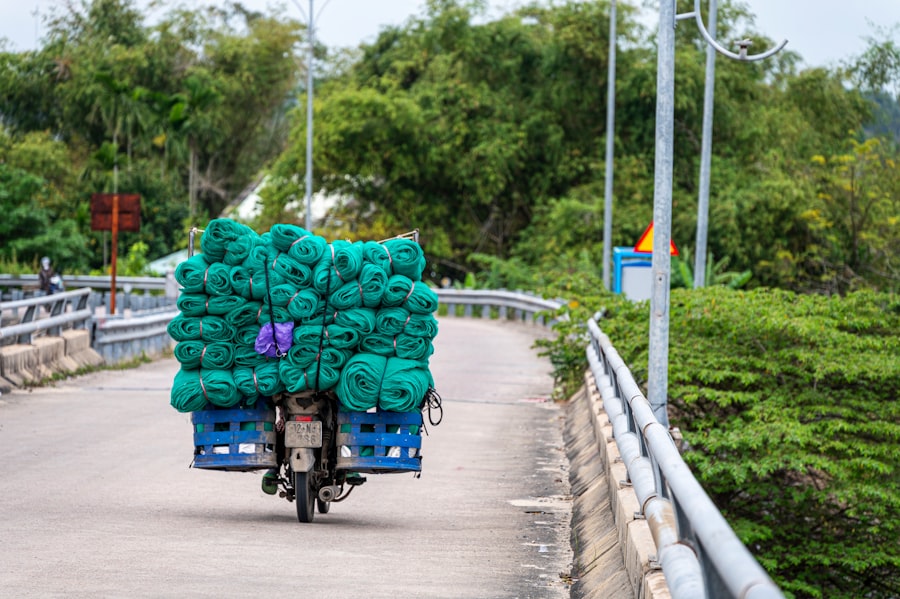
While Vietnam offers significant advantages, it is not without its challenges. To truly de-risk operations within the country, businesses must understand and proactively address these potential hurdles. Ignoring them is akin to building a fortress on sand; the foundation may appear strong initially, but it will eventually crumble.
Infrastructure Gaps and Logistics Bottlenecks
Despite significant investment, infrastructure gaps and logistics bottlenecks can still impede the smooth flow of goods within Vietnam. Congested ports, underdeveloped road networks in certain regions, and occasional bureaucratic inefficiencies can lead to delays and increased costs. Over-reliance on a single logistics provider or route can exacerbate these issues.
Optimizing Port Calls and Inland Transportation
Strategies for overcoming these challenges include optimizing port calls by scheduling shipments strategically and exploring alternative ports of entry or exit where feasible. Investing in robust inland transportation solutions, such as dedicated trucking fleets or rail partnerships, can help circumvent road congestion. Understanding the nuances of local logistics and building relationships with reliable local transportation providers is key.
Navigating Bureaucracy and Regulatory Landscapes
The Vietnamese regulatory landscape can be complex and sometimes subject to change. Navigating permits, customs procedures, and various compliance requirements can be time-consuming and require expert knowledge. Delays in obtaining necessary approvals can impact production schedules and the timely delivery of goods.
Labor Market Dynamics and Skill Development
Vietnam benefits from a large and relatively young workforce, but labor market dynamics can still present challenges. Rising wage expectations, skills shortages in specialized manufacturing areas, and the need for continuous upskilling of the workforce require careful consideration. Ensuring fair labor practices and investing in employee training are not only ethical imperatives but also strategic de-risking measures, fostering loyalty and reducing turnover.
Addressing Skill Shortages Through Training and Development
Companies can mitigate skill shortages by investing in in-house training programs and partnering with local educational institutions. This not only helps to fill immediate needs but also contributes to the long-term development of a skilled workforce in Vietnam, making the country a more sustainable manufacturing hub. It’s about investing in the human capital that drives the supply chain.
Ensuring Fair Labor Practices and Ethical Sourcing
Demonstrating a commitment to fair labor practices and ethical sourcing is crucial for maintaining brand reputation and avoiding reputational risks. This involves conducting regular audits of labor conditions, ensuring compliance with international labor standards, and promoting a safe and healthy working environment for all employees. This builds trust and social license to operate.
Environmental Regulations and Sustainability Concerns
Increasingly, environmental regulations and sustainability concerns are becoming critical factors in supply chain management. Vietnam, like many developing nations, is stepping up its efforts to address environmental pollution and promote sustainable practices. Companies must be aware of evolving environmental standards related to emissions, waste management, and resource utilization.
Adapting to Evolving Environmental Standards
Adhering to and anticipating evolving environmental standards is a critical aspect of de-risking. This may involve investing in cleaner production technologies, optimizing resource consumption, and implementing effective waste management systems. Proactively adopting sustainable practices can lead to long-term cost savings and enhance brand image. It’s about future-proofing operations against increasingly stringent environmental mandates.
Promoting Circular Economy Principles
Embracing circular economy principles within the supply chain can also contribute to resilience. This involves designing products for durability and recyclability, and seeking opportunities to recover and reuse materials within the production process. While this may require an initial investment, it can reduce reliance on virgin resources and mitigate the impact of resource scarcity.
Building a Resilient Vietnamese Supply Chain: A Holistic Approach
The pursuit of a resilient Vietnamese supply chain is not a singular objective but rather a continuous process that requires a holistic approach. It encompasses not only the physical movement of goods but also the underlying relationships, technological capabilities, and strategic foresight that underpin the entire network.
Integrating Technology and Automation for Enhanced Efficiency
The strategic integration of technology and automation is a powerful lever for enhancing efficiency and de-risking. From advanced manufacturing techniques to intelligent logistics management systems, technology can reduce human error, increase throughput, and provide valuable data for decision-making. Automation can also help to mitigate the impact of labor shortages and rising labor costs.
Smart Manufacturing and Industry 4.0 Adoption
The adoption of smart manufacturing principles and Industry 4.0 technologies is transforming production processes. This includes the use of robots, artificial intelligence (AI), and the Internet of Things (IoT) to create more agile, adaptable, and efficient manufacturing operations. These technologies enable greater precision, faster production cycles, and the ability to respond rapidly to changes in demand.
Digitalization of Logistics and Supply Chain Management
The digitalization of logistics and supply chain management is equally critical. This involves leveraging cloud-based platforms, real-time tracking systems, and data analytics to gain end-to-end visibility, optimize transportation routes, and improve inventory management. A digitalized supply chain is a more agile and responsive supply chain.
Fostering Collaboration and Ecosystem Development
A truly resilient supply chain thrives on collaboration and the development of a robust ecosystem. This involves fostering strong partnerships not only with direct suppliers and customers but also with government agencies, industry associations, and academic institutions. A collaborative ecosystem can facilitate knowledge sharing, joint problem-solving, and the development of innovative solutions.
Strengthening Public-Private Partnerships
Strengthening public-private partnerships is crucial for addressing systemic challenges and creating a favorable business environment. Governments can play a vital role in improving infrastructure, streamlining regulations, and supporting workforce development initiatives. Industry players, in turn, can provide valuable insights and drive innovation.
Creating Industry Consortia and Knowledge Sharing Platforms
The formation of industry consortia and knowledge-sharing platforms can accelerate the adoption of best practices and foster collective learning. By pooling resources and expertise, businesses can collectively address common challenges, such as cybersecurity threats or the implementation of new sustainability standards. This moves beyond individual company efforts to a more coordinated and effective approach.
Cultivating a Culture of Continuous Improvement and Agility
Ultimately, the ability to adapt and thrive in a dynamic global landscape hinges on cultivating a culture of continuous improvement and agility. This means fostering an environment where feedback is valued, lessons are learned from both successes and failures, and a willingness to adapt and innovate is embedded within the organizational DNA.
Implementing Agile Methodologies in Supply Chain Operations
Applying agile methodologies to supply chain operations allows businesses to respond quickly to changing market conditions and unforeseen disruptions. This involves breaking down complex processes into smaller, manageable units, prioritizing flexibility, and embracing iterative development. Agility allows the supply chain to be a dynamic entity, not a rigid structure.
Empowering Employees and Fostering Innovation
Empowering employees at all levels and fostering a culture that encourages innovation are critical for long-term resilience. When employees are encouraged to identify problems, propose solutions, and take initiative, the supply chain becomes more adaptive and capable of overcoming challenges. This human element, coupled with technological advancement, forms the bedrock of a sustainable and robust supply chain.
The journey of de-risking Vietnam’s supply chains is an ongoing evolution. By understanding the intricate landscape, embracing proactive strategies, and fostering a culture of collaboration and continuous improvement, businesses can transform potential vulnerabilities into sources of strength, ensuring the stability and resilience of these vital economic arteries in an increasingly unpredictable world.
FAQs
What is supply chain de-risking in the context of Vietnam?
Supply chain de-risking in Vietnam refers to strategies and actions taken by companies to reduce vulnerabilities and potential disruptions in their supply chains. This often involves diversifying suppliers, improving logistics, and enhancing risk management practices within Vietnam’s manufacturing and export sectors.
Why is Vietnam considered a key location for supply chain de-risking?
Vietnam is considered a key location due to its strategic geographic position, competitive labor costs, growing manufacturing capabilities, and trade agreements. These factors make it an attractive alternative or complement to other supply chain hubs, helping companies mitigate risks associated with over-reliance on a single country or region.
What industries in Vietnam are most affected by supply chain de-risking efforts?
Industries such as electronics, textiles and apparel, footwear, and consumer goods are most affected by supply chain de-risking in Vietnam. These sectors benefit from Vietnam’s manufacturing infrastructure and are often targeted by companies seeking to diversify production away from higher-risk areas.
What are common risks that companies aim to mitigate through supply chain de-risking in Vietnam?
Common risks include geopolitical tensions, trade disputes, natural disasters, labor shortages, and disruptions caused by pandemics. By de-risking, companies aim to ensure continuity, reduce dependency on a single source, and improve overall supply chain resilience.
How do companies implement supply chain de-risking strategies in Vietnam?
Companies implement de-risking by diversifying their supplier base within Vietnam, investing in local infrastructure, adopting advanced technologies for supply chain visibility, and collaborating with local partners. They may also adjust inventory management and logistics to better respond to potential disruptions.