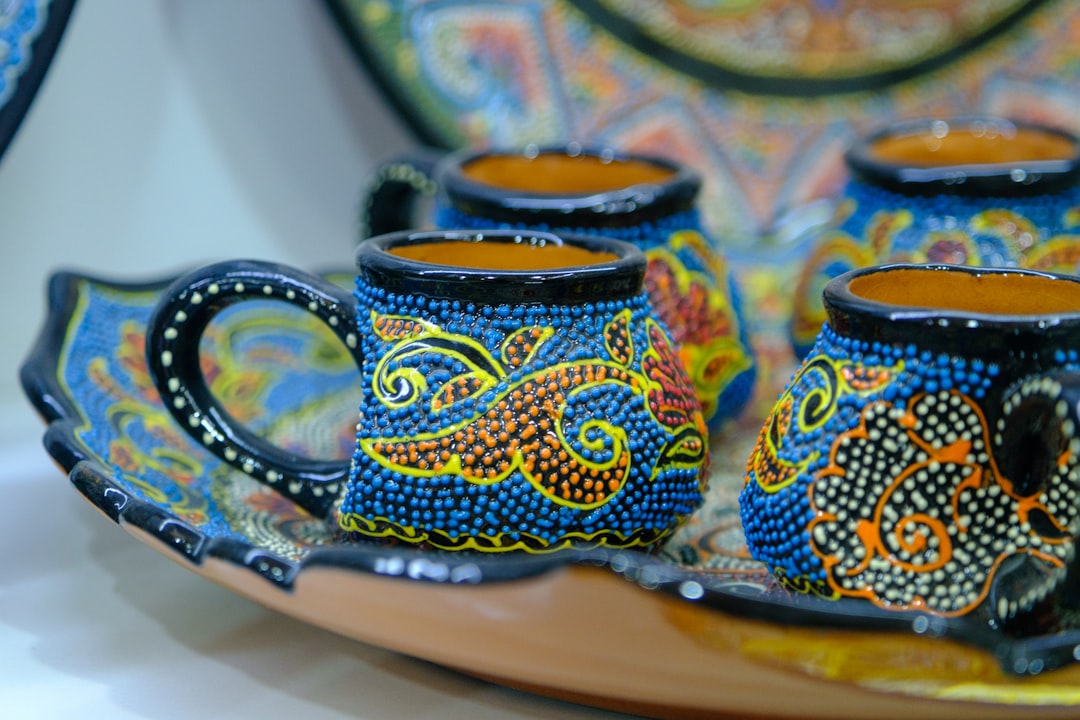
Vitrified ceramics represent an intersection of art and science, demonstrating advanced human technical achievement. These materials exhibit a glass-like quality achieved through vitrification, a process where clay undergoes high-temperature firing that transforms it into a dense, non-porous material. This transformation enhances both the aesthetic qualities of ceramics and substantially improves their durability and moisture resistance.
Vitrified ceramics have been utilized across numerous cultures and historical periods for both practical and ornamental applications. The significance of vitrified ceramics extends beyond their physical characteristics to their historical importance. Archaeological discoveries of these materials worldwide have provided researchers with critical information about past societies.
The development of vitrified ceramics from ancient civilizations through to modern production reflects advancements in technology, trading patterns, and cultural interactions. These artifacts serve as important historical documents that illuminate aspects of human technological and cultural development throughout history.
Key Takeaways
- Vitrified ceramics are unique artifacts formed through intense heat, resulting in a glass-like surface.
- Recent discoveries of vitrified ceramics in desert regions provide new insights into ancient technologies.
- Analysis reveals advanced techniques and cultural influences behind the creation of these ceramics.
- Preservation efforts are crucial to maintain the integrity of vitrified ceramics for future study.
- Ongoing research and exhibitions aim to deepen understanding and public appreciation of these artifacts.
Discovery of Vitrified Ceramics in the Desert
The discovery of vitrified ceramics in desert regions has sparked considerable interest among archaeologists and historians alike. These arid landscapes, often perceived as barren and inhospitable, have proven to be treasure troves of ancient artifacts. When you think about it, the harsh conditions of the desert can actually preserve materials that might otherwise decay in more humid environments.
The unearthing of vitrified ceramics in these settings has provided a unique opportunity to study the craftsmanship and cultural practices of past civilizations. In recent excavations, researchers have stumbled upon fragments of vitrified ceramics that date back thousands of years. These findings have not only expanded our understanding of the geographical distribution of such artifacts but have also raised questions about the trade routes and interactions between different cultures.
As you consider the implications of these discoveries, you may find yourself pondering how these ancient peoples adapted to their environments and what their artistic expressions reveal about their values and beliefs.
Significance of Unearthing Vitrified Ceramics
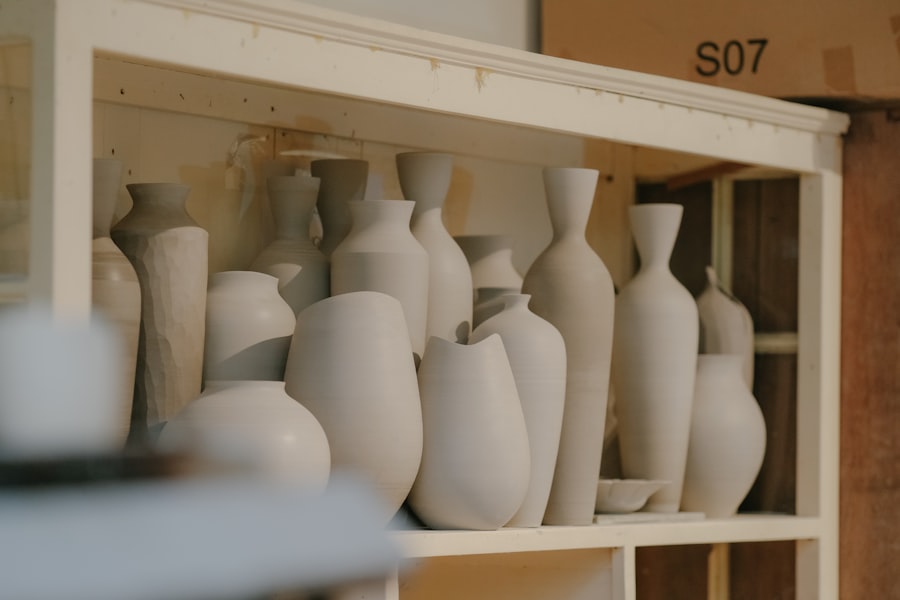
The significance of unearthing vitrified ceramics extends far beyond mere curiosity; it offers a window into the technological advancements and cultural exchanges of ancient societies. Each piece tells a story, revealing information about the materials used, the techniques employed, and the purposes they served. When you examine these artifacts, you are not just looking at pottery; you are engaging with history itself.
The presence of vitrified ceramics in archaeological sites can indicate trade relationships, social hierarchies, and even shifts in religious practices. Moreover, these discoveries often challenge existing narratives about historical timelines and cultural interactions. For instance, finding vitrified ceramics in a region previously thought to be isolated can suggest that there were more extensive networks of trade and communication than previously understood.
As you reflect on these implications, you may begin to appreciate how each artifact contributes to a larger tapestry of human experience, connecting disparate cultures across time and space.
Analysis of Vitrified Ceramics
Analyzing vitrified ceramics involves a multifaceted approach that combines art history, archaeology, and materials science. When you engage in this analysis, you will likely focus on various aspects such as form, decoration, and composition. The intricate designs often found on these ceramics can provide clues about the cultural influences at play during their creation.
For instance, motifs may reflect local traditions or be inspired by external influences through trade or conquest. In addition to aesthetic considerations, scientific analysis plays a crucial role in understanding vitrified ceramics. Techniques such as petrographic analysis can reveal the mineral composition of the clay used, while thermoluminescence dating can help establish a timeline for when these artifacts were produced.
By employing these methods, researchers can piece together a more comprehensive picture of the technological capabilities and artistic practices of ancient societies. As you delve into this analytical process, you will gain a deeper appreciation for the complexity and sophistication inherent in vitrified ceramics.
Techniques Used in Creating Vitrified Ceramics
| Metric | Value | Description |
|---|---|---|
| Location | Libyan Desert, Sahara | Region where vitrified ceramics were discovered |
| Age | Approx. 3,000 years | Estimated age of the vitrified ceramics |
| Material Composition | Silica, Alumina, Iron Oxides | Main components found in the vitrified ceramics |
| Temperature of Formation | Above 1,000°C | Temperature required to vitrify the ceramics |
| Discovery Year | 2019 | Year when the vitrified ceramics were first documented |
| Possible Origin | Ancient human activity or natural lightning strikes | Theories explaining the vitrification process |
| Sample Size | 15 pieces | Number of vitrified ceramic samples collected |
| Research Institutions | University of Cairo, Desert Research Institute | Organizations involved in the study |
The techniques employed in creating vitrified ceramics are as diverse as the cultures that produced them. At its core, the process involves shaping clay and subjecting it to high temperatures in a kiln. However, the specifics can vary widely depending on regional practices and available resources.
When you explore these techniques, you may find yourself fascinated by the skill and artistry involved in transforming raw materials into beautiful objects.
This technique allows for greater precision and detail than traditional hand-building methods.
Alternatively, some artisans may choose to hand-build their pieces using coiling or pinching techniques, which can impart a unique character to each item. The firing process is equally critical; achieving the right temperature is essential for ensuring that the clay vitrifies properly. As you consider these various methods, you will come to appreciate the blend of creativity and technical knowledge required to produce vitrified ceramics.
Historical Context of Vitrified Ceramics
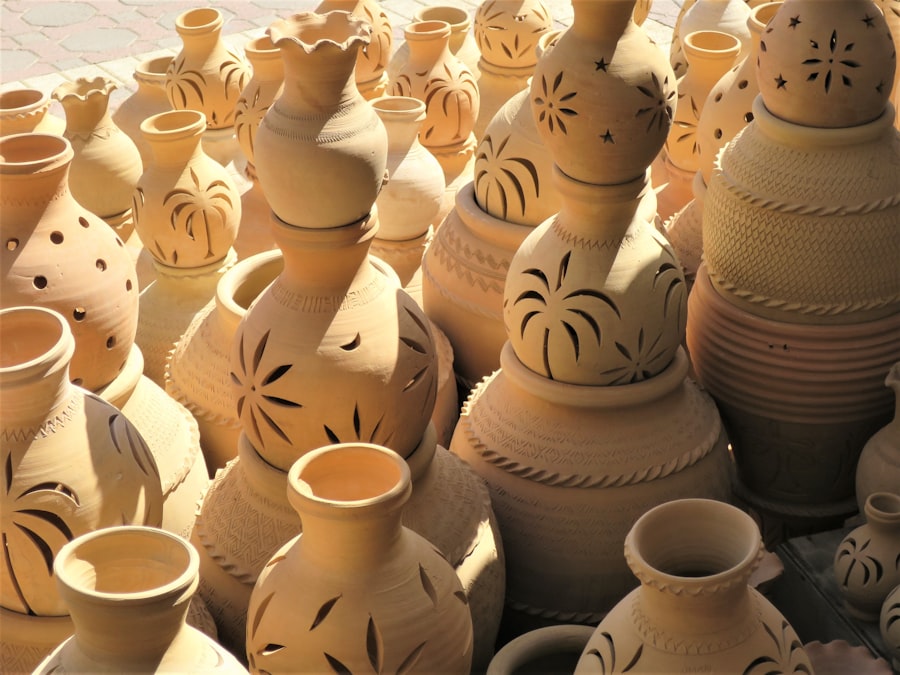
Understanding the historical context of vitrified ceramics is essential for grasping their significance within different cultures. These artifacts often reflect broader societal trends, including technological advancements and shifts in trade practices. When you examine vitrified ceramics from various time periods, you may notice how they evolved alongside changes in society—adapting to new materials or responding to external influences.
For instance, during periods of increased trade between cultures, you might find that certain styles or techniques were adopted across regions. This cross-pollination of ideas can lead to innovations in design or functionality that would not have emerged in isolation. By situating vitrified ceramics within their historical context, you can better understand how they served as both practical objects and symbols of cultural identity.
Preservation of Vitrified Ceramics
Preserving vitrified ceramics is a critical aspect of archaeological practice that ensures these artifacts can be studied and appreciated for generations to come. When you consider the fragility of many ceramic pieces, it becomes clear that careful handling and storage are paramount. Conservationists often employ specialized techniques to stabilize damaged items and prevent further deterioration.
In addition to physical preservation methods, documentation plays a vital role in safeguarding knowledge about these artifacts. Detailed records—including photographs, descriptions, and contextual information—are essential for future research and study. As you reflect on the importance of preservation efforts, you may recognize that each piece of vitrified ceramic represents not just an object but a connection to our shared human heritage.
Comparison of Vitrified Ceramics to Other Ceramic Artifacts
When comparing vitrified ceramics to other types of ceramic artifacts, several key differences emerge that highlight their unique characteristics. For instance, while traditional earthenware remains porous and less durable, vitrified ceramics boast a glass-like finish that enhances both their aesthetic appeal and functional longevity. As you explore these distinctions, you may find yourself drawn to the ways in which different ceramic types serve varied purposes within their respective cultures.
Moreover, examining how different cultures approached ceramic production can reveal much about their values and technological capabilities. For example, while some societies may have prioritized decorative elements in their ceramics, others might have focused on functionality or utilitarian design. By analyzing these differences alongside vitrified ceramics, you can gain a richer understanding of how artistic expression varies across cultures and time periods.
Cultural and Artistic Influences on Vitrified Ceramics
Cultural and artistic influences play a significant role in shaping the design and production of vitrified ceramics. When you look closely at these artifacts, you may notice recurring motifs or styles that reflect specific cultural narratives or beliefs. For instance, certain patterns may be emblematic of religious practices or social hierarchies within a community.
Additionally, external influences—such as trade with neighboring cultures—can introduce new ideas and techniques into ceramic production. This blending of styles often results in innovative designs that push the boundaries of traditional craftsmanship. As you explore these cultural dynamics further, you will come to appreciate how vitrified ceramics serve as both artistic expressions and historical documents that encapsulate the complexities of human interaction.
Future Research and Study of Vitrified Ceramics
The future research and study of vitrified ceramics hold immense potential for uncovering new insights into ancient societies. As technology continues to advance, researchers are equipped with increasingly sophisticated tools for analyzing these artifacts. Techniques such as 3D scanning and digital modeling allow for detailed examinations without risking damage to fragile pieces.
Moreover, interdisciplinary approaches that combine archaeology with fields like chemistry or anthropology can yield fresh perspectives on how vitrified ceramics were produced and used within their cultural contexts. As you consider the possibilities for future research, you may find yourself excited by the prospect of new discoveries that could reshape our understanding of history.
Display and Exhibition of Unearthed Vitrified Ceramics
The display and exhibition of unearthed vitrified ceramics offer an opportunity for public engagement with history and culture. When these artifacts are showcased in museums or galleries, they invite viewers to connect with the past on a personal level. Thoughtfully curated exhibitions can highlight not only the beauty of these pieces but also their significance within broader historical narratives.
As you visit exhibitions featuring vitrified ceramics, take note of how curators use storytelling techniques to enhance visitor experiences. Interactive displays or educational programs can deepen your understanding of the cultural contexts from which these artifacts emerged. Ultimately, such exhibitions serve as vital platforms for fostering appreciation for our shared heritage while inspiring future generations to explore the rich tapestry of human creativity.
Recent discoveries in the field of vitrified ceramics have shed light on ancient desert civilizations, revealing how these materials were utilized for both functional and decorative purposes. For a deeper understanding of the implications of these findings, you can read more in the related article on our site: Vitrified Ceramics in Ancient Cultures. This article explores the significance of vitrified ceramics in various archaeological contexts and their impact on our understanding of historical societies.
FAQs
What are vitrified ceramics?
Vitrified ceramics are materials that have been subjected to high temperatures, causing them to become glass-like and non-porous. This process enhances their strength, durability, and resistance to water and chemicals.
Where was the vitrified ceramics desert discovery made?
The discovery of vitrified ceramics was made in a desert region, though the specific location depends on the context of the article. Such discoveries often occur in arid areas where ancient human activity or natural processes have led to the formation of vitrified materials.
How are vitrified ceramics formed naturally?
Vitrified ceramics can form naturally through intense heat events such as wildfires, volcanic activity, or lightning strikes that melt and fuse mineral particles in the soil or rocks, creating a glassy, vitrified surface.
What is the significance of discovering vitrified ceramics in a desert?
Discovering vitrified ceramics in a desert can provide insights into past environmental conditions, ancient human technologies, or natural geological processes. It may indicate historical human settlement, trade, or unique natural phenomena.
Can vitrified ceramics be man-made or natural?
Yes, vitrified ceramics can be both man-made and natural. Man-made vitrified ceramics are produced through controlled firing in kilns for pottery and construction materials, while natural vitrification occurs due to extreme heat from natural events.
What methods are used to analyze vitrified ceramics?
Scientists use techniques such as microscopy, X-ray diffraction, chemical analysis, and spectroscopy to study the composition, structure, and origin of vitrified ceramics.
Why is the discovery of vitrified ceramics important for archaeology?
The discovery helps archaeologists understand ancient manufacturing techniques, trade routes, and cultural practices. It can also shed light on the technological advancements of past civilizations.
Are vitrified ceramics durable in desert environments?
Yes, vitrified ceramics are highly durable and resistant to weathering, making them well-preserved in harsh desert environments over long periods.
What challenges exist in studying vitrified ceramics in deserts?
Challenges include extreme environmental conditions, difficulty in accessing remote sites, and distinguishing between natural and human-made vitrification processes.
How can vitrified ceramics contribute to modern material science?
Studying vitrified ceramics can inspire the development of advanced materials with enhanced durability, heat resistance, and chemical stability for various industrial applications.