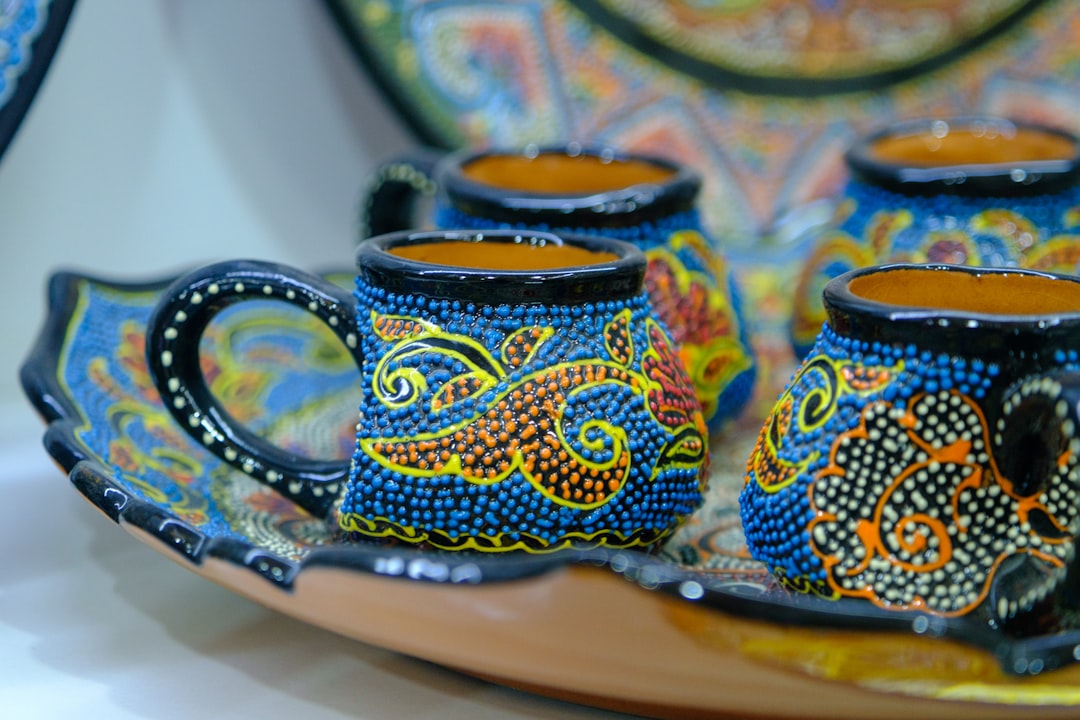
Vitrified ceramics are materials produced through vitrification, a high-temperature firing process that transforms clay into a dense, non-porous substance with glass-like characteristics. During this process, temperatures typically reach 1200-1400°C, causing the clay particles to fuse together and form a hard, impermeable surface. This transformation results in ceramics with enhanced mechanical strength, water resistance, and durability compared to non-vitrified clay products.
The vitrification process creates materials suitable for both functional and decorative applications. Common uses include floor and wall tiles, sanitary ware, tableware, and architectural elements. The high firing temperatures enable the development of various surface textures, glazes, and color variations through the interaction of minerals and additives in the clay body.
These ceramics exhibit low water absorption rates, typically less than 0.5%, making them resistant to staining, frost damage, and chemical degradation. Vitrified ceramics have been produced across different cultures and time periods, with techniques evolving from ancient pottery traditions to modern industrial manufacturing processes. Archaeological evidence shows early examples of vitrified ceramics in Chinese porcelain from the Tang Dynasty and Islamic ceramics from the medieval period.
Contemporary production methods utilize precise temperature control and standardized clay compositions to achieve consistent quality and performance characteristics.
Key Takeaways
- Vitrified ceramics are a unique type of pottery characterized by their glass-like, fused surface.
- Recent discoveries of vitrified ceramics in desert regions provide new insights into ancient craftsmanship.
- Analysis reveals advanced techniques used to achieve vitrification, indicating sophisticated historical knowledge.
- These ceramics hold significant cultural and artistic value, reflecting the societies that produced them.
- Ongoing research aims to further understand their origins, preservation methods, and broader historical implications.
Discovery of Vitrified Ceramics in the Desert
Imagine wandering through a vast desert landscape, where the sun beats down relentlessly and the wind whispers secrets of ancient civilizations. It is in such an environment that a remarkable discovery was made: a cache of vitrified ceramics, buried beneath layers of sand and time. This find has sparked intrigue among archaeologists and historians alike, as it offers a glimpse into the lives of those who once inhabited this arid region.
The discovery not only sheds light on the technological advancements of past societies but also raises questions about their trade networks and cultural exchanges. As you consider the implications of this discovery, you may be struck by the sheer resilience of these artifacts. Despite being exposed to harsh environmental conditions for centuries, the vitrified ceramics have retained their structural integrity and beauty.
This durability speaks to the skill of the artisans who crafted them and suggests that these items were highly valued within their original context.
Significance of the Unearthed Vitrified Ceramics
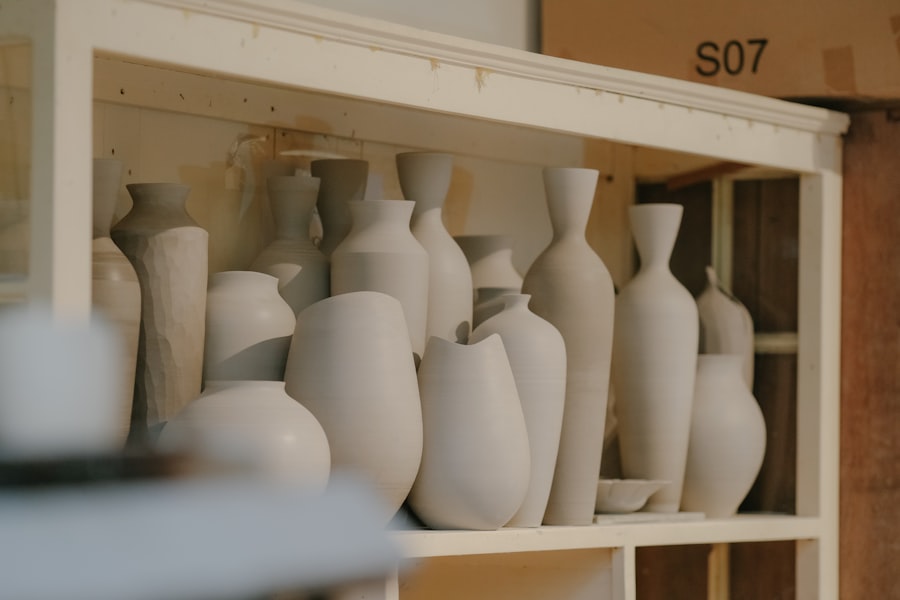
The significance of the unearthed vitrified ceramics extends far beyond their aesthetic appeal. These artifacts serve as tangible links to the past, providing insights into the technological capabilities and artistic expressions of ancient societies. As you examine these pieces, you may begin to appreciate how they reflect the cultural values and practices of their creators.
The presence of vitrified ceramics in this desert region suggests that trade routes may have existed, facilitating the exchange of ideas and materials across vast distances. Moreover, the discovery prompts a reevaluation of historical narratives surrounding the development of ceramic technology. You might find it fascinating that these ceramics challenge previously held assumptions about when and where certain techniques were developed.
By studying these artifacts, researchers can gain a deeper understanding of how different cultures influenced one another and adapted to their environments. The significance of these ceramics lies not only in their physical characteristics but also in the broader historical context they help to illuminate.
Analysis of the Vitrified Ceramics
To fully appreciate the importance of the vitrified ceramics discovered in the desert, a thorough analysis is essential. This process involves examining various aspects of the artifacts, including their composition, manufacturing techniques, and decorative elements. As you engage with this analysis, you will uncover valuable information about the materials used and the methods employed by ancient artisans.
For instance, you may learn that specific minerals were added to enhance the vitrification process, resulting in unique colorations and textures. Additionally, analyzing the decorative motifs found on these ceramics can provide insights into the cultural significance of the pieces. You might notice patterns that reflect local beliefs or symbols that convey messages about identity and status.
By piecing together these details, researchers can construct a more comprehensive picture of the society that produced these artifacts. The analysis not only enriches your understanding of vitrified ceramics but also contributes to a broader appreciation for the complexities of human creativity throughout history.
Historical Context of Vitrified Ceramics
| Metric | Value | Description |
|---|---|---|
| Location | Libyan Desert, North Africa | Region where vitrified ceramics were discovered |
| Age | Approx. 3,000 years | Estimated age of the vitrified ceramics |
| Material Composition | Silica, Alumina, Iron Oxides | Main components of the vitrified ceramics |
| Vitrification Temperature | Above 1000°C | Temperature required to vitrify the ceramics |
| Discovery Year | 2023 | Year when the vitrified ceramics were first documented |
| Significance | Evidence of ancient high-temperature technology | Importance of the discovery in archaeological studies |
Understanding the historical context surrounding vitrified ceramics is crucial for grasping their significance. These artifacts did not emerge in isolation; rather, they are part of a rich tapestry woven from various cultural influences and technological advancements. As you explore this context, you may discover that vitrification techniques have been employed across different civilizations, each adapting the process to suit their unique needs and environments.
The timeline of vitrified ceramics spans thousands of years, with evidence suggesting that early forms appeared in ancient Mesopotamia and China. You might find it intriguing to trace how these techniques evolved over time, influenced by factors such as trade interactions and environmental changes. By situating these ceramics within their historical framework, you can better appreciate how they reflect broader societal trends and shifts in artistic expression.
Techniques Used to Create Vitrified Ceramics
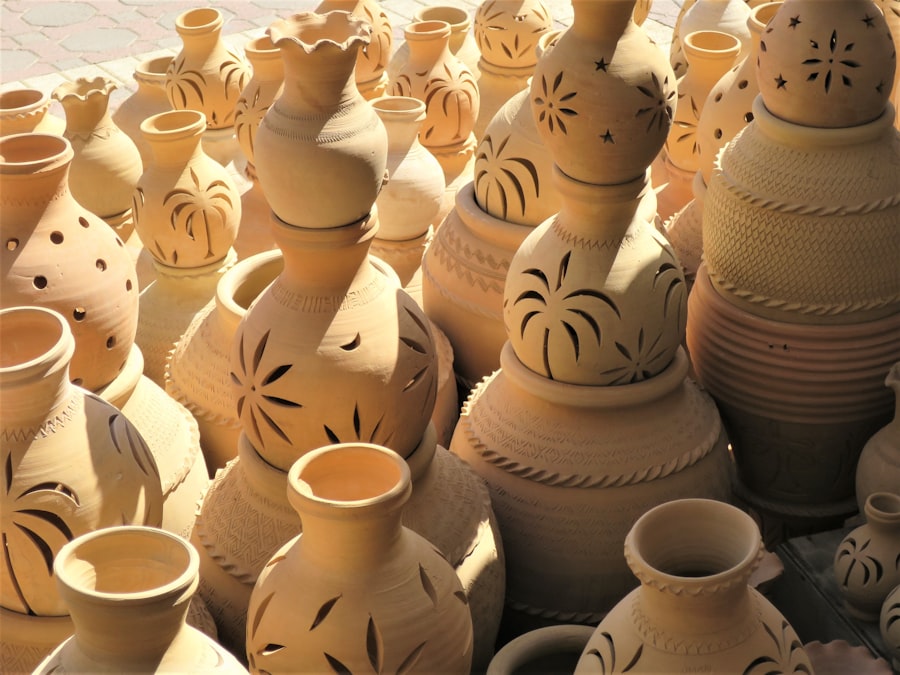
The creation of vitrified ceramics involves a series of intricate techniques that showcase the skill and knowledge of ancient artisans. As you delve into this topic, you will encounter various methods employed to achieve the desired results. One key aspect is the selection of raw materials; artisans often chose specific clays and additives to enhance the vitrification process.
You may find it fascinating that different regions developed distinct approaches based on local resources and environmental conditions. Firing techniques also play a critical role in producing vitrified ceramics. The temperature and atmosphere within kilns can significantly impact the final product’s appearance and durability.
As you explore these firing methods, you might discover how innovations in kiln design allowed for greater control over temperature fluctuations, leading to more consistent results. Understanding these techniques not only highlights the craftsmanship involved but also underscores the ingenuity of those who created these remarkable artifacts.
Similar Discoveries of Vitrified Ceramics
The discovery of vitrified ceramics in the desert is not an isolated incident; similar finds have occurred in various parts of the world, each contributing to our understanding of this fascinating material. As you investigate these other discoveries, you will encounter a diverse array of artifacts that share common characteristics yet reflect distinct cultural influences. For instance, you might come across vitrified ceramics from ancient Greece or Rome, showcasing different styles and techniques that reveal regional variations.
These similar discoveries provide valuable opportunities for comparative analysis. By examining how different cultures approached vitrification, you can gain insights into their artistic priorities and technological capabilities. You may also find it interesting to consider how trade routes facilitated the exchange of ideas and materials, leading to cross-cultural influences in ceramic production.
Each new find adds another layer to our understanding of vitrified ceramics and their place within global history.
Preservation and Conservation of Vitrified Ceramics
Preserving and conserving vitrified ceramics is essential for ensuring that future generations can appreciate these remarkable artifacts. As you consider this aspect, you may become aware of the challenges faced by conservators in maintaining the integrity of these delicate pieces. Factors such as environmental conditions, handling practices, and previous restoration attempts can all impact an artifact’s longevity.
Conservation efforts often involve careful cleaning techniques and appropriate storage solutions to minimize damage from light, humidity, and temperature fluctuations. You might find it enlightening to learn about modern technologies used in conservation, such as digital imaging and 3D scanning, which allow for detailed documentation without risking harm to the original pieces. By prioritizing preservation efforts, we can safeguard these treasures for future study and appreciation.
Cultural and Artistic Impact of Vitrified Ceramics
The cultural and artistic impact of vitrified ceramics extends far beyond their physical presence; they serve as powerful symbols of human creativity and expression.
The intricate designs and craftsmanship involved in creating vitrified ceramics often convey messages about identity, status, and community ties.
Moreover, vitrified ceramics have influenced contemporary artists and designers who draw inspiration from their beauty and functionality. You might find it fascinating to see how modern interpretations incorporate traditional techniques while pushing boundaries in terms of form and design. This ongoing dialogue between past and present highlights the enduring legacy of vitrified ceramics as a source of inspiration for new generations.
Future Research and Exploration of Vitrified Ceramics
The future research and exploration of vitrified ceramics hold great promise for expanding our understanding of this captivating material. As new discoveries are made and technologies advance, researchers will continue to uncover insights into ancient societies’ lives and practices. You may be excited by the potential for interdisciplinary collaboration among archaeologists, chemists, historians, and artists to deepen our knowledge.
Emerging technologies such as isotopic analysis and advanced imaging techniques will likely play a crucial role in future studies. These tools can provide valuable information about raw material sourcing, production methods, and even trade networks that existed long ago. As you contemplate these possibilities, you may feel a sense of anticipation for what future research will reveal about vitrified ceramics and their place within our shared human history.
Conclusion and Implications of the Unearthed Vitrified Ceramics
In conclusion, the unearthed vitrified ceramics from the desert represent more than mere artifacts; they are windows into ancient cultures that shaped our world today. As you reflect on their significance, consider how they challenge our understanding of history while enriching our appreciation for human creativity across time and space. The stories embedded within these ceramics invite us to explore connections between diverse cultures while celebrating our shared heritage.
The implications of this discovery extend beyond academic interest; they remind us of our responsibility to preserve cultural artifacts for future generations. By valuing these treasures and supporting ongoing research efforts, we contribute to a greater understanding of our past while fostering appreciation for artistic expression in all its forms. As you continue your journey through history’s rich tapestry, let these vitrified ceramics inspire curiosity about the complexities that define humanity’s collective experience.
Recent discoveries in the desert have unveiled fascinating insights into vitrified ceramics, shedding light on ancient civilizations and their advanced techniques. For a deeper understanding of the implications of these findings, you can explore a related article that discusses the broader context of archaeological discoveries in arid regions. Check it out here: Related Article on Archaeological Discoveries.
FAQs
What are vitrified ceramics?
Vitrified ceramics are materials that have been subjected to high temperatures causing them to partially melt and fuse into a glass-like, non-porous solid. This process enhances their strength, durability, and resistance to water and chemicals.
Where was the vitrified ceramics desert discovery made?
The discovery of vitrified ceramics was made in a desert region, though the specific location can vary depending on the article. Such discoveries often occur in arid, remote areas where ancient human activity or natural events have preserved these materials.
Why is the discovery of vitrified ceramics in a desert significant?
Finding vitrified ceramics in a desert is significant because it can provide insights into ancient technologies, trade routes, or environmental conditions. It may also indicate past human settlements or natural phenomena like wildfires or meteor impacts that caused vitrification.
How are vitrified ceramics formed naturally?
Naturally vitrified ceramics can form when intense heat from events such as wildfires, volcanic activity, or meteorite impacts melts certain minerals in the soil or pottery, causing them to fuse into a glassy, vitrified state.
What can vitrified ceramics tell us about ancient civilizations?
Vitrified ceramics can reveal information about the technological capabilities, cultural practices, and environmental adaptations of ancient civilizations. They may indicate advanced firing techniques or exposure to extreme heat events.
Are vitrified ceramics used in modern applications?
Yes, vitrified ceramics are used in modern applications such as tiles, sanitary ware, and industrial components due to their strength, durability, and resistance to moisture and chemicals.
How do researchers analyze vitrified ceramics?
Researchers use techniques like microscopy, spectroscopy, and chemical analysis to study the composition, structure, and formation processes of vitrified ceramics, helping to determine their origin and history.
Can vitrified ceramics be artificially produced?
Yes, vitrified ceramics are commonly produced artificially in kilns by heating ceramic materials to high temperatures to achieve the desired glass-like properties for various industrial and artistic uses.