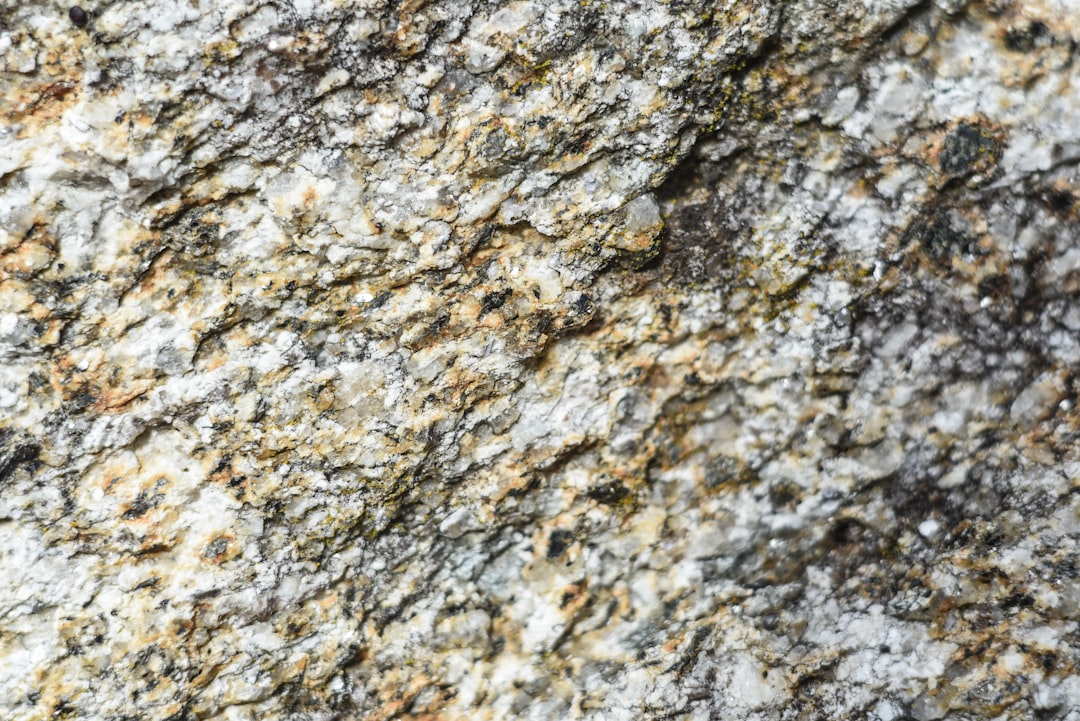
Vitrified granite, a material formed through an advanced ceramic manufacturing process, presents compelling evidence of its capacity to withstand and retain heat. This characteristic is not an innate property of naturally occurring granite, but rather a result of deliberate material engineering. The fusion of raw materials at extreme temperatures creates a dense, non-porous structure that fundamentally alters its thermal behavior. Understanding vitrified granite’s high heat evidence requires delving into its composition, manufacturing, and the scientific principles governing its thermal performance.
The journey of vitrified granite begins with a carefully selected blend of mineral components, primarily silicates, alumina, silica, and feldspar. These are not arbitrary ingredients; their precise ratios are critical to achieving the desired outcome. Think of these raw materials as the building blocks of a complex chemical reaction. When subjected to temperatures typically exceeding 1200 degrees Celsius (2192 degrees Fahrenheit), these components undergo a transformation akin to a volcanic eruption, but one meticulously controlled within an industrial kiln.
Sourcing and Preparation of Raw Materials
The quality of the initial ingredients is paramount. Impurities can act as weak links, compromising the final material’s integrity, especially under thermal stress. Geologists and materials scientists meticulously select deposits known for their purity. Following extraction, these minerals are crushed, ground, and uniformly mixed. This preparation ensures that the subsequent firing process results in a homogeneous melt, preventing localized variations that could become thermal vulnerabilities. Imagine trying to bake a cake with unevenly mixed flour and sugar; the result would be inconsistent, and so it is with poorly prepared ceramic precursors.
The Kiln’s Crucible: Sintering and Fusion
The heart of vitrification lies within the kiln. Here, the prepared mixture is heated to temperatures that cause it to partially melt and flow. This molten state, known as a viscous liquid, allows for the dissolution of some components and the recrystallization of others into new, stable mineral phases. Crucially, air pockets and pores within the original mixture are eliminated as the material densifies. This process, known as sintering, draws the particles closer together, forming a solid, glassy matrix. The resulting material is no longer a simple aggregate of minerals; it has been fundamentally transformed into a new, robust substance.
Understanding the Glassy Matrix
The glassy matrix formed during vitrification is key to the material’s heat-resisting properties. This amorphous structure, lacking the long-range atomic order of crystalline solids, can absorb and dissipate energy efficiently. It acts like a highly effective shock absorber for heat, preventing rapid temperature fluctuations from causing internal stresses that could lead to cracking or failure. The absence of micropores means that gases and liquids, which can cause thermal expansion and steam pressure under heat, cannot penetrate the material and disrupt its structure.
Vitrified granite is known for its durability and resistance to high temperatures, making it an excellent choice for various applications, including countertops and flooring. Recent studies have provided compelling evidence regarding its ability to withstand extreme heat without compromising its structural integrity. For those interested in understanding how to prepare for unexpected challenges, including the financial implications of home renovations with materials like vitrified granite, you may find valuable insights in this article: Financial Emergency Plan for US Citizens: Be Prepared for the Unexpected.
Thermal Properties of Vitrified Granite: A Foundation of Stability
Vitrified granite exhibits a set of thermal properties that distinguish it from its natural counterpart and underpin its suitability for high-temperature applications. These properties are not merely theoretical; they are measurable and reproducible, offering tangible benefits in industrial and domestic settings.
Low Thermal Conductivity: The Heat Barrier
One of the most significant thermal properties of vitrified granite is its low thermal conductivity. This means it resists the flow of heat. In practical terms, this translates to a material that can effectively insulate. When exposed to heat, it takes a considerable amount of time for that heat to transfer through its entirety. This is akin to wearing a thick, well-insulated jacket on a cold day; it keeps the heat from escaping. This property is crucial in applications where heat containment or protection is necessary.
Microscopic Structure and Heat Transfer
The internal structure of vitrified granite plays a vital role in its low thermal conductivity. The dense, interconnected glassy matrix minimizes the pathways for heat to travel. In crystalline materials, heat often propagates through lattice vibrations (phonons). In the glassy matrix of vitrified granite, these vibrations are more disordered and less efficient at transferring energy. Furthermore, any remaining micro-voids, though significantly reduced from natural materials, are filled with air, which is itself a poor conductor of heat.
High Specific Heat Capacity: Absorbing the Fury of Heat
Vitrified granite also possesses a relatively high specific heat capacity. This property quantifies the amount of heat energy required to raise the temperature of a unit mass of the substance by one degree. A higher specific heat capacity means the material can absorb a greater amount of thermal energy before its temperature rises significantly. This is like a large reservoir of water; it can absorb a considerable inflow of heat without its temperature soaring. This buffering effect helps to stabilize temperatures and prevent sudden, damaging increases.
The Role of Bonding and Atomic Arrangement
The strength of the chemical bonds between atoms and the arrangement of these atoms within the material influence its specific heat capacity. In vitrified granite, the strong covalent and ionic bonds require a substantial amount of energy to excite the vibrations of the constituent atoms. The amorphous, disordered structure also contributes, as energy can be absorbed through a variety of molecular and atomic motions.
Thermal Expansion: Controlled and Predictable Movement
While all materials expand when heated and contract when cooled, vitrified granite exhibits a relatively low and predictable coefficient of thermal expansion. This means that its size changes minimally with temperature fluctuations. This controlled expansion and contraction is vital for applications where dimensional stability is critical. Imagine a precision instrument; uncontrolled expansion could render it useless. Vitrified granite’s predictability allows engineers to account for its minor dimensional changes with confidence.
Minimizing Stress and Strain
The low coefficient of thermal expansion is a direct consequence of the strong interatomic bonds and the dense, stable structure. In materials with higher thermal expansion, the increased atomic vibrations cause atoms to push further apart, leading to macroscopic expansion. In vitrified granite, these vibrations are more constrained, resulting in less overall expansion. This minimizes the internal stresses that can develop between different materials or within the vitrified granite itself as temperatures change, preventing cracks and delamination.
Evidence of High Heat Performance: Real-World Applications and Testing
The theoretical properties of vitrified granite translate into tangible evidence of its high heat performance across a variety of demanding applications. These applications serve as practical laboratories, demonstrating the material’s resilience under extreme thermal conditions.
Industrial Furnaces and Kilns: Withstanding the Inferno
The manufacturing of vitrified granite itself is a testament to its heat resistance. Kilns used for firing ceramics, glass, and metals operate at extremely high temperatures. The internal linings of these kilns are often constructed from materials designed to withstand these conditions. Vitrified granite, with its inherent thermal stability, is a prime candidate for such applications. It serves as a refractory material, protecting the furnace structure from the intense heat generated internally.
Lining and Insulation Strategies
In industrial furnaces, vitrified granite components are used as both structural linings and insulating layers. The dense, non-porous nature prevents molten materials from adhering and corroding the lining. The low thermal conductivity ensures that heat is retained within the furnace, improving energy efficiency and protecting the external structure. The ability to withstand thermal cycling – repeated heating and cooling – without degradation is also a critical advantage.
Cookware and Kitchen Surfaces: The Domestic Battleground of Heat
Perhaps the most familiar application of vitrified granite’s heat resistance is found in high-quality cookware and kitchen countertops. Unlike traditional materials that can scorch, crack, or stain under heat, vitrified granite offers a durable and aesthetically pleasing solution.
Cookware Resilience: From Stovetop to Oven
When used in cookware, vitrified granite can be placed directly on a stovetop or in an oven without fear of thermal shock. Its ability to absorb and distribute heat evenly promotes consistent cooking. Spills and splatters, even when hot, are easily cleaned without leaving permanent marks. The material’s inert nature also means it does not react with acidic or alkaline foods, ensuring that flavors are preserved. This signifies a material that has successfully navigated the daily heat of a kitchen, a far cry from the controlled environment of a laboratory.
Countertop Durability: The Shield Against Hot Objects
In kitchen countertops, vitrified granite provides a surface that can handle hot pots and pans directly from the stove or oven. While manufacturers may still recommend trivets or hot pads as a precaution to protect the aesthetic finish over prolonged periods, the material’s underlying thermal integrity ensures that it will not crack or shatter. This resilience significantly reduces the risk of damage from everyday kitchen activities.
Laboratory Equipment: Precision Under Pressure
In scientific laboratories, where extreme temperatures and chemical reactions are commonplace, materials must meet stringent performance criteria. Vitrified granite finds applications in laboratory equipment where heat resistance is paramount.
Crucibles and Labware: Containing Fiery Experiments
Crucibles, small vessels used to heat substances to very high temperatures, are often made from refractory materials. Vitrified granite, when formulated for this purpose, can withstand precise heating and cooling cycles required for experiments. Its chemical inertness also ensures that it does not contaminate the samples being analyzed. This means it can act as a silent, steadfast guardian of volatile experiments, ensuring that the focus remains on the science, not on the limitations of the equipment.
Analytical Instrumentation: Maintaining Stability
Components within analytical instruments that are exposed to heat, such as in certain types of chromatography or spectroscopy, can also be manufactured from vitrified granite. The material’s dimensional stability under varying temperatures ensures the accuracy and reliability of these precise instruments.
Factors Influencing High Heat Evidence: Beyond the Basic Composition
While the fundamental nature of vitrified granite dictates its heat resistance, several factors can influence the extent and reliability of its high heat evidence. These are nuanced considerations that separate exemplary performance from merely adequate.
Formulation and Additives: Tailoring for Extremes
The specific formulation of the raw materials can be adjusted to enhance high heat performance. The inclusion of certain refractory oxides, for instance, can further increase the melting point and thermal stability of the vitrified matrix. Additives can also influence the coefficient of thermal expansion, allowing for even greater precision in applications requiring minimal dimensional change under heat.
Advanced Ceramic Engineering
Manufacturers employ advanced ceramic engineering principles to fine-tune the composition. This involves understanding the phase diagrams of the constituent minerals and predicting how they will interact at high temperatures. The goal is to create a material that is not only resistant to melting but also to chemical degradation and structural changes at elevated temperatures.
Manufacturing Process Control: Consistency is Key
The precision with which the manufacturing process is controlled directly impacts the material’s ability to withstand high heat. Variations in firing temperature, duration, and atmospheric conditions within the kiln can lead to inconsistencies in the final product’s microstructure and thus its thermal performance.
The Importance of Uniform Heating
Uniform heating throughout the kiln is essential. Inconsistent heating can result in areas of incomplete vitrification or over-sintering, creating weak points that are susceptible to thermal stress. Sophisticated kiln designs and precise temperature monitoring systems are employed to ensure homogeneity.
Post-Manufacturing Treatments: Enhancing Durability
Certain post-manufacturing treatments can further enhance the high heat evidence of vitrified granite. These can include surface treatments or controlled annealing processes.
Surface Coatings and Glazes
While vitrified granite is inherently dense, applying specialized glazes or surface coatings can provide an additional layer of protection against extreme heat and chemical attack. These coatings are designed to bond seamlessly with the underlying vitrified structure, creating a unified, high-performance material.
Annealing for Stress Relief
Annealing, a controlled heating and cooling process, can be employed after firing to relieve any residual stresses within the vitrified granite. This is particularly important for larger or more complex shapes, where internal stresses can build up during the initial cooling phase. Relieving these stresses makes the material more resilient to thermal shock and mechanical impact.
Recent studies have explored the remarkable properties of vitrified granite, particularly its resistance to high heat, which has sparked interest in ancient technologies. For a deeper understanding of how ancient civilizations may have harnessed similar materials and techniques, you can refer to an insightful article that discusses the catastrophic effects of lost innovations. This article highlights various ancient technologies that have been forgotten over time, shedding light on the potential applications of materials like vitrified granite. To read more about this intriguing topic, visit this article.
The Scientific Basis of High Heat Resistance: Molecular and Structural Insights
| Metric | Description | Value/Range | Unit | Notes |
|---|---|---|---|---|
| Temperature Required for Vitrification | Minimum temperature at which granite undergoes vitrification | 1100 – 1300 | °C | Depends on mineral composition and duration of heat exposure |
| Duration of Heat Exposure | Time granite must be exposed to high heat to vitrify | Several minutes to hours | Minutes/Hours | Longer exposure increases vitrification extent |
| Glass Content Percentage | Proportion of glassy phase formed in vitrified granite | 20 – 60 | % | Measured via petrographic analysis |
| Structural Changes | Changes in crystal structure due to vitrification | Amorphization of quartz and feldspar | N/A | Detected by X-ray diffraction (XRD) |
| Color Change | Visual evidence of high heat exposure | Darkening to black or dark gray | N/A | Indicative but not definitive |
| Thermal Shock Fractures | Cracks formed due to rapid heating and cooling | Present/Absent | N/A | Common in vitrified granite samples |
| Magnetic Susceptibility | Change in magnetic properties after vitrification | Increased by 10-50% | Relative units | Measured with magnetometer |
The exceptional performance of vitrified granite under high heat is not empirical guesswork; it is deeply rooted in fundamental material science principles. Understanding these principles provides a scientific framework for its remarkable properties.
Covalent and Ionic Bonding: The Strong Embrace
The atoms within the glassy matrix of vitrified granite are held together by strong covalent and ionic bonds. Covalent bonds involve the sharing of electrons between atoms, creating a very stable linkage. Ionic bonds, formed by the electrostatic attraction between positively and negatively charged ions, are also strong. The collective strength of these bonds requires a significant amount of thermal energy to overcome, meaning the material resists structural breakdown at high temperatures.
Energy Demands for Bond Breaking
Breaking these strong chemical bonds requires a substantial input of energy. At typical high temperatures encountered in industrial processes or extreme domestic use, the energy available is often insufficient to cause significant bond dissociation. This inherent molecular stability is the bedrock of its heat resistance.
Amorphous Structure and Phonon Scattering: Dissipating Energy
The amorphous, non-crystalline structure of the glassy matrix plays a crucial role. Unlike crystalline materials, where atomic vibrations (phonons) can propagate efficiently along ordered lattice structures, the disordered nature of the glass leads to more scattering of these phonons. This scattering effectively dissipates thermal energy, preventing it from accumulating in specific areas and causing localized overheating.
The Chaotic Dance of Atoms
Imagine a perfectly aligned row of dancers. A single push can send a wave of motion down the entire line. Now imagine a crowd of dancers moving chaotically. A push on one dancer has a much more localized effect, with the energy quickly getting absorbed or redirected by the surrounding dancers. This is analogous to how heat propagates (or rather, doesn’t propagate efficiently) through a glassy matrix.
Macroscopic Properties Arising from Microscopic Structure: The Big Picture from the Small
The macroscopic properties of vitrified granite – its low thermal conductivity, high heat capacity, and controlled thermal expansion – are direct consequences of its microscopic structure and the nature of its chemical bonds. The absence of pores and grain boundaries, the strength of interatomic forces, and the disordered atomic arrangement all contribute to its ability to withstand extreme thermal environments.
A Symbiotic Relationship Between Micro and Macro
It is the intricate interplay between the molecular bonds, the atomic arrangement, and the resulting macroscopic structure that equips vitrified granite with its remarkable high heat evidence. It is a material engineered from the ground up, with its thermal resilience woven into its very fabric.
Future Potential and Continued Evolution
The story of vitrified granite and its high heat evidence is not one of stasis but of ongoing development. As our understanding of material science deepens and our technological capabilities advance, the applications and performance of this versatile material are likely to expand further.
Innovations in Composition and Manufacturing
Ongoing research focuses on developing new formulations of vitrified granite with even greater thermal resistance, improved durability, and novel aesthetic properties. Innovations in manufacturing processes, such as additive manufacturing (3D printing) with ceramic materials, could enable the creation of complex vitrified granite components with optimized thermal performance and reduced waste.
Tailoring for Extreme Environments
Future iterations might be engineered to withstand even more extreme temperatures and corrosive environments, opening doors to applications in aerospace, advanced energy systems, and specialized industrial processes where current materials fall short.
Expanding Applications and Sustainability
As the benefits of vitrified granite become more widely recognized, its use is likely to expand into new sectors. Furthermore, the inherent durability and longevity of vitrified granite contribute to its sustainability. By replacing materials that degrade more quickly and require more frequent replacement, it contributes to a more resource-efficient economy.
A Material for the Long Haul
The long lifespan of products made from vitrified granite means less waste generated over time. Its resistance to wear, staining, and thermal damage ensures that items made from this material remain functional and aesthetically pleasing for extended periods, reducing the need for costly and resource-intensive replacements.
In conclusion, the high heat evidence of vitrified granite is a testament to deliberate material engineering. Its transformation from common minerals into a robust ceramic through controlled high-temperature firing imbues it with a suite of thermal properties that make it invaluable in applications demanding resilience under intense heat. From the roaring infernos of industrial furnaces to the everyday demands of a modern kitchen, vitrified granite stands as a material that demonstrably conquers the challenges posed by heat, offering a stable, reliable, and enduring performance.
FAQs
What is vitrified granite?
Vitrified granite is a type of engineered stone made by fusing natural granite particles with glass and other materials at high temperatures. This process creates a dense, non-porous surface that is highly durable and resistant to heat, stains, and scratches.
How does vitrified granite demonstrate high heat resistance?
Vitrified granite exhibits high heat resistance due to its composition and manufacturing process. The fusion of granite particles with glass at extremely high temperatures results in a surface that can withstand direct contact with hot objects without cracking, discoloring, or degrading.
What evidence supports the high heat resistance of vitrified granite?
Scientific tests and practical applications provide evidence of vitrified granite’s high heat resistance. Laboratory heat exposure tests show minimal thermal expansion and no surface damage, while real-world use in kitchen countertops and industrial settings confirms its ability to endure high temperatures safely.
Where is vitrified granite commonly used because of its heat resistance?
Due to its high heat resistance, vitrified granite is commonly used in kitchen countertops, flooring, outdoor paving, and industrial work surfaces. Its durability makes it ideal for environments where exposure to heat and heavy use is frequent.
How does vitrified granite compare to natural granite in terms of heat resistance?
Vitrified granite generally offers superior heat resistance compared to natural granite because of its engineered composition and vitrification process. While natural granite is heat resistant, vitrified granite’s fused glass content enhances its ability to withstand higher temperatures without damage.