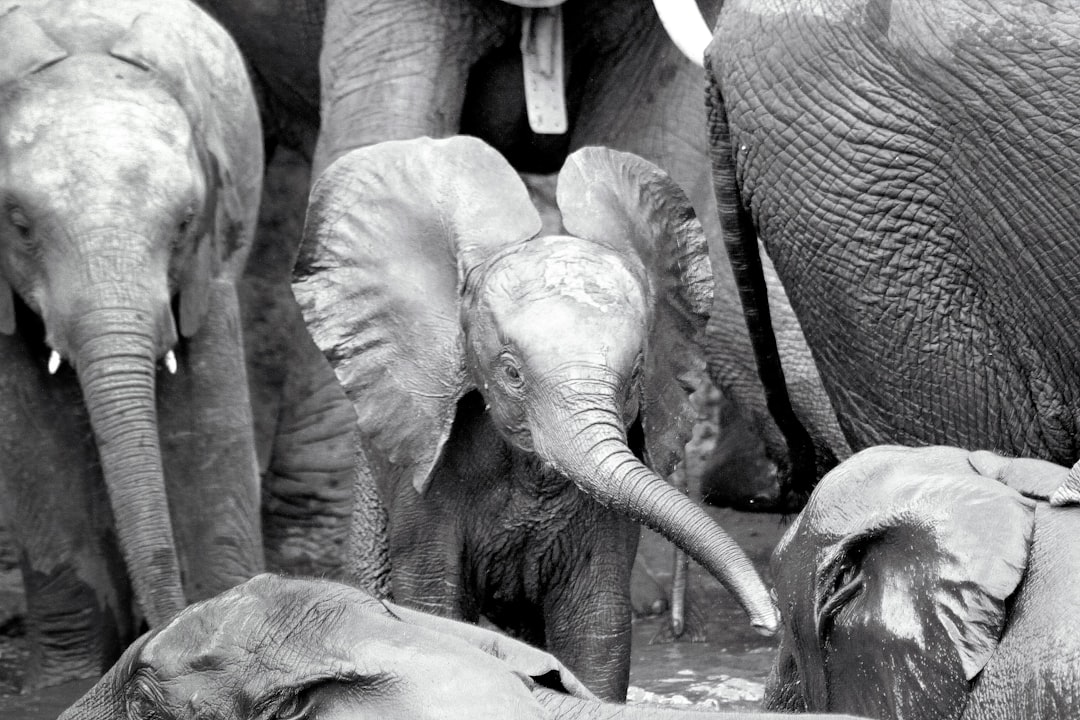
The history of war elephants is a fascinating tale that stretches back thousands of years, intertwining with the rise and fall of empires across Asia, Africa, and beyond. The earliest recorded use of elephants in warfare dates back to around 3000 BCE in the Indus Valley, where they were likely employed for their sheer size and strength. However, it was not until the 4th century BCE that their military potential was fully realized, particularly by the armies of India.
The Maurya Empire, under the leadership of Chandragupta Maurya and later his grandson Ashoka, showcased the strategic advantages of these magnificent creatures in battle. Their ability to charge into enemy lines, causing chaos and destruction, made them invaluable assets on the battlefield. As time progressed, the use of war elephants spread to other regions, notably to Persia and eventually to the Mediterranean.
The famous Carthaginian general Hannibal famously crossed the Alps with a contingent of war elephants during the Second Punic War, demonstrating their significance in military strategy. This bold maneuver not only showcased the logistical challenges of transporting such large animals but also highlighted their psychological impact on enemy forces. The legacy of war elephants continued through various cultures, with each adapting their use according to local conditions and warfare tactics.
By examining their historical journey, one can appreciate how these majestic animals became symbols of power and military prowess.
Key Takeaways
- War elephants were first used in ancient India and later became a key element in military tactics in various ancient civilizations.
- War elephants played a crucial role in ancient battles, serving as mobile platforms for archers and spear throwers, and causing chaos and fear among enemy forces.
- The psychological impact of war elephants on enemy forces was significant, as their sheer size and power instilled fear and panic, often leading to disarray and retreat.
- Training and preparation of war elephants for battle involved rigorous physical and mental conditioning, as well as specialized tactics to maximize their effectiveness on the battlefield.
- The use of war elephants varied across different cultures and regions, from the Indian subcontinent to the Mediterranean and Southeast Asia, each employing unique strategies and techniques in warfare.
The Role of War Elephants in Ancient Battles
War elephants played a multifaceted role in ancient battles, serving not only as formidable combatants but also as symbols of authority and strength. Their primary function was to charge into enemy formations, trampling soldiers and creating disarray among ranks. The sheer size and weight of an elephant could break through infantry lines, causing panic and confusion.
In many instances, the sight of a charging elephant was enough to instill fear in opposing forces, often leading to a psychological advantage before any physical confrontation even began. This ability to disrupt enemy formations made them a crucial component of ancient military tactics. Moreover, war elephants were often equipped with armor and weapons, enhancing their effectiveness in combat.
They could carry archers or javelin throwers on their backs, allowing for ranged attacks while remaining protected from ground assaults. This versatility made them valuable assets in various terrains and battle scenarios.
Their presence on the battlefield was not merely about brute force; it was also about strategic positioning and the ability to adapt to different combat situations.
The Psychological Impact of War Elephants on Enemy Forces
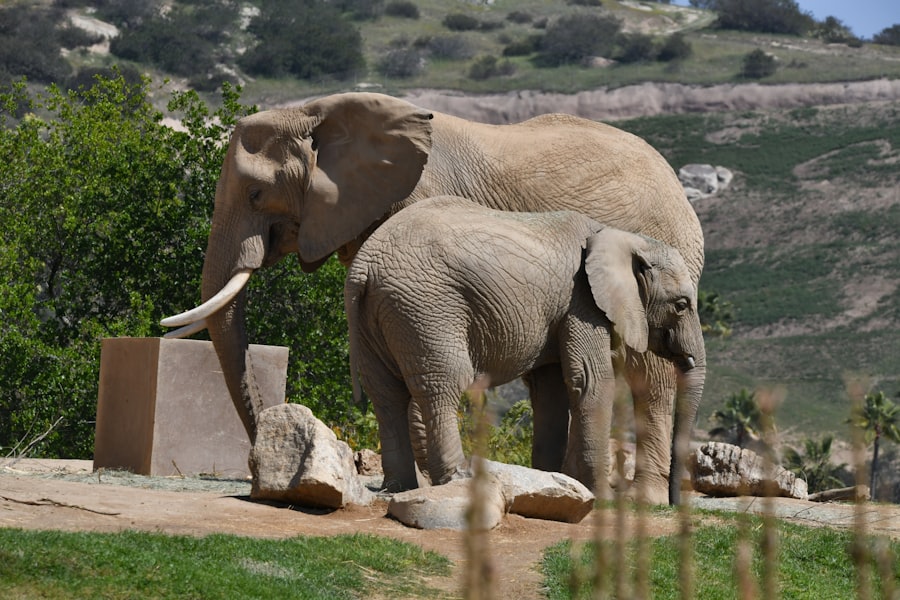
The psychological impact of war elephants on enemy forces cannot be overstated. Their immense size and power often evoked fear and awe among opposing soldiers, leading to a breakdown in morale before any actual fighting commenced. Historical accounts suggest that many armies would flee at the mere sight of these colossal creatures charging towards them.
The psychological warfare aspect of using elephants was as significant as their physical capabilities; they served as living symbols of dominance that could intimidate adversaries into submission. Furthermore, the presence of war elephants could alter the dynamics of battle formations. Opposing forces often had to adjust their strategies to account for the threat posed by these animals, which could lead to disorganization within their ranks.
The unpredictability of elephants in combat—sometimes becoming frightened or uncontrollable—added another layer of complexity to warfare. This unpredictability could turn the tide of battle in favor of those who wielded them effectively, showcasing how psychological factors intertwined with tactical considerations in ancient warfare.
Training and Preparation of War Elephants for Battle
| Training and Preparation of War Elephants for Battle | |
|---|---|
| Training Period | 6-12 months |
| Training Techniques | Positive reinforcement, desensitization, and obedience training |
| Physical Conditioning | Strength and endurance training |
| Combat Skills | Charging, trampling, and following commands in battle |
| Equipment | Armor, howdahs, and weapons for the mahouts |
Training and preparation were critical components in ensuring that war elephants performed effectively on the battlefield. The process began at a young age, with handlers—often referred to as mahouts—developing a bond with the elephants to instill discipline and obedience. This relationship was essential; an elephant that was not well-trained could become a liability rather than an asset during combat.
Training involved acclimatizing the elephants to the sounds and chaos of battle, ensuring they would remain calm amidst the clamor of war. Handlers employed various techniques to prepare elephants for combat scenarios, including desensitization to loud noises and sudden movements. They would also practice maneuvers that allowed elephants to charge effectively while maintaining control over their direction and speed.
Additionally, some cultures utilized specific rituals or ceremonies to bless the elephants before battles, reinforcing their status as sacred animals within military contexts. This combination of training and cultural significance contributed to the effectiveness of war elephants as formidable forces on the battlefield.
The Use of War Elephants in Different Cultures and Regions
The use of war elephants varied significantly across different cultures and regions, each adapting their strategies based on local customs and warfare practices. In India, for instance, elephants were integral to military campaigns from ancient times through the medieval period. They were often adorned with elaborate decorations and armor, reflecting their status within society.
Indian kings would showcase their might by deploying large contingents of war elephants during battles, reinforcing their authority and power. In contrast, in regions like North Africa and the Mediterranean, war elephants were utilized differently. The Carthaginians famously employed them during conflicts against Rome, with Hannibal’s legendary crossing of the Alps serving as a prime example.
The Romans recognized the threat posed by these creatures and developed counter-strategies to neutralize them in battle. Each culture’s unique approach to utilizing war elephants highlights how these animals transcended mere military assets; they became symbols of cultural identity and pride.
Strategies for Maximizing the Effectiveness of War Elephants in Warfare
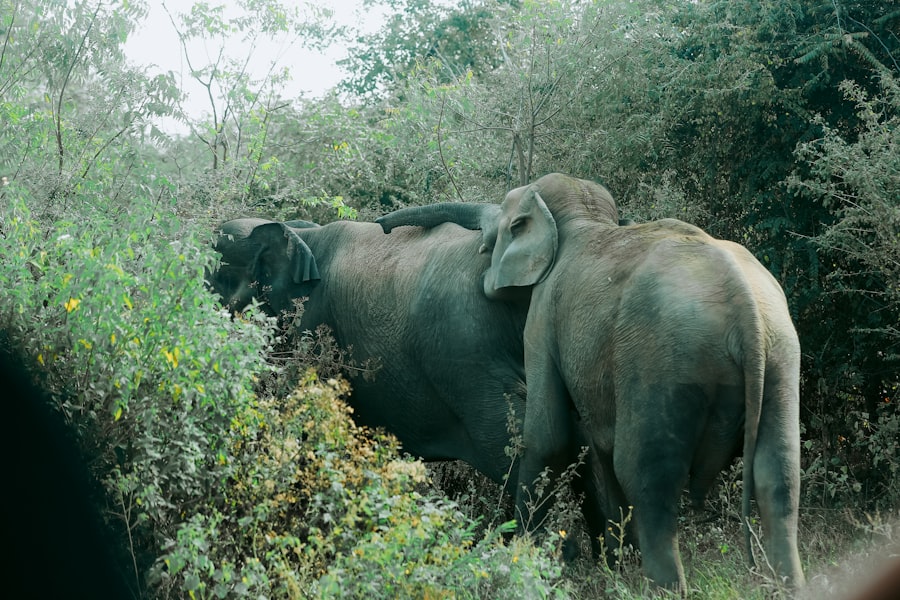
Maximizing the effectiveness of war elephants required careful planning and strategic execution on the battlefield. Commanders often deployed them at critical moments during engagements to create maximum impact. For instance, using elephants to break through enemy lines at pivotal points could lead to significant advantages in terms of territory gained or enemy morale shattered.
Additionally, coordinating elephant charges with infantry or cavalry maneuvers allowed for a more comprehensive assault strategy. Moreover, understanding the terrain was crucial for effective deployment. Elephants thrived in open fields where they could charge freely but struggled in dense forests or mountainous regions where mobility was restricted.
Commanders who recognized these factors could leverage their strengths while minimizing vulnerabilities. Furthermore, maintaining a strong bond between mahouts and their elephants ensured that these animals remained calm and focused during chaotic battle scenarios, further enhancing their effectiveness as instruments of war.
The Symbolism and Prestige of War Elephants in Ancient Societies
In ancient societies, war elephants transcended their roles as mere beasts of burden; they became potent symbols of prestige and power. Rulers often used them as displays of wealth and military might, showcasing their ability to command such magnificent creatures. Elephants were frequently depicted in art and literature as embodiments of strength and nobility, reinforcing their status within cultural narratives.
Their presence at royal ceremonies or parades further solidified their symbolic significance. Additionally, war elephants were often associated with divine favor or protection in various cultures. In India, for example, they were linked to deities such as Ganesha, symbolizing wisdom and strength.
This spiritual connection added layers of meaning to their use in warfare; they were not just tools for conquest but also sacred beings that carried cultural significance. As such, the symbolism surrounding war elephants contributed to their enduring legacy within ancient societies.
The Decline of War Elephants in Modern Warfare
The decline of war elephants in modern warfare can be attributed to several factors that transformed military strategies over time. With advancements in technology—particularly firearms and artillery—the effectiveness of large animals on the battlefield diminished significantly. The introduction of mechanized warfare further rendered traditional cavalry units obsolete, including those that relied on elephants for mobility and strength.
As armies began to adopt more modern tactics focused on speed and precision, the role of war elephants became increasingly marginalized. Additionally, changing societal attitudes towards animals played a role in this decline. As humanitarian concerns grew regarding the treatment of animals in warfare, many cultures began reevaluating their use in combat scenarios.
The ethical implications surrounding the training and deployment of war elephants led to a gradual phasing out of their use in military contexts. By the 19th century, war elephants had largely disappeared from organized warfare, marking the end of an era that had once seen them as vital components of military strategy.
The Legacy of War Elephants in Military History
The legacy of war elephants in military history is profound and multifaceted. Their impact on ancient warfare shaped strategies and tactics across various cultures for centuries. The stories surrounding famous battles involving war elephants—such as Hannibal’s campaigns against Rome—continue to captivate historians and enthusiasts alike.
These narratives serve as reminders of how innovative thinking can influence military outcomes and how animals can play pivotal roles in human conflicts. Moreover, the legacy extends beyond mere military applications; it encompasses cultural representations found in art, literature, and folklore throughout history. War elephants have inspired countless works that explore themes of power, loyalty, and bravery.
Their enduring presence in historical narratives reflects humanity’s fascination with these majestic creatures and their complex relationships with humans throughout time.
Ethical Considerations and Controversies Surrounding the Use of War Elephants
The use of war elephants has not been without ethical considerations and controversies throughout history. Concerns regarding animal welfare have long been raised about the treatment and training methods employed by handlers. The rigorous training regimens required to prepare elephants for battle often involved harsh conditions that could lead to physical harm or psychological distress for these intelligent creatures.
As societies evolved towards more humane treatment of animals, questions arose about whether it was justifiable to exploit them for military purposes. Additionally, debates surrounding the ethical implications of using animals in warfare continue today within broader discussions about animal rights and welfare standards globally. While historical contexts may have justified such practices based on survival or dominance during conflicts, modern perspectives challenge these notions by advocating for more compassionate approaches towards all living beings—especially those capable of suffering like elephants.
The Influence of War Elephants on Art, Literature, and Popular Culture
War elephants have left an indelible mark on art, literature, and popular culture throughout history. Their majestic presence has inspired countless artists who sought to capture their grandeur through paintings, sculptures, and other forms of artistic expression. In ancient texts such as those by Plutarch or Arrian detailing battles involving these creatures, vivid descriptions bring forth images that resonate with readers even today.
In contemporary culture, references to war elephants can be found across various media—from films depicting historical battles featuring these magnificent beasts to novels exploring themes related to power dynamics influenced by their presence on battlefields. Their legacy continues to inspire new generations who are drawn not only by tales of bravery but also by reflections on humanity’s complex relationship with nature itself—a relationship that has evolved yet remains deeply intertwined with our shared history. In conclusion, the story of war elephants is one that encapsulates both human ingenuity in warfare strategies as well as ethical dilemmas surrounding animal treatment throughout history.
War elephants have long been recognized not only for their physical prowess on the battlefield but also for their role in psychological warfare. The sheer size and power of these majestic creatures could instill fear in enemy troops, often leading to a swift victory without a prolonged conflict. For a deeper understanding of the strategic use of war elephants and their impact on ancient warfare, you can read more in this related article: War Elephants: The Titans of Psychological Warfare.
WATCH THIS! 15 Ancient Weapons That BROKE History (And Were Hidden)
FAQs
What were war elephants used for in ancient warfare?
War elephants were used as a powerful and intimidating force on the battlefield. They were often used to charge at enemy lines, trample soldiers, and create chaos and fear among the opposing army.
How were war elephants used in psychological warfare?
War elephants were used in psychological warfare by instilling fear and panic in the enemy troops. The sight of these massive creatures charging towards them was often enough to break the morale of the opposing army and create disorder on the battlefield.
What tactics were used to enhance the psychological impact of war elephants?
Tactics such as painting the elephants with intimidating designs, attaching loud bells or gongs to their harnesses, and using them to carry soldiers wielding frightening weapons all contributed to the psychological impact of war elephants on the battlefield.
Which ancient civilizations used war elephants in warfare?
War elephants were used by several ancient civilizations, including the Persians, Indians, Carthaginians, and various Hellenistic kingdoms. They were also famously used by the armies of ancient Rome.
What were the limitations of using war elephants in warfare?
While war elephants were formidable on the battlefield, they also had limitations. They were susceptible to injury, could be difficult to control in the chaos of battle, and were vulnerable to certain types of weapons, such as spears and fire. Additionally, the logistics of transporting and maintaining war elephants could be challenging for ancient armies.