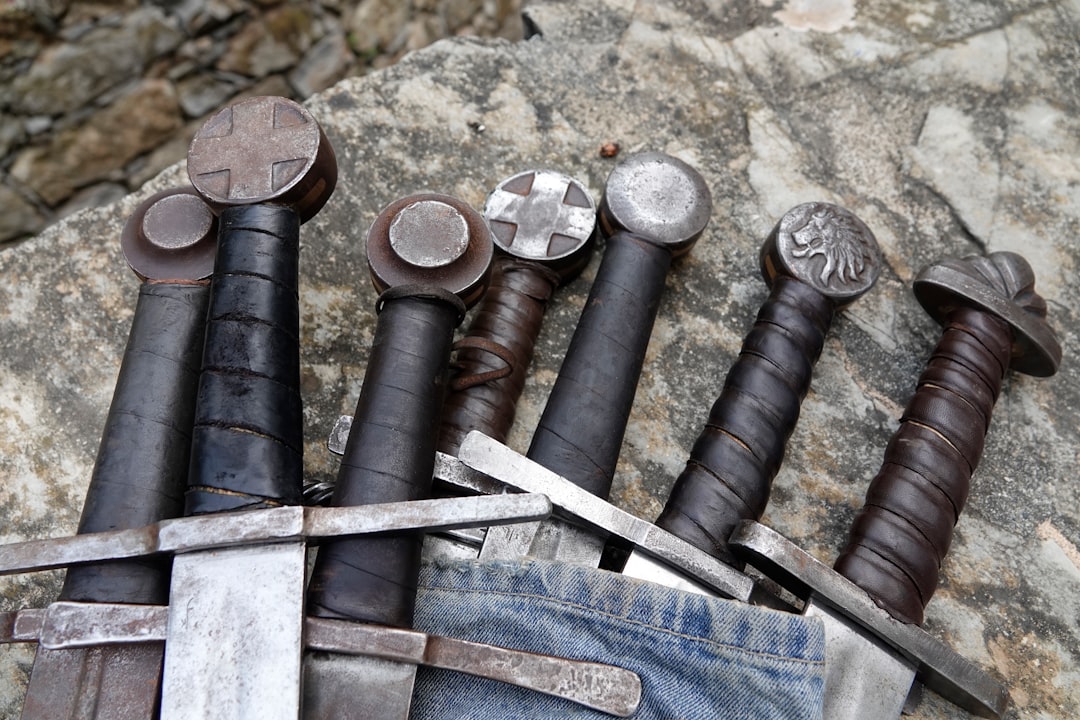
Throughout history, the figure of the warrior has captivated the imagination of societies across the globe. Ancient warriors were not merely soldiers; they embodied the spirit of their cultures, often serving as symbols of strength, honor, and valor. From the fierce gladiators of Rome to the disciplined hoplites of Greece, these individuals played pivotal roles in shaping the course of history.
Their lives were marked by rigorous training, unwavering loyalty, and a deep commitment to their respective causes, whether they were defending their homeland or expanding their empire. The allure of ancient warriors extends beyond their martial prowess. They were often revered in literature and folklore, celebrated in epic tales that highlighted their bravery and exploits.
These narratives served to inspire future generations, instilling a sense of pride and identity within their communities. As such, the legacy of ancient warriors continues to resonate today, reminding modern society of the values of courage and sacrifice that these figures epitomized.
Key Takeaways
- Ancient warriors were skilled fighters who played a significant role in shaping history through their combat techniques and strategies.
- The evolution of ancient weapons, from simple tools to sophisticated instruments of war, reflects the advancement of human civilization.
- The art of war encompassed a wide range of strategies and tactics, including formations, ambushes, and psychological warfare, which were crucial in ancient battles.
- Famous ancient warriors such as Alexander the Great and Spartacus are remembered for their exceptional combat skills and the weapons they wielded.
- The rise and fall of empires were often influenced by the military prowess of ancient warriors and the effectiveness of their weapons in battle.
Evolution of Ancient Weapons
The evolution of weapons in ancient times reflects the ingenuity and adaptability of human beings in response to the demands of warfare. Early weapons were rudimentary, often crafted from stone or wood, designed primarily for hunting and self-defense.
The introduction of metallurgy marked a significant turning point; bronze and later iron allowed for the creation of more durable and effective tools of war. Swords, spears, and shields became essential components of a warrior’s arsenal, each designed with specific purposes in mind. As warfare evolved, so did the complexity of weapons.
The development of siege engines, such as catapults and battering rams, transformed the landscape of battle, enabling armies to breach fortified cities. The introduction of ranged weapons like bows and crossbows allowed warriors to engage enemies from a distance, changing tactics and strategies on the battlefield. This continuous innovation in weaponry not only enhanced combat effectiveness but also reflected the broader technological advancements of ancient societies.
The Art of War: Strategies and Tactics
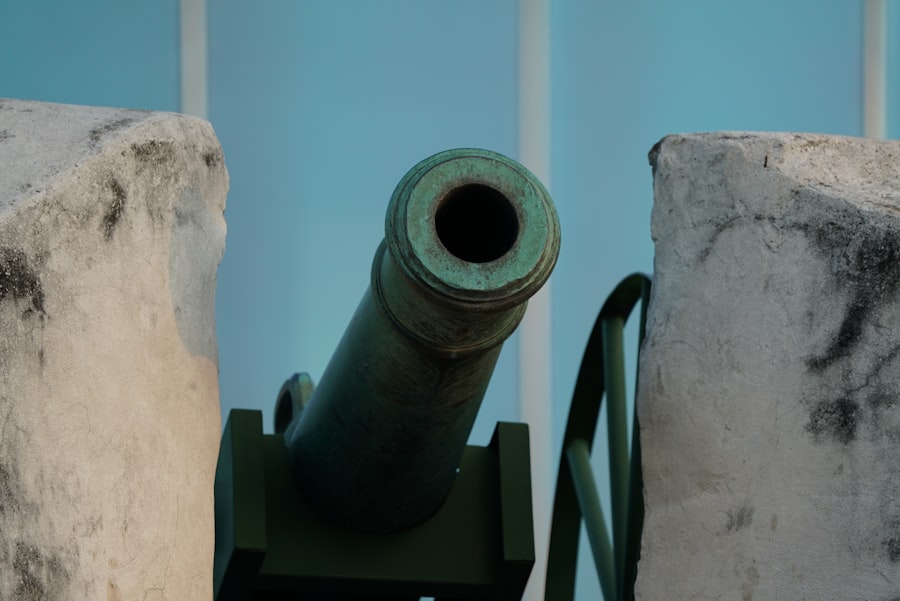
The art of war encompasses a vast array of strategies and tactics that ancient warriors employed to gain the upper hand in battle. Commanders studied their enemies meticulously, seeking to exploit weaknesses while fortifying their own positions. The principles of deception, surprise, and terrain utilization were paramount in crafting successful military campaigns.
For instance, the famous Greek general Sun Tzu emphasized the importance of knowing both oneself and one’s enemy, advocating for strategic planning that could turn the tide of battle. Moreover, formations played a crucial role in ancient warfare. The phalanx formation used by Greek hoplites exemplified how tightly-knit units could create formidable walls of shields and spears, making it difficult for enemies to penetrate their ranks.
Similarly, Roman legions utilized a flexible approach to formations, allowing them to adapt quickly to changing battlefield conditions. These tactical innovations not only showcased the brilliance of military leaders but also underscored the importance of discipline and cohesion among troops.
Famous Ancient Warriors and their Weapons
| Warrior | Weapon |
|---|---|
| Alexander the Great | Sarissa (long spear) |
| Genghis Khan | Composite bow |
| Leonidas I | Hoplite spear and shield |
| Joan of Arc | Sword and banner |
| Attila the Hun | Scythian recurve bow |
Throughout history, certain warriors have emerged as legendary figures whose exploits have become ingrained in cultural memory. Alexander the Great stands out as one such warrior; his conquests across vast territories were facilitated by his exceptional leadership and innovative use of cavalry and phalanx formations. His weapon of choice, the sarissa—a long spear—allowed him to dominate opponents at a distance while maintaining a formidable presence in close combat.
Another iconic figure is the Roman general Julius Caesar, whose military campaigns expanded Rome’s influence across Europe. Caesar’s strategic brilliance was complemented by his use of the gladius, a short sword that proved effective in close-quarters combat. His ability to inspire loyalty among his troops and adapt tactics on the fly solidified his reputation as one of history’s greatest military leaders.
These warriors not only wielded powerful weapons but also embodied the ideals and aspirations of their civilizations.
The Rise and Fall of Empires
The rise and fall of empires is often intricately linked to the prowess of their warriors and the effectiveness of their military strategies. Empires such as Rome, Persia, and Greece expanded their territories through a combination of superior weaponry, innovative tactics, and disciplined armies. The Roman Empire’s ability to maintain control over vast regions was largely due to its well-trained legions and advanced engineering techniques that facilitated rapid troop movement and supply lines.
However, empires are not immune to decline. Internal strife, economic challenges, and external pressures can lead to their downfall. The fall of Rome serves as a poignant example; despite its military might, corruption and overextension ultimately weakened its grip on power.
The lessons learned from these historical trajectories highlight how the effectiveness of ancient warriors can shape not only individual battles but also the fate of entire civilizations.
The Influence of Ancient Weapons on Modern Warfare
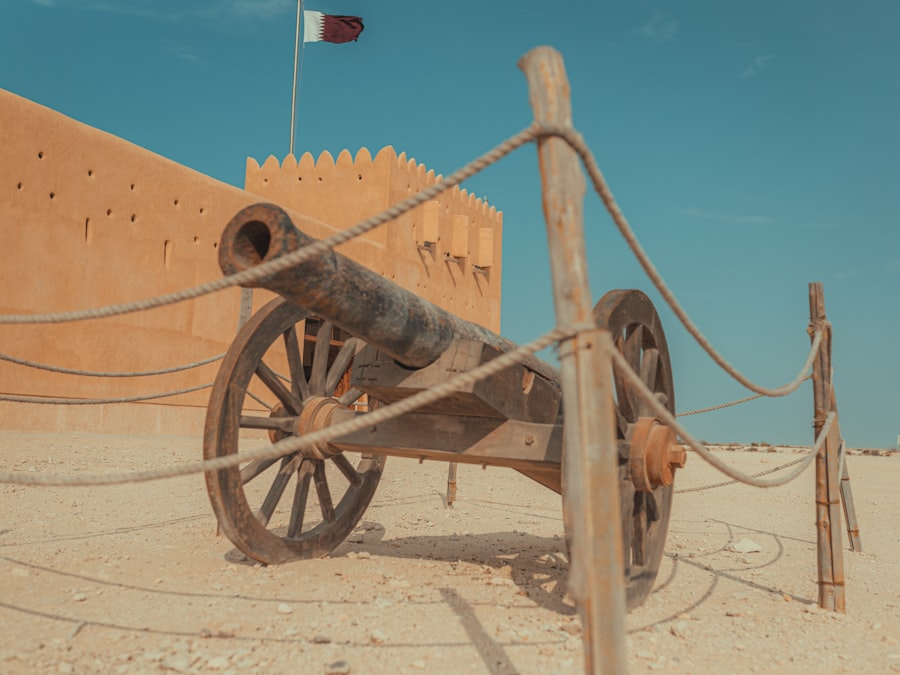
The influence of ancient weapons on modern warfare is profound and far-reaching. Many contemporary military technologies can trace their roots back to innovations developed during ancient times. For instance, the principles behind siege engines have evolved into modern artillery systems capable of delivering devastating firepower over long distances.
Similarly, advancements in metallurgy have led to the creation of modern firearms that echo the design philosophies of ancient weaponry. Moreover, strategies developed by ancient commanders continue to inform military doctrine today. Concepts such as flanking maneuvers and combined arms operations are foundational elements in modern military strategy.
The study of historical battles provides valuable insights into leadership, logistics, and tactics that remain relevant in contemporary conflicts. Thus, while technology has advanced significantly since ancient times, the core principles of warfare endure.
The Role of Technology in Ancient Warfare
Technology played a pivotal role in shaping ancient warfare, influencing everything from weapon design to battlefield tactics. The advent of metallurgy revolutionized combat; weapons made from bronze or iron offered greater durability and lethality compared to their stone predecessors. This technological leap allowed armies to equip larger numbers of soldiers with effective arms, fundamentally altering the dynamics of warfare.
The construction of roads by empires like Rome enabled rapid deployment of forces across vast distances, enhancing their ability to respond to threats swiftly. Furthermore, innovations such as chariots provided mobility on the battlefield that could be leveraged for both offense and defense.
As technology continued to evolve, it became increasingly intertwined with military strategy, shaping how wars were fought throughout history.
The Legacy of Ancient Warriors
The legacy left by ancient warriors is multifaceted and enduring. Their stories have been immortalized in literature, art, and folklore, serving as sources of inspiration for countless generations. The ideals they represented—courage, honor, loyalty—continue to resonate within modern societies, influencing contemporary notions of heroism and sacrifice.
Moreover, the study of ancient warriors offers valuable lessons about leadership and resilience in times of conflict. Their experiences provide insights into human nature during warfare—how individuals respond under pressure and how camaraderie can foster strength among troops. As modern societies grapple with issues related to conflict and peacekeeping, revisiting the legacies of these ancient figures can offer guidance on navigating complex challenges.
Reviving Ancient Combat Techniques
In recent years, there has been a resurgence of interest in reviving ancient combat techniques among martial artists and historians alike. Various schools have emerged dedicated to studying historical European martial arts (HEMA) or traditional Asian fighting styles that date back centuries. Practitioners seek to understand not only the physical techniques but also the philosophies underpinning these ancient practices.
This revival serves multiple purposes: it preserves cultural heritage while also providing insights into effective combat strategies that have stood the test of time. Additionally, engaging with these techniques fosters a deeper appreciation for history and encourages individuals to connect with their ancestral roots through physical practice. As such, reviving ancient combat techniques becomes a means not only for self-defense but also for cultural exploration.
Exploring Ancient Battlefields
Exploring ancient battlefields offers a unique opportunity to connect with history on a visceral level. Archaeological sites around the world provide glimpses into past conflicts—remnants of weapons, fortifications, and even skeletal remains tell stories that textbooks alone cannot convey. These sites serve as poignant reminders of the sacrifices made by warriors throughout history.
Visiting these battlefields allows individuals to reflect on the complexities of war—the motivations behind conflicts, the human cost involved, and the enduring impact on societies. Guided tours often provide context that enriches understanding while fostering a sense of reverence for those who fought bravely in defense of their beliefs or territories. In this way, exploring ancient battlefields becomes an act not only of remembrance but also an engagement with broader themes related to humanity’s struggle for survival.
The Impact of Ancient Weapons on Society and Culture
The impact of ancient weapons extended far beyond the battlefield; they shaped societal structures and cultural identities in profound ways. In many civilizations, warriors held esteemed positions within society—often regarded as protectors or champions who embodied communal values. The weapons they wielded became symbols not only of power but also of cultural pride.
Moreover, ancient weapons influenced art and literature significantly; depictions of battles and heroic figures adorned pottery, sculptures, and manuscripts across various cultures. These representations served both as historical records and as vehicles for conveying moral lessons about bravery or sacrifice. As such, ancient weapons became intertwined with cultural narratives that defined societies’ identities—echoing through time as reminders of shared heritage.
In conclusion, ancient warriors and their weapons have left an indelible mark on history that continues to resonate today. From their evolution over millennia to their influence on modern warfare strategies and societal values, these figures embody a rich tapestry woven from courage, innovation, and legacy. As contemporary society reflects on these themes through various lenses—be it martial arts revival or archaeological exploration—the enduring spirit of ancient warriors remains alive in collective memory.
In exploring the fascinating world of ancient weapons, one can gain deeper insights by reading the related article on the history and evolution of weaponry. This article delves into various ancient civilizations and their unique armaments, providing context that complements the documentary. For more information, you can check out the article [here](https://www.realloreandorder.com/sample-page/).
WATCH THIS! 15 Ancient Weapons That BROKE History (And Were Hidden)
FAQs
What is an ancient weapons documentary?
An ancient weapons documentary is a film or video presentation that explores the history, development, and use of weapons from ancient civilizations. These documentaries often feature expert interviews, historical reenactments, and archaeological discoveries to provide a comprehensive understanding of ancient weaponry.
What can I expect to learn from an ancient weapons documentary?
Viewers can expect to learn about the various types of ancient weapons, including swords, spears, bows and arrows, siege weapons, and more. These documentaries also delve into the cultural, technological, and strategic aspects of ancient warfare, providing insights into the societies that created and utilized these weapons.
Where can I watch a full ancient weapons documentary?
Full ancient weapons documentaries can be found on streaming platforms such as Netflix, Amazon Prime Video, and YouTube. Additionally, some educational websites and documentary-focused channels may offer access to these films.
Are ancient weapons documentaries historically accurate?
The accuracy of ancient weapons documentaries can vary depending on the research and expertise of the filmmakers and contributors. It’s important to consider multiple sources and perspectives when learning about ancient weaponry to ensure a well-rounded understanding of the topic.