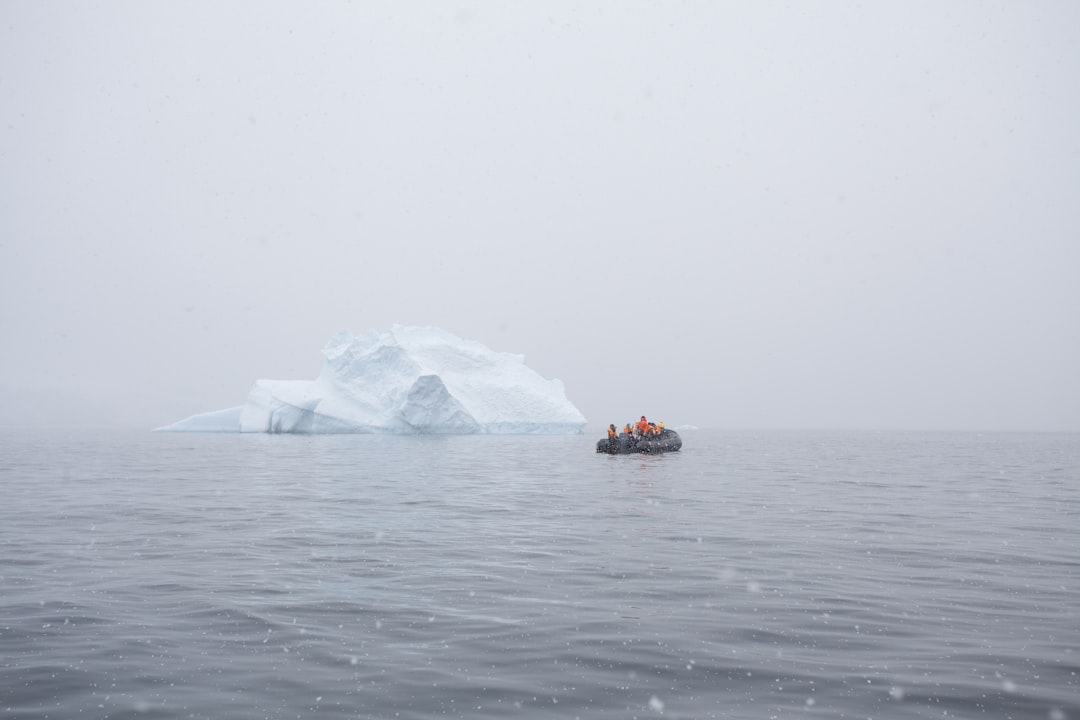
Antarctica, the Earth’s southernmost continent, represents a unique frontier. Its isolation, extreme climate, and remarkable biodiversity have rendered it a natural laboratory, offering invaluable insights into planetary processes and the resilience of life itself. However, this very uniqueness necessitates stringent protective measures. The continent’s delicate balance, a complex tapestry woven over millennia, is extraordinarily vulnerable to human intrusion. Understanding why Antarctica is restricted is paramount to appreciating the global effort dedicated to its preservation.
The primary mechanism governing human activities in Antarctica is the Antarctic Treaty System (ATS). This international agreement, signed in Washington D.C. on December 1, 1959, and entering into force on June 23, 1961, effectively demilitarized the continent, established freedom of scientific investigation, and promoted international scientific cooperation. It was a groundbreaking achievement in an era dominated by Cold War tensions, demonstrating a shared commitment to a land free from political contention and dedicated to peace and science.
Origins and Evolution
The genesis of the ATS can be traced back to the International Geophysical Year (IGY) of 1957-1958. During this collaborative scientific endeavor, twelve nations established research stations in Antarctica, leading to a realization of the continent’s profound scientific value and the potential for international disputes over territorial claims. The successful scientific collaboration during the IGY provided a template for future peaceful coexistence and scientific discovery.
Key Provisions
The ATS is built upon several foundational principles. Article I prohibits military activities, including the establishment of military bases, fortifications, and weapons testing. Article II guarantees freedom of scientific investigation and promotes international cooperation, ensuring that scientific findings are openly exchanged. Article III explicitly states that all scientific observations and results shall be exchanged and made freely available.
Environmental Protocol
While the original treaty focused on demilitarization and scientific cooperation, the escalating awareness of environmental threats led to the adoption of the Protocol on Environmental Protection to the Antarctic Treaty (Madrid Protocol) in 1991. This protocol designates Antarctica as a “natural reserve, devoted to peace and science” and lays down comprehensive provisions for the protection of its environment and dependent and associated ecosystems. It establishes environmental principles, impact assessment procedures, and prohibitions on various activities, including mineral resource activities.
Antarctica is a unique and fragile ecosystem that is largely restricted to the public due to environmental concerns and international treaties aimed at preserving its pristine condition. The Antarctic Treaty System, established in 1961, prohibits military activity and mineral mining while promoting scientific research and environmental protection. For a deeper understanding of the complexities surrounding access to this remote continent, you can read a related article that explores the implications of these restrictions and the importance of safeguarding Antarctica’s environment. For more information, visit this article.
The Fragile Ecosystem: A House of Cards
Antarctica’s ecosystem is remarkably adapted to its harsh conditions, yet its resilience is a double-edged sword. While its inhabitants have evolved extraordinary survival strategies, their ecological niche is often narrow, making them highly susceptible to external disturbances. The continent’s pristine nature, a relic of a bygone era, serves as a baseline for understanding global environmental change, a living museum of unblemished natural processes.
Unique Biodiversity
Despite the icy veneer, Antarctica teems with life, both terrestrial and marine. The Southern Ocean, a swirling embrace around the continent, is one of the most productive marine environments on Earth, supporting a substantial portion of the world’s krill, the keystone species of the Antarctic food web.
Marine Life
The Southern Ocean is home to a diverse array of marine mammals, including several species of whales (e.g., humpbacks, minke, orcas), seals (e.g., Weddell, crabeater, leopard), and seabirds. These creatures have evolved unique physiological adaptations, such as thick layers of blubber and specialized diving abilities, to thrive in the frigid waters. The abundance of krill, a small crustacean, forms the bedrock of this intricate food web, serving as the primary food source for many larger marine animals.
Terrestrial Life
Terrestrial life on the continent itself is more limited, primarily consisting of invertebrates (mites, springtails), mosses, lichens, and two species of flowering plants. These organisms often exhibit extraordinary adaptations to extreme cold, aridity, and high UV radiation, clinging to existence in ice-free oases. The sub-Antarctic islands, with their milder climates, support a richer diversity of terrestrial flora and fauna, including extensive colonies of penguins and other seabirds.
Sensitivity to Climate Change
Antarctica is at the forefront of climate change. Its vast ice sheets act as a global refrigerating system, regulating oceanic currents and atmospheric patterns worldwide. Changes in this delicate balance have far-reaching implications, impacting everything from global sea levels to weather patterns.
Ice Sheet Melt
The melting of the Antarctic ice sheets, particularly the West Antarctic Ice Sheet, is a significant contributor to global sea-level rise. As the “canary in the coal mine,” its rapid changes serve as a stark warning of the accelerating pace of global warming. Even small increases in ocean temperatures can trigger an irreversible cascade of melting, with potentially catastrophic consequences for coastal communities globally.
Ocean Acidification
The absorption of excess carbon dioxide by the Southern Ocean is leading to ocean acidification, a process that threatens marine life, particularly organisms with calcium carbonate shells or skeletons, such as krill and pteropods (sea snails). These foundational species are the building blocks of the Antarctic food web. You can think of the ocean as a giant sponge absorbing our excess CO2, but like any sponge, it eventually becomes saturated, and the very water becomes corrosive to life.
Minimizing Human Impact: A Moral Imperative
Human activities, even those with ostensibly beneficial intentions like scientific research and tourism, carry the potential for adverse impacts on Antarctica’s pristine environment. The restrictions in place are designed to act as a dam, holding back the potential flood of degradation.
Regulating Tourism
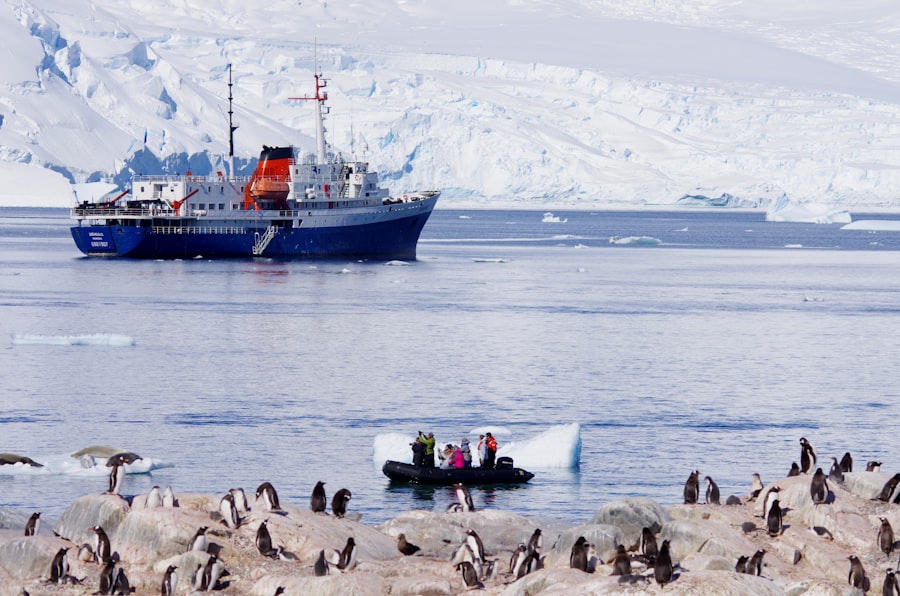
Tourism in Antarctica has grown considerably since the 1990s, offering a unique opportunity for people to witness its grandeur. However, uncontrolled tourism can lead to significant environmental damage, including disturbance to wildlife, introduction of non-native species, and pollution.
Site-Specific Guidelines
The ATS, through the Madrid Protocol, has established strict guidelines for tourist activities, including limits on group sizes at landing sites, minimum distances from wildlife, and prohibitions on littering. Tour operators are also required to adhere to stringent environmental impact assessments and carry out waste management plans. The collective responsibility lies not just with operators but with every visitor to be a respectful guest in this extraordinary realm.
Preventing Introduction of Non-Native Species
The introduction of non-native species, even microscopic ones, poses a grave threat to Antarctica’s isolated ecosystems. Visitors are required to meticulously clean their clothing, footwear, and equipment before and after arriving in Antarctica to prevent the unwitting transport of foreign seeds, spores, or insects. This meticulous attention to detail is crucial, as even a single invasive species could unravel centuries of ecological development.
Controlling Scientific Research
While scientific research is a cornerstone of the ATS, even research activities, if not carefully managed, can have an environmental footprint. The establishment and operation of research stations, the generation of waste, and the movement of personnel and equipment all contribute to potential impacts.
Environmental Impact Assessments
All scientific research projects are subject to rigorous environmental impact assessments (EIAs) before they can proceed. These assessments evaluate the potential effects of proposed activities on the Antarctic environment and prescribe mitigation measures to minimize any negative impacts. This is akin to a surgeon planning an operation: every step is considered, every potential risk weighed, to ensure the health of the patient – in this case, the continent itself.
Waste Management Protocols
Strict waste management protocols are in place to ensure that all waste generated by scientific stations and research vessels is either removed from Antarctica or treated in an environmentally sound manner. This includes the segregation of waste, recycling, and the careful disposal of hazardous materials. The goal is to leave no trace, to ensure that the human presence is as fleeting as a passing cloud.
Geopolitical Stability: A Foundation for Conservation
The ATS, by effectively neutralizing territorial claims and fostering international cooperation, has created an unprecedented zone of peace and scientific collaboration. This geopolitical stability is not merely a diplomatic triumph; it is a fundamental pillar of Antarctica’s environmental protection. Without a framework for peaceful coexistence, the continent’s future would be far more precarious.
Scientific Collaboration
The ATS has facilitated unparalleled international scientific cooperation, with researchers from diverse nations working together on projects that transcend national boundaries. This collaborative spirit has led to significant breakthroughs in understanding global climate change, glaciology, oceanography, and astrobiology. This is a testament to what humanity can achieve when it puts aside differences for a common good.
No Military Presence
The prohibition of military activities has prevented Antarctica from becoming a flashpoint for international conflict. This demilitarized status ensures that resources and efforts are directed towards scientific discovery and environmental protection, rather than towards defense or resource exploitation. The continent remains a pristine canvas, unscarred by the instruments of war.
Future Challenges
Despite its success, the ATS faces ongoing challenges, particularly concerning climate change and increasing human activity. The protocol’s ban on mineral resource exploitation is seen as a vital protection, but the lure of potential resources in a resource-hungry world remains a long-term concern.
Ensuring Compliance
Maintaining the effectiveness of the ATS relies on the continued commitment of its member states to uphold its principles and enforce its regulations. The sheer scale and remoteness of Antarctica make comprehensive monitoring and enforcement a complex undertaking. It requires constant vigilance and a collective dedication to the spirit of the treaty.
Adapting to New Pressures
As environmental changes accelerate and human interest in Antarctica grows, the ATS continually needs to adapt and evolve. This includes reviewing existing regulations, developing new guidelines, and ensuring that scientific research and tourism are conducted in a manner that is truly sustainable. The ATS is not a static document; it is a living framework that must respond to the dynamic challenges of our time.
Antarctica is a unique and fragile environment that is largely restricted to the public due to its extreme conditions and the need for conservation. The Antarctic Treaty System, which governs international relations in the region, emphasizes the importance of protecting its ecosystems and scientific research. For those interested in learning more about the reasons behind these restrictions, a related article can be found here. This article delves into the complexities of preserving such a pristine environment while balancing scientific exploration and environmental protection.
A Global Heritage: A Shared Responsibility
| Reason for Restriction | Description | Impact |
|---|---|---|
| Environmental Protection | Strict regulations to preserve fragile ecosystems and prevent pollution. | Minimizes human impact on native wildlife and habitats. |
| Scientific Research | Priority given to scientific missions to study climate, wildlife, and geology. | Ensures uninterrupted research and data collection. |
| International Treaties | Governed by the Antarctic Treaty System which limits commercial and tourist activities. | Maintains Antarctica as a demilitarized and cooperative scientific zone. |
| Harsh Climate | Extreme cold, unpredictable weather, and dangerous terrain restrict access. | Limits public visits to ensure safety and reduce rescue operations. |
| Wildlife Conservation | Protection of native species from disturbance and introduction of invasive species. | Preserves biodiversity and natural behaviors of animals. |
Antarctica is not merely a continent; it is a global heritage, a vital component of Earth’s interconnected systems. Its protection is not just a matter for the signatory nations of the ATS but a shared responsibility for all humanity. The restrictions in place serve as a guardian, a sentinel standing watch over a wilderness that holds invaluable keys to our planet’s past, present, and future.
By limiting human access and imposing strict regulations, we are not denying ourselves an experience, but rather preserving a legacy. We are ensuring that future generations will also have the opportunity to marvel at its untouched beauty, to learn from its unique ecosystems, and to benefit from the crucial scientific insights it provides. Just as one protects a rare and invaluable artwork, so too must we protect Antarctica – a masterpiece of the natural world, irreplaceable and profoundly significant. The choices we make regarding Antarctica today will reverberate for centuries, shaping the destiny not just of the continent, but of our planet as a whole.

SHOCKING: New Radar Reveals City Under Antarctica
FAQs
Why is public access to Antarctica restricted?
Public access to Antarctica is restricted primarily to protect its fragile environment and unique ecosystems. The continent is governed by international agreements that limit human activity to scientific research and environmental preservation.
Who manages the restrictions on visiting Antarctica?
The restrictions are managed under the Antarctic Treaty System, an international agreement signed by multiple countries. This treaty regulates human activity to ensure the continent remains a natural reserve dedicated to peace and science.
Are tourists allowed to visit Antarctica?
Yes, tourists can visit Antarctica, but their activities are strictly controlled. Tour operators must follow guidelines set by the Antarctic Treaty to minimize environmental impact, and visitors are usually limited to specific areas and group sizes.
What environmental concerns lead to restrictions in Antarctica?
Antarctica’s ecosystem is extremely sensitive to human disturbance. Concerns include the introduction of non-native species, pollution, disruption of wildlife, and damage to pristine landscapes, all of which can have long-lasting effects.
How do researchers ensure the protection of Antarctica during their work?
Researchers follow strict protocols, including waste management, minimizing habitat disturbance, and using environmentally friendly equipment. Their activities are monitored and regulated to ensure compliance with the Antarctic Treaty’s environmental protection measures.