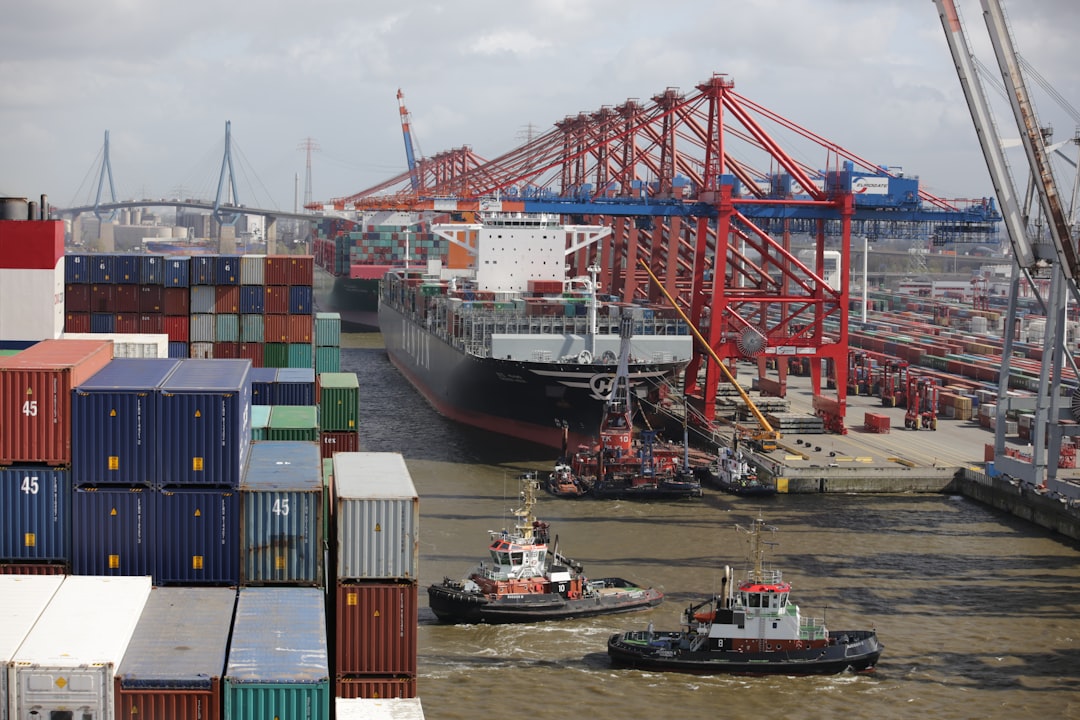
The international financial system has experienced notable changes in recent years, with the Chinese yuan gaining increased usage in global trade settlements. While the US dollar and euro have historically dominated international commerce, the yuan has emerged as an alternative settlement currency in cross-border transactions. This development reflects China’s expanding economic influence and represents a deliberate effort to establish the yuan as an internationally recognized currency.
Yuan settlement refers to the practice of conducting international transactions using Chinese currency, enabling trade and investment between nations while decreasing dependence on traditional reserve currencies. The expansion of yuan settlement mechanisms aligns with China’s currency internationalization strategy. As the world’s second-largest economy by nominal GDP, China has implemented various initiatives to promote yuan adoption across international markets.
These efforts include policy reforms designed to improve currency liquidity and encourage foreign entity participation in yuan-denominated transactions. The growing use of yuan in international trade affects bilateral commercial relationships and influences broader global financial architecture and economic patterns.
Key Takeaways
- Yuan settlement facilitates smoother international trade by enabling direct transactions in Chinese currency.
- It strengthens China’s influence in global financial markets and promotes the yuan as a key international currency.
- The Chinese government actively supports yuan settlement through policies and financial infrastructure development.
- Challenges include exchange rate volatility, regulatory differences, and geopolitical risks affecting yuan adoption.
- Yuan settlement contributes to diversifying global currency reserves and reshaping trade agreements worldwide.
Benefits of Yuan Settlement for International Trade
One of the primary benefits of yuan settlement in international trade is the reduction of transaction costs. By using the yuan, businesses can avoid the complexities and expenses associated with currency conversion when dealing in other currencies.
Furthermore, yuan settlement can mitigate exchange rate risks, providing greater stability for businesses engaged in cross-border transactions. Additionally, yuan settlement enhances trade relationships between China and its trading partners. As more countries adopt the yuan for their transactions, it fosters a sense of trust and cooperation in economic dealings.
This growing acceptance can lead to increased trade volumes, as businesses feel more comfortable engaging with partners who utilize a common currency. Moreover, countries that embrace yuan settlement may find themselves better positioned to negotiate favorable trade agreements with China, further solidifying their economic ties.
Impact of Yuan Settlement on Global Financial Markets

The increasing use of the yuan in international trade has significant implications for global financial markets. As more transactions are conducted in yuan, there is a corresponding rise in demand for the currency, which can lead to greater liquidity in foreign exchange markets. This heightened liquidity can enhance price stability and reduce volatility, making the yuan a more attractive option for investors and traders alike.
Consequently, financial institutions may begin to offer more yuan-denominated products, further integrating the currency into global financial systems. Moreover, the rise of yuan settlement challenges the dominance of traditional reserve currencies, particularly the US dollar. As countries diversify their currency reserves to include the yuan, it could lead to a gradual shift in global economic power dynamics.
This transition may prompt central banks around the world to reconsider their foreign exchange strategies, potentially leading to a more multipolar currency system. Such changes could reshape investment patterns and influence capital flows on a global scale.
Role of Chinese Government in Promoting Yuan Settlement
The Chinese government plays a pivotal role in promoting yuan settlement through various policy initiatives and strategic partnerships. By implementing measures that enhance the currency’s convertibility and accessibility, China aims to encourage foreign businesses to adopt the yuan for their transactions. Initiatives such as establishing offshore yuan centers and expanding bilateral trade agreements have been instrumental in facilitating this process.
These efforts not only bolster the yuan’s international standing but also align with China’s broader economic objectives. Furthermore, the Chinese government actively engages in diplomatic efforts to promote yuan settlement among its trading partners. By fostering relationships with countries that are willing to adopt the yuan, China can create a network of economic alliances that support its currency’s internationalization.
This approach not only strengthens China’s position in global trade but also enhances its influence in international financial institutions, allowing it to shape policies that favor the use of the yuan.
Challenges and Risks of Yuan Settlement in International Trade
| Metric | Value | Unit | Year | Notes |
|---|---|---|---|---|
| Percentage of Global Trade Settled in Yuan | 3.5 | % | 2023 | Share of international trade payments using Chinese yuan |
| Yuan Settlement Volume | 1.2 | Trillion | 2023 | Total value of trade settled in yuan |
| Number of Countries Using Yuan for Trade | 80 | Countries | 2023 | Countries actively using yuan for trade settlement |
| Growth Rate of Yuan Trade Settlement | 15 | % | 2022-2023 | Year-over-year increase in yuan trade settlement volume |
| Top Commodity Settled in Yuan | Crude Oil | Commodity | 2023 | Most traded commodity using yuan settlement |
| Percentage of Belt and Road Trade Settled in Yuan | 25 | % | 2023 | Share of trade within Belt and Road Initiative using yuan |
Despite its potential benefits, yuan settlement is not without challenges and risks.
Foreign businesses may be hesitant to fully embrace the yuan due to uncertainties surrounding currency controls and potential government interventions.
This apprehension can hinder the widespread adoption of yuan settlement, limiting its effectiveness as a tool for international trade. Additionally, geopolitical tensions can pose risks to yuan settlement initiatives. As countries navigate complex diplomatic relationships, fluctuations in political stability can impact trade agreements and currency usage.
For instance, nations that rely heavily on trade with China may find themselves vulnerable to shifts in policy or economic conditions within China. Such uncertainties can deter businesses from committing to yuan-denominated transactions, thereby slowing down the momentum of yuan settlement in international trade.
Yuan Settlement and its Effect on Exchange Rates
The adoption of yuan settlement has notable implications for exchange rates, particularly as it gains traction among international traders. As demand for the yuan increases due to its use in cross-border transactions, it can lead to appreciation against other currencies. This appreciation may enhance China’s export competitiveness by making its goods relatively cheaper for foreign buyers.
However, it can also create challenges for Chinese exporters if the currency strengthens too rapidly, potentially impacting profit margins. Moreover, fluctuations in exchange rates can influence investor sentiment towards the yuan. If businesses perceive that the yuan is becoming increasingly stable and reliable as a medium of exchange, they may be more inclined to hold yuan-denominated assets.
Conversely, if volatility persists or if there are concerns about China’s economic outlook, it could lead to decreased confidence in the currency. Thus, maintaining a stable exchange rate environment is crucial for fostering trust in yuan settlement among international traders.
Yuan Settlement and its Influence on Trade Agreements
Yuan settlement is increasingly influencing trade agreements between China and its partners around the world. As countries recognize the benefits of conducting trade in yuan, they are more likely to negotiate terms that facilitate its use in bilateral agreements. This trend is particularly evident in regions such as Asia and Africa, where many nations are eager to strengthen their economic ties with China through favorable trade arrangements.
Furthermore, incorporating yuan settlement into trade agreements can enhance economic cooperation between countries. By establishing frameworks that promote the use of the yuan, nations can create a more conducive environment for investment and trade flows. This collaborative approach not only benefits individual countries but also contributes to regional economic integration, fostering growth and development across borders.
Yuan Settlement and its Impact on Cross-Border Transactions
The rise of yuan settlement has transformed cross-border transactions by streamlining payment processes and reducing reliance on traditional banking systems. Businesses engaged in international trade can now conduct transactions directly in yuan, eliminating the need for intermediaries and minimizing delays associated with currency conversion. This efficiency not only accelerates transaction times but also enhances cash flow management for companies operating across borders.
Moreover, yuan settlement facilitates greater access to Chinese markets for foreign businesses. By using the yuan for transactions, companies can navigate regulatory hurdles more effectively and establish stronger relationships with local partners. This increased accessibility can lead to expanded market opportunities and improved competitiveness for businesses looking to tap into China’s vast consumer base.
Yuan Settlement and its Role in Diversifying Currency Reserves
As countries seek to diversify their currency reserves, the yuan has emerged as an attractive option for many central banks around the world. The growing acceptance of the yuan in international trade provides an opportunity for nations to reduce their dependence on traditional reserve currencies like the US dollar or euro. By incorporating the yuan into their reserves, central banks can enhance their financial stability and mitigate risks associated with currency fluctuations.
This diversification trend is particularly relevant for emerging economies that are looking to strengthen their financial positions amid global economic uncertainties. By holding a portion of their reserves in yuan, these countries can benefit from China’s economic growth while also positioning themselves strategically within the evolving global financial landscape.
Future Outlook for Yuan Settlement in International Trade
The future outlook for yuan settlement in international trade appears promising as more countries recognize its potential benefits. With ongoing efforts by the Chinese government to promote its currency on the global stage, it is likely that adoption rates will continue to rise over time. As businesses become increasingly familiar with conducting transactions in yuan, it may lead to a broader acceptance of the currency across various sectors.
However, challenges remain that could impact this trajectory. Geopolitical tensions and economic uncertainties may pose risks to the stability of yuan settlement initiatives. Nevertheless, if China continues to implement policies that enhance transparency and foster trust among international traders, it could solidify the yuan’s position as a key player in global trade settlements.
The Growing Importance of Yuan Settlement in Global Trade
In conclusion, the growing importance of yuan settlement in global trade reflects a significant shift in the dynamics of international finance. As businesses increasingly embrace this currency for cross-border transactions, it offers numerous benefits such as reduced transaction costs and enhanced trade relationships. The role of the Chinese government in promoting yuan settlement cannot be understated; through strategic initiatives and diplomatic efforts, China is positioning itself as a leader in global economic affairs.
While challenges remain—ranging from regulatory uncertainties to geopolitical risks—the potential for yuan settlement to reshape international trade is undeniable. As countries diversify their currency reserves and explore new avenues for economic cooperation, the future of yuan settlement looks bright. Ultimately, this evolution signifies not only China’s growing influence but also a broader transformation within global financial markets that could redefine how nations engage with one another economically.
In recent discussions about the increasing use of the yuan for international trade settlements, it’s important to consider the implications for global commerce and currency dynamics. A related article that delves into this topic can be found at Real Lore and Order, where the potential impacts of yuan settlement on trade relationships and economic strategies are explored in detail.
FAQs
What is yuan settlement in international trade?
Yuan settlement in international trade refers to the process of using the Chinese currency, the yuan (also known as the renminbi, RMB), to conduct and finalize payments for goods and services between countries.
Why is yuan settlement becoming more popular in international trade?
Yuan settlement is gaining popularity due to China’s growing role as a global economic power, efforts to internationalize the yuan, and initiatives to reduce reliance on the US dollar in cross-border transactions.
Which countries commonly use yuan settlement for trade?
Countries with strong trade ties to China, such as those in Asia, Africa, and parts of Europe, increasingly use yuan settlement. China has also signed currency swap agreements with several nations to facilitate yuan trade settlements.
What are the benefits of using yuan settlement in international trade?
Benefits include reduced currency exchange risk, lower transaction costs, faster payment processing, and strengthened trade relationships with China.
Are there any risks associated with yuan settlement?
Yes, risks include currency volatility, limited global acceptance compared to the US dollar, regulatory restrictions, and potential geopolitical factors affecting the yuan’s stability.
How does yuan settlement impact global financial markets?
Yuan settlement contributes to the gradual internationalization of the Chinese currency, influencing global currency reserves, trade financing, and potentially shifting the balance of currency dominance in international trade.
What role do Chinese banks play in yuan settlement?
Chinese banks facilitate yuan settlement by providing trade financing, currency exchange services, and cross-border payment platforms to support international transactions in yuan.
Is yuan settlement available for all types of international trade transactions?
While yuan settlement is increasingly available, its use depends on bilateral agreements, the willingness of trading partners, and the availability of yuan liquidity in the relevant markets.
How can businesses start using yuan settlement for their international trade?
Businesses can start by working with banks that offer yuan trade settlement services, understanding currency risks, and negotiating payment terms with trading partners to use the yuan.
What is the future outlook for yuan settlement in international trade?
The future outlook is positive, with expectations of increased yuan usage as China continues to promote its currency globally, though widespread adoption depends on further financial reforms and international acceptance.