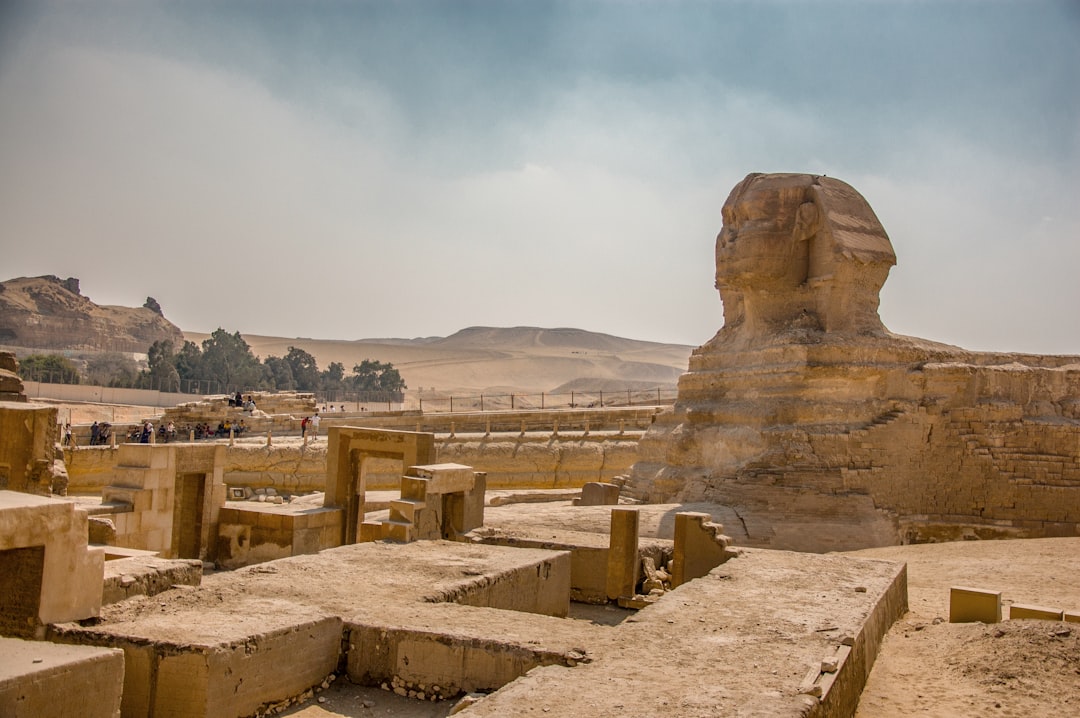
The pursuit of understanding our past, of piecing together the puzzle of human history, often finds its most compelling expression in the visual medium of documentaries. For the Listicle Content Architect (LCA), curating a selection of these cinematic journeys into antiquity is not merely an exercise in listing, but a deliberate act of guiding an audience towards profound discovery. The following compilation represents a distilled essence of the most impactful, informative, and visually arresting documentary explorations of ancient archaeology, each offering a unique window into civilizations that shaped our world. These are not just films; they are time machines, transporting viewers to the dawn of civilization, the heights of empires, and the quiet, dusty remnants of lives long past. The LCA has carefully selected these titles for their exceptional storytelling, rigorous scholarship, and their ability to spark curiosity and wonder.
- The Story of the Human Race: A Grand Narrative of Discovery
The lineage of humankind is a story etched in stone, buried beneath the earth, and whispered through the millennia. Documentaries that tackle this overarching narrative offer a sweeping panorama of our collective journey, from our earliest ancestors to the rise of complex societies. These films excel at connecting the dots, demonstrating how discoveries in one corner of the globe can illuminate developments thousands of miles away, or even tens of thousands of years prior.
Unearthing the Cradle of Civilization: Mesopotamia and Egypt
The fertile crescent and the banks of the Nile are intrinsically linked as the cradles of civilization. Documentaries focusing on these regions often delve into the monumental achievements of Sumerians, Akkadians, Babylonians, and Egyptians. This involves exploring the origins of writing, the development of complex urban centers, the construction of awe-inspiring pyramids and ziggurats, and the intricate religious and political structures that governed these early societies.
When the Nile Was King: The Wonders of Ancient Egypt
Among the most popular ancient civilizations to explore, Egypt continues to captivate with its monumental architecture, complex mythology, and enduring mysteries. Documentaries on ancient Egypt often revolve around the construction of the pyramids, the lives and deaths of pharaohs like Tutankhamun, the decipherment of hieroglyphs, and the sophisticated irrigation systems that allowed life to flourish in the desert. Viewers can expect to witness breathtaking footage of excavation sites, detailed CGI reconstructions of ancient cities, and compelling interviews with leading Egyptologists. The sheer scale of Egyptian ambition, from the Great Pyramid of Giza to the Temple of Karnak, provides ample material for visually stunning and intellectually stimulating narratives. The exploration of tombs, revealing not just the deceased but also their beliefs about the afterlife, offers a profound glimpse into the human condition throughout history. Topics such as the Rosetta Stone and the ongoing work to preserve these ancient wonders also feature prominently.
The Fertile Crescent and the Dawn of Empires: Mesopotamia
Mesopotamia, often referred to as the “cradle of civilization,” is another critical locus of ancient history to be explored. Documentaries on this region often highlight the innovations of the Sumerians, including the invention of the wheel, cuneiform writing, and early legal codes. The rise and fall of empires like the Akkadian, Babylonian, and Assyrian are meticulously chronicled, showcasing their advancements in mathematics, astronomy, and warfare. The epic of Gilgamesh, one of the oldest surviving works of literature, is frequently examined as a testament to early human desires for meaning and immortality. The archaeological sites of Ur, Babylon, and Nineveh offer a tangible connection to these powerful ancient cultures, and documentaries often bring these ruins to life through detailed reconstructions and expert analysis.
- Echoes of Empires: The Roman and Greek Worlds
The Mediterranean basin, particularly during the Classical and Imperial periods, was the crucible for some of the most influential cultures in Western history. Documentaries exploring the Roman and Greek worlds delve into their political systems, military might, philosophical advancements, artistic achievements, and the societal structures that underpinned their enduring legacies.
In the fascinating realm of ancient archaeology, the documentary “Surviving Climate Change: Ancient Wisdom” offers a compelling exploration of how ancient civilizations adapted to environmental challenges. This article delves into the lessons we can learn from these historical societies and their innovative strategies for resilience. For more insights, you can read the full article here: Surviving Climate Change: Ancient Wisdom.
The Golden Age of Athens and the Rise of Rome
The transition from the city-state of Athens, with its democratic ideals and philosophical ferment, to the vast and all-encompassing Roman Republic and Empire, provides a rich tapestry for documentary filmmakers. These narratives often juxtapose the intellectual and artistic achievements of Greece with the pragmatic engineering, military prowess, and administrative genius of Rome.
The Architects of Democracy and Philosophy: Ancient Greece
Documentaries on ancient Greece often focus on the city-states of Athens and Sparta, exploring their distinct societal models, military conflicts (like the Peloponnesian War), and the birth of democratic principles. The philosophical giants of figures like Socrates, Plato, and Aristotle are central to many narratives, with filmmakers attempting to convey the revolutionary nature of their ideas and their lasting impact on Western thought. The artistic achievements of the Greeks, from the sculptures of Phidias to the architecture of the Parthenon, are also highlighted, often with stunning visual presentations that emphasize their beauty and technical skill. The myths and legends of Greek gods and heroes also form an integral part of these documentaries, offering insight into the cultural worldview and the forces that shaped their societies. The exploration of archaeological sites such as the Acropolis, Delphi, and Olympia grounds the intellectual discourse in the physical reality of these ancient places.
The Legions of Conquest and the Pax Romana: Ancient Rome
The expansion of Rome from a small city-state to a dominant empire is a prime subject for archaeological documentaries. These films often chronicle the military campaigns of figures like Julius Caesar, the political machinations of the Republic and the subsequent reign of emperors, and the engineering marvels that characterized Roman infrastructure—aqueducts, roads, and amphitheatres. The concept of the Pax Romana, a period of relative peace and prosperity brought about by Roman dominance, is explored, alongside the social stratification and the lives of ordinary Romans. The destruction of Pompeii and Herculaneum offers a poignant and vivid glimpse into daily life frozen in time, providing a wealth of archaeological evidence that documentaries can bring to life. The influence of Roman law, language, and governance on subsequent civilizations is a recurring theme, underscoring Rome’s profound and lasting impact on the Western world.
- Lost Worlds and Hidden Treasures: Unearthing the Unseen
Beyond the monumental edifices and well-trodden paths of history lie countless stories waiting to be unearthed. This category of documentaries focuses on the thrill of discovery, the meticulous work of archaeologists, and the revelation of civilizations previously unknown or only hinted at in obscure texts. These films often have a strong narrative arc, following expeditions and the detailed process of excavation and analysis.
The Thrill of the Dig: From Hidden Cities to Buried Treasures
The allure of finding something truly extraordinary—a lost city, a royal tomb, or an artifact of immense historical significance—is a powerful narrative driver in archaeology. These documentaries showcase the dedication, perseverance, and often the sheer luck involved in such discoveries.
The Secrets of the Maya: A Lost Civilization Revealed
The enigmatic Maya civilization of Mesoamerica, with its sophisticated calendar systems, astronomical knowledge, and monumental city-states like Tikal and Palenque, offers a captivating subject for documentary exploration. Films in this category often examine the reasons for Maya societal collapse, the decipherment of their complex hieroglyphic script, and the ongoing efforts to understand their religious practices and political structures. The lush jungle environments in which many Maya sites are found provide a dramatic backdrop, and the rediscovery of these cities after centuries of being lost to the jungle is a central theme. The intricate carvings, stucco facades, and the astronomical alignments of their temples showcase a civilization that was both deeply spiritual and intellectually advanced. Documentaries frequently highlight the work of contemporary Maya communities and their connection to their ancestors’ heritage.
Uncovering the Silk Road: Connections Across Continents
The Silk Road, not a single physical road but a vast network of trade routes that connected East and West for centuries, is a fascinating subject that bridges numerous cultures and empires. Documentaries on the Silk Road delve into the movement of goods, ideas, technologies, and religions across Eurasia. Archaeological discoveries along these routes—from the Gandhara art of present-day Pakistan and Afghanistan to the ancient oasis cities of Xinjiang in China—reveal the multicultural exchange that characterized this era. The stories of merchants, pilgrims, and explorers who traversed these arduous journeys provide human connections to this grand historical phenomenon. Examining sites like Dunhuang and its Mogao Caves, filled with Buddhist art and scriptures, offers a profound testament to the transmission of culture and faith. These films often employ striking visuals of diverse landscapes and detailed reconstructions of bustling ancient markets, bringing the vibrant exchange of the Silk Road to life.
- The Unexplained and the Unfinished: Mysteries of Antiquity
Not all history is neatly cataloged. Some ancient sites and artifacts present riddles that continue to perplex scholars, fueling speculation and igniting the imagination. Documentaries exploring these enigmatic aspects of archaeology often combine scientific investigation with intriguing theories.
Ancient Enigmas and Enduring Questions
This segment of archaeological documentaries focuses on those aspects of the past that defy easy explanation, pushing the boundaries of our current understanding. It’s where science meets speculation, and where the possibility of unknown ancient technologies or lost knowledge is explored.
Stonehenge and the Megalithic Mysteries
The standing stones of Stonehenge in Wiltshire, England, are one of the most iconic and enduring archaeological mysteries in the world. Documentaries about Stonehenge delve into the possible purposes of this prehistoric monument, from astronomical observatory to ritualistic site. The immense effort required to transport and erect the massive stones remains a subject of debate, with theories ranging from the use of advanced engineering techniques for the time to the possibility of supernatural intervention, although the latter is largely dismissed by the scientific community. The documentary exploration often includes the surrounding Neolithic landscape, such as the nearby village of Durrington Walls and the avenues that connect to the monument, providing a broader context for its construction and use. The ongoing archaeological work at the site, attempting to understand the lives of the people who built and used Stonehenge, is a compelling narrative thread in these films.
The Nazca Lines: Desert Etchings of the Gods?
The vast geoglyphs etched into the desert plains of Peru, known as the Nazca Lines, are another enduring enigma. These enormous designs, depicting animals, plants, and geometric shapes, are best viewed from high above. Documentaries on the Nazca Lines explore the various theories surrounding their creation and purpose, from astronomical calendars to ritual pathways for ancient ceremonies. The meticulous precision and scale of these earthworks, created by a pre-Inca culture with seemingly rudimentary tools, raise questions about their inhabitants’ knowledge of geometry and astronomy. The films often examine the techniques used by the Nazca people, the arid climate that has preserved the lines for millennia, and the ongoing efforts to protect these fragile wonders from environmental factors and human impact. The sheer artistry and scale of these desert etchings continue to inspire awe and wonder.
- The Human Element: Lives Behind the Artifacts
While grand structures and significant events are crucial, the most compelling archaeological documentaries often bring the focus back to the individuals whose lives are illuminated by these ancient remains. This involves understanding the daily lives, beliefs, and struggles of people from bygone eras.
In exploring the fascinating world of ancient archaeology, one can gain insights into the complexities of human civilization and its evolution over time. A related article that delves into the significance of international cooperation in preserving cultural heritage can be found at this link. This piece highlights how collaborative efforts can help protect archaeological sites from the threats posed by modern conflicts and environmental changes, emphasizing the importance of unity in safeguarding our shared history.
Beyond the Monuments: Voices from the Past
These documentaries strive to connect viewers emotionally with the people who left behind the artifacts and structures we study. They move beyond mere descriptions of objects to explore the lived experiences of ancient peoples.
Tutankhamun: The Boy King and His Golden Tomb
The discovery of Tutankhamun’s tomb by Howard Carter in 1922 remains one of archaeology’s most iconic moments. Documentaries on Tutankhamun offer a captivating narrative of this young pharaoh’s life, his brief reign, and the incredible preservation of his tomb and its contents. The films often explore the sheer wealth of artifacts recovered – from chariots and furniture to elaborate jewelry and the famous golden death mask – providing an unparalleled glimpse into ancient Egyptian burial practices and royal life. Beyond the glittering treasures, these documentaries also delve into the challenges of the excavation itself, the painstaking work of conservation, and the enduring fascination with the “curse” of the pharaohs, which adds a layer of mystery and intrigue. The focus on a single individual, even a child ruler, allows for a more personal connection to ancient Egypt, making the history feel more immediate and relatable.
The Iceman: A Frozen Window into the Neolithic World
Ötzi the Iceman, the remarkably well-preserved natural mummy of a man who lived in the Alps around 3300 BCE, has provided an unprecedented wealth of information about the Neolithic period. Documentaries about Ötzi delve into every aspect of his life, from his clothing and equipment to his diet, health, and probable cause of death. The scientific analysis of his body and belongings—including his copper axe, bow, and arrows—offers a tangible connection to a prehistoric individual, allowing researchers to reconstruct his daily life, his journeys, and the social and environmental conditions of his time. The films often highlight the advanced imaging technologies and forensic techniques used to study Ötzi, showcasing the cutting-edge science that can unlock secrets from the distant past. The story of Ötzi is a powerful reminder that archaeology is not just about grand civilizations, but also about the individual lives that constituted them.
Conclusion:
The world of ancient archaeology is a boundless realm of discovery, and these ten documentaries serve as invaluable guides for anyone seeking to explore its depths. From the monumental achievements of early civilizations to the personal stories preserved in the earth, each film offers a unique perspective and sparks a sense of wonder about our collective human journey. The Listicle Content Architect (LCA) wholeheartedly endorses these selections, believing they represent the pinnacle of archaeological storytelling, inspiring viewers to look at the past not as a collection of dusty artifacts, but as a vibrant, complex, and ultimately, deeply human continuum. The continued exploration through these visual narratives ensures that the echoes of antiquity will resonate for generations to come.

What If 90% of Human History Is Underwater?
FAQs

What is ancient archaeology?
Ancient archaeology is the study of past human cultures through the excavation and analysis of material remains such as artifacts, architecture, and other physical evidence.
What is an archaeology documentary?
An archaeology documentary is a film or television program that presents the findings and research of archaeologists, often showcasing ancient artifacts, historical sites, and the methods used in archaeological exploration.
What can viewers expect to learn from an ancient archaeology documentary?
Viewers can expect to learn about ancient civilizations, their customs, technologies, and cultural practices. They may also gain insight into the methods and challenges of archaeological research.
Are ancient archaeology documentaries based on real findings?
Yes, ancient archaeology documentaries are based on real archaeological findings and research. They often feature interviews with archaeologists and experts in the field.
Where can one watch ancient archaeology documentaries?
Ancient archaeology documentaries can be found on streaming platforms, television networks, and through educational institutions. They may also be available for purchase or rental through online retailers.